Is Pomegranate Safe During Pregnancy? What You Need to Know

April 22, 2026
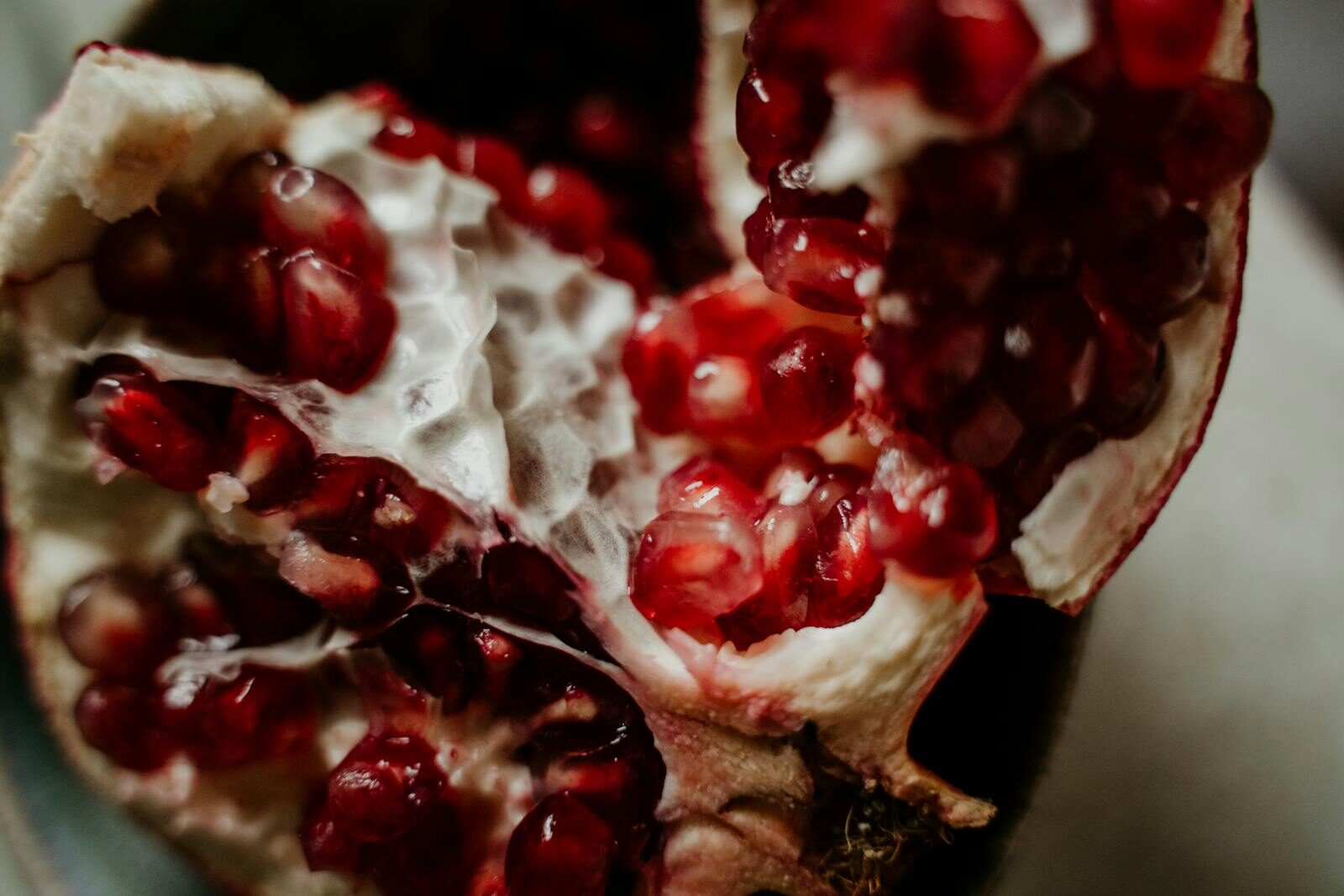
Pomegranate is one of those fruits that raises a lot of questions the moment you see it in the grocery store while pregnant. It’s bold, it’s sweet-tart, and it’s packed with nutrients — but is it actually safe to eat when you’re expecting?
The good news: you don’t have to put it back on the shelf. Many doctors and nutritionists agree that there is nothing wrong with eating pomegranate seeds or drinking pomegranate juice during pregnancy. That said, there are a few forms of pomegranate, specific health situations, and timing considerations worth knowing before you dig in.
This guide breaks down everything clearly — the research, the safe amounts, the real red flags, and what to watch out for — so you can make a confident, informed decision for you and your baby.
The Short Answer
Yes — pomegranate is safe to eat during pregnancy. Pomegranate is generally safe and healthy for most pregnant women when eaten in moderation. This applies whether you’re enjoying the fresh seeds (arils), drinking the juice, or tossing them into a salad or smoothie.
Pomegranates are safe to enjoy throughout pregnancy. They can be eaten at meals or snack time. There’s no trimester restriction — you can include them in your diet from the first week to the final stretch.
Pro Tip: The one form to be cautious about is pomegranate extract — concentrated supplements and capsules carry different risks than the whole fruit or juice. Stick to food-form pomegranate and you’re on solid ground.
The nuances come down to how much you eat, which form you choose, and whether you have any specific health conditions like gestational diabetes or medication interactions. All of that is covered below.
Why It’s Safe
Pomegranate isn’t just safe — it’s genuinely beneficial during pregnancy. Pomegranate is a superfood full of fiber, iron, potassium, vitamin B, and folic acid, among other critical minerals. Each of those nutrients plays a meaningful role in supporting your body and your baby’s development.
Here’s a breakdown of what makes pomegranate such a strong pregnancy food:
- Folate: Pomegranates are rich in folic acid, a vital nutrient for fetal development. A deficiency in folic acid during pregnancy increases the risk of neural tube defects.
- Vitamin C: Pomegranate is a good source of Vitamin C, which is essential for a pregnant woman as it helps in the synthesis of iron from the food items that are consumed. If you eat iron-rich foods or take iron supplements during pregnancy, Vitamin C will help your body absorb iron.
- Vitamin K: Vitamin K, found in high amounts in pomegranates, plays a critical role in blood clotting. A deficiency in vitamin K can increase the risk of hemorrhage, which is a serious medical emergency during pregnancy and childbirth.
- Fiber: Pomegranate is a good source of fiber. Eating vegetables and fruits that are rich in fiber is recommended for pregnant women in order to keep constipation and other digestive disorders at bay. By stimulating bowel movements, fiber plays a key role in streamlining the entire system.
- Antioxidants: Pomegranates are full of powerful antioxidants. They contain an abundance of an especially important antioxidant called anthocyanin. Anthocyanins are part of the reason pomegranates are such a beautiful shade of red. Anthocyanins and other antioxidants in pomegranates provide health benefits, including anti-inflammatory, antimicrobial, and antihypotensive properties.
- Potassium: Pomegranates contain potassium, a mineral that helps regulate blood pressure by balancing sodium levels in the body. Maintaining healthy blood pressure is crucial during pregnancy to reduce the risk of complications such as preeclampsia.
Pomegranate is low in fat and rich in vitamins, minerals, and antioxidants, providing a boost to immune health. It also aids in digestion and supports healthy fetal growth.
Key Insight: Another benefit of pomegranate is its role in maintaining oral health. Pregnant women are more prone to dental issues such as cavities and gum disease. Poor oral health during pregnancy has been linked to complications like preeclampsia and preterm birth. Pomegranate’s antibacterial and anti-inflammatory properties can help reduce this risk.
You can learn more about how powerful antioxidant-rich foods support overall health, or explore a broader look at whole plant-based foods and the wide range of nutrients they deliver.
What the Research Actually Says
Beyond the general nutrition profile, there’s real clinical research looking specifically at pomegranate during pregnancy — and the findings are encouraging.
Pomegranate juice may hold promise for preventing preeclampsia, growth restriction, and preterm birth when given to women during pregnancy, according to a Washington University study. The laboratory study found that pomegranate juice limits injury in human placental tissue and in isolated human cell cultures. More specifically, the juice, which is high in polyphenolic antioxidants, reduced stress and death of human fetal and placental cells.
The human placenta is key to pregnancy outcome, and the elevated oxidative stress present in many complicated pregnancies contributes to placental dysfunction and suboptimal pregnancy outcomes. Researchers tested the hypothesis that pomegranate juice, which is rich in polyphenolic antioxidants, limits placental trophoblast injury. The results supported that hypothesis — pomegranate juice reduces placental oxidative stress in vivo and in vitro while limiting stimulus-induced death of human trophoblasts in culture.
A separate randomized controlled pilot study examined pomegranate’s effect on fetal brain development. Maternal pomegranate juice intake in pregnancies with known intrauterine growth restriction (IUGR) was associated with altered white matter organization and functional connectivity in the infant brain, suggesting differences in brain structure and function following in utero pomegranate juice exposure, warranting continued investigation.
Important Note: These studies are promising but preliminary. Most involve small sample sizes or specific high-risk populations. Clinical data on the use of pomegranate juice during pregnancy are limited, but there are preliminary studies suggesting potential neuroprotection against intrauterine growth restriction and positive metabolic effects in adults. These findings are interesting but do not yet support broad medical recommendations.
What the research does confirm clearly: pomegranate fruit and fruit juice are possibly safe when used during pregnancy or when breastfeeding, according to WebMD’s clinical review. The fruit itself has a strong safety profile — it’s the concentrated extract forms that carry more uncertainty.
For a deeper look at how superfoods support heart health — relevant since pomegranate’s antioxidants benefit cardiovascular function — that’s a worthwhile read alongside this research.
How to Do It Safely
Knowing pomegranate is safe is one thing — knowing exactly how to include it is even more useful. Here’s what you need to know about amounts, forms, timing, and trimester differences.
How Much to Eat
During pregnancy, you can consume about one pomegranate per day, which is roughly 200–250 grams of pomegranate seeds. This amount provides essential nutrients and can be beneficial throughout the pregnancy, especially in the second and third trimesters.
For juice, limit to moderate amounts — approximately 4–8 oz per day — due to natural sugars, and avoid added sugar varieties. If you have gestational diabetes or blood sugar concerns, opt for the whole seeds over juice. The juice eliminates the fiber, an important nutrient that helps slow the rate at which your blood sugar rises.
Which Forms Are Safe
- Fresh seeds (arils): Eating raw pomegranate is safe while pregnant. Raw pomegranate seeds are rich in fiber and nutrients, making them a healthy snack option.
- Juice: All forms of pomegranate are generally safe during pregnancy, including fresh seeds, juice, and dried arils. Fresh seeds provide fiber, while juice offers hydration and a quick nutrient boost. Always choose pasteurized juice to avoid any risk of bacterial contamination.
- Dried arils: Safe in moderation, but note they’re more concentrated in sugar than fresh seeds.
- Extract/supplements: Pomegranate fruit and fruit juice are possibly safe during pregnancy. But there isn’t enough reliable information to know if other forms of pomegranate, such as pomegranate extract, are safe to use. Avoid these unless your doctor specifically recommends them.
Common Mistake: Pomegranate extract is prepared without separating the rind from the rest of the fruit, and this extract with rind contains certain elements which can interact with a pregnant woman’s body and thus trigger premature contractions. Always choose food-form pomegranate, not concentrated rind-based extracts.
Best Time of Day
The best time to eat pomegranate in pregnancy is in the morning. Pomegranates are citrus, acidic fruits. Therefore, eating pomegranate during pregnancy at night could cause heartburn or acid reflux during pregnancy. If you already deal with pregnancy heartburn, eating it earlier in the day is a smart move.
By Trimester
| Trimester | Safety | Key Benefits | Notes |
|---|---|---|---|
| First Trimester | ✅ Safe | Beneficial due to high antioxidant content, particularly polyphenols. These help protect against cell damage and support overall health during early fetal development. | Folate especially important in early weeks |
| Second Trimester | ✅ Safe | Safe and beneficial. Contains important nutrients like folate and potassium, which support healthy fetal development and help manage blood pressure. | Great time to add juice in moderation |
| Third Trimester | ✅ Safe | Enjoying pomegranate in the third trimester is beneficial. Its nutrients, like potassium, may help manage blood pressure and reduce swelling. The fruit also contains fiber, which supports digestion and can ease constipation, a common issue in late pregnancy. | Pair with protein to balance blood sugar |
Prep Tips
- Wash thoroughly — Ensure you wash the fruit thoroughly before consuming to remove any pesticides or contaminants.
- Seed in water — The easiest method for preparing this fruit is using a bowl of water. Once you are ready to eat the fruit, wash it and cut it into quarters, then rub the fruit to remove the seeds and place the seeds in a separate bowl. Throw away the unusable skin, white membrane, and water.
- Make juice at home — Instead of purchasing pomegranate juice from the supermarket, buy the fruit and make the juice at home. If you make it at home, you will be sure that it is pure juice and is healthy.
- Pair with protein or fat — Pairing fruit choices with healthy fats and proteins is helpful. This helps to support balanced blood sugar levels.
- Choose heavy fruits — While buying pomegranates, make sure you choose the ones that are heavier — weight indicates juiciness and ripeness.
For more guidance on what to include and avoid in your pregnancy diet, the foods and beverages to avoid during pregnancy guide is a helpful companion resource. You can also explore foods that boost brain health for more ideas on nourishing your baby’s developing brain.
When to Avoid It Completely
Pomegranate is safe for most pregnant women, but there are specific situations where you should pause and consult your doctor before eating it — or avoid it altogether.
You’re Taking Certain Medications
Pomegranate juice may interact with some medications. If you’re taking blood thinners or statin medications, talk with your doctor first.
This is an important one. Pomegranates may have an interaction with ACE inhibitors, blood thinners, statins, blood pressure medication, and proton pump inhibitors. Specifically:
- Blood thinners (anticoagulants): Since pomegranate is rich in vitamin K, it may counteract the effect of blood thinners. If you want to include pomegranates, it’s important to maintain a consistent intake of vitamin K and talk with your healthcare provider before adding pomegranates.
- Statins: Research shows that combining pomegranate with statins may cause rhabdomyolysis (breakdown of muscle fiber) and possible kidney failure. This may be due to pomegranates blocking an enzyme in the intestines, leading to higher absorption of the medication.
- Blood pressure medications: Pomegranates can lower blood pressure, which might be a concern for those with already low blood pressure levels.
Important Note: Always consult your healthcare provider before making dietary changes during pregnancy, especially if you are taking medications — pomegranate juice and extracts can interact with certain drugs (similar to grapefruit) and may not be suitable for everyone.
You Have a Known Pomegranate or Plant Allergy
Some women may experience allergic reactions, including itching, swelling, or difficulty breathing after eating pomegranates. People with plant allergies seem to be more likely to have an allergic reaction to pomegranate. If you’ve never eaten pomegranate before, try a small amount first and monitor for any reaction.
You Have Gestational Diabetes
Most pregnant women can safely enjoy pomegranates, but those with gestational diabetes should consult their doctor due to the fruit’s sugar content. If your doctor clears it, opt for the whole seeds over juice. For those with gestational diabetes, opting for seeds versus juice may be best — the fiber in the seeds slows sugar absorption significantly.
You’re Taking Pomegranate Extract or Supplements
Avoid high-dose pomegranate extract concentrates and dietary supplements without the approval of a healthcare professional. Pomegranate fruit and fruit juice are possibly safe during pregnancy. But there isn’t enough reliable information to know if other forms of pomegranate, such as pomegranate extract, are safe to use. Stay on the safe side and stick with pomegranate fruit or juice.
Understanding foods that support hormonal and reproductive health can also be a useful reference when thinking holistically about your pregnancy diet. And if you’re curious about the broader picture of what to avoid during pregnancy, that guide covers the full list in detail.
Quick Reference Chart
Use this at a glance whenever you need a fast answer about pomegranate in pregnancy:
| Form / Situation | Status | Notes |
|---|---|---|
| Fresh pomegranate seeds (arils) | ✅ Safe | Best overall option; rich in fiber and nutrients |
| Pasteurized pomegranate juice | ✅ Safe | Limit to 4–8 oz/day; choose no added sugar |
| Dried pomegranate arils | ✅ Safe (moderation) | Higher sugar concentration; eat in small amounts |
| Unpasteurized / raw juice | ⚠️ Use Caution | Avoid raw pomegranate juice during pregnancy due to the risk of foodborne illnesses. Choose pasteurized juice instead, as it’s treated to eliminate harmful bacteria. |
| Pomegranate extract / supplements | ❌ Avoid | Insufficient safety data; rind-based extracts may trigger contractions |
| Eating at night | ⚠️ Use Caution | May worsen heartburn or acid reflux; eat in the morning instead |
| On blood thinners or statins | ⚠️ Consult Doctor | Possible medication interactions; discuss with your provider first |
| Gestational diabetes (juice) | ⚠️ Consult Doctor | High natural sugar; opt for whole seeds if approved |
| Known pomegranate allergy | ❌ Avoid | Risk of allergic reaction; skip entirely |
| First trimester | ✅ Safe | Folate and antioxidants support early development |
| Second trimester | ✅ Safe | Supports blood pressure and fetal brain development |
| Third trimester | ✅ Safe | Potassium helps with swelling; fiber eases constipation |
For a broader picture of pregnancy nutrition — including which other foods deserve a spot on your plate — check out this guide to foods that support overall health and this overview of foods for healthy skin, which is particularly relevant since pomegranate’s antioxidants also benefit your complexion during pregnancy.
Frequently Asked Questions
Can pomegranate cause a miscarriage?
One common myth is that pomegranate can cause miscarriage, but there’s no scientific evidence to support this. Another misconception is that it can harm the baby, which is also false. Pomegranate is generally safe and healthy for most pregnant women when eaten in moderation. The fruit itself — seeds and pasteurized juice — has no documented link to miscarriage.
Is pomegranate juice safe during the first trimester?
Yes, you can drink pomegranate juice during the first trimester. It’s rich in antioxidants and nutrients like vitamin C, which can support your immune system. Always choose pasteurized juice to avoid any risk of foodborne illness.
Can I eat pomegranate seeds, or should I spit them out?
Pregnant women can digest pomegranate seeds thoroughly. Eating the seeds rather than drinking the juice has no adverse effects. Pomegranate seeds may take some time to move through the digestive system because they are somewhat indigestible. However, they usually do not cause any issues at all. Eating the seeds is actually the preferred method since you retain all the fiber.
Does pomegranate affect blood pressure during pregnancy?
Studies show consuming pomegranate juice helps reduce blood pressure. Pomegranate juice benefits your overall heart health, not just blood pressure. These benefits make this fruit a great addition for any pregnant person — especially those at risk for preeclampsia or high blood pressure. However, if you already have low blood pressure, speak with your doctor before consuming it regularly.
How much pomegranate juice can I drink per day while pregnant?
Consuming pomegranate juice, about 8 ounces daily, may also support placental health and fetal development. Many sources suggest keeping it to 4–8 oz of pasteurized, no-added-sugar juice per day. If you have gestational diabetes, talk to your provider before including juice at all.
Is pomegranate safe if I’m on prenatal vitamins?
Yes — pomegranate actually complements your prenatal vitamins. Folate (vitamin B9) is essential in early pregnancy to support neural tube development. Pomegranates contribute dietary folate, which may complement folic acid intake from prenatal vitamins and other foods. The vitamin C in pomegranate also boosts iron absorption from your prenatal supplement.
Can pomegranate help with pregnancy constipation?
Yes. Eating fruits that are rich in fiber is recommended for pregnant women in order to keep constipation and other digestive disorders at bay. By stimulating bowel movements, fiber plays a key role in streamlining the entire system and providing relief from a lot of discomforts. Eating the whole seeds rather than drinking the juice gives you the most fiber benefit.
For more on eating well through every stage of pregnancy and beyond, explore these related reads: pros and cons of eating seafood during pregnancy, foods that support liver function — important when your body is working extra hard — and the full list of foods and beverages to avoid during pregnancy for a complete safety reference.
This information is for educational purposes only and is not intended as medical advice. Always consult with a qualified healthcare professional before making health decisions during pregnancy.