Yes, You Can Eat Grapes While Pregnant — But Here’s What to Know First

April 21, 2026
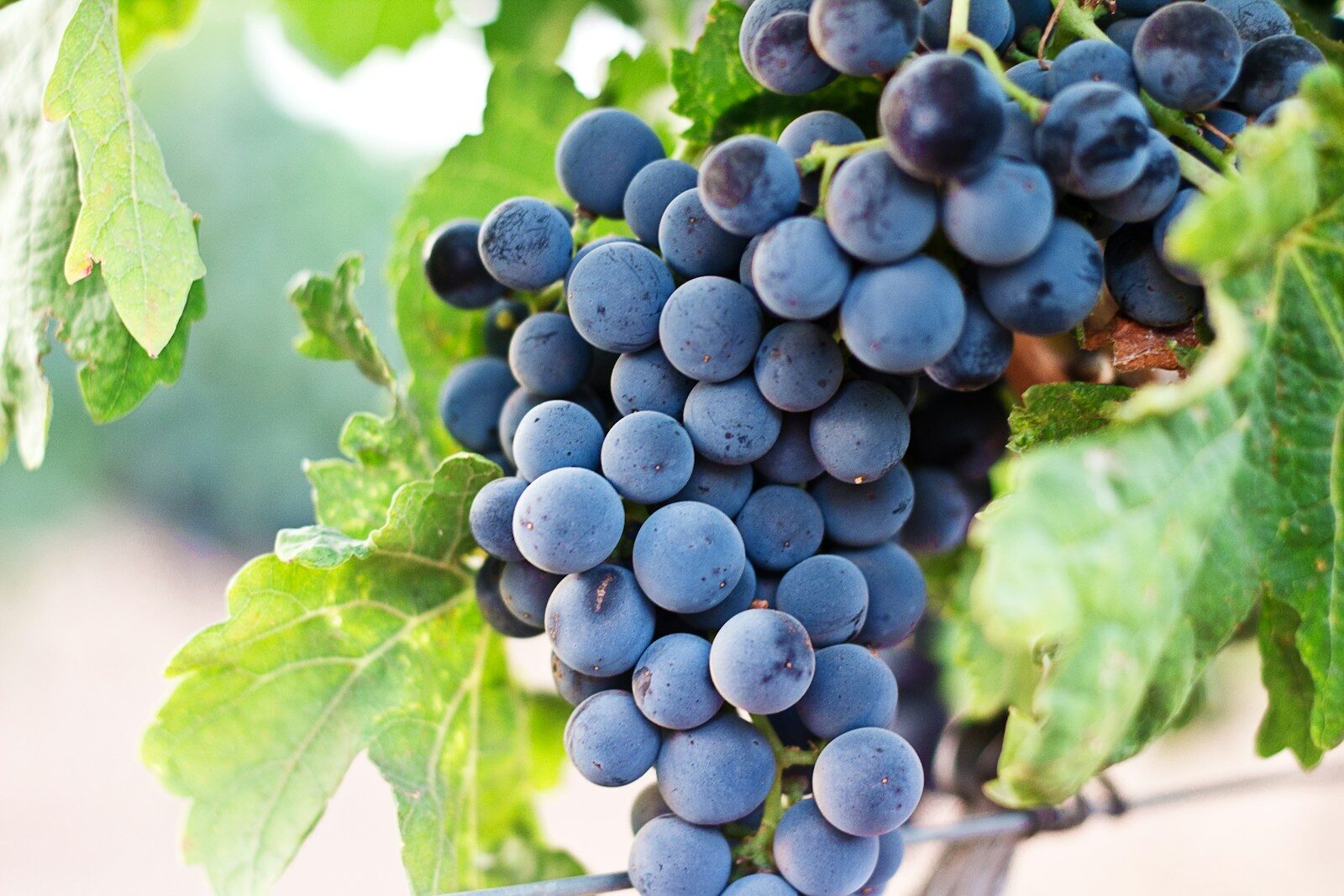
If you’ve been eyeing a bunch of grapes and second-guessing yourself, you’re not alone. Pregnancy has a way of turning even the most ordinary snack into a source of anxiety — especially when conflicting advice floods every corner of the internet.
Here’s the reassuring truth: grapes are generally safe to eat during pregnancy, and for most women, they’re a genuinely nutritious choice. That said, a few specific situations do call for some caution. This guide walks you through exactly what the research says, how to eat grapes safely, and when you might want to think twice — so you can snack with confidence.
The Short Answer
Yes, you can absolutely eat grapes during pregnancy. When they’re washed well and enjoyed in reasonable portions, they can be a tasty, hydrating, and nutrient-rich part of your prenatal menu.
Grapes contain helpful nutrients like vitamin C, vitamin K, potassium, and small amounts of fiber — all of which can support a healthy pregnancy diet. There’s no recommendation from major medical organizations that pregnant people should avoid grapes.
The concerns you may have read about online are real, but they’re mostly about overconsumption or very specific health circumstances — not everyday moderate eating. As one OB-GYN with over 35 years of experience puts it, “If eaten in moderation as part of a balanced diet, grapes are generally tolerated well during pregnancy.”
Pro Tip: A good rule of thumb is about 1 cup (roughly 15–20 grapes) per day. Pair them with protein like cheese, nuts, or yogurt to keep blood sugar stable and energy levels steady.
Why It’s Safe — With a Few Caveats
Grapes earn their place in a pregnancy diet thanks to a genuinely impressive nutritional profile. They pack several nutrients that both you and your baby need: vitamin C supports immune health and helps your body absorb iron — important since many pregnant women struggle with low iron levels — and also aids in tissue repair and wound healing. Vitamin K plays a role in normal blood clotting and bone development, and your growing baby needs this for proper skeletal formation.
Grapes also contain folate, a B vitamin that helps prevent neural tube defects in early pregnancy, and potassium, which helps regulate blood pressure — something that can fluctuate significantly during pregnancy, especially in the third trimester.
One of the standout benefits is immune support. Grapes contain antioxidants such as flavonol, linalool, tannin, and more that help boost the mother’s immune system, strengthening pregnant mothers against unwanted diseases and allergies.
The caveats? They’re worth knowing, but they’re manageable. Concerns you may see online tend to be about natural sugar content (which matters most for those with gestational diabetes), pesticide residues (which can be reduced by proper washing), and resveratrol in very high supplemental doses — but not the small amounts found naturally in grapes.
Key Insight: Grapes contain resveratrol — a natural antioxidant found in the skin. At normal food amounts, this is not a concern. The worry applies to high-dose resveratrol supplements, not the fruit itself.
Hydration is another quiet benefit worth mentioning. Like many fruits, grapes have a high water content — more than 80% water — so they can contribute to your fluid intake. Staying hydrated helps support healthy blood volume, digestion, and temperature regulation during pregnancy.
You can also find more detail on foods and beverages to avoid during pregnancy to build a fuller picture of your prenatal diet.
What the Research Actually Says
Much of the alarm around grapes during pregnancy traces back to concerns about resveratrol and pesticide residues. Here’s what the evidence actually shows.
Current research and expert reviews note that resveratrol is a natural plant compound found in grapes and grape products, but the safety of high-dose resveratrol supplements in pregnancy is not established. However, normal food-level amounts of grapes have not been shown to harm pregnancy, and virtually every public health expert encourages eating fruits during pregnancy.
On the pesticide question, the data is reassuring. The USDA Pesticide Data Program monitors pesticide residues on produce each year, including grapes. Their latest summary reports that more than 99% of samples overall have residues below the safety benchmarks set by the EPA.
The nutrients in grapes can help to aid the biological changes that occur during pregnancy. They contain immune-boosting antioxidants, such as flavonol, tannin, linalool, anthocyanins, and geraniol, which also help prevent infections.
Grapes contain many types of antioxidants, which may benefit both you and your baby. Antioxidants boost immunity and promote healing. They may also reduce your risk of pregnancy complications, including preeclampsia and fetal growth restriction, and may even reduce the risk of miscarriage.
For a broader look at how powerful antioxidants and nutrients support overall health, it’s worth understanding how these compounds work at a cellular level.
Important Note: The research concerns about resveratrol apply specifically to concentrated supplements — not to eating a cup of fresh grapes. If you’re taking a resveratrol supplement alongside eating grapes regularly, talk to your doctor about adjusting that combination.
How to Do It Safely
Eating grapes during pregnancy is less about restriction and more about smart habits. Here’s exactly how to do it right across all three trimesters.
Safe Portions
A small bowl of about 1 cup (roughly 15–20 grapes) a day is considered safe for most pregnant women. Always balance with other fruits, proteins, and whole grains in your diet.
Prep and Food Safety
- Wash thoroughly: Buy fresh, organic grapes when possible, and always wash and clean the grapes thoroughly under running water to remove potential pesticide or insecticide residue.
- Soak for extra cleanliness: Soaking grapes in a mix of water and vinegar or baking soda provides extra cleanliness, especially for grapes, apples, and berries.
- Skip moldy ones: It is better not to eat grapes with spots of mold on them as they can be contaminated.
- Avoid fermented or old grapes: Fermented or old grapes can cause digestive discomfort or, in rare cases, contain harmful bacteria.
- Pair with protein or healthy fats: Pairing grapes with protein and/or healthy fats (like cheese, nuts, or yogurt) can help keep energy more stable and may blunt blood sugar spikes.
Trimester-by-Trimester Guide
First Trimester: Grapes can be consumed during the first trimester to help with fatigue, and they are rich in folates, which are useful for avoiding neural tube complications. However, be aware that grapes can sometimes cause acidity due to tartaric acid — stick to eating them after a meal rather than on an empty stomach.
Second Trimester: The second trimester is a good time to eat grapes. They are important for healthy bones and aid circulation for the benefit of both the mother and the baby, and this trimester is considered a perfect time because they contain so many needed nutrients.
Third Trimester: In the last three months of pregnancy, grapes can help reduce swelling and promote digestive health. However, as the baby gains more weight during this time, be mindful of portion size to avoid consuming too many extra calories.
For context on how your overall diet shapes pregnancy outcomes, you may also want to explore whole plant-based foods and how they complement a prenatal eating plan.
Pro Tip: Eat grapes earlier in the day rather than right before bed. Their natural acidity can contribute to heartburn, which is already more common during the third trimester.
When to Avoid Them Completely
For most healthy pregnancies, grapes are a green light. But there are a handful of situations where you should either skip them entirely or consult your healthcare provider first.
Gestational Diabetes
If you have gestational diabetes, pay attention to how grapes fit into your meal plan. Grapes contain natural sugars and about 16 grams of carbohydrates per cup, which can affect blood sugar levels. Grapes can usually still fit in a gestational diabetes meal plan, but you may be advised to keep to a small handful, avoid eating them alone as a snack, and favor lower-glycemic fruits more often, like berries.
Known Grape Allergy
Some pregnant mothers might develop an allergy to grapes. Eating grapes in such a situation can cause allergic reactions such as swollen tongue, vomiting, rashes, and itching. To avoid any risks, make sure to get a medical test for possible allergies during pregnancy.
Digestive Sensitivity
If you notice bloating, gas, or diarrhea after eating grapes, reduce your intake or switch to other fruits. The thick skin of red and black grapes can be difficult to digest for pregnant women, and excessive consumption can cause diarrhea.
Resveratrol Supplement Use
Eating too many grapes while taking a resveratrol supplement means combining two concentrated sources of the compound. If you are taking a supplement that contains resveratrol, it is especially important not to eat too many grapes, as this combination may affect fetal development. Grape seed or resveratrol supplements should be avoided during pregnancy unless specifically prescribed, as concentrated forms can affect hormone levels.
Food Safety Concerns
If you cannot wash grapes properly or they’re from an unreliable source, skip them until you can ensure safety.
For a full overview of what to steer clear of during pregnancy, check out this resource on foods and beverages to avoid during pregnancy.
Common Mistake: Many people assume that because grapes appear on some “avoid during pregnancy” lists, they must be dangerous. The reality is that those concerns are largely about overconsumption or specific health conditions — not a small daily handful of well-washed grapes.
Quick Reference Chart
| Situation | Status | Notes |
|---|---|---|
| Fresh grapes, washed, ~1 cup/day | ✅ Safe | Recommended portion for most healthy pregnancies |
| First trimester | ✅ Safe | Eat after meals to avoid acidity; supports folate intake |
| Second trimester | ✅ Safe | Excellent time to enjoy grapes; supports bone and circulation health |
| Third trimester | ✅ Safe (with portion awareness) | Watch portions; can help with swelling and digestion |
| Red/black grapes | ✅ Safe in moderation | Higher antioxidants, but thicker skin — eat in moderation |
| Organic grapes | ✅ Preferred | Lower pesticide exposure; still wash thoroughly |
| Gestational diabetes | ⚠️ With Caution | Small portions only; pair with protein; consult your doctor |
| Digestive sensitivity | ⚠️ With Caution | Reduce intake if you notice bloating, gas, or diarrhea |
| Taking resveratrol supplements | ⚠️ With Caution | Avoid combining high-dose supplements with regular grape intake |
| Grape allergy (confirmed) | ❌ Avoid | Risk of allergic reaction; avoid completely and consult your doctor |
| Unwashed grapes | ❌ Avoid | Pesticide and bacteria risk; always wash before eating |
| Fermented or moldy grapes | ❌ Avoid | Risk of harmful bacteria; discard any spoiled fruit |
| Grape juice (commercial) | ⚠️ With Caution | Often high in sugar and low in fiber; whole fruit is a better choice |
| Grape seed/resveratrol supplements | ❌ Avoid | Not established as safe in pregnancy; skip unless prescribed |
Want to dive deeper into pregnancy-safe nutrition? These resources on superfoods for a healthy heart and foods that boost brain health are worth a read, since both cardiovascular and cognitive support matter during pregnancy.
Frequently Asked Questions
Can I eat grapes every day during pregnancy?
Yes, grapes can be eaten during pregnancy, but the quantity and frequency matter across trimesters. Each stage of pregnancy has unique nutritional needs, and grapes can support hydration, digestion, and immunity when consumed mindfully. Stick to about 1 cup per day as part of a varied fruit intake.
Are green, red, or black grapes best during pregnancy?
Eating black or red grapes in pregnancy is beneficial for health as they contain more antioxidants than green grapes. However, their thicker skin can be harder to digest, so moderate your portions accordingly. All varieties are safe when washed and eaten in reasonable amounts.
Can grapes cause a miscarriage?
There is no credible evidence that eating grapes in normal food amounts causes miscarriage. There is no recommendation from major medical organizations that pregnant people should avoid grapes. The miscarriage concerns you may find online are not supported by current mainstream medical guidance for typical grape consumption.
What about grape juice during pregnancy?
While fresh grapes are safe, grape juice is often high in sugar and lacks fiber. If you enjoy grape juice, opt for small amounts of 100% juice with no added sugar, and always prefer whole grapes for the added fiber and lower glycemic impact.
Is it safe to eat grapes in the first trimester?
Grapes are safe to eat in the first trimester when washed properly and consumed in moderate portions. They can even help with first-trimester fatigue and are rich in folates, which help prevent neural tube complications.
Can I eat raisins (dried grapes) during pregnancy?
If you like eating dried grapes (raisins), you should eat them in moderation. Keep in mind that drying concentrates the sugars significantly, so a small portion goes a long way. They’re a convenient iron-rich snack but shouldn’t replace fresh fruit as your primary choice.
Should I buy organic grapes during pregnancy?
Organic is the preferred option when available. Buying organic fruit ensures that it has not been exposed to fertilizers and pesticides that could damage its quality. If organic fruit is not an option, non-organic fruit is still better than eliminating fruit from the diet altogether. Just be sure to wash all grapes — organic or not — thoroughly before eating.
Pregnancy nutrition is one piece of a much bigger picture. For more guidance on building a nourishing diet during this time, explore resources on fibroid healing foods, foods that support liver function, and foods for healthy skin — all of which tie into the kind of whole-body wellness that supports a healthy pregnancy.
This information is for educational purposes only and is not intended as medical advice. Always consult with a qualified healthcare professional before making changes to your diet during pregnancy.