
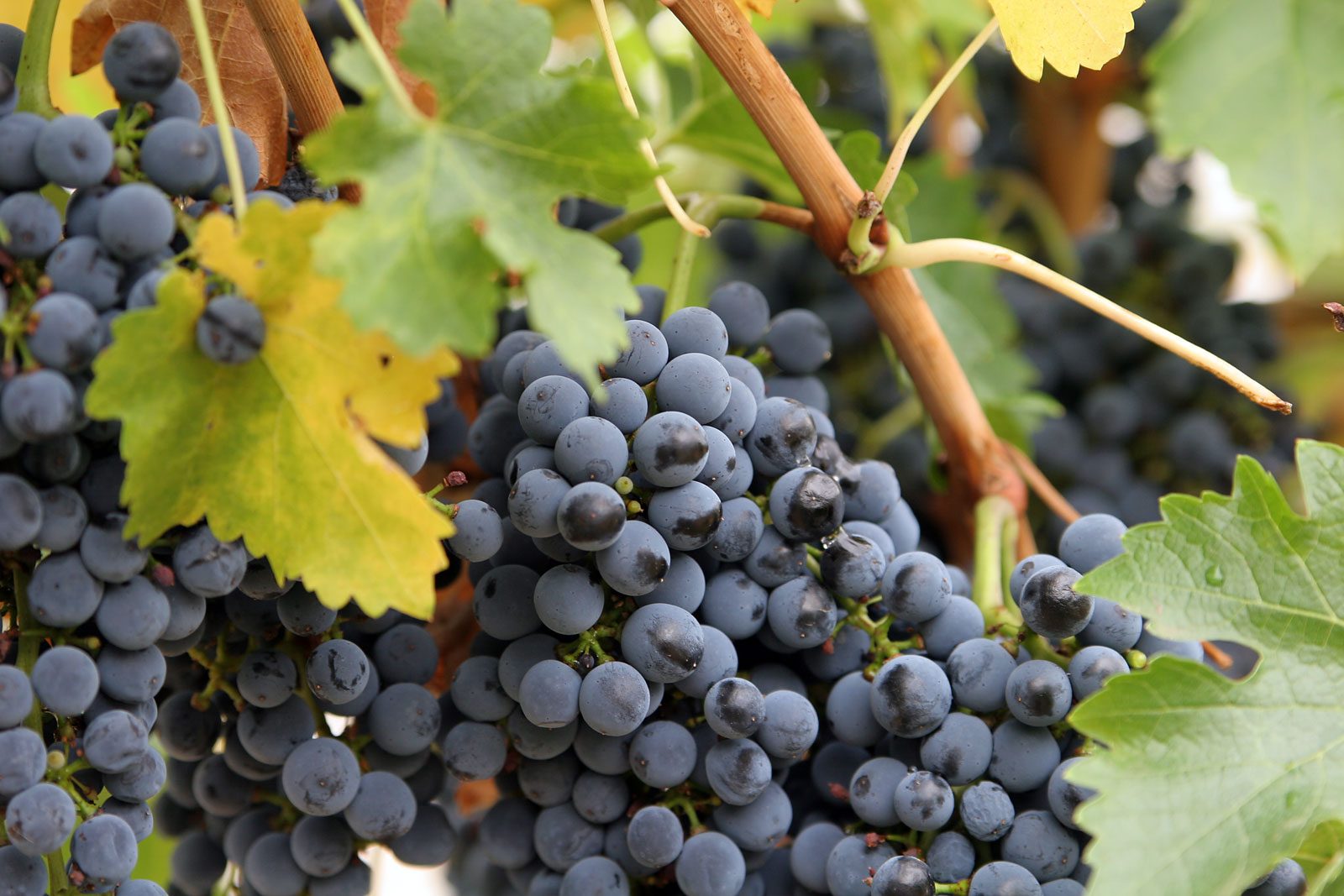
Grapes are one of those fruits you buy in bulk at the grocery store — and then suddenly have way too many before they start to shrivel. If you’ve ever wondered whether you can freeze grapes to extend their life, the answer is yes, and it’s easier than you might think.
Whether you’re stocking up during a sale at Costco, saving a bumper crop from your backyard vines, or just trying to cut down on food waste, freezing grapes is a practical solution. This guide covers everything from how to do it correctly to what you can actually make with them afterward.
Can You Freeze Grapes?
Grapes can indeed be frozen, and they make a convenient and refreshing snack when stored this way. Freezing grapes helps preserve their freshness and flavor, making it possible to enjoy them long after their typical shelf life has passed.
Whether you prefer green, red, or black grapes, all varieties can be frozen successfully. Seedless grapes are often preferred for freezing because they are easier to eat once defrosted. If you do have seeded grapes, simply cut them in half and remove the seeds before freezing.
Freezing doesn’t have a significant impact on the nutritional value of grapes. The vitamins, minerals, and antioxidants they contain — such as vitamin C and polyphenols — generally remain intact through the freezing process. That makes frozen grapes a genuinely healthy option for snacking, not just a convenient one. If you want to explore other nutrient-dense foods worth keeping on hand, check out these powerful nutrients and foods that fight cancer.
Pro Tip: Always sort through your grapes before freezing. Discard any that are damaged, overripe, or already starting to shrivel — only freeze grapes in their best condition for the best results.
Does Freezing Change the Texture or Taste of Grapes?
Yes — and knowing exactly what changes will help you use frozen grapes in the right way. When you freeze a grape, the water inside it expands and forms ice crystals. These crystals can rupture the cell walls of the fruit. This is why a thawed grape will never have the same crisp “snap” as a fresh one — it will be much softer and squishier.
The flavor story is more nuanced. Many people perceive frozen grapes as tasting sweeter. The cold temperature numbs some taste receptors, allowing the sugary notes to stand out more prominently. Eaten frozen, they have a wonderful sorbet-like consistency that is firm yet easy to bite into.
Frozen grapes have a different texture — more like a sorbet or frozen treat. The flavor becomes slightly more concentrated and sweeter because the cold temperature dulls the sourness of some grape varieties. Once thawed, however, the texture softens considerably. The texture may change from firm and juicy to somewhat mushy, depending on the grape variety and how long they’ve been frozen. This change in texture can make thawed grapes less appealing for eating raw, but they’ll still be ideal for smoothies or baking.
The bottom line: eat them straight from the freezer for a snack, or use them thawed in recipes where soft texture is fine.
How to Freeze Grapes the Right Way
The key to freezing grapes well is a technique called flash freezing — spreading them out individually before bagging them. This prevents a solid frozen clump you can’t portion later.
- Wash thoroughly. Wash your fresh grapes to remove any residual dirt or debris. The easiest way is to put them in a colander in the sink and let the water run over them.
- Remove stems and dry completely. Take out any stems, wash the grapes thoroughly, and allow them to dry. Excess moisture on the skin leads to ice buildup and affects the final texture.
- Arrange in a single layer. Line a baking sheet with parchment paper, remove the stems from the grapes, and place them on the baking sheet in a single layer.
- Flash freeze. Place the baking tray in the freezer for 2–24 hours to freeze the grapes. This ensures that the grapes freeze individually, as opposed to forming one giant clump.
- Transfer to a freezer bag. Transfer the frozen grapes to a zip-top bag or an airtight container for long-term storage. Squeeze out as much air as possible before sealing.
- Label with the date. Always label your storage bags or containers with the date so you can keep track of how long they’ve been in the freezer. This helps you avoid keeping them frozen too long and allows you to use the oldest batches first.
Pro Tip: Make sure your grapes are completely dry before they go on the baking sheet. Even a little surface moisture will cause extra ice crystals to form, which speeds up texture degradation over time.
How Long Can You Freeze Grapes?
Frozen grapes can last about 10–12 months. Grapes can remain safe to eat in the freezer indefinitely as long as the freezer maintains a consistent 0°F (-18°C). However, their quality — taste, texture, and color — will start to decline after about a year.
When stored properly in the freezer, grapes can last for up to 12 months. For the best taste and texture, it’s recommended to use them within 6–8 months. Over time, frozen grapes may lose some of their firmness and may develop slight changes in flavor due to prolonged exposure to air or moisture.
| Storage Method | Estimated Shelf Life | Notes |
|---|---|---|
| Room temperature | 2–4 days | Ripens and deteriorates quickly |
| Refrigerator | 1–2 weeks | Store in a perforated bag for air circulation |
| Freezer (best quality) | 6–8 months | Peak flavor and texture window |
| Freezer (safe to eat) | Up to 12 months | Quality declines but remains safe at 0°F |
Grapes can be frozen for 10–12 months when packaged properly. The key is removing as much air as possible and using freezer-safe containers or bags.
How to Thaw Frozen Grapes
How you thaw grapes depends on what you plan to do with them. In most cases, you won’t need to thaw them at all.
It is more common to eat frozen grapes while they’re still frozen, which gives them a sorbet-like texture that is especially appealing in warmer months. For a sorbet-like consistency, let frozen grapes sit for a minute or two after taking them out of the freezer; otherwise, they’ll be as hard as ice cubes.
If you do need to thaw them for a recipe, the refrigerator method is best. Simply transfer the desired amount from the freezer to the refrigerator and let them thaw for a few hours or overnight. For a quicker option, you can place them in a bowl at room temperature for about 30 minutes to an hour. Keep in mind that once thawed, the grapes will be softer, so they are best used in recipes or dishes where this texture change is acceptable.
Important Note: Only thaw what you plan to use right away. Once grapes are thawed, they should not sit out for more than two hours, and they won’t hold their texture if left at room temperature for an extended period.
Can You Refreeze Grapes After Thawing?
Technically it’s possible, but it’s not a good idea — and in some cases it’s unsafe. Grapes are naturally juicy, and when frozen, the water inside them expands. Upon thawing, this ice causes the cell walls of the grapes to rupture, resulting in a mushy texture. When refrozen, the grapes will undergo this process again, and with each cycle, the texture will degrade further, making them less suitable for raw consumption.
One of the most common mistakes is thawing grapes at room temperature for too long. The USDA advises that perishable foods should not be left out for more than two hours. Leaving grapes out for too long can promote the growth of harmful bacteria, which makes refreezing unsafe.
If grapes have been thawed in the refrigerator and kept at a safe temperature (below 40°F or 4°C), then they can be safely refrozen — but expect a significant drop in quality. Refreezing grapes can lead to a loss of flavor. While freezing grapes slows down the degradation of their taste, the refreezing process may cause them to lose some of their natural sweetness and crispness.
The practical advice: flash freeze in small, portion-sized batches so you only pull out what you need at a time. That way, refreezing never becomes necessary.
How to Use Frozen Grapes (Best Uses After Freezing)
Frozen grapes are more versatile than most people realize. Whether you eat them straight from the freezer or blend them into something else, here are the best ways to put them to work.
- Frozen snack: A bowl of frozen grapes is a healthy, hydrating, and refreshing snack, especially on a hot day. They taste like little bites of natural sorbet — a fantastic way to satisfy a sweet tooth without reaching for candy.
- Smoothies: Add frozen grapes directly to your blender for a naturally sweet and frosty smoothie. They work especially well paired with spinach, banana, or Greek yogurt for a filling breakfast.
- Chilled drinks: You can freeze grapes to drop into your favorite beverage, keeping it cool without diluting the flavor. Once the drink is finished, enjoy the burst of sweetness from the semi-thawed grapes, now infused with the drink’s flavor. For an adult treat, drop a few frozen grapes into your glass of chilled white wine or in a fruity cocktail. The grapes will add a bit more sweetness and act as ice cubes, keeping your drink cold longer.
- Dessert toppings: Use thawed grapes as a topping for ice cream, yogurt, or in fruit salads. Varieties like cotton candy grapes taste much sweeter, so they’re ideal for naturally sweetening desserts.
- Jams and sauces: Thawed grapes are too soft for eating but work well in jams, sauces, or smoothies. Their soft, broken-down texture is actually an advantage in cooked applications.
Grapes are also a great addition to a diet focused on overall wellness. If you’re interested in how fruit and other whole foods support your health, explore this guide on whole plant-based foods or this overview of superfoods for a healthy heart.
Signs That Frozen Grapes Have Gone Bad
Frozen grapes rarely become unsafe to eat, but their quality can decline to the point where they’re no longer worth using. Here’s what to look for before you eat them.
- Heavy freezer burn: Freezer burn is simply a form of dehydration that occurs when frozen food is exposed to air. The affected areas might look white or grayish and taste dry or “cardboard-like,” but they won’t harm you. To minimize waste, you can trim off any heavily freezer-burned spots or use those grapes in a smoothie where the textural changes won’t be noticeable.
- Unpleasant smell: Give them a sniff. If they have absorbed the odors of other foods in your freezer (like fish or onions) or have a general “off” freezer smell, it’s best to toss them.
- Extreme mushiness after thawing: If you thaw a few and they immediately turn to complete mush, they’ve likely been in the freezer for too long or experienced temperature fluctuations.
- Significant discoloration: If your green grapes have turned a brownish color or red grapes look dull and pale, their quality has declined.
- Mold or sliminess: Check the frozen grapes for any visible signs of spoilage, such as mold or sliminess. If they smell sour or unpleasantly sweet, it’s best to err on the side of caution and discard them.
The best prevention is proper storage from the start. Always make sure the grapes are stored in an airtight container or freezer-safe bag. The goal is to prevent air and moisture from getting in, which could cause freezer burn.
Eating a wide variety of fresh and properly stored fruits is one of the simplest ways to support your health. For more ideas on foods that work hard for your body, see this list of foods that promote healthy eyesight or this guide to foods for healthy skin.
Frequently Asked Questions
Can You Freeze Grapes on the Stem?
You can freeze grapes on the stem, and they will detach easily even when fully frozen. However, freezing grapes on the stem will take up more space in your freezer and can lead to uneven freezing. For best results, remove the stems before freezing.
Are Frozen Grapes Safe for Kids?
Frozen whole grapes are a choking hazard for young children. Always cut grapes into smaller pieces before serving them to toddlers or young kids, whether fresh or frozen. Frozen grapes are a healthy snack perfect for kids wanting a refreshing treat on hot days or at any time of year — just size them appropriately for the child’s age.
Do Frozen Grapes Lose Their Nutrients?
Freezing grapes does not significantly affect their nutritional content. While some water-soluble vitamins might be slightly reduced, the overall nutritional profile remains largely intact. They remain a good source of antioxidants and natural sugars after freezing. For a deeper look at how food choices affect your health, check out this article on fibroid healing foods.
Which Grape Variety Freezes Best?
Whether you prefer green, red, or black grapes, all varieties can be frozen successfully. Seedless grapes are often preferred for freezing because they are easier to eat once defrosted. Red and black grapes tend to be sweeter frozen than green. Cotton candy grapes are a popular choice in the US for their intensely sweet flavor when frozen.
Can You Freeze Grapes in a Ziploc Bag Without Flash Freezing First?
You can, but the grapes will likely freeze into a solid clump that’s hard to portion. Freezing grapes in a Ziploc bag is a convenient and simple method, and by placing the grapes in a freezer Ziploc bag, you not only preserve their freshness but also ensure they don’t get freezer burn — as long as you squeeze out the air. Flash freezing them on a tray first, however, gives you much more flexibility when it comes time to use them.
How Long Do Fresh Grapes Last in the Fridge?
To extend the lifespan of fresh grapes, store them in the refrigerator. Place the grapes in a perforated bag or container to allow for proper air circulation, which prevents moisture buildup and decay. The cool temperature slows down the ripening process, delaying spoilage. By following this method, fresh grapes can typically be kept for up to two weeks.