Can You Freeze Pasta Salad with Cheese? What Actually Happens

November 12, 2026
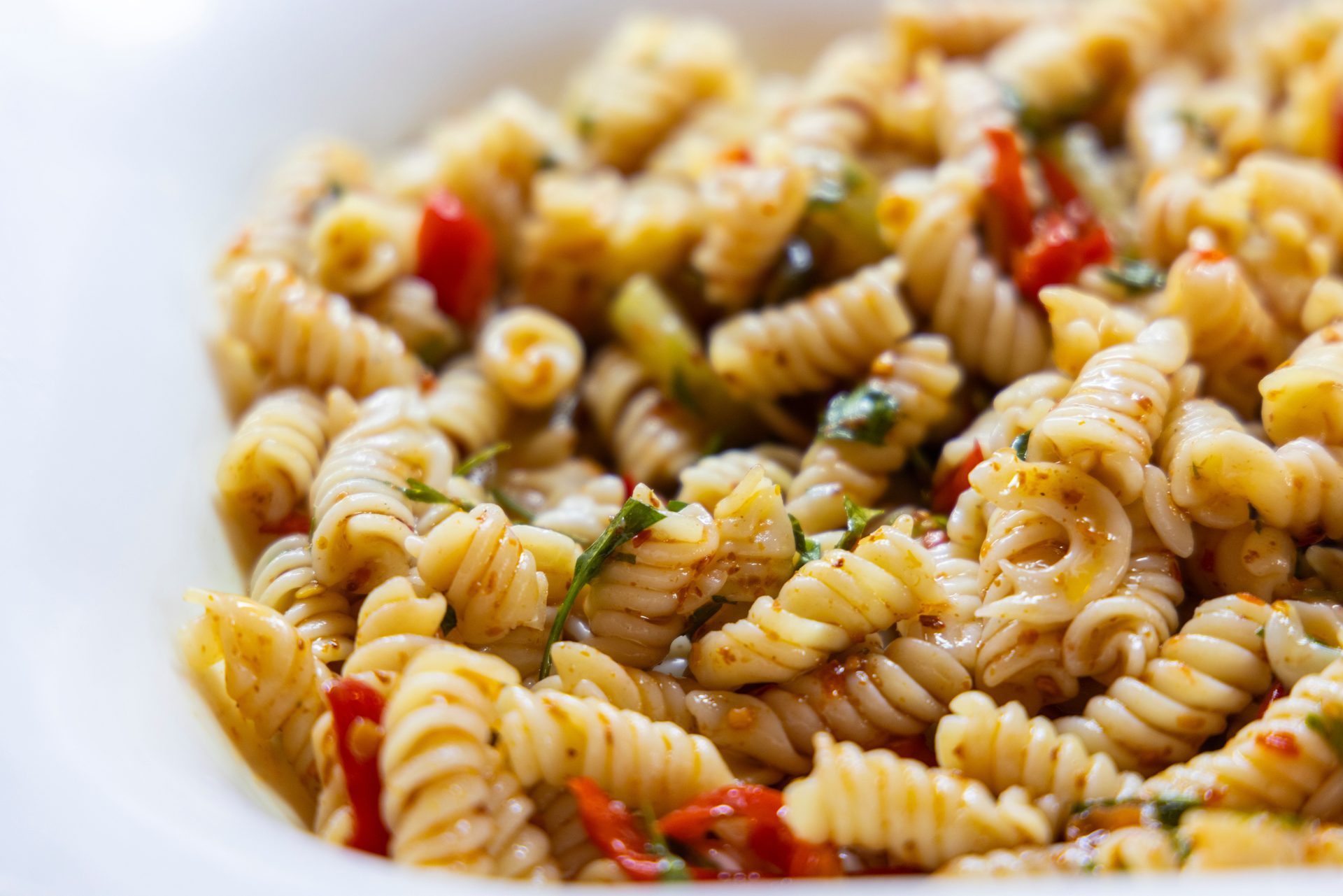
Pasta salad is one of those dishes that almost always gets made in bulk — a big bowl for a cookout, a potluck, or a week of lunches. Then you’re left staring at the leftovers, wondering if the freezer is a realistic option. The short answer is yes, you can freeze pasta salad, but the cheese complicates things.
Whether your recipe uses shredded mozzarella, crumbled feta, or a creamy parmesan dressing, each type of cheese behaves differently in the freezer. Some hold up reasonably well; others turn grainy, watery, or separate entirely. This guide walks you through exactly what to expect and how to get the best possible results.
Can You Freeze Pasta Salad with Cheese?
Technically, yes — but the outcome depends almost entirely on which type of cheese is in your recipe. Dairy products carry a high risk of fat separation in the freezer, which means they become mushy and lose quality once defrosted. That said, not all cheeses behave the same way.
It is best to avoid freezing dairy products in general because of fat separation — they will become mushy and not taste as good once defrosted. Harder cheese slices and shavings will be safer, though their texture may still suffer a little. So a pasta salad loaded with shaved aged parmesan or firm provolone has a better shot than one built around cream cheese or fresh ricotta.
You can freeze hard cheese if you grate it first, since blocks of cheese will crumble. Do not freeze cream cheese or cottage cheese, as they will become watery when you thaw them.
Pro Tip: If your pasta salad uses cream cheese or a cheese-based creamy dressing, freeze the pasta and mix-ins separately and stir in the cheese component fresh after thawing. The texture difference is dramatic.
The type of dressing matters just as much as the cheese. Pasta salads made with thin, oil-based dressings — such as most Mediterranean pasta salads — hold up reasonably well in the freezer. Pasta salads made with a creamy or mayonnaise-based dressing will not freeze nearly as well. The texture and taste of mayo or dairy-based dressings change after thawing: they split and become grainy, and once they are part of a pasta salad, it is hard to restore the texture.
If you want to explore serving ideas for pasta salad before committing to a big batch, check out what to serve with pasta salad for pairing ideas that help you use it up fresh first.
Does Freezing Change the Texture or Taste of Pasta Salad with Cheese?
Yes — and you should go in with realistic expectations. Freezing changes the texture of nearly every component in a pasta salad, and cheese is one of the most vulnerable ingredients.
When it comes to pasta salad ingredients to avoid freezing, think of dairy products. When you freeze dairy products, you will get fat separation, which can cause a mushy, slushy texture and a bad taste. Soft cheeses like cream cheese, cottage cheese, and ricotta are the worst offenders. Cooked pasta salads that contain creamy ingredients like cream cheese will not freeze well, because those ingredients essentially consist of water and fat — two elements that separate extremely quickly.
The pasta itself also softens during freezing. Al dente pasta freezes best. Pasta naturally absorbs moisture, so if it was overdone to begin with, you may get mushy pasta when you defrost your leftovers. Combine that with a watery, separated cheese sauce and you have a very different dish from what you started with.
Vegetables add another layer of texture risk. High-water-content vegetables like cucumbers, tomatoes, and bell peppers release moisture when frozen, leading to a soggy result upon thawing. Blanching or lightly cooking these vegetables before adding them to the salad reduces their water content. Alternatively, omit them entirely and add fresh vegetables after thawing.
Key Insight: The more components you can add fresh after thawing — cheese, dressing, raw vegetables — the closer your pasta salad will taste to the original.
For pasta salads that include seafood alongside cheese, see what to serve with seafood pasta for ideas on how to build and serve those dishes fresh.
How to Freeze Pasta Salad with Cheese the Right Way
Getting good results from frozen pasta salad is mostly about preparation before the salad goes into the freezer. Follow these steps to protect texture and flavor as much as possible.
- Cook pasta al dente. Cook the pasta al dente — make sure it is very firm but still edible when you stop cooking. When you reheat or thaw the pasta, it will be softer, so freezing al dente pasta ensures it does not get mushy.
- Cool everything completely before freezing. Before you freeze your leftovers or prepped pasta salad ingredients, make sure everything has cooled down. Any heat will create condensation, which leads to soggy ingredients.
- Separate your components. Package the liquid ingredients of the pasta salad separately from the pasta, vegetables, and other mix-ins. Thaw all ingredients and mix in liquid ingredients no more than a couple of hours before serving. This keeps the pasta from absorbing all of the liquid and getting mushy during freezing and thawing.
- Handle cheese carefully. If using cheese, consider adding it after thawing, as freezing can alter its texture. If you do freeze cheese, grate hard cheeses first. Skip cream cheese, cottage cheese, and soft fresh cheeses entirely — add those after thawing.
- Use airtight, freezer-safe containers. Portion the pasta salad into airtight containers or heavy-duty freezer bags, removing as much air as possible. This prevents freezer burn, which introduces off-flavors over time.
- Label with the date. Always label your frozen pasta salad with the date it went in the freezer. This makes it easy to track how long it has been stored and whether it is still within the recommended window.
Pro Tip: Use pasta shapes with larger surface areas, such as fusilli or penne. These hold up better during freezing than thin noodles like spaghetti.
If you ever need to ship frozen pasta salad or other frozen foods, how to ship frozen food covers the proper packaging and insulation methods to keep it safe in transit.
How Long Can You Freeze Pasta Salad with Cheese?
The freezer life of pasta salad with cheese depends on which components are frozen together and which are kept separate.
| What You’re Freezing | Recommended Freezer Life | Notes |
|---|---|---|
| Pasta only (no dressing, no cheese) | Up to 2 months | Best results; add cheese and dressing after thawing |
| Pasta + oil-based dressing + hard cheese | 1–2 months | Texture may still soften slightly |
| Fully assembled salad with soft cheese or creamy dressing | 1–2 weeks | Quality declines quickly; fridge is a better option |
| Fully assembled salad with cream cheese or mayo dressing | Not recommended | Fat separation makes texture unpleasant after thawing |
If frozen correctly, pasta salad can last up to three months. However, the sooner you use it, the less the taste and texture will be affected. Using your pasta salad within a month of freezing is the better approach.
For best results, consume frozen pasta salad within one to two months. Beyond this point, quality declines significantly, with textures becoming soggy and flavors dulling.
If freezing is not practical for your recipe, refrigeration is a solid alternative. When stored correctly in an airtight container, pasta salad can last up to five days in the refrigerator — which may be a better option for recipes with cream cheese or heavy dairy dressings.
How to Thaw Frozen Pasta Salad with Cheese
Thawing properly is just as important as freezing correctly. The wrong thawing method can undo all the preparation work you did upfront.
Refrigerator thawing is the safest and most recommended method. Transfer the pasta salad from the freezer to the refrigerator 24 hours before serving to thaw gradually. Avoid room-temperature thawing, as it increases the risk of bacterial growth.
Cold-water thawing works when you need it faster. Submerge the sealed container of frozen pasta salad in a bowl of cold water, changing the water every 30 minutes to maintain a consistent temperature. This reduces thaw time to two to three hours for smaller portions. However, the water temperature must stay below 70°F (21°C) to prevent partial cooking or bacterial growth.
Never use hot water or microwave thawing, as both can alter textures — such as causing mushy pasta — and compromise food safety.
Once thawed, allow everything to thaw in the fridge and then reassemble or mix together. This takes a bit longer than thawing on the counter, but it is safer and prevents the growth of harmful bacteria. There is no need to reheat anything unless you prefer your pasta salad slightly warm.
For reference on safe cold-food storage temperatures in general, see how cold a refrigerator needs to be to keep food safe.
Can You Refreeze Pasta Salad with Cheese After Thawing?
No. Refreezing pasta salad — especially one that contains cheese — is not a good idea for either quality or safety reasons.
Refreezing is not recommended, as it further compromises texture and safety. Every freeze-thaw cycle pushes more moisture out of the pasta and accelerates fat separation in any dairy components. By the second thaw, the texture is noticeably worse.
Do not refreeze pasta salad, and eat it on the day you thaw it if possible, or within a day or two at most. Once thawed, consume within three to four days to ensure freshness.
The best way to avoid the refreezing problem is to freeze pasta salad in individual or meal-sized portions before the first freeze. That way, you only thaw what you need.
Important Note: If you thawed pasta salad on the counter rather than in the refrigerator, do not refreeze it under any circumstances. Counter-thawed food enters the bacterial danger zone (40°F–140°F) and must be eaten right away or discarded.
How to Use Frozen Pasta Salad with Cheese After Thawing
Thawed pasta salad with cheese does not always come back to its original cold-salad form, but there are several ways to use it well depending on how the texture held up.
Serve as a cold salad (best case). If you froze the pasta separately from the cheese and dressing, thaw the pasta, then add fresh cheese, dressing, and any vegetables you held back. Freeze only the non-dressed part, then add the creamy dressing after defrosting — it will taste good as new.
Turn it into a warm pasta dish. If the texture softened more than you expected, lean into it. Place the pasta salad in a steamer or a metallic bowl above a pot of boiling water. It will slowly heat the pasta, which should be fully warmed through within 10 minutes. The steaming method allows the pasta to keep its taste and texture while bringing some much-needed moisture back.
Use it as a pasta bake base. Thawed pasta with cheese works well as the foundation for a baked dish. Frozen cheese can be used to create a creamy, cheesy pasta bake — a practical option for busy nights. Add a little extra sauce or broth, top with shredded cheese, and bake until bubbly.
- Toss thawed pasta with olive oil and fresh herbs for a quick warm side dish
- Mix into a frittata or egg bake for a filling breakfast
- Add to a soup or broth-based dish where softer pasta texture is not a problem
- Use as a filling for stuffed peppers or a casserole topping
For Italian-style pasta salad specifically, what to serve with Italian pasta salad offers pairing ideas that work well whether the salad is fresh or thawed.
Signs That Frozen Pasta Salad with Cheese Has Gone Bad
Even properly frozen pasta salad can go bad, especially if it was stored too long, experienced temperature fluctuations, or contained ingredients that did not freeze well. Here is what to look for before eating.
- Off or sour smell: Any unusual or sour odor after thawing is a clear sign something has gone wrong, especially with dairy components. Discard it.
- Slimy texture: Inspect the pasta salad post-thawing for off odors, discoloration, or sliminess — these are signs of spoilage despite proper handling.
- Visible mold: Any fuzzy growth — even a small spot — means the entire container should be thrown out. Do not scoop around it.
- Extreme wateriness: Some separation from cheese or dressing is normal after thawing. But if the pasta is sitting in a pool of liquid and smells off, that combination points to spoilage rather than just textural change.
- Freezer burn: Freezer burn can take a nasty toll, leaving your defrosted meal with a strange and suspicious taste. Heavily freezer-burned sections can be trimmed if the rest looks and smells fine, but widespread freezer burn means the quality is too far gone to enjoy.
- Discoloration: Gray or brown pasta, yellowed cheese, or darkened vegetables can all indicate the food has deteriorated beyond safe eating.
When in doubt, throw it out. The cost of a batch of pasta salad is not worth the risk of foodborne illness, particularly with dairy-based ingredients involved. According to the USDA’s FoodSafety.gov , cooked pasta dishes should not be kept in the freezer beyond two months for best quality.
Frequently Asked Questions
Can you freeze pasta salad with feta cheese?
Feta is a semi-firm, brined cheese that holds up better than soft cheeses. Feta cheese is among the ingredients that can freeze reasonably well and can be mixed in with cooked pasta and frozen together. That said, the texture may become slightly crumblier after thawing, so adding it fresh after thawing gives the best result.
Can you freeze pasta salad with parmesan?
Parmesan is listed among the cheeses to avoid freezing in a pasta salad when used as a dressing component or in large pieces. However, if you grate parmesan finely and freeze it separately, it tends to hold up better and can be stirred in after thawing.
Is it better to refrigerate pasta salad with cheese instead of freezing it?
For most cheese-heavy pasta salads, yes. Pasta salad keeps roughly three to five days in the refrigerator depending on the ingredients. The benefit of refrigerating rather than freezing is that texture is not affected as much. If you plan to eat it within that window, skip the freezer entirely.
Can you freeze macaroni salad with cheese?
Macaroni salad typically uses a mayonnaise-based dressing, which does not freeze well. It is recommended to avoid freezing any sort of cheese or creamy dressing like mayonnaise or sour cream, because these dairy products tend to separate once you thaw them. If you are making a macaroni salad, make the dressing when you are ready to serve it so that it remains fresh.
How do you fix watery pasta salad after thawing?
Drain off any excess liquid, then toss the pasta with a small amount of fresh olive oil or dressing to recoat it. Add fresh cheese, herbs, or vegetables to refresh the flavor. If the texture is too soft for a cold salad, use it in a warm pasta dish or bake instead.
What pasta salads freeze the best?
Pasta salads with oil-based dressings fare better in the freezer than those with dairy or mayonnaise. Oil-based dressings remain stable during freezing, maintaining their consistency and flavor profile. Mediterranean-style pasta salads with olives, roasted peppers, and a vinaigrette are among the most freezer-friendly options. For egg salad sandwich pairings that make a great fridge-friendly alternative, see what to serve with egg salad sandwiches.