Can You Freeze Nutella? What Actually Happens and How to Do It Right

November 7, 2026
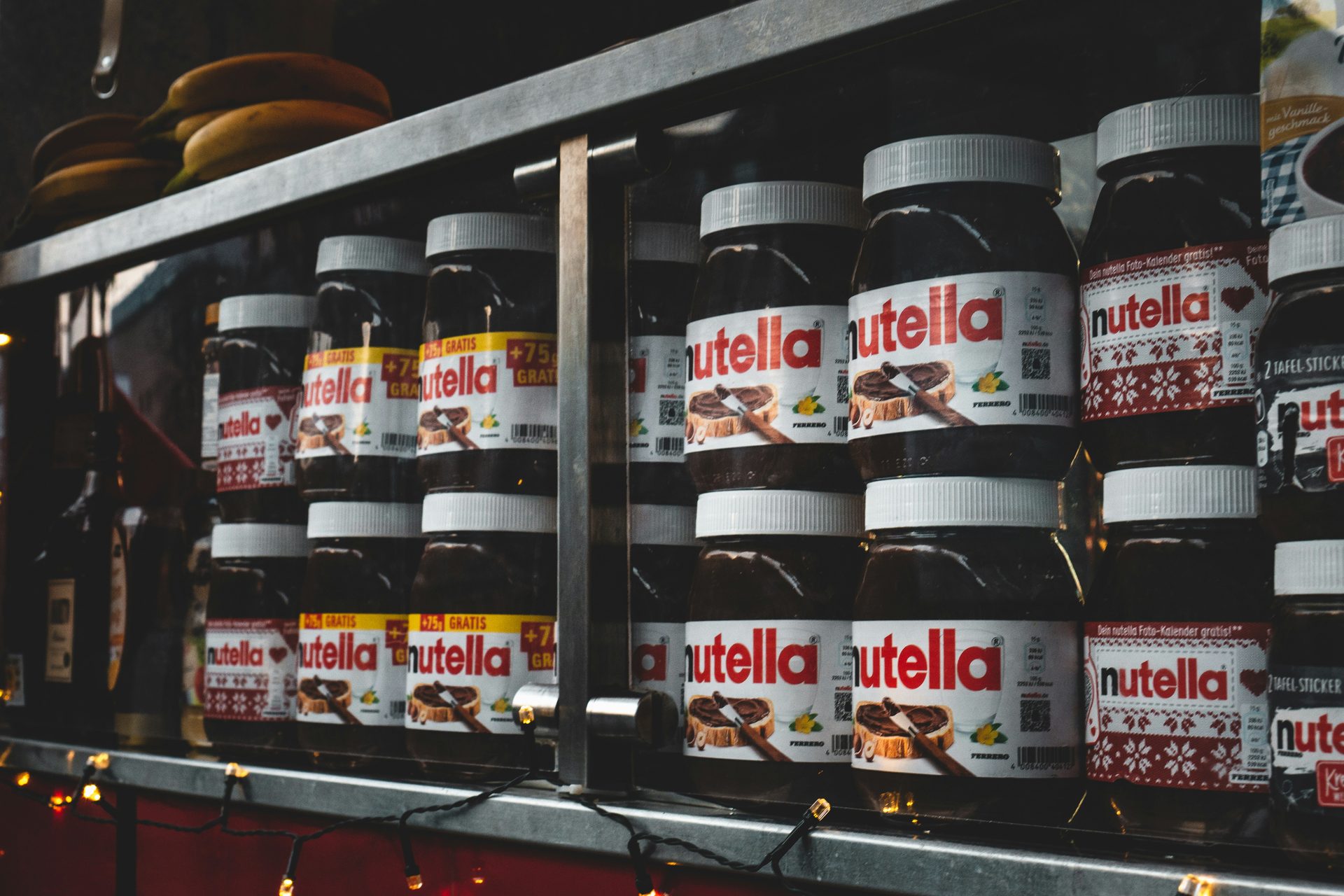
Nutella is one of those pantry staples that disappears fast — until suddenly you have three jars from a bulk sale and no idea what to do with them. If you’ve ever wondered whether you can stash a jar in the freezer to buy yourself more time, the answer is yes, with some important caveats.
Freezing Nutella is technically safe, but the spread’s unique blend of palm oil, hazelnuts, and sugar means it behaves differently in the freezer than most foods. Knowing what to expect — and how to prep it correctly — will save you from a disappointing jar of grainy, separated spread later.
This guide covers everything you need: how freezing affects Nutella’s texture and taste, the right way to freeze it, how long it keeps, how to thaw it, and the smartest ways to use it after it comes out of the freezer.
Can You Freeze Nutella?
The short answer is yes. You can freeze Nutella in its jar or in smaller portions, and the product stays safe to eat. The main trade-off is in texture and flavor.
According to Ferrero, the brand states a shelf life of about twelve months for most formats when stored in proper conditions at room temperature — which means freezing rarely stretches the usable period by much for a regular household. That said, freezing makes good sense if you bought in bulk, live somewhere with a hot kitchen, or want to portion Nutella for specific baking projects.
As Ferrero Foodservice explains, Nutella is best stored at room temperature between 64 and 72 degrees Fahrenheit. The company specifically states not to refrigerate Nutella, “otherwise it will harden and become difficult to spread.” Freezing goes further than refrigeration, so quality changes are more pronounced — but if you follow the steps below, the result is still very usable, especially for cooking and baking.
Pro Tip: If you go through a jar in a month or two, room-temperature pantry storage is almost always the better choice. Freeze Nutella only when you genuinely need to extend its life beyond what your pantry can handle.
Does Freezing Change the Texture or Taste of Nutella?
Yes, and it helps to understand why before you commit a full jar to the freezer. Chemical reactions occur within Nutella when it undergoes the freezing process. Freezing can cause changes in the structure of fats and sugars, potentially altering the taste and texture of the spread.
The fat phase reacts to cold by turning solid. This change gives frozen Nutella a dense, slightly crumbly feel until it warms back up. After thawing, some jars show a thin layer of oil on top or tiny sugar crystals.
During the freezing process, the water content in Nutella forms ice crystals. These ice crystals can disrupt the structure of fats and sugars, leading to changes in texture. The formation of ice crystals can also affect the stability of emulsifiers present in Nutella, such as lecithin, which helps keep the spread smooth and creamy.
On the flavor side, freezing Nutella can change its flavor. When it’s frozen, the natural oils in Nutella can separate a bit, which may cause the hazelnut and chocolate flavors to be less intense. The change is noticeable if you’re eating it straight from the jar, but much less so when you fold it into batter or swirl it into a recipe.
A slow thaw on the counter and gentle stirring usually bring the spread back to a usable state, especially for toast, waffles, or baking batters. The texture won’t be identical to fresh Nutella, but it will be close enough for most uses.
How to Freeze Nutella the Right Way
There are two main approaches: freezing the jar as-is or portioning the spread into smaller containers before it goes in. The right method depends on how you plan to use it later.
Method 1: Freeze an Unopened Jar
The best way to freeze Nutella is in an unopened container. Because it’s still vacuum sealed, it will keep its original texture a bit better and will be less likely to develop freezer burn. Freezing unopened Nutella is straightforward — just label the jar so you know how long it has been in the freezer, then place it in the freezer.
Note that while Nutella usually comes in a plastic jar, if it comes in a glass jar it’s recommended to transfer the Nutella to a different container before freezing. Plastic allows the Nutella to expand without breaking the container, while glass can break in the freezer.
Method 2: Freeze Opened Nutella in Portions
Portioning is the smarter move if you want to thaw only what you need at a time. Scoop Nutella into silicone ice cube trays, small muffin tins lined with paper cups, or tiny airtight containers. Level the tops so cubes sit flat. Freeze until solid, then pop them out and place them in a zip-top freezer bag, pushing out extra air before sealing.
Label the bag or containers with the date and portion size, such as “2 tbsp per cube.” This makes it easy to grab exactly what a recipe calls for without thawing a full jar.
For baking specifically, you can transfer Nutella to a piping bag or small zipper-lock bag with the tip snipped off, then pipe the Nutella into small blobs on a parchment-lined baking sheet to create Nutella chips. Nutella is made with palm oil, which doesn’t freeze as easily or quickly as the cocoa butter in chocolate, so it takes longer than expected for the chips to fully freeze.
Pro Tip: Press a layer of plastic wrap directly against the surface of the Nutella before sealing the container. This extra barrier cuts down on air exposure and reduces the risk of freezer burn significantly.
Whatever method you use, make sure the Nutella is not in direct contact with other strong-smelling foods. Nutella has a delicate flavor and can absorb odors from surrounding items, potentially altering its taste. Keeping it separate from strong-smelling foods will help preserve its original flavor.
How Long Can You Freeze Nutella?
Nutella can be safely stored in the freezer for up to six months while maintaining optimal quality. Beyond this period, while it may still be safe to consume, you might start to notice subtle changes in its texture or flavor. The key to maximizing its frozen lifespan is proper packaging to prevent freezer burn and oxidation.
Some sources suggest Nutella can last up to a year in the freezer, but quality noticeably declines past the six-month mark. Beyond six months, freezer burn will likely start as ice crystals form on and in the Nutella, which can dissolve the sugar content and ruin the texture.
| Storage Method | Estimated Shelf Life | Quality Notes |
|---|---|---|
| Pantry (unopened) | Up to 12 months | Best quality; no texture change |
| Pantry (opened) | Up to 12 months | Good quality if sealed tightly |
| Freezer (unopened jar) | Up to 6 months | Slight texture change after thawing |
| Freezer (portioned) | Up to 6 months | Best for baking; stir after thawing |
Always label your containers with the freeze date. The risk of rancidity is higher for Nutella because of its high-fat content. Nuts and oils can go bad if exposed to air or fluctuating temperatures, and freezing slows this process but does not stop it.
How to Thaw Frozen Nutella
Thawing Nutella the right way matters just as much as freezing it correctly. Rush the process and you’ll end up with a grainy, separated mess that’s hard to fix.
The easiest method is to move Nutella from the freezer to a cool spot on the counter and wait. A full jar may need half a day or more. Smaller portions usually soften within an hour. Once thawed, stir the spread slowly with a clean spoon.
The best way to defrost Nutella is to leave it on the counter in your kitchen for a few hours. If you leave it in the fridge, the fat content will still be a little solid when you come to it, making it difficult to spread.
It is best not to defrost Nutella in the microwave, as this sometimes makes the chocolate seize and makes the texture unusual. If you must use the microwave, go in 10-second bursts at low power and stir between each interval.
- Move the container from the freezer to the counter at room temperature
- Allow a full jar 4–6 hours; small portions need about 30–60 minutes
- Stir gently once thawed to recombine any separated oils
- Do not thaw in the refrigerator — the cold will keep the fats solid
- Avoid the microwave unless using very short, low-power bursts
The Nutella may separate slightly during freezing, so a post-freeze mix will make the spread more appetizing. A good stir with a clean spoon is usually all it takes to bring it back together.
Can You Refreeze Nutella After Thawing?
It’s not a great idea. It is generally not recommended to refreeze Nutella after it has been thawed. Refreezing can significantly degrade the quality of the spread, leading to further textural changes such as increased graininess and potential oil separation that is harder to rectify. Repeated freezing and thawing cycles can also introduce more moisture into the product, which can affect its stability.
To avoid this, it’s best to only thaw the amount of Nutella you intend to use in the near future. If you find yourself with partially thawed Nutella that you decide not to use immediately, it’s better to store it in the refrigerator and consume it within a few weeks rather than refreezing it.
This is the main reason portioning before freezing pays off. Freeze Nutella in portions based on the amount you need for future use — that way you never have to refreeze a partially used batch.
Key Insight: Silicone ice cube trays are ideal for portioning Nutella before freezing. Each cube holds roughly 1–2 tablespoons, which is a practical amount for single-serve baking recipes or stirring into oatmeal.
How to Use Frozen Nutella (Best Uses After Freezing)
Thawed Nutella may not be as silky-smooth as a fresh jar, but it absolutely shines in cooked and baked applications where the minor texture differences become invisible. Once thawed, spreads that feel a little thicker still shine in recipes — swirl spoonfuls into brownie batter, sandwich them between cookie dough layers, or melt them gently with a splash of milk to make a quick sauce for ice cream.
Frozen cubes drop straight into hot oatmeal, giving little pockets of chocolate hazelnut flavor as they melt. You can also blend thawed Nutella with frozen bananas or yogurt for a rich smoothie.
Frozen Nutella also works beautifully as a baking mix-in. Freezing Nutella allows you to incorporate it into cookie dough without it totally smearing through and transforming it into chocolate-hazelnut cookie dough. If you freeze larger discs of Nutella, you can use them to make Nutella-stuffed cookies — a dessert that gives you a melty pocket of hazelnut spread when you bite into it.
Here are some of the best ways to put frozen or freshly thawed Nutella to work:
- Swirled into brownie or muffin batter before baking
- Piped into frozen chips and folded into cookie dough
- Melted with warm milk as a hot chocolate drizzle
- Blended with frozen bananas for a two-ingredient “nice cream”
- Stirred into overnight oats or hot oatmeal
- Used as a filling for crepes, croissants, or French toast
- Frozen in popsicle molds with milk for homemade fudgesicles
If you enjoy cooking with nutrient-rich ingredients, you might also find value in exploring whole plant-based foods that pair well with nut-based spreads in smoothies and baked goods.
Signs That Frozen Nutella Has Gone Bad
Even in the freezer, Nutella can go off — especially if it wasn’t sealed properly or has been sitting there for more than six months. Recognizing the signs of spoilage is important to avoid consuming bad or rancid Nutella. Four simple methods — smell, taste, appearance, and texture — can help determine if your Nutella has turned.
Here’s what to look for once it’s thawed:
- Smell: Fresh Nutella has the aroma of chocolate and nuts. If an unpleasant smell comes from your Nutella, it means it has gone bad.
- Texture: Nutella should be smooth and easy to spread. If it has become hard, grainy, or dry, it’s advisable to dispose of it.
- Color: Any changes in color or texture warrant immediate disposal. A dull or off-color Nutella should never be consumed.
- Taste: Fresh Nutella should have a sweet, nutty flavor. If it tastes bitter, sour, or simply “off,” it’s likely spoiled.
- Oil separation: Over time, the texture may change; it can become dry and hard, or it might exhibit oil separation where the oil rises to the top. While minor oil separation can occur naturally and can be stirred back in, excessive separation and a noticeably altered texture suggest that the Nutella is going bad.
For optimal taste, aim to consume Nutella within 6 months of opening. Indicators of spoilage include an off smell, change in texture, or visible mold. When in doubt, throw it out — rancid nut oils can cause stomach upset.
For more on how food choices affect your overall health, take a look at these superfoods for a healthy heart or learn about powerful nutrients and foods that fight cancer.
Frequently Asked Questions
Does Nutella Freeze Solid?
Because Nutella is largely made of nut butters and chocolate, it will harden when frozen just like a stick of butter or a chocolate bar. It freezes completely solid, so plan ahead and allow enough thawing time before you need to use it.
Can You Eat Nutella Straight From the Freezer?
Technically yes, but it won’t be enjoyable — it will be rock solid and the flavor will be muted. Always thaw it at room temperature first for the best experience.
Does Nutella Need to Be Refrigerated After Opening?
When it comes to Nutella, refrigeration is not a good idea, as it compromises its texture and, to some extent, the taste. This isn’t just a suggestion from chefs — it’s the guidelines from the maker of Nutella itself. As Ferrero Foodservice explains, Nutella is best stored at room temperature between 64 and 72 degrees Fahrenheit.
How Do You Fix Grainy Nutella After Thawing?
Let it come fully to room temperature and stir vigorously with a clean spoon. Oil separation in Nutella is natural and can occur in products with high oil content. A quick stir should restore its consistency. If the graininess is severe, try warming the jar very briefly in a bowl of warm water (not hot) and stirring again.
Is It Better to Freeze or Refrigerate Nutella?
Neither is the manufacturer’s preference, but if you must choose, freezing is better than refrigerating for long-term storage. Nutella cannot be put in the fridge — it will seize up and become impossible to spread. Freezing at least gives you the option to thaw it slowly at room temperature and stir it back to a workable state.
Can You Freeze Homemade Nutella?
Freezing Nutella makes sense when you buy in bulk, live in a warm climate, or work with homemade spreads that lack added stabilizers. Homemade versions without commercial emulsifiers are actually better candidates for freezing than store-bought, since they have a shorter pantry shelf life to begin with. Use the same portioning and airtight-container method described above.
If you’re interested in more food storage tips and how everyday ingredients fit into a balanced diet, check out these guides on fibroid healing foods and foods for healthy skin.