Can You Freeze Live Crabs? What You Need to Know Before You Try

November 6, 2026
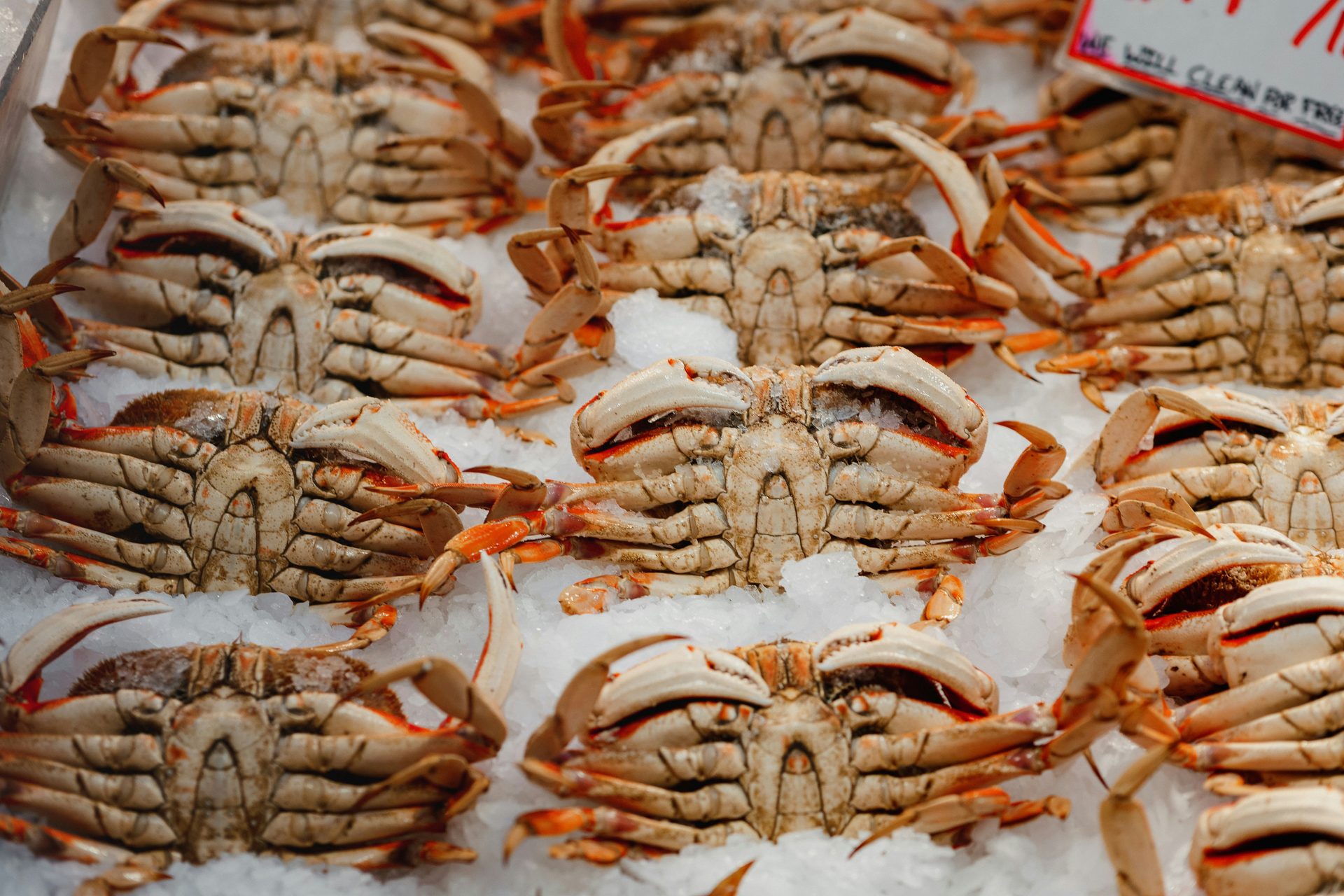
If you’ve ever come home with a haul of fresh crabs and wondered whether you could just toss them in the freezer, you’re not alone. It’s a reasonable question — and the answer might surprise you.
The short answer is no, you should not freeze live crabs. But that doesn’t mean you can’t freeze crab at all. With the right approach, you can preserve sweet, flavorful crab meat for months. This guide walks you through everything you need to know, from why live crabs should never go in the freezer to the safest ways to store, thaw, and cook your frozen crab.
Can You Freeze Live Crabs?
The direct answer is no — you should never freeze live crabs. When placed in a freezer, live crabs suffocate as the moisture in their gills freezes solid, killing them slowly. It’s not a humane or safe method, and it ruins the meat in the process.
Crabs breathe through specialized gills that extract oxygen from water. When exposed to freezer temperatures below 32°F, the moisture in these delicate gill filaments crystallizes into ice, physically blocking oxygen exchange and causing the crab to suffocate.
The health risks extend far beyond poor taste. When a crab dies in the freezer, bacteria like Vibrio and Listeria can multiply rapidly, even at freezing temperatures — and these pathogens pose serious health risks when consumed. The FDA’s seafood safety guidelines specifically warn against consuming crabs that died before cooking.
Important Note: If you’re not ready to cook your live crabs right away, store them in a cooler at 32–40°F on a bed of ice with damp newspaper or burlap on top. Live Dungeness crabs can be kept on ice for up to 48 hours, while live blue crabs can be kept on ice for up to 24 hours. Never submerge them in fresh water or let them sit in standing water.
So what’s the right move? Cook your crabs first, then freeze them. Select only live crab to prepare for freezing, and note that crab freezes better if not “picked” before freezing. The sections below cover exactly how to do it safely.
Does Freezing Change the Texture or Taste of Crabs?
Freezing does affect crab — but how much depends on your technique. One concern when freezing crab meat is potential flavor loss, and while freezing may slightly change texture, careful handling minimizes the impact.
Frozen crab may lose some texture after thawing, making it better suited for cooked dishes like crab cakes and soups rather than fresh applications like cocktail presentations. The meat may become a bit softer or less firm compared to fresh crab, especially if it’s not thawed properly.
Freezing is designed to preserve crab at peak condition, and when done correctly, it locks in flavor and prevents spoilage. Modern freezing techniques are far more advanced than in the past, allowing seafood to maintain its structure and taste.
In a quality comparison, properly frozen crab can sometimes outperform poorly handled fresh crab. This challenges the assumption that frozen seafood is always inferior — the reality is that quality depends on how the crab is processed and stored, not just whether it is fresh or frozen.
Pro Tip: Crab meat stored in the freezer can get stringy. The flavor is adequate, but it won’t match the texture and flavor of fresh-caught crabs. For the best frozen results, use vacuum sealing and keep storage times within the recommended window.
How to Freeze Crabs the Right Way
There are three solid methods for freezing crab at home. Choose based on how much prep time you have and how you plan to use the crab later. In all cases, start with live, active crabs and cook them immediately.
Method 1: Freeze Whole Cooked Crabs
This is the easiest method and works well if you want to pick the meat later. Start by selecting only live, active crabs. Cook them in boiling salted water — use 1/4 cup salt per gallon. Dungeness crabs need 10–12 minutes, while blue crabs require 6–8 minutes.
- Immediately transfer cooked crabs to an ice bath to stop cooking. Once cooled, clean the crabs by removing the top shell, gills, and viscera. Rinse under cold water to remove any remaining debris, then pat the crabs completely dry with paper towels.
- Wrap each crab individually in plastic wrap, then place in freezer bags. Remove as much air as possible before sealing. Label with the date and freeze at 0°F or below.
- For sharper shells or claw tips, double-bag to prevent puncturing the bags.
Method 2: Freeze Picked Crab Meat
This method gives you ready-to-use meat straight from the freezer. This is a great option for those who want crab that’s ready to go once thawed. Cook and remove the guts of the crab, then pick the meat and place it in a vacuum seal bag prior to freezing.
- Pick through the cooked meat carefully and remove any shell fragments or cartilage.
- Double wrap the crab meat for maximum protection — first wrap tightly in plastic wrap, pressing out air bubbles, then place in freezer bags or airtight containers. Label everything with the date and contents.
- Don’t freeze all your crab in one giant lump. Divide it into meal-sized portions so you can thaw exactly what you need without wasting any.
Method 3: Ice-Glaze for Extra Protection
Commercial processors often ice-glaze crab to prevent freezer burn. After freezing, dip the packaged crab briefly in ice water to create a protective ice coating. Repeat 2–3 times for best results. This extra step is worth it if you plan to store the crab for longer than a month.
No matter which method you choose, store at 0°F (-18°C) or below for optimal preservation. If you enjoy eating seafood regularly, a vacuum sealer is one of the best investments you can make for long-term freshness.
How Long Can You Freeze Crabs?
Storage time varies by crab species and how the meat is packaged. The table below summarizes the recommended freezer windows for common crab types found in the United States.
| Crab Type | Best Quality Window | Maximum Safe Storage | Notes |
|---|---|---|---|
| Dungeness Crab | 1–2 months | Up to 3 months | Delicate meat; freeze quickly after cooking |
| Blue Crab | Up to 3 months | Up to 3 months | Shorter cook time; pick meat before freezing |
| Alaskan King Crab | 3–6 months | Up to 6 months | Thick shells; usually sold pre-cooked |
| Snow Crab | 3–6 months | Up to 6 months | Freeze legs separately from body |
| Soft Shell Crab | Up to 3 months | Up to 3 months | Clean before freezing; wrap individually |
| Vacuum-Sealed (any) | Up to 6 months | Up to 12 months | Best method for long-term storage |
According to Pure Food Fish Market, crab can be frozen for up to three months before beginning to lose its flavor, though Dungeness crab should not be frozen for more than one month and Alaskan king crab legs should not be frozen for more than six months.
Vacuum-sealed crab can last up to 12 months with minimal quality loss. That said, frozen king crab stays safe to eat for up to 6 months, but for optimal taste and texture, it’s best enjoyed within 2 to 3 months.
How to Thaw Frozen Crabs
Thawing is just as important as freezing. Rush it, and you’ll end up with watery, unevenly textured meat. Take your time and you’ll get results much closer to fresh.
- Refrigerator (best method): Transfer from the freezer to the fridge the night before — allow 8–12 hours. This best preserves texture and flavor.
- Cold water (quick method): Submerge the sealed bag in cold water, changing every 30 minutes. This takes 1–2 hours for a whole crab.
- Methods to avoid: Never thaw at room temperature, as this promotes bacterial growth. Never use warm water or a microwave, as these degrade texture and partially cook the meat.
Once thawed, use the crab within 1–2 days. Don’t let it sit in the fridge for a week hoping it will still be good — it won’t be.
Pro Tip: If you’re making a hot dish like crab bisque or a crab dip, you can add frozen picked crab meat directly to the pot without thawing. Just account for the extra moisture it releases as it heats through.
Can You Refreeze Crabs After Thawing?
This is one of the most common questions about crab storage, and the answer is: generally no, and here’s why it matters.
The question of whether you can refreeze crab meat requires careful consideration of food safety principles. Generally, crab that has been properly thawed in the refrigerator can be safely refrozen, though quality will suffer significantly.
Refreezing is not recommended. It degrades texture and increases food safety risk. Consume thawed crab within 24–48 hours. Each freeze-thaw cycle degrades texture and increases contamination risk.
The practical takeaway: freeze your crab in meal-sized portions from the start. That way, you only thaw what you need and never have to make the refreezing decision at all. For more on smart food storage habits, planning portions before freezing applies to plant-based proteins just as much as seafood.
How to Use Frozen Crabs (Best Uses After Freezing)
Frozen crab works beautifully in cooked dishes where the slight texture change goes unnoticed. Frozen crab may be softer or more watery once thawed, but it’s still excellent for cooked dishes like soups, casseroles, or crab cakes. Below are the best ways to put it to use.
- Crab cakes: The binding ingredients in crab cakes — egg, breadcrumbs, mayo — compensate for any softness in the thawed meat. Maryland-style crab cakes are a classic American use for blue crab.
- Crab bisque or chowder: Frozen picked meat drops right into a hot broth without issue. The liquid base masks any texture loss entirely.
- Crab dip: Baked crab dip is one of the most forgiving recipes for frozen crab. Mix with cream cheese, Old Bay, and shredded cheese, then bake until bubbly.
- Pasta and risotto: Toss thawed crab meat into a lemon-butter pasta or stir it into a creamy risotto for a restaurant-quality weeknight dinner.
- Stuffed mushrooms or peppers: Frozen crab meat works well as a stuffing ingredient where it’s mixed with other components and baked.
- Tacos and quesadillas: West Coast-style crab tacos with Dungeness are a popular choice, and frozen crab holds up well when pan-heated briefly before serving.
Some crabbers freeze picked crab meat submerged in water or milk. The liquid prevents freezer burn and air exposure — and this method works particularly well for meat intended for soups or crab cakes.
If you’re looking for recipe inspiration, crab pairs beautifully with ingredients highlighted in guides on heart-healthy foods — omega-3-rich seafood is a staple of heart-smart eating. It also complements the kinds of ingredients featured in skin-supporting diets, since crab is a good source of zinc and selenium.
Signs That Frozen Crabs Have Gone Bad
Even properly frozen crab can go bad, especially if it’s been stored too long or the packaging was compromised. Know what to look for before you cook it.
- Ammonia or sour smell: Fresh crab smells clean and oceanic. A sour, ammonia-like, or strongly fishy odor means it’s spoiled — discard immediately.
- Gray or discolored meat: Gray discoloration or slimy texture are signs that the crab has gone bad and should be discarded.
- Mushy or stringy texture: Good frozen-thawed crab meat should still have distinct lumps and flakes. Mushy, slimy, or stringy texture indicates spoilage.
- Freezer burn patches: White, dry spots on the meat indicate freezer burn. The crab is technically safe to eat but will taste dry and bland. Cut away affected areas or use in a heavily seasoned dish.
- Off or “dank” taste: If the crab was frozen before cooking, bad-tasting chemicals present when you begin to cook it after thawing create a poor eating experience — the crab will have a stale, musky taste that is generally unenjoyable.
Important Note: When in doubt, throw it out. Symptoms of seafood poisoning include severe nausea, vomiting, diarrhea, and in extreme cases, paralytic shellfish poisoning. No meal is worth that risk.
The National Fisheries Institute recommends maintaining detailed freezer logs for seafood. Track freeze dates, thaw dates, and quality notes to improve your technique over time. A simple sticky label on each bag with the date and crab type is all you need.
Frequently Asked Questions
Can You Freeze Soft Shell Crabs?
Yes, soft shell crabs freeze well after cleaning. Remove the gills, mouth parts, and apron, then wrap individually in plastic wrap before freezing. They maintain quality for up to 3 months.
Can You Freeze Cooked Crab Still in the Shell?
Yes. Crab freezes better if not “picked” before freezing. Simply remove the back, legs, entrails, and gills either before or after boiling the crab for 5 minutes. The claws and body or core of the crab that still contains the meat should then be wrapped or ice-glazed and wrapped in freezer wrap or paper, then sealed, labeled, and frozen. This guidance comes from the National Center for Home Food Preservation at the University of Georgia.
How Do You Know If a Live Crab Is Still Good Before Cooking?
Make sure uncooked, whole crabs are alive when you buy them. Look for crabs that are moving or twitching — this indicates they are alive and healthy. If the crabs are not moving, don’t buy them. If they hang limp, definitely don’t buy them, as they are almost certainly dead or extremely stressed.
Can You Freeze Crab Legs Separately?
Yes, and it’s often the smarter approach for large species. Freeze legs separately from bodies for easier storage and use. Legs take up less freezer space and thaw faster than whole crabs, making weeknight meals much more practical.
Is Frozen Crab Safe to Eat After 6 Months?
Frozen crab has a much longer shelf life than fresh. When stored properly, it can last up to 6 months without losing much of its flavor or texture. Beyond 6 months, the crab is likely still safe if kept at a constant 0°F, but quality — especially texture — declines noticeably. Vacuum-sealed crab is the exception, with usable quality extending up to 12 months.
What Is the Best Way to Cook Thawed Crab?
Steam or gently reheat thawed crab rather than boiling it again. Boiling already-cooked crab a second time makes the meat rubbery and waterlogged. Reheat gently to retain moisture. A steamer basket over simmering water for 5–7 minutes is ideal for whole cooked crabs. For picked meat, add it to your dish in the final minutes of cooking rather than at the start.