Can You Freeze Cooked Squash? Everything You Need to Know

November 4, 2026
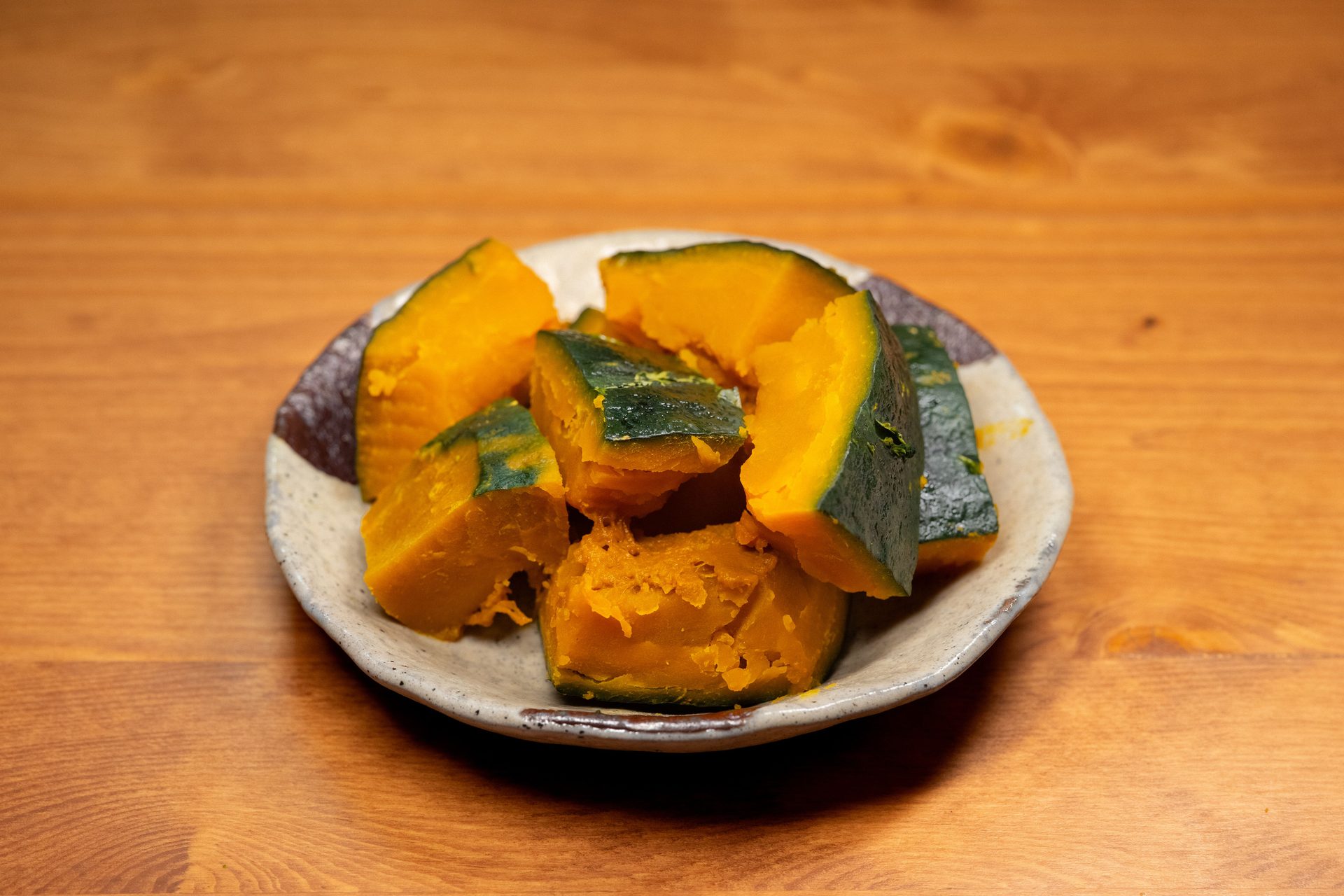
Cooked squash is one of those foods that seems to disappear fast — until you make a big batch and suddenly have more than you can eat in a few days. Whether you roasted a butternut, steamed some yellow squash, or turned an entire spaghetti squash into strands for the week, the freezer is your best friend for making that effort go further.
The good news: yes, you can absolutely freeze cooked squash, and it holds up remarkably well when you handle it correctly. This guide walks you through every step — from how freezing affects texture and taste, to the right way to pack and store it, to how long it lasts and what to watch for when something goes wrong.
Can You Freeze Cooked Squash?
Yes, you can freeze cooked squash to extend its shelf life significantly. Freezing can preserve the quality of cooked squash for several months. This applies to both summer varieties like zucchini and yellow squash, and winter varieties like butternut, acorn, and spaghetti squash.
When cooked, the best way to freeze winter squash is as a purée, which holds up well once thawed. The best method is to portion the puréed squash, then freeze for later. That said, roasted cubes and cooked strands (in the case of spaghetti squash) also freeze successfully with the right technique.
Freezing cooked squash is also a smart meal-prep move. You skip the peeling, chopping, and cooking steps the next time you need it — just thaw and use. If you grow your own or buy in bulk at the farmers market, freezing lets you enjoy your harvest well past the season.
Pro Tip: Skip seasoning your squash before freezing. Season it later according to your specific recipe so it stays versatile across different dishes.
Does Freezing Change the Texture or Taste of Cooked Squash?
Texture is the main thing that changes when you freeze cooked squash, and knowing what to expect helps you plan how to use it. Freezing may slightly soften texture and cause minor flavor loss, but storing it properly helps keep the quality.
The impact varies by squash type and how it was prepared before freezing:
- Puréed squash: Cooked squash retains a smooth texture, perfect for butternut squash soup. Butternut squash purée freezing helps preserve consistency for later use.
- Cubed or chunked squash: Freezing vegetables will begin to break down the cell walls, so the thawed squash will be softer and may leak a little. This makes thawed cubes better suited for soups and stews than for roasting.
- Spaghetti squash strands: Slight textural softening is normal, but nutrient density, fiber integrity, and food safety remain high for up to 8 months.
The taste will stay the same whether you freeze butternut squash soup, raw butternut squash, or purée. Flavor holds up well — it’s really the texture where you’ll notice the most difference, and that difference matters far less in cooked dishes like soups, casseroles, and sauces.
For squash you plan to use in whole plant-based meals or blended dishes, the texture shift after freezing is nearly undetectable.
How to Freeze Cooked Squash the Right Way
The steps below work for most cooked squash varieties. A few details differ depending on whether you’re freezing purée, cubes, or spaghetti squash strands — those are noted where relevant.
Step 1: Cool It Completely
Ensure the cooked squash is completely cooled before freezing. Putting warm squash directly into the freezer raises the internal temperature of your freezer, promotes condensation inside the bag, and creates larger ice crystals that damage texture. The squash must drop from 140°F to 40°F within two hours to inhibit bacterial growth. Use shallow containers and refrigerate uncovered for the first 30 minutes before bagging.
Step 2: Drain Excess Moisture (Spaghetti Squash)
The second secret for spaghetti squash is to drain the cooked squash before popping it in the freezer. This removes excess moisture and ensures the texture will be perfect. After cooking, run a fork through the squash to release the strands. Place the squash in a colander and set it over a bowl in the refrigerator. Let the squash sit overnight before packing the strands into freezer-safe bags.
Step 3: Portion Before Freezing
Divide the squash into freezer-safe containers or bags in portion sizes that you’ll use later. This makes thawing easier and prevents you from thawing more than you need. For purée, purées can be frozen in ice cube trays, muffin tins, and in small portions (about 1/2 cup) on a parchment or wax paper-lined baking sheet.
Step 4: Remove Air and Seal
Use airtight freezer bags or containers to prevent freezer burn. Remove as much air as possible from the bags before sealing. A vacuum sealer is ideal for longer storage, but pressing the air out of a heavy-duty zip-top freezer bag by hand works well for storage up to four months. If not using a vacuum sealer, use a straw to remove as much air as possible.
Step 5: Label and Freeze
Label each container or bag with the date and contents. This will help you keep track of how long the squash has been in the freezer. Lay bags flat in the freezer so they stack efficiently and freeze evenly. Be sure to check your freezer’s temperature periodically and set it to 0°F to maintain frozen foods’ safety and quality.
Pro Tip: For cubed squash you plan to use in individual portions, flash-freeze the pieces in a single layer on a parchment-lined baking sheet first, then transfer to bags. This prevents the cubes from clumping together so you can grab only what you need.
How Long Can You Freeze Cooked Squash?
Cooked squash keeps well in the freezer for a meaningful stretch of time, though the window varies slightly by variety and storage method.
| Squash Type / Form | Freezer Life (Best Quality) | Storage Method |
|---|---|---|
| Cooked summer squash (zucchini, yellow) | 10–12 months | Airtight freezer bag |
| Cooked winter squash (butternut, acorn) | 8–10 months | Airtight bag or container |
| Puréed squash | Up to 3 months (bag); up to 10 months (vacuum-sealed) | Ice cube tray → freezer bag |
| Spaghetti squash strands | 6–8 months | Heavy-duty freezer bag, drained first |
| Squash casserole (with sauce) | 2–3 months | Oven- and freezer-safe container |
Properly stored, cooked summer squash will maintain best quality for 10 to 12 months, but will remain safe beyond that time. Cooked summer squash that has been kept constantly frozen at 0°F will keep safe indefinitely. Quality — not safety — is the reason to use it within the recommended window. For best quality, use the frozen squash within the first six months.
If you’re also working with fresh uncooked squash from the garden, see our guide on how to freeze fresh uncooked zucchini for a comparison of raw versus cooked freezing methods.
How to Thaw Frozen Cooked Squash
How you thaw frozen squash matters — both for texture and food safety. You have a few options depending on how much time you have and how you plan to use it.
Refrigerator Thawing (Best Method)
Thaw the squash in the fridge overnight before reheating. This is the safest method and gives the squash the most even thaw. Cooked summer squash that has been thawed in the fridge can be kept for an additional 3 to 4 days in the refrigerator before cooking.
Cold Water Thawing
Place the sealed bag in a bowl of cold water and change the water every 30 minutes. This speeds up the process significantly and works well when you forgot to pull the squash out the night before. Once thawed this way, cook the squash immediately — do not refreeze it.
Cooking from Frozen (Often the Best Choice)
For soups, stews, and casseroles, you often don’t need to thaw at all. If you’re adding chunks or rounds of squash to recipes like soups or zucchini casseroles, you don’t need to thaw them first. For most recipes, you don’t even need to thaw the spaghetti squash. Since it’s been previously cooked, you can add it to a simmering sauce and let the heat of the sauce do the work for you.
Thaw only in the refrigerator or cold water changed every 30 minutes — never at room temperature. Room-temperature thawing puts cooked vegetables in the bacterial danger zone (40°F–140°F) for too long.
Can You Refreeze Cooked Squash After Thawing?
This is one of the most common questions about frozen squash, and the answer depends on how you thawed it.
It’s generally not recommended to refreeze thawed squash, as this can further degrade its texture and quality. Each freeze-thaw cycle breaks down more cell walls, leaving you with a mushier result. Refreezing increases microbial risk and accelerates texture breakdown.
Here’s a practical breakdown:
- Thawed in the refrigerator and never warmed above 41°F: Only if thawed in the refrigerator and never warmed above 41°F can you consider refreezing. Do not refreeze if thawed in cold water or microwave — reheat fully instead.
- Thawed in purée or soup form: If it’s puréed or in soup, refreezing is fine. The texture is already smooth, so another freeze cycle causes less noticeable damage.
- Best prevention: For best results, freeze in smaller portions to avoid refreezing. Single-serving or meal-sized portions mean you only thaw what you need.
Important Note: Never refreeze squash that was thawed at room temperature or left out for more than two hours. Discard it instead to avoid foodborne illness risk.
How to Use Frozen Cooked Squash (Best Uses After Freezing)
Frozen cooked squash is most successful in dishes where it gets incorporated into a larger recipe rather than served on its own as a side. To minimize texture changes, consider using frozen squash in cooked dishes like soups or stews where slight texture variations are less noticeable.
Here are the best uses by squash form:
Puréed Squash
Defrost the purée and reheat in the microwave or on the stovetop to be used for sauces, dips, lasagna, and muffins (try an equal amount in place of pumpkin purée), or add it directly to simmering pots of soups, stews, and chili. Frozen squash purée also works well as a base for homemade baby food.
Cubed or Chunked Squash
Add frozen cubes directly to soups, stews, and chilis without thawing. Add frozen cubes straight to stews or soups, or roast from frozen. If roasting from frozen, spread the pieces on a baking sheet with a little oil and add a few extra minutes to your usual cook time to allow moisture to evaporate.
Spaghetti Squash Strands
For most recipes, you don’t even need to thaw the spaghetti squash. Since it’s been previously cooked, you can add it to a simmering sauce and let the heat of the sauce do the work for you. It also works well in baked casseroles and stir-fry dishes reheated in a skillet.
Shredded Summer Squash
Shredded summer squash can be used in baked goods, quiche, frittatas, casseroles, muffins, and breads. If you want to use shredded zucchini in baked goods, thaw the zucchini in the fridge beforehand and squeeze out any excess water.
Squash is also a nutritious addition to your regular meal rotation. It pairs well with the kinds of heart-healthy superfoods and skin-supporting foods that nutrition experts often recommend for a balanced diet.
Signs That Frozen Cooked Squash Has Gone Bad
Frozen squash that has been stored correctly and used within the recommended window is almost always safe to eat. But it’s worth knowing the warning signs that indicate something has gone wrong.
Visual Signs
Mold and discoloration are clear signs that the squash is no longer fit to eat. Mold can appear as fuzzy or cotton-like growth in various colors, including white, green, blue, or black. Wrinkled or shriveled skin is another indicator that the squash has lost moisture and is possibly spoiling.
Discard if it develops off-odors (sour or fermented), visible mold, or grayish discoloration — even if within date. Ice crystals alone don’t indicate spoilage, but excessive frost suggests temperature fluctuation and possible quality loss.
Texture and Smell Signs
A foul, rotten smell often accompanies squash spoilage. Even if there are no visible signs, an unpleasant odor alone can signify that the squash is no longer good. A texture that has become watery, slimy, or unusually mushy beyond normal softening is also a red flag.
Taste Signs
Squash that develops a bitter taste may contain toxic compounds called cucurbitacins. These can cause stomach pain, vomiting, and diarrhea. If squash tastes bitter, throw it out right away.
Children, the elderly, pregnant women, and individuals with weakened immune systems are particularly vulnerable to the effects of food poisoning. It is always better to be safe than sorry and discard any cooked squash that shows signs of spoilage.
| Sign | What It Means | Action |
|---|---|---|
| Excessive frost / ice crystals | Temperature fluctuation; possible quality loss | Assess texture and smell before using |
| Grayish discoloration or mold | Spoilage | Discard immediately |
| Sour or fermented odor | Bacterial growth | Discard immediately |
| Bitter taste | Possible cucurbitacin toxicity | Discard immediately |
| Watery or slimy texture | Cell breakdown or spoilage | Discard if accompanied by odor |
Frequently Asked Questions
Can You Freeze Cooked Butternut Squash?
Yes. Butternut squash is an excellent choice when it comes to freezing for later use. Freeze it as cubes or purée. Purée holds up the best after thawing and works in soups, sauces, and baked goods. It remains best in quality for 8–10 months when frozen, though it may last up to a year with proper storage.
Can You Freeze Cooked Spaghetti Squash?
Not only can you freeze spaghetti squash, it’s also an easy way to prep spaghetti squash recipes. Yes — and it freezes exceptionally well. The key is draining the cooked strands overnight in the refrigerator before packing them into freezer bags. Frozen spaghetti squash will retain its best quality in the freezer for about six months.
Can You Freeze Cooked Yellow Squash or Zucchini?
Yes. To maximize the shelf life of cooked summer squash for safety and quality, refrigerate the summer squash in airtight containers or resealable plastic bags. Properly stored, cooked summer squash will last for 3 to 5 days in the refrigerator. For longer storage, freeze it in airtight bags for up to 10–12 months at best quality. Plan to use thawed summer squash in cooked dishes rather than as a standalone side, since the texture softens considerably.
Should You Cook Squash Before Freezing?
For summer squash like zucchini and yellow squash, you can freeze it raw (with or without blanching). For spaghetti squash, spaghetti squash must be cooked first to prevent the cell walls from breaking down in the freezer, leading to a pile of mush when it’s thawed. For winter squash like butternut and acorn, whether or not you blanch it before freezing is entirely up to you. Some vegetables you have to blanch them, or they won’t hold up well in the freezer; butternut does just fine either way.
How Long Does Cooked Squash Last in the Fridge Before Freezing?
Cooked squash stores in airtight containers and lasts 3–4 days in the fridge or up to 10 months when frozen. If you know you won’t use it within a few days, freeze it sooner rather than later to lock in the best quality.
Can You Freeze Squash Soup?
Yes, squash soup freezes very well. Let it cool completely, portion it into freezer-safe containers with a little headspace for expansion, and freeze for up to 3 months for best flavor. Avoid sauces containing dairy, fresh tomatoes, or high-moisture herbs, as these increase free water and promote ice crystal damage. If your soup contains cream, consider adding the dairy after reheating instead.
For more on how vegetables and plant foods support your overall health, explore our articles on nutrients and foods that fight cancer, foods that enhance liver function, and foods that promote healthy eyesight.