Can You Freeze Whole Tomatoes? Everything You Need to Know

October 30, 2026
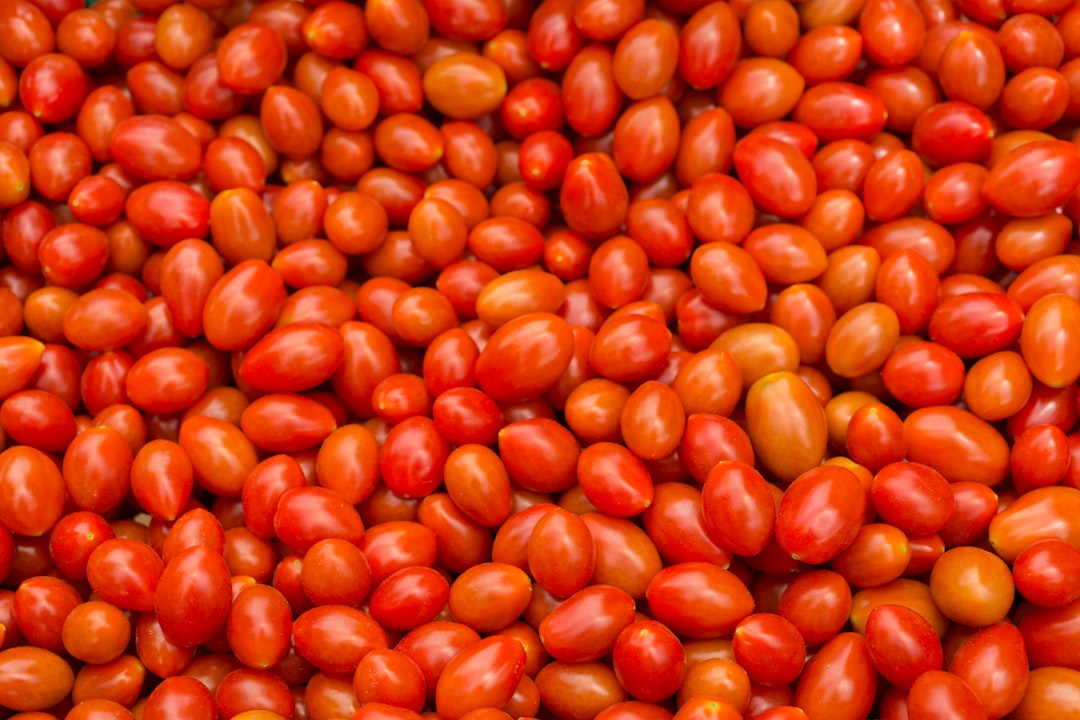
If you’ve ever ended up with more ripe tomatoes than you can eat in a week, you already know the panic of watching them sit on the counter getting softer by the day. The good news: your freezer is a practical, low-effort solution that requires almost no special equipment.
Freezing whole tomatoes is one of the simplest ways to preserve a summer harvest or rescue a grocery haul before it turns. Tomatoes may be frozen raw or cooked, whole, sliced, chopped, or puréed — but freezing them whole is the fastest method with the least prep work. This guide walks you through everything you need to know, from the first wash to the last spoonful of winter soup.
Can You Freeze Whole Tomatoes?
You can freeze raw tomatoes with and without their skins. Tomatoes do not need to be blanched before freezing. That alone sets them apart from many other vegetables and makes the process genuinely easy.
If you want to save them for winter stews and sauces without the hassle of canning, the freezer is the easiest long-term storage option for whole in-season tomatoes — as long as you follow a few guidelines and know how to use tomatoes that have been frozen.
The rule about never putting tomatoes in cold storage really applies to unripe tomatoes. Make sure that all your tomatoes are nice and ripe before refrigerating or freezing. Ripe tomatoes that are frozen at their peak will hold their flavor well through the freezing process.
Pro Tip: Almost any variety works. Roma, San Marzano, plum, beefsteak, heirloom, cherry, and grape tomatoes can all be frozen. Choose whichever you have on hand.
Does Freezing Change the Texture or Taste of Whole Tomatoes?
Yes — and being upfront about this will save you from disappointment later. Tomatoes contain a large amount of water. Freezing changes their texture, causing them to soften once thawed. This is completely normal and makes them ideal for cooked recipes.
When water inside the tomato cells freezes, it expands, forming ice crystals. These crystals can rupture the cell walls, leading to a softer, more watery texture upon thawing. Think of thawed tomatoes as closer to a crushed or stewed tomato than a fresh one.
On the flavor side, the news is better. Their delicious acidity and bright flavor will still come through, months later. Frozen tomatoes are meant for cooked applications, but as long as you freeze them while ripe, they will retain their flavor.
No matter how you freeze tomatoes, you won’t be able to eat them on sandwiches or in salads later on. Freezing tomatoes changes their texture and makes them unpalatable when thawed and eaten raw. Plan to use them in cooked dishes, and they’ll perform beautifully.
How to Freeze Whole Tomatoes the Right Way
The process takes about ten minutes of active work. Here’s the method that consistently produces the best results for home cooks.
Step 1: Select and Wash
Select firm, ripe tomatoes for freezing. Sort the tomatoes, discarding any that are spoiled. Gently rub tomatoes under cold running water and then dry with a paper towel or a clean cloth.
Step 2: Dry Thoroughly
Dry them thoroughly with a clean kitchen towel. They shouldn’t have any water on them, or you’ll have ice crystals forming on them. Surface moisture is the main cause of freezer burn and clumping, so take a minute to pat each tomato dry.
Step 3: Remove the Stem and Core
Hull the tomatoes. Remove any green stems from the tomatoes. Use a paring knife to remove the woody core from the top of each tomato. This step is optional if you’re short on time, but it makes the tomatoes easier to use straight from the freezer later.
Step 4: Flash-Freeze on a Baking Sheet (Recommended)
Place the whole tomatoes on clean cookie sheets and freeze. Once frozen, transfer the tomatoes from the cookie sheets into freezer bags or other containers. Seal tightly and freeze. Spacing them out so they don’t touch prevents them from freezing into one solid clump.
Step 5: Transfer to Freezer Bags and Seal
Place the tomatoes in a gallon-sized zip-top freezer bag. Force out as much air as possible and tightly seal the bag. If you have a vacuum packer, use that — it removes more air and extends quality further. Label the bag with the date before it goes back in the freezer.
Be sure not to stuff the bag or put anything on top of it as the tomatoes freeze, or they may burst open.
Pro Tip: Keep the temperature of the freezer at 0 degrees Fahrenheit or below for safe, long-term storage. A freezer that fluctuates above 0°F will degrade quality faster.
If you grow tomatoes at home, you may already know that companion planting can extend your harvest season. Check out this guide on different plants to grow with tomatoes to get more out of your garden before you ever need the freezer.
How Long Can You Freeze Whole Tomatoes?
Frozen tomatoes maintain their best quality for about 6 months and can be stored for up to 12 months. The difference between those two timeframes is quality, not safety — tomatoes stored beyond 6 months are still safe to eat but may taste flatter and have a mushier texture.
Frozen tomatoes will maintain their best quality for about 6 months, but they can safely be stored in the freezer for up to 12 months. For the best flavor and texture, use frozen tomatoes within 6 months and keep them stored in airtight containers or freezer bags to minimize freezer burn.
| Storage Method | Best Quality Window | Maximum Safe Storage |
|---|---|---|
| Whole, unblanched (zip-top bag) | Up to 6 months | Up to 12 months |
| Whole, blanched (zip-top bag) | Up to 8–12 months | Up to 12 months |
| Whole, vacuum-sealed | Up to 12 months | Up to 12 months |
Unblanched tomatoes last up to 2 months at peak quality without blanching. If you plan on using the frozen tomatoes within 2 months, you do not need to blanch them first. If you plan on using them within 3 or more months, blanching first is recommended. Blanching slows the enzymes that break down texture over time.
How to Thaw Frozen Whole Tomatoes
How you thaw them depends on how you plan to use them. There are three reliable approaches.
- Refrigerator overnight: Transfer frozen tomatoes to the refrigerator overnight or let them sit at room temperature for 1 to 2 hours. The overnight fridge method gives you the most control over texture.
- Room temperature (quick thaw): Thaw whole tomatoes for 30 minutes at room temperature. At this point the tomato will still be frozen, but the peel can be easily removed. This is ideal when you just need to peel and drop them into a pot.
- Straight into the pot: For soups, stews, and sauces, frozen tomatoes can often be added directly to the pot without thawing. This is the easiest option and works well for most cooked recipes.
One of the best bonuses of freezing tomatoes whole is how easily the skins come off. Run frozen whole tomatoes under warm water and the skins fall right off. Then drop the whole tomatoes into soups, stews, or sauce recipes.
Important Note: According to a press officer for the U.S. Food and Drug Administration cited by TODAY , “Never thaw food at room temperature, such as on the counter top. Food must be kept at a safe temperature during thawing.” For longer thawing sessions (anything beyond 30 minutes), use the refrigerator method.
Can You Refreeze Whole Tomatoes After Thawing?
Technically possible in a narrow set of circumstances — but generally not worth it. It’s not recommended to refreeze thawed tomatoes.
Refreezing thawed tomatoes is not recommended, as it can lead to a significant loss of quality and an increased risk of foodborne illness. When tomatoes are thawed, the cell walls begin to break down, and the enzymes that contribute to spoilage become active. Refreezing the tomatoes can cause the formation of ice crystals, which can further damage the cell walls and lead to a loss of texture and flavor.
For best quality, avoid refreezing thawed tomatoes. If the tomatoes were thawed safely in the refrigerator and have not been sitting at room temperature for an extended period, they can technically be refrozen, but the texture will deteriorate further.
The smarter move: if you have thawed tomatoes you do not plan to use immediately, cook them and then freeze them again. Cooking the tomatoes can help to inactivate the enzymes and kill any microorganisms that may have grown during the thawing process. Cook first, cool completely, then refreeze as a sauce or puree.
How to Use Frozen Whole Tomatoes (Best Uses After Freezing)
Frozen tomatoes are best used in cooked foods such as soups, sauces, and stews as they become mushy when they’re thawed. That softness, which would be a problem in a fresh salad, is actually an advantage when you’re building a sauce or a pot of chili — the tomatoes practically melt in.
Here are the best ways to put frozen whole tomatoes to work in your kitchen:
- Tomato sauce and pasta sauce: As the tomatoes thaw, they dissolve into the other ingredients. If you’re making a smooth texture sauce, pulse them lightly in your food processor, or mash them to give you that smoother texture.
- Soups and stews: Add directly from frozen — no thawing needed. They break down quickly in hot liquid and add body to any broth-based dish.
- Chili: Because they soften after thawing, frozen tomatoes work best in tomato sauce, soup, chili, stews, and other cooked dishes.
- Shakshuka and braised dishes: The soft texture is perfect for egg-in-sauce dishes where you want the tomatoes to cook down fast.
- Homemade salsa (cooked): Works well for cooked or roasted salsa — just not fresh pico de gallo, where raw texture matters.
If you’re interested in how tomatoes and other whole plant foods fit into a health-focused diet, the whole plant-based foods guide on this site is worth a read. Tomatoes are also recognized among superfoods for a healthy heart, thanks to their lycopene content.
Pro Tip: Season tomatoes right before serving rather than before freezing. Freezing may cause seasonings such as garlic, onion, and herbs to either strengthen or weaken. Add your aromatics fresh during cooking for the best flavor control.
Signs That Frozen Whole Tomatoes Have Gone Bad
Frozen tomatoes can degrade in quality long before they become unsafe — and in some cases, they can go bad entirely. Here’s what to look for before you use them.
- Off odor: A foul or unusual odor emanating from the frozen tomatoes is a clear warning sign of spoilage. Discard them immediately.
- Significant discoloration: While some color change is normal during freezing, extreme discoloration, such as turning brown or black, could indicate degradation.
- Excessive ice crystals inside the bag: A large accumulation of ice crystals inside the packaging might suggest that the tomatoes have been thawed and refrozen, compromising their quality and safety.
- Slimy texture after thawing: After thawing, if the tomatoes have a slimy or excessively mushy texture, it’s best to err on the side of caution and discard them.
- Mold growth: Check the frozen tomatoes regularly for signs of spoilage, such as off-odors, slimy texture, or mold growth. If you see any mold, discard the entire bag.
Freezer burn — those dry, grayish-white patches on the surface — is not a safety issue, but it does affect flavor and texture. Heavily freezer-burned tomatoes are better used in long-simmered dishes where other ingredients can compensate. Store frozen tomatoes in the coldest part of your freezer. As a chef and registered dietitian cited by TODAY noted, “Your frozen foods will keep their quality longer if they are kept in the coldest part of the freezer, such as the bottom or the back of the freezer. The side door storage areas usually get a little warmer so the food might soften or start to defrost.”
Tomatoes are a nutrient-dense food worth preserving well. If you’re curious about other foods that support good health, explore this list of powerful nutrients and foods that fight cancer or learn about foods that can help enhance your liver function.
Frequently Asked Questions
Do You Need to Blanch Tomatoes Before Freezing Them Whole?
Tomatoes can be frozen without blanching, but blanching makes the skins much easier to remove. If you plan to use the tomatoes in sauces or soups, either method works well. Skip blanching if you’re in a hurry or plan to use them within two months. Blanch them if you want longer storage with better texture retention.
Can You Freeze Cherry Tomatoes Whole?
Yes — cherry tomatoes and grape tomatoes freeze great. Unlike larger tomatoes, there is no need to blanch, peel, or core them before freezing. Simply wash and dry the tomatoes, then spread them in a single layer on a baking sheet and freeze for about 30 minutes. Once frozen, transfer them to a freezer-safe bag or airtight container, label with the date, and return them to the freezer.
Can You Freeze Tomatoes With the Skin On?
Many people freeze tomatoes whole with the skins intact and remove them after thawing. The skin peels off easily once the tomato is partially thawed under warm running water. There’s no need to peel before freezing unless you prefer to.
How Do You Know When Frozen Tomatoes Are Ready to Use?
To use the frozen tomatoes, remove them from the freezer a few at a time or all at once and then use them in any cooked-tomato recipe. For soups and stews, you can add them straight from the freezer. For sauces, a quick thaw under warm water makes them easy to chop or crush before adding to the pan.
Can You Freeze Green or Unripe Tomatoes?
Just like their red, riper cousins, you can freeze green tomatoes. If you’re planning to fry the tomatoes, freeze them in slices to make your preparation easier. Simply add a slice of wax paper in between each slice for easy separation when you thaw them. For use in cooked sauces, you can freeze them whole or chopped.
Are Frozen Tomatoes Nutritious?
Freezing preserves most of the nutritional value in tomatoes. The National Center for Home Food Preservation at the University of Georgia recommends freezing as a straightforward preservation method for home cooks. Tomatoes are a good source of vitamin C and lycopene, both of which hold up reasonably well through the freezing process. For a broader look at how food choices affect your health, see this guide on foods for healthy skin and foods that promote healthy eyesight.