Can You Freeze Raw Eggs in the Shell? What You Need to Know

October 29, 2026
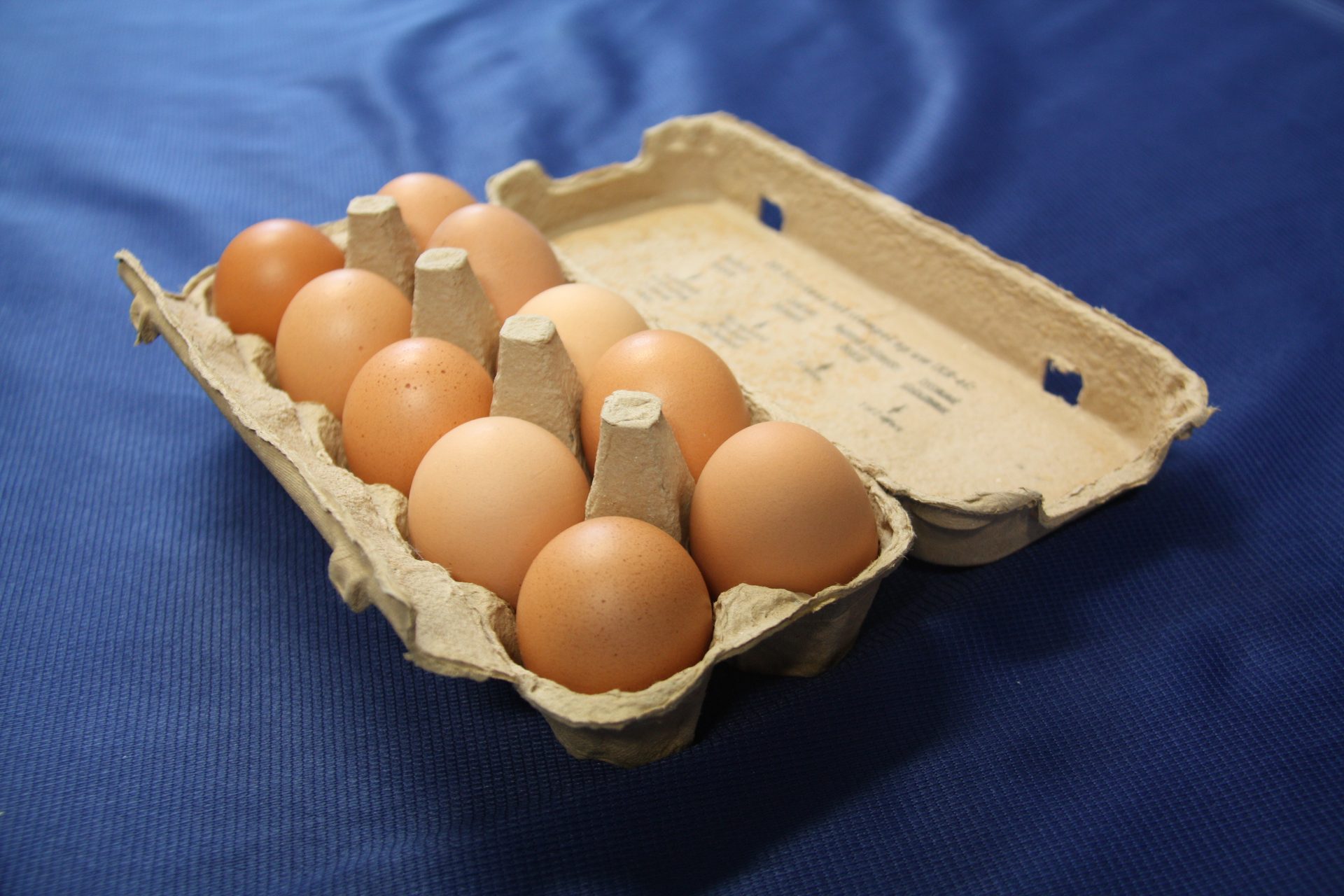
If you’ve ever stocked up on eggs during a sale — or found yourself with a surplus from backyard hens — the idea of freezing them whole seems like a logical shortcut. Just toss the carton in the freezer and call it a day, right? Not quite.
Freezing raw eggs in the shell is one of the most common food storage mistakes American home cooks make, and it can lead to cracked shells, bacterial contamination, and wasted eggs. The good news is that you absolutely can freeze eggs — you just need to do it the right way. This guide walks you through everything you need to know, from prep to thawing to the best ways to use them afterward.
Can You Freeze Raw Eggs in the Shell?
Freezing eggs in the shell does not work. As the egg freezes, it expands, and your shells will break. Freezing causes expansion of both the yolk and the white, which may cause both visible and hairline cracks in the shell. Once an egg is cracked, it becomes exposed to bacteria and contamination, which can make it unsafe to use.
The USDA states, “Shell eggs should not be frozen. If an egg accidentally freezes and the shell cracked during freezing, discard the egg. However, if the egg did not crack, keep it frozen until needed; then thaw it in the refrigerator.”
According to the USDA, if an egg cracks while it freezes, it needs to be thrown away. If it doesn’t crack while freezing, the egg white and yolk don’t blend well together after being frozen this way, making the uses limited. Egg freezing in the shell can end up costing you money instead of saving it, and could waste eggs that very well may have been saved and stored if frozen another way.
The solution is simple: crack the eggs out of their shells before freezing. If you have more eggs than you can use within a few weeks of buying them, you can break them out of their shells and freeze them. Done correctly, frozen eggs are a practical, budget-friendly way to extend shelf life without sacrificing too much quality. If you’re interested in the broader nutritional profile of eggs, check out this overview of whole eggs and what they bring to your diet.
Important Note: Never freeze eggs in their shells intentionally. Always crack them first, mix or separate yolks and whites, and store in airtight, freezer-safe containers.
Does Freezing Change the Texture or Taste of Raw Eggs?
Freezing does affect eggs, but how much depends on your method. Freezing may cause changes in texture and consistency that make the eggs less palatable or desirable for certain types of baking. The biggest issue is with the yolk.
The gelation property of egg yolk causes it to thicken or gel when frozen. If you freeze yolks as they are, they will eventually become so gelatinous that they will be almost impossible to use in a recipe. This is why adding salt or sugar before freezing yolks is a non-negotiable step.
Egg whites handle freezing better than yolks on their own. When whites freeze, they form ice crystals, and as they thaw the texture can become rubbery. However, thawed egg whites will beat to better volume if you allow them to sit at room temperature for about 30 minutes before using.
As for taste, you can freeze eggs and they taste darn near the same after they have thawed. You can fry them, bake with them, or add them to casseroles or other recipes even after they have been frozen and thawed. The key is proper prep before they go into the freezer.
How to Freeze Raw Eggs the Right Way
There are three main approaches depending on how you plan to use the eggs later. Each method takes only a few minutes and keeps your eggs usable for months. Freeze only clean, fresh eggs.
Method 1: Whole Beaten Eggs (Best All-Purpose Method)
This is the most versatile option and works well for scrambled eggs, baking, casseroles, and quiches. Thoroughly mix yolks and whites, but do not whip in air. To prevent graininess of the yolks, add 1½ tablespoons sugar, 1½ tablespoons corn syrup, or ½ teaspoon salt per cup of whole eggs, depending on intended use.
- Crack eggs into a bowl and gently mix yolks and whites together without incorporating air.
- Add salt (for savory dishes) or sugar (for sweet recipes) to prevent yolk gelation.
- Use ice trays as an alternative method — measure 3 tablespoons of egg mixture into each compartment of an ice tray, freeze until solid, then remove the frozen cubes and package in moisture-vapor resistant containers.
- Three tablespoons of the egg mixture (one cube) equals one whole egg.
- Seal tightly, label with the date and quantity, and freeze.
Method 2: Egg Whites Only
To freeze egg whites, simply separate the white and yolk. Place the whites into a freezer-safe container or bag and seal it. Label the bag or container with the amount and date, then place the container in the freezer. Pour the whites into freezer containers, seal tightly, label with the number of egg whites and the date, and freeze. For faster thawing and easier measuring, first freeze each white in a standard ice cube tray, then transfer to a freezer container.
Method 3: Egg Yolks Only
Separate the eggs and stir the yolks gently. To prevent graininess, add 1½ tablespoons sugar, 1½ tablespoons corn syrup, or ½ teaspoon salt per cup of egg yolks, depending on intended use.
America’s Test Kitchen recommends making and mixing a simple syrup of 2 parts sugar and one part water with your egg yolks. Mix ¾ teaspoon of the simple syrup with 4 egg yolks in a sealed container or bag and freeze. For savory dishes, try mixing about ⅛ teaspoon salt with 4 egg yolks and freeze in a sealed container or freezer bag.
Pro Tip: Always note on your label whether you added salt or sugar to your egg yolks. This matters when you go to use them — sweetened yolks belong in cakes and custards, while salted yolks are better for omelets and savory bakes.
When placing raw egg in containers before freezing, be sure to leave about a half-inch of room for expansion. Make sure all containers are labeled with dates, volume of eggs used, and details of any added ingredients for your future reference.
How Long Can You Freeze Raw Eggs?
According to the USDA Food Safety and Inspection Service (FSIS), you can freeze eggs for up to one year. Egg whites, yolks, and beaten whole eggs, if frozen at 0°F or below and stored in sealed freezer-safe containers, should last up to a year.
Here’s a quick reference for how long each form keeps in the freezer:
| Egg Form | Freezer Life | Notes |
|---|---|---|
| Whole beaten eggs | Up to 12 months | Add salt or sugar before freezing |
| Egg whites only | Up to 12 months | No additives needed |
| Egg yolks only | Up to 12 months | Must add salt or sugar to prevent gelation |
| Hard-boiled yolks | Up to 3 months | Freeze separately; hard-boiled whites do not freeze well |
| Eggs in shell | Not recommended | Shell cracks; contamination risk |
Clearly mark your freezer bags with the date one year from freezing to make sure you use your frozen eggs within the safety window. Don’t forget to label — once those eggs have been sitting in the freezer for six months, you won’t know if they’re eggs or pumpkin puree.
Eggs are one of the most nutrient-dense foods you can keep in your kitchen. To get the most out of them, pair good freezer habits with an understanding of how heart-healthy superfoods can support your overall diet.
How to Thaw Frozen Raw Eggs
Thawing eggs safely is just as important as freezing them correctly. When you’re ready to use frozen eggs, thaw them overnight in the refrigerator or under running cold water. When you are ready to use the frozen eggs, thaw by placing the frozen egg product in the refrigerator. Do not thaw in the microwave.
Don’t rush the process in the microwave — it can partially cook the eggs and ruin the texture. For a quicker option, place the eggs (still in their bag) in a glass dish and submerge the dish in running cold water.
Once thawed:
- Use egg yolks or whole eggs as soon as they’re thawed.
- Frozen eggs, whites, and yolks should be thawed in the refrigerator and used within a day of being thawed.
- Thawed egg whites will beat to better volume if you allow them to sit at room temperature for about 30 minutes.
- Use thawed frozen eggs only in dishes that are thoroughly cooked.
Frozen eggs in any form need to be fully thawed to be used and can only be eaten in thoroughly cooked dishes. Never cook eggs directly from frozen.
Can You Refreeze Raw Eggs After Thawing?
No. Always use thawed eggs immediately and never refreeze them. Once eggs have thawed, bacteria can begin to multiply rapidly, especially if they’ve been sitting at room temperature. Refreezing also degrades texture further, making the eggs nearly unusable in most recipes.
The best way to avoid this problem is to freeze eggs in single-serving portions from the start. Always freeze eggs in the amount that you will use at one time. Use ice cube trays or muffin tins to portion the eggs out correctly. This way, you only thaw what you need and never have leftovers that tempt a second freeze.
Key Insight: Portion control before freezing is the single best habit you can build. Freezing in individual egg portions means zero waste and no refreezing dilemmas.
How to Use Frozen Raw Eggs (Best Uses After Freezing)
Frozen eggs are versatile and can be used in various recipes just like fresh eggs, as long as they’re properly defrosted first. They are perfect for breakfast casseroles, baking, making muffins, and more.
Here’s where previously frozen eggs shine — and where they fall short:
| Great Uses for Frozen Eggs | Not Recommended |
|---|---|
| Scrambled eggs and omelets | Fried eggs (sunny-side up, over easy) |
| Baked goods (cakes, muffins, cookies, breads) | Poached eggs |
| Quiches and frittatas | Soft-boiled or hard-boiled (whole) |
| Casseroles and egg bakes | Meringues (if whites were frozen with yolk) |
| Fried rice and stir-fries | Recipes needing runny yolks |
| Pancakes, waffles, French toast | Hollandaise or other emulsion sauces |
A scrambled egg made from previously frozen eggs may have some off textures, but it’s still perfectly safe to cook. Previously frozen eggs are not very appetizing when fried up or poached, as they’ve already been mixed up prior to freezing.
Use thawed eggs, whites, or yolks in omelets, scrambled eggs, baking, or beat the whites into meringues — provided the whites were frozen separately and without any added yolk. Eggs are also a staple across global cuisines; if you enjoy cooking with them in new ways, explore how they’re used in traditional Greek foods or classic German dishes for fresh recipe ideas.
Signs That Frozen Raw Eggs Have Gone Bad
Even in the freezer, eggs can deteriorate — especially if they weren’t stored properly. Here’s what to watch for before you cook with them.
- Off smell after thawing: Fresh eggs have a neutral smell. A sulfurous or sour odor after thawing is a clear sign to discard them.
- Discoloration: Any pink, green, or gray tint in the egg mixture signals bacterial growth. Don’t use it.
- Extreme graininess or separation: Some texture change is normal, but severely grainy or curdled-looking yolks that won’t blend may indicate the eggs were improperly prepared before freezing.
- Freezer burn: Use freezer-safe materials to package and prevent freezer burn. If the surface of the frozen egg looks dried out, icy, or discolored from air exposure, the quality has degraded significantly.
- Cracked container or broken seal: If the storage bag or container failed in the freezer, the eggs may have been exposed to air and other odors. When in doubt, throw it out.
- Stored past one year: Use frozen eggs within one year. Beyond that, quality and safety are not guaranteed even if the eggs look fine.
Food safety is closely linked to overall wellness. If you’re thinking about how your diet supports your body, it’s worth reading about foods that promote healthy skin and foods that support liver function — eggs play a role in both.
Frequently Asked Questions
Can you freeze store-bought eggs in the carton?
No. Under no circumstance should eggs be frozen in their shells. The liquid inside expands as it freezes and will crack the shells, leaving the eggs exposed to bacteria. You need to crack them out of the shell and prepare them properly before freezing.
Can you freeze hard-boiled eggs?
It’s best not to freeze hard-boiled whole eggs and hard-boiled whites because they become tough and watery when frozen. You can freeze hard-boiled egg yolks to use later for toppings or garnishes. Freeze them in a single layer, then transfer to a sealed bag once solid.
How do you measure frozen eggs when cooking?
Three tablespoons of the egg mixture (one cube) equal one whole egg. One tablespoon of yolk mixture equals one egg yolk, and two tablespoons of egg white mixture equals one egg white. These measurements make it easy to substitute frozen eggs 1:1 in any recipe.
Do frozen eggs taste different?
Most people find the flavor difference minimal when eggs are properly prepped before freezing. Texture is the bigger issue, particularly with yolks that weren’t treated with salt or sugar. For baked goods and cooked dishes, the difference is barely noticeable.
Can you freeze eggs that are close to their expiration date?
Freeze only clean, fresh eggs. Eggs that are already past their best-by date or showing signs of age should not be frozen — freezing doesn’t improve quality, it only preserves it. Buy clean eggs from a refrigerated case, open the carton, and make sure the eggs are clean and the shells are not cracked. Cracked eggs can be an entry point for harmful bacteria.
Is it safe to freeze eggs from backyard chickens?
Yes, with the same rules that apply to store-bought eggs. Start with clean, fresh, uncracked eggs. When you want to freeze eggs, start with fresh, clean, undamaged eggs. Crack them and remove them from the shell before freezing. Whole eggs can be beaten together, or the whites and yolks can each be frozen separately.
What’s the best container for freezing eggs?
Airtight, freezer-safe containers or heavy-duty zip-top freezer bags work well. Silicone muffin molds or ice cube trays are great for portioning individual eggs before transferring to bags. For eggs frozen in zip-top baggies, place the containers flat in the freezer, similar to books on a shelf, allowing for efficient storage. Label the containers with details like how many eggs one baggie equals, such as “Frozen Eggs: 2 cubes = 1 egg” for easy identification.