Can You Freeze Tomatoes Without Blanching? (Yes — Here’s How)

November 14, 2026
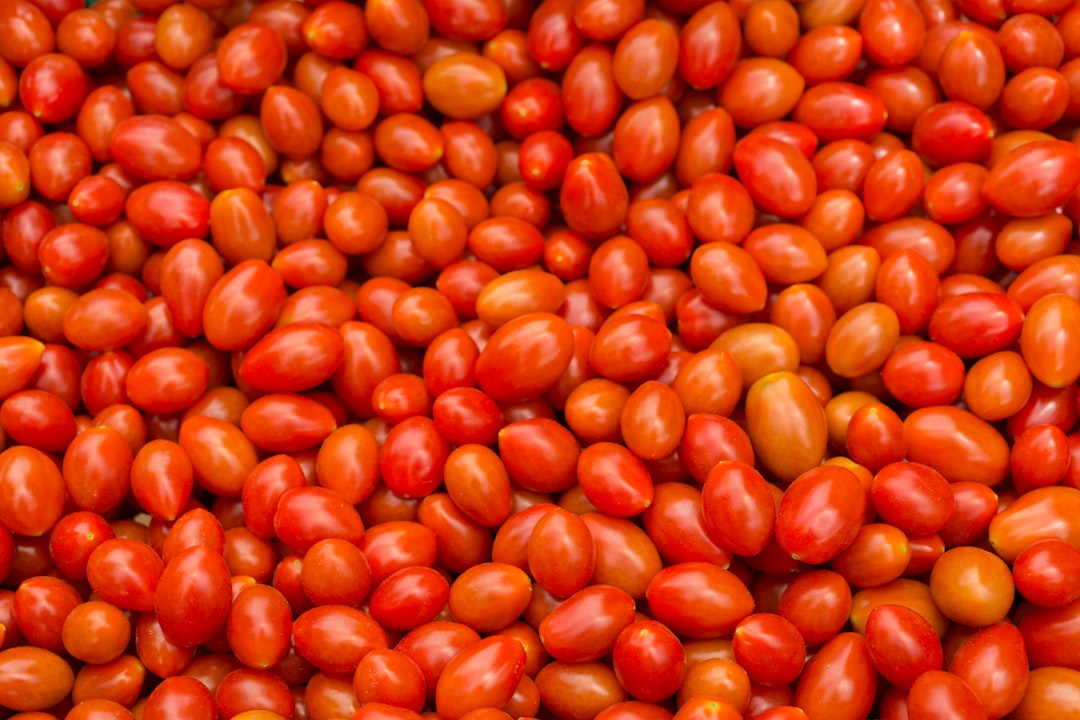
If your garden is overflowing with ripe tomatoes or you scored a great deal at a summer farmers market, freezing is one of the fastest ways to save them. But most people hesitate because they assume blanching — that whole boiling-water-and-ice-bath process — is required before anything goes into the freezer.
It isn’t. Tomatoes may be frozen raw or cooked, whole, sliced, chopped, or puréed, and they do not need to be blanched before freezing. You can go from countertop to freezer in just a few minutes, and the results work beautifully in countless cooked recipes all winter long.
This guide walks you through everything you need to know — from what happens to texture and taste, to step-by-step freezing instructions, storage times, thawing tips, and the best ways to put those frozen tomatoes to work in your kitchen.
Can You Freeze Tomatoes?
Yes, you can absolutely freeze tomatoes without blanching. In fact, you don’t even need to core them if you’re in a hurry. Freezing is one of the simplest preservation methods available to home cooks in the US, requiring no special canning equipment, no pressure cookers, and no boiling-water baths.
You can freeze any variety of tomato, but Roma tomatoes (also called plum tomatoes) are best because they have the most pulp, making them more freezer-friendly. In general, paste tomatoes like Roma hold their shape well when frozen. That said, beefsteaks, cherry tomatoes, grape tomatoes, and heirlooms all freeze just fine.
Frozen tomatoes will only taste as good as their quality when they were fresh, so always start with ripe, unblemished fruit. Overripe or damaged tomatoes will disappoint you after thawing, so sort carefully before anything goes into the freezer bag.
Pro Tip: Freezing is also a great way to stockpile tomatoes throughout the growing season. As you harvest tomatoes, pop them in the freezer, and once you have enough for a batch of tomato puree or spaghetti sauce, you bring them out and get to canning.
Does Freezing Change the Texture or Taste of Tomatoes?
Taste holds up well — flavor is largely preserved when tomatoes are frozen at peak ripeness. Texture is a different story, and being honest about that upfront will save you from disappointment.
Thawed tomatoes do not hold their texture once thawed, so if you’re expecting a firm tomato for a sandwich or plump tomatoes for a salad, that won’t happen. The cell walls break down during freezing, leaving the tomato soft and watery after it thaws. This is completely normal and expected.
Slicing tomatoes like beefsteak tend to change texture once frozen and work best in soups and sauces. Paste tomatoes like Roma hold their shape better when frozen, which is why they’re the go-to choice for home gardeners who freeze in bulk. Cherry tomatoes also freeze well and can even be used in cold dishes after thawing, though they’ll be softer than fresh.
One thing to keep in mind: season tomatoes right before serving rather than before freezing, because freezing may cause seasonings such as garlic, onion, and herbs to either strengthen or weaken. Add your herbs and spices when you’re actually cooking with the tomatoes, not when you’re packing them for the freezer.
Key Insight: The mushy texture of thawed tomatoes is not a flaw — it’s actually an advantage. As the tomatoes thaw, they dissolve into other ingredients, making them ideal for sauces, soups, stews, and chili where you want that rich tomato body without extra chopping.
How to Freeze Tomatoes the Right Way
You have a few options depending on how much time you have and how you plan to use the tomatoes later. All of these methods skip blanching entirely.
Method 1: Freeze Whole Tomatoes (Easiest)
You can freeze tomatoes whole — it’s the easiest way to do it with no chopping or slicing needed, though whole tomatoes will take up the most room in the freezer. This method takes about five minutes of hands-on work.
- Select firm, ripe tomatoes, sort them and discard any that are spoiled, then gently rub them under cold running water and dry with a paper towel or clean cloth.
- Remove the stem and use a small knife to cut out the core at the stem end.
- Spread the tomatoes on a baking sheet or pan in a single layer without touching each other, then place in the freezer for at least one hour.
- Transfer to a zip-lock freezer bag and label your bag with the date.
- Remove as much air as possible before sealing. Use a vacuum sealer if you have one, or use the straw method.
Method 2: Freeze Sliced or Diced Tomatoes
If you prefer tomatoes pre-cut and ready to drop into a pot, slicing or dicing before freezing saves time later. Simply remove the core, slice, freeze on a baking sheet, and then place in a freezer bag. Flash-freezing the pieces on a sheet first keeps them from clumping together into a solid block.
Note that if you want to freeze sliced, cubed, or diced tomatoes without the peels, you will need to blanch first. If you don’t mind fishing out loose skins while cooking, you can skip blanching entirely — the skins will separate on their own once the tomatoes hit the heat.
Method 3: Freeze as Puree or Crushed Tomatoes
This is the most space-efficient option. Crush or blend ripe tomatoes, then pour the crushed tomatoes or juice into ice cube trays or place a recipe-convenient amount into containers, remembering to leave at least 1 inch of air space above the tomatoes. Once the cubes are solid, transfer them to a labeled freezer bag. Each cube equals roughly 2 tablespoons — easy to grab exactly what a recipe calls for.
Best Containers for Freezing Tomatoes
- Heavy-duty freezer bags: The best type of freezer bag for freezing tomatoes is a heavy-duty freezer bag — these are thicker and more durable than standard storage bags, providing better protection against freezer burn and punctures.
- Glass food storage containers: Reusable and stackable, though they take up more space.
- Vacuum-seal bags: This is by far the most space-efficient storage option for frozen tomatoes, though you will need to buy a vacuum sealer first.
- Mason jars: Use straight-sided mason jars for safety, though they aren’t ideal for regular whole tomatoes because bigger tomatoes like Romas don’t pack well in a jar, leaving too much air space. They work well for cherry tomatoes or pureed tomatoes.
If you grow your own tomatoes, you may also want to check out this guide on different plants to grow with tomatoes to get the most out of your garden space.
How Long Can You Freeze Tomatoes?
Frozen tomatoes will be good for 8–12 months with most freezer containers or bags, though they will last for 2–3 years if vacuum sealed. For everyday home use, aim to use them within that 8–12 month window for the best flavor and quality.
When stored properly in freezer-safe bags or containers, frozen tomatoes can maintain their quality for up to 12 months. For best results, it’s recommended you use them within nine months — if left longer, you risk freezer burn, which damages both the flavor and texture.
There is also a meaningful difference between blanched and unblanched tomatoes when it comes to long-term storage. Raw tomatoes don’t last as long as blanched tomatoes in the freezer. If you plan on using the frozen tomatoes within 2 months of freezing them, you do not need to blanch them first. For longer storage, blanching first gives you better texture retention over time.
| Storage Method | Estimated Shelf Life | Notes |
|---|---|---|
| Freezer bag (unblanched) | 6–9 months | Best for short-term use; use within 2 months for best texture |
| Freezer bag (blanched) | Up to 12 months | Better long-term texture retention |
| Vacuum-sealed bag | 2–3 years | Most space-efficient; best protection against freezer burn |
| Glass container | 8–12 months | Use straight-sided jars; leave headspace for expansion |
How to Thaw Frozen Tomatoes
The good news: you often don’t need to thaw tomatoes at all before cooking with them. There are lots of recipes where you don’t even need to thaw the tomatoes before using them — just run the frozen tomatoes under cool water for about 10 seconds to slip off the skins, and then toss them whole and still frozen into soups, stews, or sauces. Depending on how you’re cooking them, the tomatoes may fall apart, or you might need to smash them with a spoon or potato masher.
If you do want to thaw them first, place the frozen tomatoes in a bowl in your fridge and let them thaw overnight — the skins will still slip right off. Expect liquid to release as they thaw. You can drain this liquid off or incorporate it into your recipe for extra tomato flavor.
For a quicker approach, remove a bag from the freezer and place the tomatoes in warm water, wait 3 to 5 minutes, then pull the skin toward the blossom end (bottom) of the tomato and the skins will slip off easily.
Important Note: Never thaw tomatoes at room temperature for extended periods. Like all perishable foods, tomatoes left out at room temperature for more than two hours enter the temperature danger zone (40°F–140°F) where bacteria multiply rapidly. Thaw in the refrigerator or use the cold-water method.
Can You Refreeze Tomatoes After Thawing?
Refreezing thawed tomatoes is generally not recommended. When tomatoes thaw, they release a significant amount of liquid and their cell structure breaks down further. Refreezing and thawing again compounds that damage, leaving you with a watery, flavorless product that’s lost most of its appeal.
There is one practical workaround: if you thaw tomatoes and cook them into a sauce, soup, or stew, that cooked dish can be safely frozen and reheated later. The cooking step changes the food safety equation. But plain thawed tomatoes should go straight into your recipe rather than back into the freezer.
The best strategy is to freeze tomatoes in recipe-sized portions from the start. Freezing tomatoes is one of the easiest and quickest ways to preserve them, and you can do large batches or tiny ones as your tomatoes ripen, which is great for smaller gardens. Portioning by recipe use — say, one cup per bag — means you only thaw what you need.
How to Use Frozen Tomatoes (Best Uses After Freezing)
Frozen tomatoes are best used in cooked foods such as soups, sauces, and stews, as they become mushy when thawed. Think of them as a direct substitute for canned tomatoes in any recipe that calls for them. The tomatoes that come out of the freezer work perfectly in place of canned tomatoes in soups, stews, and casserole dishes.
Here are some of the best ways to put frozen tomatoes to work in your kitchen:
- Homemade tomato sauce: Drop frozen tomatoes directly into a saucepan with olive oil and garlic. If you’re making a smooth sauce, pulse them lightly in your food processor or mash them to get that smoother texture.
- Soups and stews: Add whole frozen tomatoes straight to the pot — no thawing needed. They’ll break down as the dish simmers.
- Chili: Frozen fresh tomatoes are perfect for cold-weather soups, stews, and chili. Use them anywhere a recipe calls for diced or crushed canned tomatoes.
- Shakshuka: Thaw and crush frozen tomatoes into the pan for a rich, jammy base.
- Slow cooker recipes: Toss frozen tomatoes directly into your slow cooker — no prep needed. They’ll melt into the dish over the long cook time.
- Tomato juice or gazpacho base: Blend thawed tomatoes with a strainer for a quick juice or use as a gazpacho base (note: the texture will be softer than fresh, so this works better as a blended soup than a chunky one).
Frozen tomatoes pair naturally with dishes that celebrate bold, savory flavors. If you enjoy cooking with seasonal produce year-round, you might also appreciate reading about whole plant-based foods or exploring superfoods for a healthy heart to round out your pantry.
For those who love to experiment with global cuisine, frozen tomatoes are a workhorse ingredient in everything from Italian pasta sauces to American chili. They’re also a staple in many traditional Greek foods and traditional South African dishes that rely on long-simmered tomato bases.
Signs That Frozen Tomatoes Have Gone Bad
Frozen tomatoes stored properly are safe for many months, but there are a few warning signs that tell you to toss them rather than cook with them.
- Severe freezer burn: If you leave tomatoes in the freezer for too long, you risk freezer burn, which will damage the flavor and texture. Minor freezer burn shows up as grayish-white patches on the surface. Mild cases are safe to eat but taste bland and papery — cut away the affected areas. Severe freezer burn throughout the tomato means the flavor is too far gone to salvage.
- Off smell: Thawed tomatoes should smell fresh and tomato-like. A sour, fermented, or “off” odor is a sign something went wrong — discard them.
- Unusual color changes: Some darkening is normal after freezing, but if tomatoes turn an unusual gray-brown throughout (not just surface freezer burn), that’s a sign of quality breakdown.
- Slimy texture beyond normal softness: Thawed tomatoes will always be softer than fresh ones, but they shouldn’t feel slimy or produce an unusual film. Sliminess can indicate bacterial growth.
- Ice crystals with significant shrinkage: Heavy ice crystal buildup combined with a shrunken, dried-out tomato indicates the packaging wasn’t airtight. The tomatoes are likely safe but will have poor flavor and texture.
The best prevention is proper packaging from the start. The straw method is a simple way to remove air from a freezer bag before sealing it — by sucking the air out with a straw, you create a vacuum-like effect that helps preserve the food longer by reducing oxidation and freezer burn. Always label bags with the date so you know exactly how long they’ve been stored.
Maintaining a well-organized freezer also helps. Keeping your freezer at 0°F or below is the standard recommendation for safe long-term food storage, per the University of Nebraska–Lincoln Extension .
Frequently Asked Questions
Do you have to cook tomatoes before freezing them?
No. Tomatoes may be frozen raw or cooked, whole, sliced, chopped, or puréed. Raw freezing is the most common method because it requires almost no prep time and preserves the fresh tomato flavor well.
Can you freeze cherry tomatoes without blanching?
Yes. You can freeze various types of tomatoes, including Roma, beefsteak, cherry, and grape tomatoes — just choose ripe and fresh tomatoes for the best flavor. Cherry tomatoes freeze especially well because their small size means they freeze quickly and thaw fast.
Do frozen tomatoes taste as good as fresh?
The flavor is fine and the tomatoes are perfect for cooked applications. You won’t want to use them in a fresh caprese salad, but for sauces, soups, and stews, they deliver excellent flavor — especially when frozen at peak summer ripeness.
Can you freeze tomatoes with the skin on?
Yes, and it’s actually the recommended approach for whole-tomato freezing. Freezing makes it easy to get the skins off when it’s time to cook, so there’s no reason to spend time peeling them beforehand. A quick rinse under cool water after freezing and the skin slips right off.
What is the best way to remove tomato skins after freezing?
The easiest way to remove tomato peels is to freeze tomatoes whole and then simply run them under cold water when you take them out of the freezer — the skin will come right off. No boiling water, no ice bath, no extra steps.
Can you freeze tomatoes from the garden?
Garden tomatoes are actually the best candidates for freezing. Although you can get tomatoes at the grocery store year-round, they’re so much more flavorful when picked in season — that’s why freezing summer tomatoes when they’re perfectly ripe and juicy is such a good idea. You’ll taste the difference all winter long.
Is it better to freeze tomatoes whole or cut?
It depends on how you plan to use them. Whole tomatoes are faster to freeze and easier to peel after thawing. Pre-cut tomatoes save prep time when you’re cooking. Before freezing your fresh tomatoes, think about how you plan on using them as well as when you plan on using them. If you cook a lot of soups and stews, whole is fine. If you make a lot of chili or pasta sauce, diced is more convenient.
For more food storage and preservation tips, check out our guide on freezing jam without pectin. And if you’re exploring nutritious ways to use your garden harvest, our articles on fibroid healing foods and foods that promote healthy eyesight cover the nutritional side of tomatoes and other produce in detail.