
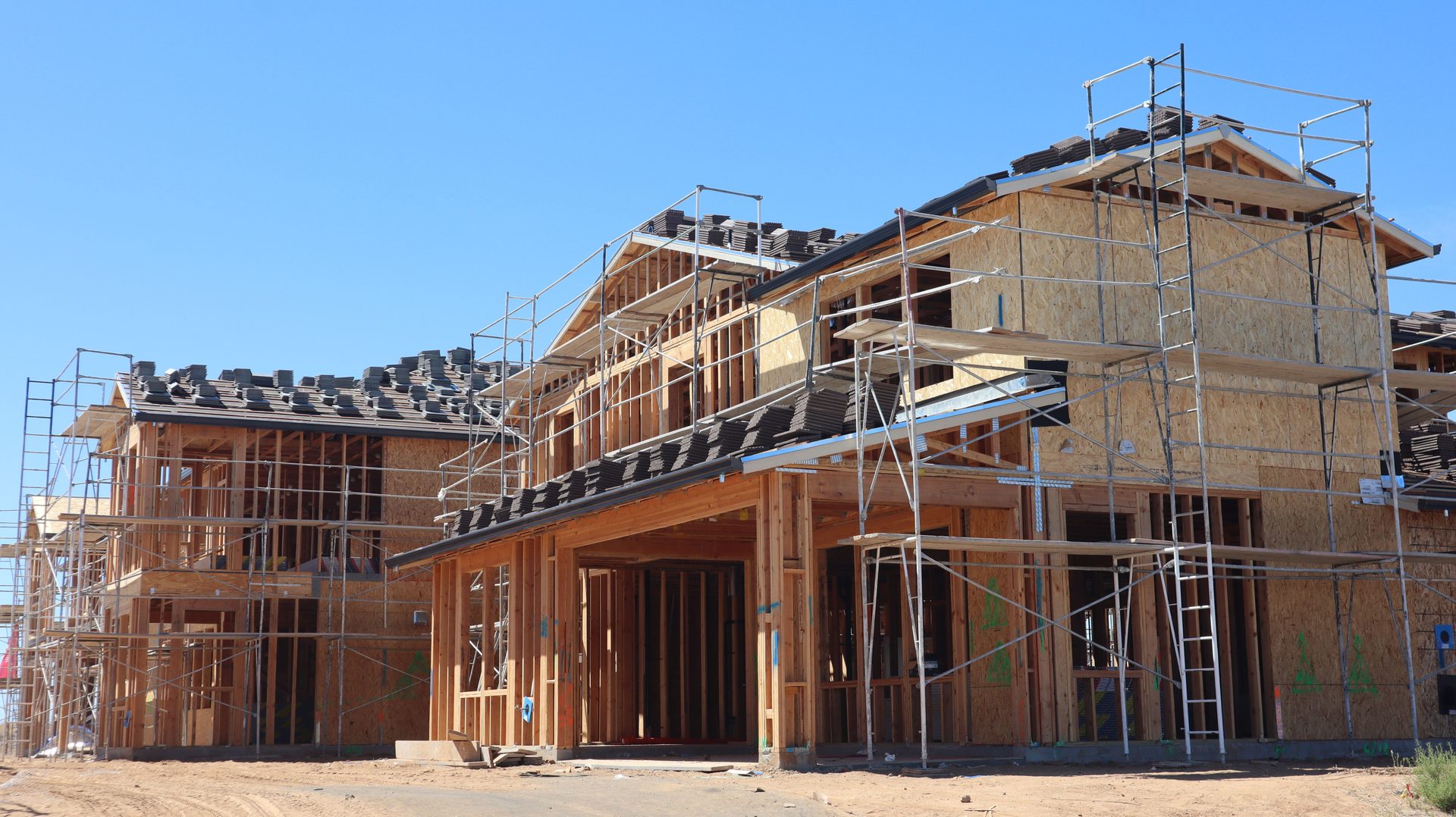
Chicago is one of the most dynamic cities in the Midwest, but building a home here comes with a price tag that surprises many first-time builders. Between union labor rates, strict permitting requirements, frost-line foundations, and premium land costs, the Windy City stacks up expenses that you simply won’t encounter in most other markets.
Whether you’re planning a custom build in Lincoln Park or a modular home in the south suburbs, understanding where your money actually goes is the first step to avoiding budget blowouts. This guide breaks down every major cost category so you can plan your Chicago home build with clear, realistic numbers.
Average Cost to Build a House in Chicago
The cost to build a house in Chicago averages around $410,285, with most projects falling between $206,000 and $635,000. That’s a wide range, and for good reason — a modest modular build on the south side of the metro looks nothing like a custom brick home near the lakefront.
In Chicago, the average cost to build a custom home is approximately $380,000, excluding land costs. When factoring in expenses such as land acquisition, excavation, and permits, the total can exceed $500,000. For luxury builds, the ceiling is even higher.
Nationally, the average cost to build a custom home is around $323,026, with most projects ranging between $138,937 and $531,294. These figures do not include land costs. Compared to these national averages, building a custom home in Chicago tends to be more expensive, reflecting the city’s higher construction and labor costs.
Key Insight: Chicago sits in the mid-range of large U.S. cities for construction costs — more affordable than New York or San Francisco, but meaningfully more expensive than most Midwest and Southern metros.
The construction timeline typically ranges from 9 to 12 months. That window does not include the time you’ll spend acquiring land, finalizing plans, and navigating the city’s permitting process, which can add several more months to your total project timeline.
Cost to Build a House Per Square Foot in Chicago
Per-square-foot costs vary significantly depending on where in the metro you build and what finish level you choose. As of 2025, the average cost to build a home in Chicago ranges from $250 to $650 per square foot. Custom and luxury projects push toward the top of that range, while modular or prefabricated builds can come in well below it.
| Construction Grade | Cost Per Square Foot | Best For |
|---|---|---|
| Modular / Prefabricated | $100–$200 | Budget-conscious builders, suburban lots |
| Standard Grade | $150–$180 | Entry-level custom builds |
| Premium Grade | $180–$220 | Mid-to-high-end finishes |
| Luxury Grade | $220–$270+ | High-end materials, custom architecture |
| Ultra-Luxury / Downtown | $300–$500+ | Premium neighborhoods, lakefront builds |
The cost per square foot for building a custom home in Chicago varies based on the quality of construction: Standard Grade Construction runs $150 to $180 per square foot; Premium Grade Construction runs $180 to $220 per square foot; and Luxury Grade Construction runs $220 to $270 per square foot.
Location within the metro plays just as big a role as finish level. Regional building cost estimates for 2025 show: Downtown Chicago at $300–$500 per square foot; Northwest Suburbs at $250–$350 per square foot; South Suburbs at $200–$275 per square foot; and Outskirts/Rural Areas at $150–$225 per square foot.
For a concrete example: building a 2,500-square-foot custom home in Chicago’s northwest suburbs typically ranges from $625,000 to $875,000, which equates to approximately $250 to $350 per square foot. If you’re eyeing a downtown or near-lakefront location, budget considerably more. You can also explore what apartments cost in Chicago to compare housing options in the city.
Pro Tip: A single-story ranch home typically costs more per square foot than a two-story home of the same total square footage — because you need a larger foundation and more roof area for the same living space. Going vertical can stretch your budget further.
Cost Breakdown: What You’re Actually Paying For in Chicago
A home build is not a single transaction — it’s a cascade of overlapping costs that can catch you off guard if you’re only focused on the headline number. Here’s how the major line items break down for a Chicago custom build.
Site Work and Pre-Construction
Site work — including land preparation, excavation, soil testing, architectural plans, and utility connections — typically costs between $35,000 and $75,000. If you’re building on a previously occupied lot, demolition adds another layer of cost. In Chicago, house demolition costs range roughly from $11,000 to $23,000 depending on the size of the house.
Foundation
Depending on the home’s size and complexity, foundation costs range from $75,000 to $200,000 for a full basement. Chicago’s climate plays a role here, since foundations must be built to handle deep frost lines. Basements are standard in Chicago homes and add both cost and usable square footage.
Framing
The structural framing, including walls, floors, and roof, generally costs between $100,000 and $200,000. This is often the single largest hard-cost line item after the foundation.
Exterior Work
Exterior work — including roofing, windows, doors, and siding — can total between $125,000 and $350,000+, with the higher end assuming a stone or brick finish. Exterior and interior finishes make a big difference, since things like siding, roofing, flooring, and countertops can push costs higher depending on the materials you pick and how they hold up to Chicago’s climate.
Mechanical Systems (HVAC, Plumbing, Electrical)
HVAC, plumbing, and electrical installations add another $105,000 to $250,000 to the budget. Individual pros like plumbers, electricians, and HVAC installers often bill $100 to $175 per hour, which is somewhat higher than national averages due in part to Chicago’s union rates and the city’s higher cost of living.
Interior Finishes
High-end materials like hardwood flooring, custom cabinetry, and designer lighting can cost between $200,000 and $400,000. This is where budget overruns most commonly occur, since finish selections are often made mid-project when it’s difficult to pull back.
Landscaping and Final Steps
Landscaping, driveways, fencing, and other finishing touches can add another $50,000 to $100,000. Many builders underestimate this category, particularly in Chicago where winter-hardened landscaping and proper drainage require real investment.
General Contractor Fees
General contractors usually charge 15% to 20% of the total construction cost for overseeing the project and coordinating tradespeople. On a $500,000 build, that’s $75,000–$100,000 in management fees alone.
Permits
The Department of Buildings issues permits for all new residential construction in Chicago. Fees are based on the project’s estimated cost and square footage, with a minimum of $302. A single-family home permit can range anywhere from $500 to $5,000. Extra costs can come up if the project needs a zoning variance, an expedited review, or environmental approval. Because Chicago enforces strict building and energy codes, plan for added time and expense during plan reviews and inspections.
Important Note: Chicago’s sales tax rate is approximately 10.25% — one of the highest in the country. Contractors pay that rate when purchasing building materials, and it gets factored into the price you’re quoted. Plan for it rather than treating quoted prices as pre-tax figures.
Furnishings
For a 2,000 sq ft home, you should budget at least $20,000 for interior furnishings. Larger homes or higher-end tastes will push this number significantly higher.
Cost of Land in Chicago
Land is one of the most variable and often underestimated costs in a Chicago home build. The cost of land itself in Chicago varies wildly by location — from relatively affordable lots on the fringes to expensive parcels in prime neighborhoods.
Average cost per acre in Chicago ranges from $500,000 to $2 million, depending on location within the city. Neighborhoods farther from downtown, like Humboldt Park or Avondale, offer more affordable options than premium areas like Lincoln Park. These figures reflect in-city land; suburban and exurban lots are far more attainable.
For buyers looking at the broader metro area, the average price per acre in Chicago is $29,300, though this depends on the size and location of the land. That statewide-influenced average does not reflect what you’ll pay for a buildable lot in a desirable Chicago neighborhood, where land alone can consume a large portion of your total budget.
Beyond the purchase price, prepare for site preparation costs. You must clear and level the land before construction, which can cost anywhere between $1,500 and $3,000. In built-up urban areas, the more likely scenario is a teardown. In built-up areas of Chicago, “new construction” often means tearing down an old home first — and demolition is not cheap.
| Land Location | Estimated Cost Per Acre | Notes |
|---|---|---|
| Downtown / Premium Neighborhoods | $500,000–$2 million+ | Lincoln Park, River North, Gold Coast |
| Mid-City Neighborhoods | Varies widely | Logan Square, Avondale, Humboldt Park |
| Northwest Suburbs | $100,000–$300,000+ | Naperville, Arlington Heights, Barrington |
| South Suburbs | $30,000–$100,000 | More affordable, longer commutes |
| Outskirts / Rural Areas | $10,000–$40,000 | Best for modular or prefab builds |
If you’re comparing housing markets across the Midwest, you might also want to look at apartment costs in Ohio or apartment costs in Michigan to understand how Chicago’s land and housing costs compare to neighboring states.
Factors That Affect Building Costs in Chicago
No two Chicago home builds cost the same, and several city-specific factors push costs higher here than in most other markets.
Union Labor
The prevalence of unionized labor in Chicago can elevate labor costs significantly. City crews are often unionized, costing 10–30% more than comparable non-union work in suburban or rural areas. Skilled labor shortages remain a challenge in Chicago, particularly among electricians, plumbers, and HVAC specialists, impacting both timelines and costs.
Climate and Frost Lines
Chicago’s harsh winters directly affect construction costs. Winter builds need heated enclosures, and crews might charge a premium or offer off-season discounts. Spring is the busiest season — schedule early. Foundations also require deeper excavation to get below the frost line, which adds both material and labor costs compared to warmer-climate builds.
Permitting Complexity
Because Chicago enforces strict building and energy codes, plan for added time and expense during plan reviews and inspections. Chicago requires general contractors to register with the city and obtain a contractor license. Trade professionals in the city, like electricians and plumbers, also need their own credentials. All licensed contractors in Chicago are required to carry general liability insurance and workers’ compensation coverage.
Design Complexity and Home Size
Material choices — from high-end cabinetry and appliances to natural stone surfaces and specialty flooring — can significantly increase expenses. Architectural complexity matters just as much. Projects tend to land toward the lower end of the cost range when the design is efficient, the site is straightforward, and finishes are modest but well chosen.
Property Taxes After Completion
Bigger costs can come after the house is done being built because Cook County sets property taxes based on what your home is worth. When you finish new construction, the county updates its records to show the house is new, and your property tax bill increases to match the higher value. This means that even if your lot was taxed at a low amount before, you’ll start paying property taxes at the full value of the completed home going forward.
Urban Site Constraints
Urban sites typically involve additional permitting, complex foundation work, and access considerations that suburban or rural sites do not. Dense urban lots may need crane hoisting or street permits. Suburbs with more space let crews work faster and cheaper.
Common Mistake: Builders often budget for construction costs but forget to account for the post-completion property tax increase. In Cook County, your tax bill will be recalculated at the full assessed value of the new home — sometimes doubling or tripling what the vacant lot was taxed at.
Material Price Volatility
Steel, lumber, and drywall prices in Chicago rise due to tariffs and supply chain issues, leading to price surges. Locking in material prices early or using price-hold agreements with your contractor can protect your budget from mid-project cost spikes.
Building vs. Buying a House in Chicago
The build-vs-buy decision in Chicago is more nuanced than in most cities. The existing housing market offers a real alternative worth examining before you commit to a ground-up build.
As of February 2026, the average home value in Chicago, IL is $315,024, up 1.6% over the past year, and goes to pending in around 12 days. That’s a dramatically faster and often cheaper path to homeownership than a custom build — but it comes with trade-offs.
Buying is usually a faster and cheaper option than building. While new homes take 9–12 months to complete, homes for sale in Chicago close in just 1–2 months, with more listings and lower prices. If speed and cost efficiency are your priorities, buying an existing home is hard to beat in this market.
| Factor | Building | Buying |
|---|---|---|
| Average Cost | $380,000–$500,000+ (excl. land) | ~$315,024 median home value |
| Timeline | 9–12+ months | 30–60 days to close |
| Customization | Full control over design | Limited to what’s available |
| Repairs & Maintenance | Minimal in early years | Possible immediate costs |
| Location Flexibility | Limited buildable lots in top neighborhoods | Wide selection across all neighborhoods |
| Financing | Complex construction loan required | Standard mortgage process |
| Energy Efficiency | Built to current codes | May need upgrades |
When comparing building a house versus buying, consider flexibility versus convenience. Building allows full customization but requires more time and planning. Buying a completed home may be quicker, but it limits design freedom.
Building a new home in Illinois costs about 40% more on average than buying an existing home — in large part due to regulatory hurdles and higher construction expenses. That gap is hard to ignore unless you have specific design requirements that an existing home simply cannot meet.
On the financing side, unless you’re cash-rich, you’re almost certainly going to need a loan whether buying or building. Mortgages for house purchases are much more straightforward than those for construction, and you can even get pre-approved by your lender and then shop around for the ideal house. Construction loans typically require a higher down payment, stricter qualification criteria, and convert to a standard mortgage only after the home is complete.
Finding buildable land in established neighborhoods with good schools is really tough. Most desirable suburban lots were developed years ago. Building often means going further from urban centers or accepting less-developed areas where infrastructure is still catching up. If a specific Chicago neighborhood is non-negotiable for your family, buying is likely the more realistic path. You can also explore Chicago apartment costs if renting while you plan your build is an option. For comparison, check out housing costs in other major metros like Washington D.C., Miami, and San Francisco.
How to Save Money When Building a House in Chicago
Building in Chicago is expensive by nature, but there are practical strategies that can meaningfully reduce your total project cost without sacrificing quality where it matters most.
Build in the Off-Season
Winter builds need heated enclosures, and crews might charge a premium or offer off-season discounts. Scheduling your project to start in late fall or early winter can sometimes unlock better contractor availability and pricing, since spring and summer are peak season in Chicago. Just make sure your contract addresses weather-related delays and the cost of any required heated enclosures.
Consider the Suburbs
The cost differential between building in Chicago proper and building in the suburbs is substantial. Suburbs like Naperville or Glenview offer lower permit costs, more flexible zoning laws, and easier site access — all of which reduce your total build cost. If commute distance is manageable, the south or northwest suburbs can deliver a significantly larger home for the same budget.
Choose an Efficient Floor Plan
Projects tend to land toward the lower end of the cost range when the design is efficient, the site is straightforward, and finishes are modest but well chosen. Open floor plans with simple rooflines, fewer load-bearing walls, and rectangular footprints cost less to frame, roof, and finish. Avoid cantilevered sections, complex angles, and vaulted ceilings unless they’re central to your vision.
Consider Modular or Prefabricated Construction
Modular or prefabricated homes in the Chicago area run $100–$200 per square foot — a fraction of the cost of a custom site-built home. Factory construction is less affected by weather delays, and assembly on-site is faster. This approach works best on suburban or exurban lots where zoning allows it and site access is straightforward. You might also find value in exploring a greenhouse build if you’re adding outbuildings to your property.
Lock In Material Prices Early
Lumber prices have risen significantly in recent years. Material on-hold or price-locked purchases help avoid delays or surprises. Work with your contractor to identify which materials have the most price volatility and lock in pricing before construction begins. Steel, lumber, and drywall are the most common sources of mid-project cost spikes.
Budget a Contingency Fund
For most projects, planning for around a 20% contingency is typically recommended, depending on scope and existing conditions. In Chicago specifically, unexpected costs from failed inspections, code-compliance upgrades, or weather delays are common enough that a contingency isn’t optional — it’s essential. Allocating an additional 10–20% of your budget for unforeseen expenses is the single most reliable way to avoid a financial crisis mid-build.
Get Multiple Bids and Verify Credentials
Start by reading contractor reviews and requesting project portfolios to gauge quality and experience. Verify licenses and insurance, then interview multiple contractors. Compare bids, timelines, and guarantee clear contracts to confidently choose a reliable professional. In Chicago’s union-heavy labor market, getting at least three bids is especially important, since rates can vary considerably between contractors even for the same scope of work. For additional context on housing costs across the country, check out what it costs to live in cities like Las Vegas, Phoenix, or Manhattan.
Pro Tip: Ask your contractor about purchasing materials directly yourself for high-ticket items like appliances, fixtures, and flooring. You avoid the contractor markup on those items, which can run 10–20% above retail. Just confirm your contractor is comfortable with owner-supplied materials before signing your contract.
Building a house in Chicago is a serious financial undertaking, but it’s one that can deliver exactly the home you want in one of America’s most vibrant cities. The key is going in with accurate numbers, a realistic contingency, and a clear-eyed view of where the costs are actually coming from — so nothing on your final invoice catches you off guard.