
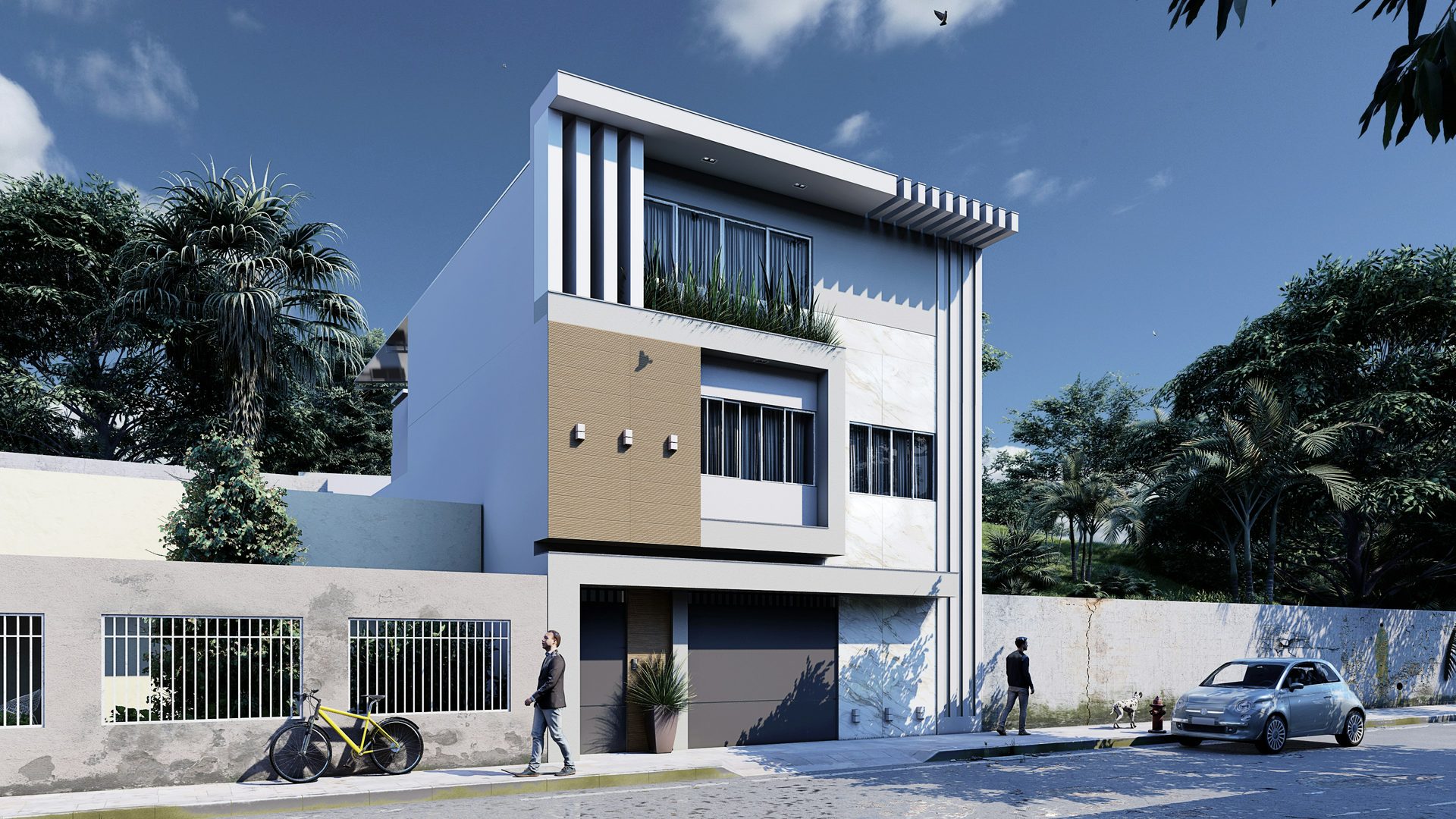
Tennessee has become one of the most sought-after states for new home construction, drawing buyers with no state income tax, scenic landscapes, and a cost of living that still undercuts most coastal markets. But before you break ground on your dream home in the Volunteer State, you need to know exactly what you’re getting into financially.
Building a house in Tennessee is not a single-price proposition. Your total bill depends on where in the state you build, what finish level you choose, how much land preparation your lot requires, and which city or county’s permitting rules apply to your project. This guide walks you through every major cost category so you can plan your budget with confidence — not guesswork.
Average Cost to Build a House in Tennessee
The average cost to build a house in Tennessee is $360,000 to $700,000 for a typical 2,000-square-foot home, not including the cost of the land or site prep. That wide range reflects the real diversity of the Tennessee market, from budget-friendly rural builds to high-end custom homes in Nashville’s suburbs.
The cost to build a house in Tennessee is $180 to $350+ per square foot on average. The price depends greatly on whether you opt for a basic builder-grade home or a custom home with upgraded finishes and fixtures. Costs for high-end custom homes can exceed $500 per square foot.
To put a mid-range scenario in concrete terms, consider a 2,000-square-foot home in Middle Tennessee with moderate finishes. On a gently sloping lot with decent soil, choosing mid-range flooring, basic granite counters, and standard lighting, a rough breakdown looks like this: land at $40,000 for a one-acre lot just outside a growing suburb, site prep at $5,000, a crawl space foundation at $12,000, framing/roofing/exterior at $120,000, plumbing and electrical at $30,000, interior finishes at $50,000, HVAC at $8,000, permits and fees at $5,000, and miscellaneous/contingency at $20,000 — totaling $290,000 not counting land, or about $145 per square foot. Once you include the land, you’re at $330,000.
Key Insight: Tennessee’s geography plays a major role in your final number. The state is a diverse patchwork of regions, from the flat farmland of West Tennessee to the rolling hills of Middle Tennessee and the mountainous terrain in East Tennessee — and that geography alone means your build costs can vary wildly, not to mention local building codes, labor rates, and the market’s current appetite for construction.
Building a house in Tennessee takes 8 to 14+ months after the design is complete. The total construction time depends on the home size, whether you opt for a builder-grade model or custom home, the condition of the home site, weather conditions, and labor and material availability.
Cost to Build a House Per Square Foot in Tennessee
The per-square-foot figure is the most useful starting point for budgeting, but it varies considerably depending on home type, city, and finish level. Here is a breakdown of what you can expect across different home tiers and major Tennessee cities.
| Home Type | Cost Per Square Foot | Typical Total (2,000 sq ft) |
|---|---|---|
| Craftsman Bungalow (entry-level) | $130 – $164 | $260,000 – $328,000 |
| Mid-Range / Cottage Style | $164 – $360 | $328,000 – $720,000 |
| High-End / Luxury | $360 – $524+ | $720,000 – $968,000+ |
In Tennessee, the most affordable home style to build is the craftsman bungalow. Its simple design and lightweight materials make construction faster and more cost-effective compared to brick or concrete homes, which means you can move in sooner while keeping costs lower.
High-end or luxury homes in the $360–$524 per square foot range include Spanish-Mediterranean architecture and colonial revival styles. With heavy ornamentation coupled with expensive finishes and fittings, building a luxury home in Tennessee can cost between $665,589 and $968,130.
City location also significantly shifts your per-square-foot cost:
| City | Avg. Cost Per Sq Ft | Notes |
|---|---|---|
| Nashville | $193+ | Highest demand; suburbs like Brentwood and Franklin push costs up |
| Memphis | $108 – $150 | Most affordable major city in the state |
| Knoxville | $110 – $140 | Lower cost of living; popular college town |
| Chattanooga | $112 – $160 | Rising prices due to outdoor lifestyle demand |
| East Tennessee (rural/custom) | $150 – $250 | Mountain terrain can add complexity |
Nashville and its suburbs are the priciest areas in the state, with an average cost per square foot of $193.24 in most areas. Memphis is the cheapest major city in the state per square foot, clocking in at $108.50. If you’re weighing housing options in Tennessee more broadly, it’s also worth looking at what apartments cost across the state to compare renting versus building.
Pro Tip: Permits, insurance, and connection to utilities are often excluded from per-square-foot quotes, and can quietly add $15,000–$40,000 more to your total. Always ask your builder for an all-in estimate before signing anything.
Cost Breakdown: What You’re Actually Paying For in Tennessee
Understanding where your money goes helps you make smarter trade-offs during the design phase. Here are the major cost categories for a new home build in Tennessee.
Foundation: Building a foundation costs $6 to $14 per square foot on average for a concrete slab, which is one of the cheapest and most popular types for new home construction in Tennessee. Crawl space foundations are also common in Tennessee and make it easier to repair and maintain plumbing and HVAC lines. A crawl space foundation costs $15 to $18 per square foot.
Framing: Framing a house costs $30,000 to $70,000, including the roof trusses. Framing makes up a significant chunk of the construction cost and takes 30 to 60+ days, depending on the home’s size and layout.
Roofing: Roof installation costs $6,000 to $20,000 total, depending on the material. Asphalt shingles are a popular roofing choice for new Tennessee homes and fall within this price range. In comparison, a metal roof costs $13,500 to $40,000.
Materials (Overall): Material costs make up about 50% of overall construction prices. Homeowners can expect to spend approximately $50 per square foot on material costs. It’s worth noting that material costs can fluctuate, with some products experiencing price hikes and shortages, while others may see more stable pricing.
Interior Finishes: The interior is where costs can escalate quickly depending on your preferences.
- Flooring costs $4 to $15 per square foot on average with installation.
- Cabinets cost $150 to $500 per linear foot or $4,500 to $15,000+ total with installation, depending on if they’re stock or custom units.
- Countertops cost $50 to $150 per square foot installed, depending on the material.
- Painting costs $1 to $3 per square foot of wall or ceiling surface.
- New appliances cost $200 to $2,300 each on average, depending on the brand, model, and features.
Labor: Labor expenses account for 35–50% of total project costs, with variations based on the complexity of work. Rough or pre-finishing work generally makes up 35–40%, while finishing work can range from 40–50%. Estimated labor costs run $45–$261 per square foot, depending on home type and project scope.
Permits and Fees: The national average for building permits and inspections is around $5,086, but in Tennessee the price is just under $2,000, so you will save a little with permitting and inspections in Tennessee. Many communities will charge an impact fee of about $3,800 to pay for new infrastructure. If you’re using an architect for a truly custom home, you can expect to pay, on average, $4,335.
Important Note: Additional costs can often arise during the construction process, such as unexpected site conditions, changes in the design, or unforeseen expenses. It’s essential to account for a contingency budget to cover these potential surprises and ensure the project stays on track. Most builders recommend setting aside 10–15% of your total budget as a contingency.
Utilities and Hookups: Running power to a new house costs $5 to $25 per linear foot, which can result in higher costs for rural homes set back from the road on large pieces of land. Beyond construction and permits, you’ll also need to budget for utility connections: water/sewer runs $3,000–$8,000, and electric hookup runs $1,500–$5,000.
Furnishings: For a 3,000 sq ft home, you should budget at least $30,000 for interior furnishings. This is often overlooked in early budget planning.
Cost of Land in Tennessee
Land is one of the most variable costs in the entire build process, and getting it wrong can blow your budget before construction even starts. Tennessee offers a wide range of land prices depending on how urban or rural your target area is.
The average cost of land in Tennessee is $5,000 to $12,000 per acre, but costs vary significantly by location. An acre of rural farmland may cost only $4,000, while prices for land near major cities like Nashville or Knoxville can exceed $300,000 per acre.
Land costs can swing from $2,000 an acre in a remote corner to $100,000 or more for a modest lot in a popular suburb. Here is how land pricing typically breaks down by zone:
| Zone | Typical Price Per Acre | What to Expect |
|---|---|---|
| Urban (Nashville, Knoxville core) | $50,000 – $300,000+ | Small lots, utilities ready, premium location |
| Suburban | $15,000 – $75,000 | Medium lots, developing areas, good value |
| Rural | $3,000 – $25,000 | Larger parcels, may need well/septic, more privacy |
Beyond the purchase price, you need to budget for site preparation. Excavation costs $1,500 to $10,000 to level and grade the site before building a foundation. Costs can be significantly higher — sometimes exceeding $100,000 — if the site requires extensive dirt work, has steep slopes, or requires excavating with a jackhammer or blasting in rocky areas.
A land survey costs $400 to $1,800 for new home construction. The survey identifies property boundaries and marks the proposed foundation borders and locations of utility lines.
Pro Tip: If you need to install a septic system, you’ll need to get a percolation test (perc test), which determines the soil absorption rate and shows how many bedrooms your septic system can accommodate. It’s best to perform the perc test before purchasing the land.
Tennessee also has a unique land designation worth understanding. Only agricultural land, forest land, and open space qualify for Tennessee’s Greenbelt designation. If you build a house on Greenbelt land, that portion of the land will be disqualified from Greenbelt status and will not receive the property tax reduction. Greenbelt Law does allow property owners to exclude a one-acre home site.
If you’re still weighing whether to build in Tennessee or rent while you plan, comparing apartment costs in Tennessee to your projected mortgage can help clarify your timeline. You might also find it useful to see how apartment costs compare in other markets like North Carolina or Ohio if you’re considering your options across states.
Factors That Affect Building Costs in Tennessee
No two builds are the same, and several key variables will push your final number up or down significantly. Understanding these factors before you commit to a budget is essential.
Location Within the State
Tennessee’s geography means your build costs can vary wildly — not to mention local building codes, labor rates, and the market’s current appetite for construction. Some builders quote an average build cost of $120 to $150 per square foot, but that’s a broad brush. In prime urban areas like Nashville’s outskirts or certain Knoxville suburbs, you could see prices push $200+ per square foot. Meanwhile, more rural pockets might come in cheaper, assuming you have easy access to utilities and a decent pool of contractors.
Home Size and Layout
Layout matters beyond just square footage. A single-story home spread out across a lot may cost more per square foot than a two-story home with the same square footage. Complex layouts, vaulted ceilings, extra bathrooms, and bonus rooms can all add to the price.
Material Choices
From the type of siding you choose to the quality of your kitchen cabinets, materials can shift your budget drastically. For example, laminate countertops are much more budget-friendly than granite or quartz, and standard tile is often more cost-effective than intricate patterns.
Terrain and Soil Conditions
In some areas — especially near rivers or in East Tennessee’s clay-heavy soils — you might need specialized foundation work if your soil can’t handle a standard slab. East Tennessee can also have mild seismic activity, and some areas near ridgelines require heavier wind bracing, meaning more specialized construction equals more cost.
Permits, Building Codes, and HOA Rules
Tennessee’s building codes vary by county, city, and sometimes the random, unincorporated patch you found on a back road. Some places are looser with codes, while others require rigorous inspections. You’ll likely shell out for building permits, septic permits, and driveway permits. Impact fees for new construction can add thousands, especially in growth-heavy counties trying to fund infrastructure.
If your dream lot sits in a planned community, watch out. Some HOAs impose specific architectural guidelines, minimum square footage, or mandatory materials — all of which can significantly increase your costs.
Custom vs. Production Home
Production homes, which are built using pre-designed floor plans, tend to have lower costs. A 2,000-square-foot production home in Tennessee would cost approximately $282,500, based on an average cost of $141.25 per square foot. Meanwhile, custom homes designed and built to the homeowner’s specifications are generally more expensive. In Tennessee, custom homes can range from $360,000 to $700,000 for a typical 2,000-square-foot home, with the cost per square foot varying from $180 to $350 or more depending on the level of customization and finishes.
Rural Labor Access
If you’re building in a remote area, you might face travel surcharges or struggle to find specialized talent. This is particularly relevant in parts of East and West Tennessee where the contractor pool is thinner.
Common Mistake: Relying on a single contractor quote without getting multiple bids. Always ask for a clear, itemized contract with cost breakdowns and payment schedules, request at least three client references, and review examples of past work. Competitive bidding is one of the most effective ways to keep your build on budget.
Building vs. Buying a House in Tennessee
One of the biggest decisions you’ll face is whether to build from scratch or purchase an existing home. Both paths have real financial and practical trade-offs worth understanding before you commit.
It is usually cheaper to buy a house than build one in Tennessee, but it depends on the location and whether you build a basic builder-grade home or a custom home. According to the most current real estate market data, the median sale price for single-family homes in Tennessee is $396,000.
On average, buying a home in Tennessee costs about $383,300, while constructing one can reach $425,000 or more due to labor and material expenses. That gap widens further when you factor in land, permits, and utility hookups on the build side.
| Factor | Building | Buying |
|---|---|---|
| Typical Cost | $425,000+ (excl. land) | ~$383,300 median |
| Timeline | 8–14+ months | 1–2 months to close |
| Customization | Full control | Limited without renovation |
| Repairs/Updates Needed | None (new construction) | Possible, varies by age |
| Energy Efficiency | Modern standards built in | May need upgrades |
| Hidden Surprises | Construction delays, cost overruns | Deferred maintenance, inspection findings |
Advantages of Buying:
- Buying lets you move in faster — you can occupy the property as soon as the sale is done, instead of waiting for construction to finish.
- Purchasing an existing home often means being part of a community with established amenities and services.
- In a buyer’s market, you may negotiate lower prices or ask sellers to cover closing costs.
Advantages of Building:
- Building new offers long-term value through modern energy efficiency (saving 30–50% on utilities), no immediate repairs, warranties, and complete customization.
- You avoid bidding wars on existing inventory and get exactly the layout you want from day one.
- In many cases, building a house can offer better value than buying, especially if you’re looking for something tailored to your family’s needs. While construction costs can be comparable to purchasing an existing home, building allows you to avoid renovations and design the perfect layout from the start.
If you’re currently renting while you plan your build, it’s worth benchmarking what you’re spending. You can compare rental costs in markets like Miami, Washington D.C., or San Francisco to understand just how much Tennessee’s housing market differs from high-cost metros.
How to Save Money When Building a House in Tennessee
Building a home doesn’t have to mean blowing your budget. With the right strategy, you can control costs without sacrificing the quality of your finished home.
1. Choose a Simpler Floor Plan
Complex layouts with multiple roof angles, bump-outs, and custom ceiling details add labor and material costs quickly. A straightforward rectangular or L-shaped floor plan is significantly cheaper to frame and finish. A single-story home spread out across a lot may actually cost more per square foot than a two-story home with the same square footage, so going vertical can sometimes save money.
2. Build in a Less Urban Area
Using modular or prefab designs, building in rural areas, and opting for simple layouts are proven ways to reduce costs. Land is dramatically cheaper outside of Nashville and Knoxville, and labor pools in growing suburban areas often offer competitive rates.
3. Get Multiple Contractor Bids
If you’re especially budget-conscious, take the time to do your homework on the builder about their ability to stay on budget. Talk to recent customers and read online reviews, or ask an experienced Realtor about the builder’s reputation. It’s key that you choose the right builder who knows how to give you an accurate quote and stick to it.
4. Use Production Home Plans Instead of Custom Architecture
Production homes, which are built using pre-designed floor plans, tend to have lower costs — a 2,000-square-foot production home in Tennessee would cost approximately $282,500, based on an average cost of $141.25 per square foot. Using a builder’s existing plans eliminates architect fees and speeds up permitting.
5. Time Your Material Purchases Strategically
Material costs can fluctuate, with some products experiencing price hikes and shortages, while others may see more stable pricing. Working with your builder to lock in material prices early — especially for lumber and steel — can protect you from mid-project cost spikes.
6. Consider a Greenhouse or Accessory Structure Separately
If you’re planning additional structures on your property, budget them as separate projects. For example, if you’re interested in adding a greenhouse to your Tennessee property, reviewing what it costs to build a greenhouse separately will help you prioritize your main home build budget first.
7. Explore Down Payment Assistance and Construction Loans
Tennessee offers several homebuyer assistance programs that may apply to new construction. Construction-to-permanent loans let you finance the build and convert to a traditional mortgage at completion, reducing the number of closings — and closing costs — you pay. Before hiring a builder, confirm they are fully licensed and insured, as required by Tennessee law for projects over $25,000. Ensure the builder carries both General Liability and Workers’ Compensation insurance to protect against liability for on-site injuries or property damage.
8. Build a Contingency Into Your Budget from Day One
Permits, utility hookups, land prep, and finishing materials are often missed in budgets and can add $30,000–$80,000+ unexpectedly. Setting aside 10–15% of your total budget as a contingency fund before you break ground is one of the smartest financial moves you can make as a builder.
Pro Tip: In Tennessee, buying an existing home is typically 10–20% less expensive upfront than building new. However, building new offers long-term value through modern energy efficiency, saving 30–50% on utilities, no immediate repairs, warranties, and complete customization. Run the 10-year total cost of ownership — not just the purchase price — before deciding which path makes more financial sense for your situation.
Building a house in Tennessee is a significant financial commitment, but with the right planning, the right builder, and a realistic budget that accounts for every cost category covered here, it’s also one of the most rewarding investments you can make in the Volunteer State.