Dog Allergies in Spring in Georgia: Symptoms, Causes, and What to Do

April 8, 2026
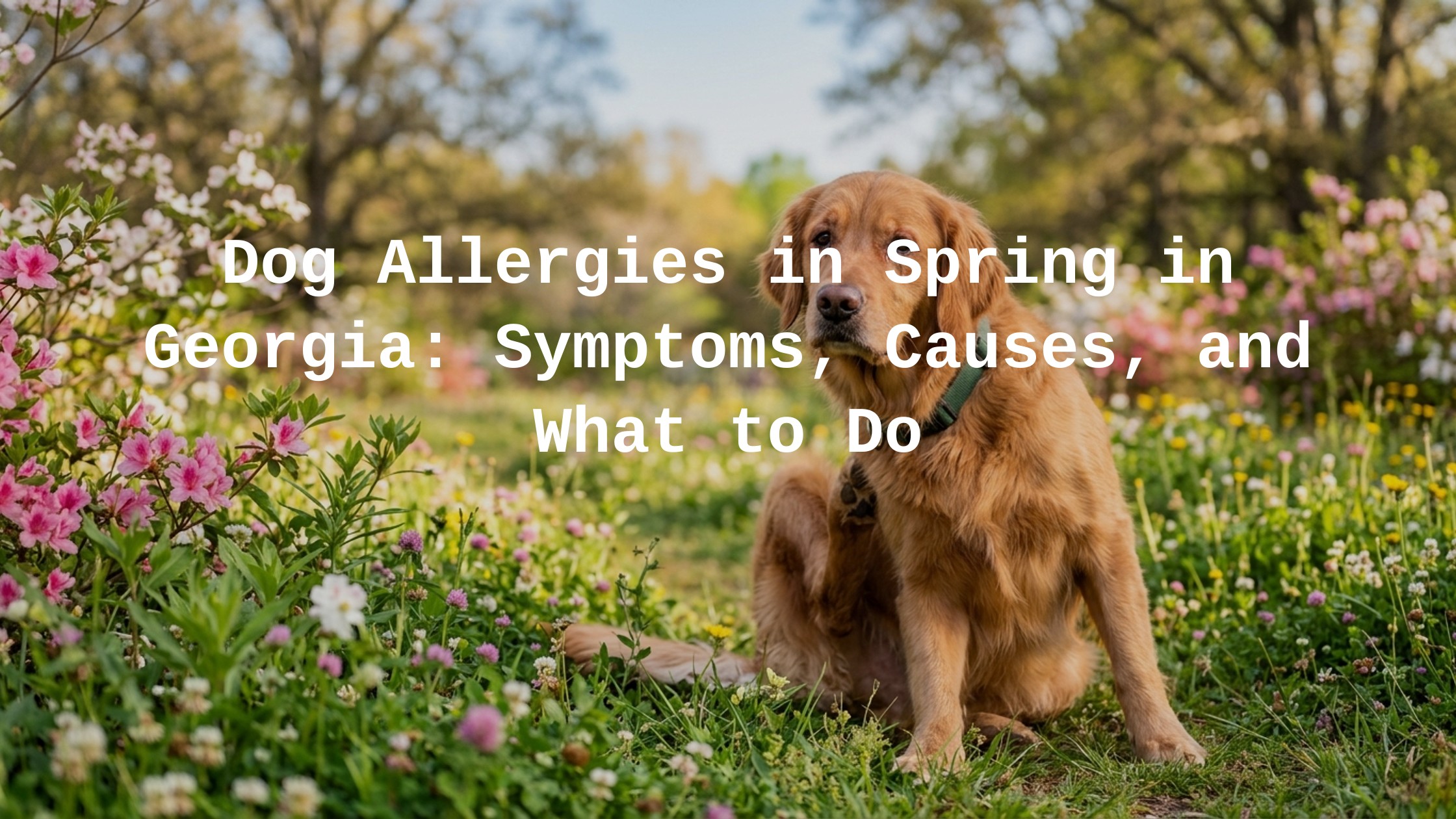
If your dog starts scratching, licking their paws, or shaking their head the moment Georgia’s trees begin to bloom, you are not imagining things. Spring allergy season in Georgia arrives earlier and lasts longer than in most other states, and your dog feels every bit of it.
Understanding what triggers dog allergies in spring in Georgia — and what you can do about them — makes a real difference in your dog’s comfort. This guide walks you through the full picture, from when allergy season starts to when it is time to call your vet.
Key Insight: Dogs experience seasonal allergies very differently from humans. While people sneeze and get watery eyes, dogs react primarily through their skin — meaning itching, paw licking, and ear infections are your main signals to watch for.
When Does Spring Allergy Season Start for Dogs in Georgia
The allergy season in Georgia starts in the spring, but because Georgia has a mild winter, seasonal allergies commonly begin as early as January — a longer allergy season than most other states. That means your dog may start showing symptoms well before you even think of it as “spring.”
The timing also varies by region within the state. In the cooler, higher elevations of North Georgia, pollen season often starts around early to mid-March, with tree pollen from oak, pine, and birch dominating during spring. In Metro Atlanta and Central Georgia, pollen season begins earlier — typically in late February — as the warmer climate prompts trees to release pollen sooner, with tree pollen most intense in early spring, followed by grass pollen in May and June.
South Georgia experiences the earliest and often longest pollen season, starting as early as mid-February, with the warm climate encouraging an extended period of tree, grass, and weed pollen production.
Seasonal allergies tend to peak when plants are in bloom, but allergic reactions may persist even after blooming is over because allergens remain on the surfaces of grass and in the home environment. Allergy season can also be extended because of how far allergens are able to travel with the wind.
Pro Tip: Mark your calendar based on your region. If you live in Atlanta or south of it, start monitoring your dog for allergy symptoms as early as mid-February. In the North Georgia mountains, watch closely from early March onward.
What Causes Dog Allergies in Spring in Georgia
The primary culprits behind springtime allergies in dogs include pollen from trees, grasses, and weeds, which can cause atopic dermatitis or airborne allergies. Other environmental factors such as mold, dust mites, and even the dander of people or other animals can exacerbate your dog’s allergic reactions.
In Georgia specifically, the pollen landscape is particularly intense. In the Athens area and across North Georgia, oak, pine, maple, birch, and cedar trees release significant quantities of pollen from February through May. Pine pollen, which creates the notorious yellow dust coating on cars and surfaces, is less allergenic than other tree pollens, but it is still implicated in sensitization when combined with other allergens.
Bermuda grass, Timothy grass, and ryegrass pollinate from May through September, with peak concentrations occurring in early summer. These grasses are commonly found in lawns and parks throughout Georgia and the surrounding areas. Later in the season, ragweed, pigweed, and plantain produce highly allergenic pollen from August through November. Ragweed is considered one of the most potent allergens and can be carried by wind for hundreds of miles, affecting pets even in urban environments.
Beyond pollen, mold is a significant factor in Georgia’s humid climate. The warm, damp climate of Georgia creates an environment where allergens thrive. Environmental factors like high pollen counts from grasses, weeds, and trees combine with increased mold and dust mite activity in the moist air. These airborne allergens settle on your pet’s fur and skin, triggering reactions in sensitive individuals.
Allergies in dogs occur when the body has an inappropriate immune response to a foreign substance or allergen, resulting in widespread inflammation. It is important to remember that dogs’ immune systems contact the allergens mainly via a skin route, with the respiratory system playing a much smaller role — which is why skin symptoms are so prominent.
Signs Your Dog Has Spring Allergies in Georgia
Knowing what to look for helps you catch allergies early. Seasonal allergies manifest themselves differently in dogs than they do in humans, which may make it more challenging to identify. The signs tend to center on the skin, ears, and paws rather than the nose and eyes.
Common signs to watch for include:
- Excessive scratching and itching: Itching is experienced by nearly all dogs with pollen allergies. The face, ears, paws, armpits, groin, and abdomen are most commonly affected. Some dogs scratch so intensely that secondary skin trauma and hair loss occur.
- Red, inflamed skin: Redness and inflammation are visible on the belly, between the toes, around the eyes, and inside the ear flaps. Hot spots may develop in areas of intense scratching.
- Paw licking and chewing: Dogs frequently lick and chew their paws in response to allergen contact. The paw pads may appear pink or red, and brown saliva staining is often noticed on light-colored fur.
- Ear infections: Recurrent outer ear infection is strongly associated with environmental allergies. The ears may emit an odor, appear red and waxy, or contain dark discharge.
- Hot spots from chewing: Dogs with allergies might compulsively chew on their skin, which can lead to raw, exposed areas known as hot spots. These areas can quickly become infected if left untreated.
- Excessive sneezing: While it is normal for your dog to sneeze on occasion, excessive sneezing is a common side effect of seasonal dog allergies.
Important Note: Unlike food allergies, which cause digestive issues, seasonal allergies primarily affect the skin and respiratory system. If your dog is vomiting or has diarrhea alongside skin symptoms, discuss the possibility of food allergies with your vet as well.
Chronic allergies can lead to more severe health issues like persistent ear infections, skin diseases, and even respiratory problems. The psychological impact on dogs suffering from allergies should not be underestimated. Constant discomfort can lead to stress, anxiety, and a general decrease in their quality of life. Dogs may become less active, less interactive, and show signs of depression.
Which Dog Breeds Are Most Prone to Spring Allergies
There isn’t a single breed that is most prone to allergies, but research shows that certain breeds are diagnosed with allergic skin disease (canine atopic dermatitis) more often than others. These breeds include Labrador retrievers, golden retrievers, West Highland white terriers, French bulldogs, boxers, Chinese shar-peis, and others. This increased risk is thought to be partly due to inherited genetic factors that affect the immune system, though environmental influences also play a role.
Here is a closer look at some of the most commonly affected breeds:
| Breed | Common Allergy Patterns | Key Concern |
|---|---|---|
| Golden Retriever | Skin, ears, paws | Symptoms can start in adolescence (1–3 years) and usually intensify with age. |
| Labrador Retriever | Paw licking, ear infections | Food, flea, contact, bacterial, and inhalant allergies manifest most frequently as skin problems. |
| West Highland White Terrier | Skin, belly, paws | Historically one of the highest-risk breeds for atopic dermatitis. |
| French Bulldog / Bulldog | Skin folds, face | Skin folds trap moisture and allergens, amplifying reactions. |
| Boxer | Skin inflammation | The Boxer’s coat, susceptible to oiliness, can cause itchy, flaky skin and inflammation. |
| Chinese Shar-Pei | Skin folds, dermatitis | Chinese Shar-Peis are prone to atopic dermatitis worsened by their deep skin folds. |
| German Shepherd | Skin, coat | German Shepherds are prone to skin allergies, and their thick double coat can hide inflammation until it gets severe. |
Any dog, purebred or mixed, can develop allergies. Atopic dermatitis in dogs typically first appears between 1 and 3 years of age. If your dog is in this age range and begins showing seasonal symptoms for the first time, it is worth scheduling a veterinary evaluation rather than waiting to see if the symptoms resolve on their own.
How Vets Diagnose Seasonal Allergies in Dogs in Georgia
Accurately diagnosing spring allergies in dogs is an essential step toward helping your pet find relief. The process typically starts with a thorough examination and a detailed discussion about the symptoms you have noticed.
Because diagnosing allergies in companion animals can be quite difficult, veterinarians will often start by ruling out all other possible causes of an itch, such as parasites or food allergies. Diagnosing seasonal allergies in dogs is a process of elimination as much as it is a process of identification. Your vet will begin by ruling out other common causes of itching and skin irritation — including fleas, food allergies, mange, and bacterial or yeast infections — before confirming an environmental allergy diagnosis.
Once other causes are ruled out, your vet may recommend specific allergy testing:
- Blood testing: A blood test, such as Heska’s Allercept or Nextmune’s Pet Allergy Xplorer, is performed by your vet to determine what environmental allergens your dog is most allergic to based on where they live.
- Intradermal skin testing: Intradermal skin testing is performed by a veterinary dermatologist. It involves injecting small amounts of allergens into the skin and monitoring for reactions, which help identify the specific triggers to include in the immunotherapy formulation.
- Skin scrapings and cytology: Diagnostic options can include skin scrapings, cytology, blood tests, or allergy testing to identify specific triggers.
You may be asked about changes in your dog’s behavior, grooming habits, or whether symptoms worsen after spending time outside. Because spring allergies in dogs can often mimic other health conditions, additional diagnostic tests like skin or blood tests may be recommended to identify the specific allergens causing your dog’s discomfort.
Pro Tip: Keep a simple symptom log before your vet appointment. Note when symptoms started, which body parts are affected, and whether they worsen after outdoor time or during specific weather conditions. This information helps your vet narrow down the cause much faster.
How to Treat Spring Allergies in Dogs in Georgia
Though seasonal allergies in dogs cannot be cured, they can be managed to help make your dog more comfortable. Every dog reacts differently to allergy treatments, so various options may need to be explored with a vet to see what works best. Successful allergy management usually requires multiple strategies for both prevention and treatment.
Prescription Medications
Your vet has several effective options available. Oclacitinib (Apoquel®) is an oral medication that is among a new generation of highly effective anti-itch medications for dogs, blocking the itch right at its source, quickly and safely. Cytopoint® is injectable, takes effect within one to three days, and lasts for one to two months. One of the unique advantages of Cytopoint is that it can be given to a dog of any age, and it is a long-lasting seasonal allergy treatment administered every 4–8 weeks via injection.
Steroids like prednisone or prednisolone might be prescribed short-term for severe allergy cases. Steroid use increases hunger, thirst, and urination. Long-term steroid use may weaken the immune system, cause Cushing’s disease, and contribute to diabetes. Because of the dangerous long-term effects of steroids, systemic steroids should only be used for short-term control of symptoms.
Immunotherapy (Allergy Shots)
In some cases, it may be possible to desensitize your pet to the offending allergens through a series of allergy shots or allergen-specific immunotherapy (ASIT). To receive allergy shots, your pet would need to undergo testing with a dermatologist to determine what your pet is allergic to. Improvement can take six months to one year, so pets taking allergy shots often receive other treatments in the meantime.
Topical Treatments and Bathing
Frequent bathing with a hypoallergenic shampoo can be soothing to itchy, inflamed skin. Some shampoos are available over the counter, while others may require a prescription. Bathing also removes allergens from the skin and coat. Bathing affected pets one to two times per week with a shampoo specified by the pet’s veterinarian is recommended to decrease allergen accumulation on the coat.
Supplements
Omega-3 fatty acids are often used in combination with other treatments for dogs and cats with itchy skin due to seasonal allergies. These fatty acids are important components of cells and are thought to improve the skin barrier. Always get a specific dosing recommendation from your veterinarian before starting any supplement.
Common Mistake: Antihistamines that are combined with pseudoephedrine, a decongestant, are NOT safe for pets. Veterinarians advise pet parents to buy antihistamines WITHOUT decongestants, as decongestants are toxic to pets. Always check the label carefully and confirm with your vet before giving any human medication to your dog.
How to Reduce Your Dog’s Exposure to Spring Allergens in Georgia
Reducing your dog’s contact with allergens is one of the most practical things you can do alongside any medical treatment. Managing spring allergies in dogs often requires a combination of approaches to help minimize exposure to allergens and relieve their symptoms.
After-Walk Routines
Since pollen and dust cling to your dog’s fur and paws, wiping them down with a damp cloth or pet wipes after walks can help reduce allergy flare-ups. Plants tend to release most of their pollen early in the morning before 9–10 AM. If you are going to be outside, try to go later in the day. This applies to your dog’s outdoor time as well — a mid-morning or afternoon walk is far less pollen-heavy than an early morning one.
Home Environment
- Clean regularly: Vacuum frequently, wash your dog’s bedding weekly, and use air purifiers to reduce allergens in your home.
- Use air purifiers: Air purifiers help improve air quality in your home by capturing and eliminating some common contaminants that may contribute to your pet’s allergies. Place your air purifier in the room your dog spends most of their time.
- Create a clean sleep zone: Keep your dog’s sleeping area as allergen-free as possible by washing bedding in hot water and keeping windows closed during high-pollen days.
Grooming Practices
Daily paw wipes after outdoor time, consistent brushing sessions to remove loose hair, dander, and trapped allergens, and keeping ears clean and dry to prevent secondary infections that commonly accompany allergies are all helpful grooming practices.
Seasonal allergies in dogs can be managed by determining which seasons trigger a dog’s symptoms and initiating treatment prior to the start of each allergy season. In Georgia, that means being proactive as early as January or February depending on where you live.
Key Insight: Based on a pet’s history, an owner may already know that the dog has allergies every spring and summer, and they should create a proactive strategy with their veterinarian to limit the severity of the clinical signs. Getting ahead of the season is far easier than playing catch-up once symptoms are in full swing.
When to See a Vet About Your Dog’s Spring Allergies in Georgia
Some allergy symptoms can be managed at home with basic precautions, but others require professional care. Knowing when to make that call protects your dog from unnecessary suffering and prevents minor issues from becoming serious ones.
You should schedule a vet visit if you notice any of the following:
- Hair loss, odor, or redness to the skin — these may indicate a skin infection that is secondary to the allergic skin inflammation.
- Hot spots or raw areas — obsessive licking on the skin can result in raw, exposed areas known as hot spots, which can quickly become infected if left untreated.
- Secondary skin or ear infections — these resulting from excessive scratching may require additional treatments such as antibiotics or antifungals.
- Scooting or licking around the rectum — this is a common issue noted with allergic dogs, as the anal glands can become inflamed due to allergies, and the gland can even abscess through the skin.
- Symptoms that do not improve — if home management is not providing relief within a week or two, a vet visit is the right next step.
Self-diagnosing your dog’s allergies and relying solely on home remedies can delay effective treatment and relief. Your veterinarian can perform allergy testing, prescribe medications that offer more targeted relief than OTC options, and recommend dietary changes or supplements that support skin health. In some cases, immunotherapy or allergy shots may be recommended for long-term management.
If your dog’s allergies are severe, recurring, or not well-controlled with standard medications, ask your vet for a referral to a veterinary dermatologist. These specialists can perform intradermal skin testing and formulate a customized immunotherapy protocol that targets your dog’s specific allergens — the closest thing to a long-term solution that currently exists for canine atopy.
Spring in Georgia is beautiful, and your dog deserves to enjoy it. With the right combination of early awareness, consistent home management, and professional veterinary support, most dogs with seasonal allergies can stay comfortable through even the most intense pollen seasons the state has to offer.
This information is for educational purposes only and is not intended as veterinary advice. Always consult with a qualified veterinarian before making health decisions for your pet.