Dog Allergies in Spring in Delaware: Timing, Triggers, and the Right Treatment Plan

April 8, 2026
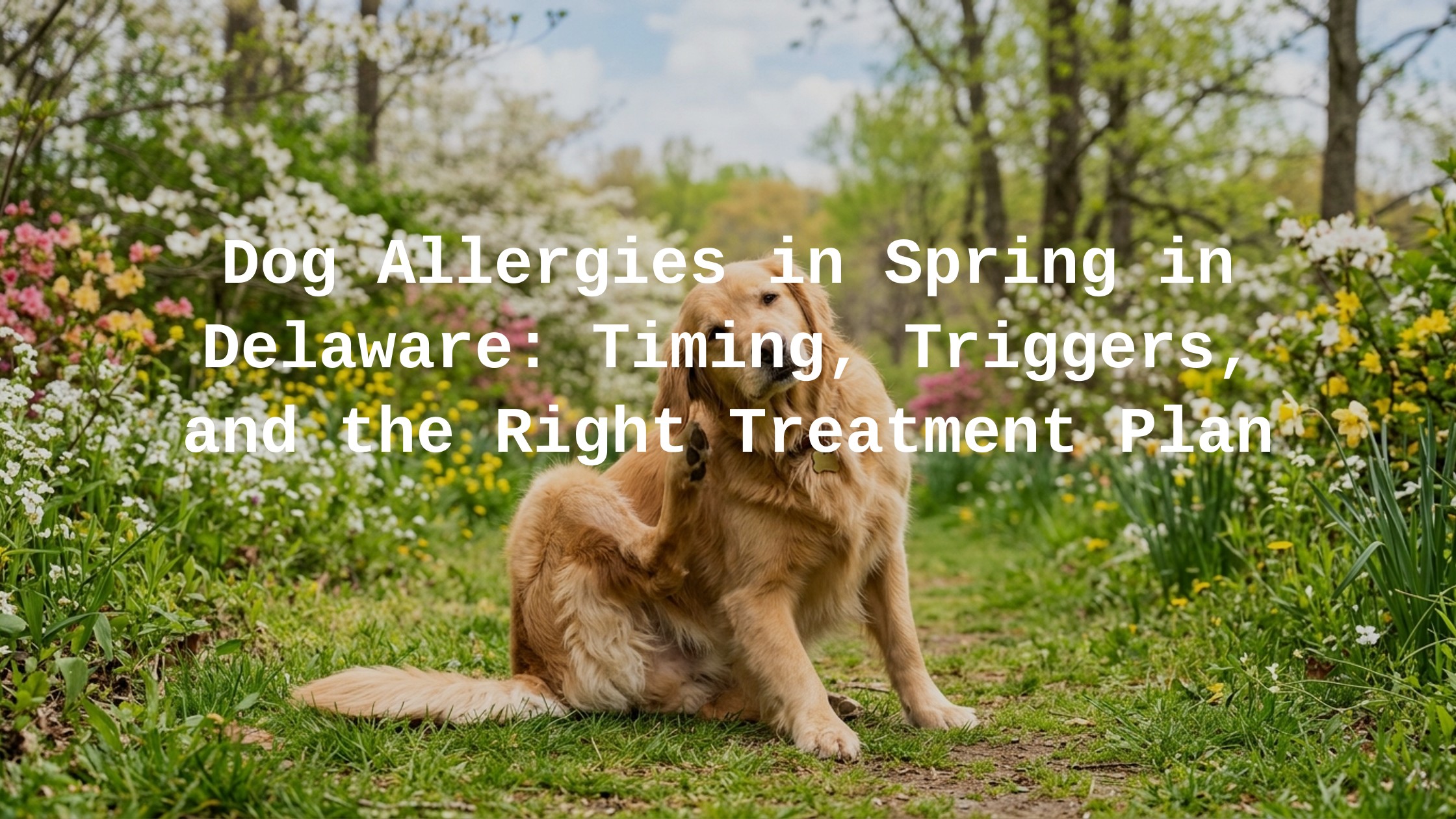
Spring arrives in Delaware with blooming trees, warming temperatures, and rising pollen counts — and for many dogs across the state, that seasonal shift brings something far less welcome: itchy skin, recurring ear infections, and relentless scratching that seems to come out of nowhere.
If your dog starts showing signs of discomfort every year as the weather warms, you’re not imagining it. Seasonal allergies in dogs, also known as atopic dermatitis, occur when a dog’s immune system mistakes harmless substances in the environment for threats. Understanding what’s triggering your dog’s symptoms — and what you can actually do about it — makes a real difference in their comfort and quality of life.
This guide walks you through everything you need to know about dog allergies in spring in Delaware: when allergy season begins, what’s causing the reaction, how to recognize the signs, which breeds are most vulnerable, and what vets recommend for diagnosis and treatment.
Key Insight: Delaware’s spring allergy season is one of the more intense in the Mid-Atlantic region. The long growing season, mild climate, and heavy rainfall all make for perfect allergy conditions.
When Does Spring Allergy Season Start for Dogs in Delaware
Delaware’s allergy season goes from late February to the first hard freeze of winter, with the worst months being March, April, May, and September. For dogs, that means symptoms can begin appearing well before most pet owners expect them.
Delaware’s allergy season is pretty long since the winters can be fairly mild, which means that allergy season can start as early as February and go until November — sometimes even longer if the weather is mild enough.
The season unfolds in distinct waves tied to specific plant groups. Spring is when allergies are usually at their worst in Delaware, with tree allergies as the primary culprit — cedar, maple, poplar, cottonwood, oak, hickory, walnut, willow, mulberry, and aspen trees all producing pollen during this window.
The Rehoboth Beach and Lewes areas, for example, endure spring allergies from oak, hickory, maple, willow, walnut, and ash tree pollen. Dogs in more urban areas like Wilmington and Dover face similar tree pollen exposure, often compounded by mold spores from wet spring soil.
Pro Tip: Once the allergy seasons are determined for a dog based on prior history, anti-itch medication is typically started prior to the start of the allergy season and continued one month past when the allergy season ends. Talk to your Delaware vet before February if your dog has a history of spring symptoms.
What Causes Dog Allergies in Spring in Delaware
The primary culprits behind springtime allergies in dogs include pollen from trees, grasses, and weeds, which can cause atopic dermatitis or airborne allergies. Other environmental factors such as mold, dust mites, and even the dander of people or other animals can exacerbate your dog’s allergic reactions.
Pollen is a fine powder produced by trees, flowers, and grasses as they reproduce. It is carried by the wind, by insects, by animals, and by people’s clothing. Pollen from trees and grasses tends to be more allergy-inducing than flower pollen.
In Delaware specifically, the tree pollen lineup is extensive. Grass and shrub pollens include Bahia grass, Bermuda grass, birch, common ragweed, Johnson grass, Timothy grass, and more. Tree pollens include alder, birch, cottonwood and poplar, elm, maple and box elder, oak, walnut, white ash, and more.
The warmer temperatures of spring trigger the abundant release of pollen — with tree pollination happening earlier in the season and grass pollination occurring at the later part of spring or early summer. This means Delaware dogs may experience two overlapping waves of allergen exposure in a single season.
Allergies in dogs occur when the body has an inappropriate immune response to a foreign substance or allergen, resulting in widespread inflammation. When pets encounter these allergens — either by breathing them, touching them, or even licking them off their fur — their bodies react, leading to allergy symptoms.
Important Note: Unlike food allergies, which cause digestive issues, seasonal allergies primarily affect the skin and respiratory system. If your dog is vomiting or has diarrhea alongside itching, discuss the possibility of a food allergy with your vet.
Signs Your Dog Has Spring Allergies in Delaware
Seasonal allergies in dogs look quite different from allergies in humans. While people typically experience sneezing and watery eyes as primary symptoms, dogs express allergic reactions primarily through their skin.
Knowing what to watch for helps you catch the problem early before it escalates into a secondary infection. Common signs of spring allergies in Delaware dogs include:
- Persistent itching — The itchiness your pet may experience can range from intense to mild, and is most likely to occur in the armpit, groin, muzzle, or paw regions.
- Paw licking and chewing — One of the most reliable indicators of environmental allergies. Dogs absorb pollen through the skin on their paws during walks and react by licking obsessively.
- Red, inflamed skin — Also called erythema, often visible on the belly, inner thighs, and between the toes.
- Recurring ear infections — Dogs with allergies are significantly more prone to yeast and bacterial ear infections, which may flare up every spring.
- Excessive sneezing — It is normal for your dog to sneeze on occasion, but excessive sneezing is a common side effect of seasonal dog allergies.
- Hot spots and skin sores — Dogs with allergies might compulsively chew on their skin, which can result in raw, exposed areas known as hot spots. These areas can quickly become infected if left untreated.
- Scooting and anal gland issues — This is a very common issue noted with allergic dogs. The anal glands are scent marking glands inside the rectum which can become inflamed due to allergies.
The most common symptom of allergies in dogs is itchy skin, which can result in hair loss and secondary infections from excessive scratching. If you notice your dog focusing intensely on one area of their body or showing any combination of the signs above, it’s worth scheduling a vet visit.
Common Mistake: Many Delaware pet owners assume their dog has a skin infection or behavioral issue when the real cause is an untreated spring allergy. Since allergy symptoms can sometimes look like other health problems, getting a proper diagnosis is key.
Which Dog Breeds Are Most Prone to Spring Allergies
While any dog can develop seasonal allergies, certain breeds carry a significantly higher genetic predisposition to atopic dermatitis — the medical term for environmentally triggered skin allergies. If you own one of these breeds in Delaware, proactive allergy management before symptoms peak is especially worthwhile.
| Breed | Common Allergy Symptoms | Notes |
|---|---|---|
| Golden Retrievers | Skin and ear issues | One of the most allergy-prone breeds overall |
| Labrador Retrievers | Paw and ear inflammation | Frequently develop atopic dermatitis |
| Bulldogs & French Bulldogs | Skin fold inflammation, respiratory issues | Compromised skin barrier increases vulnerability |
| West Highland White Terriers | Severe skin reactions | Genetically predisposed; symptoms often appear before age three |
| Boxers | Facial itching, paw licking | Highly susceptible to environmental allergens |
| German Shepherds | Atopic dermatitis, secondary skin infections | Prone to chronic allergy complications |
| Cocker Spaniels | Ear infections | Particularly susceptible to ear problems driven by atopic skin disease |
| Poodles & Doodle mixes | Variable skin reactions | Despite their “hypoallergenic” reputation for humans, can be allergy-prone themselves |
Age is also a factor — most dogs develop atopic dermatitis between one and three years of age, so if your young adult dog is showing symptoms for the first time this spring, it fits the typical onset window.
While any dog can develop seasonal allergies, genetics play a significant role in susceptibility. Certain breeds have a hereditary predisposition to atopic dermatitis, meaning their immune systems are more likely to mount an exaggerated response to environmental allergens like pollen. That said, mixed-breed dogs are not immune — atopic dermatitis can appear in any dog, regardless of background.
How Vets Diagnose Seasonal Allergies in Dogs in Delaware
Accurately diagnosing spring allergies in dogs is an essential step toward helping your pet find relief. The process typically starts with a thorough examination and a detailed discussion about the symptoms you’ve noticed.
With every dog having unique personality traits and routines, understanding their daily routine and environment can provide important clues about potential allergens. You may be asked about changes in their behavior, grooming habits, or whether symptoms worsen after spending time outside.
From there, your vet will typically work through a systematic process:
- Physical examination — Your vet will examine your dog’s skin, ears, paws, and coat for signs of inflammation, infection, or irritation.
- Medical history review — Your dog’s medical history, including any previous allergic reactions, provides valuable insight into their condition.
- Ruling out other causes — Your vet will typically begin by ruling out other causes of itching and skin irritation — including parasites, fungal infections, food allergies, and contact dermatitis — before confirming an environmental allergy diagnosis.
- Blood testing — A blood test, such as Heska’s Allercept or Nextmune’s Pet Allergy Xplorer, is performed by your vet to determine what environmental allergens your dog is most allergic to based on where they live.
- Intradermal skin testing — Intradermal skin testing is performed by a veterinary dermatologist and involves injecting small amounts of allergens into the skin and monitoring for reactions, which help identify the specific triggers to include in the immunotherapy formulation.
Blood testing is another route to consider, although skin testing is considered the more accurate approach. Your Delaware vet can help you decide which diagnostic path makes the most sense based on your dog’s symptom history and severity.
Pro Tip: To understand what your dog may be allergic to, observe when and where their symptoms worsen — for instance, after a walk in a particular area or during peak pollen times. Keeping a simple symptom log gives your vet valuable diagnostic information.
How to Treat Spring Allergies in Dogs in Delaware
Managing spring allergies in dogs often requires a combination of approaches to help minimize exposure to allergens and relieve their symptoms. Every dog is different, and finding the right balance can make a world of difference in their comfort.
Though seasonal allergies in dogs cannot be cured, they can be managed to help make your dog more comfortable. Here are the main treatment options your Delaware vet may recommend:
Prescription Anti-Itch Medications
Oclacitinib (Apoquel) is an immuno-modulatory drug that manages itching associated with allergic dermatitis or atopic dermatitis which can be triggered by environmental allergens during spring. Apoquel is only used for dogs over one year of age and is administered orally twice a day or once a day, depending on the veterinarian’s instructions.
Cytopoint, which contains a caninized monoclonal anti-IL-31 antibody, is an effective treatment against allergic dermatitis or atopic dermatitis triggered by environmental allergens like pollen, mold, and dust. One of the unique advantages of Cytopoint is that it can be given to a dog of any age and it is a long-lasting seasonal allergy treatment, administered every 4–8 weeks via injection.
Steroids
Steroids like prednisone or prednisolone might be prescribed short-term for severe allergy cases. Steroid use increases hunger, thirst, and urination. Long-term steroid use may weaken the immune system, cause Cushing’s disease, and contribute to diabetes. Because of the dangerous long-term effects of steroids, systemic steroids should only be used for short-term control of symptoms.
Allergy Immunotherapy (Allergy Shots)
If your dog’s allergies are persistent, allergy shots might be the answer. This treatment helps desensitize your dog to specific allergens over time, providing lasting relief and helping them build a tolerance for seasonal triggers. Improvement can take six months to one year, so dogs taking allergy shots often receive other treatments in the meantime.
Topical Treatments and Medicated Baths
Frequent bathing with a hypoallergenic shampoo can be soothing to itchy, inflamed skin. Some shampoos are available over the counter, while others may require a prescription. Bathing also removes allergens from the skin and coat.
Omega-3 Fatty Acid Supplements
It takes four to six weeks for an omega-3 fatty acid supplement to become effective, so it is best for a dog with seasonal allergies to be on this supplement year-round. Ask your vet about appropriate fish oil dosing for your dog’s size.
Ear Care
Routine ear cleaning can help clear a current ear infection and reduce the frequency of future ear infections. If an ear infection is present, treat the infection and clean the ears based on recommendations from your veterinarian. When there is no infection, clean the dog’s ears with a routine ear cleaner on a routine basis throughout the year — typically every two to three weeks for maintenance.
Important Note: If you are going to try an allergy medication, do not use a decongestant or anything that contains pseudoephedrine (like Claritin-D). Even small amounts of pseudoephedrine can be lethal in dogs. Always confirm any medication with your vet before giving it to your pet.
How to Reduce Your Dog’s Exposure to Spring Allergens in Delaware
Reducing your dog’s contact with Delaware’s spring allergens won’t eliminate symptoms entirely, but it can meaningfully lower the intensity of their reactions and reduce the amount of medication needed. A few consistent habits go a long way.
After-Walk Wipe-Downs
Since pollen and dust cling to your dog’s fur and paws, wiping them down with a damp cloth or pet wipes after walks can help reduce allergy flare-ups. Pay special attention to the paws, belly, and face — the areas most likely to contact grass and soil directly.
Regular Bathing
Give your dog regular baths during the spring to keep their fur and skin clear of any irritants. A soothing oatmeal or medicated shampoo can wash away allergens and relieve itchy skin. Your vet can recommend the right product for your dog’s specific skin condition.
Indoor Air Quality
- Air purifiers help improve air quality in your home by capturing and eliminating some common contaminants that may contribute to your pet’s allergies. Place your air purifier in the room your dog spends most of their time.
- If possible, use air-conditioning rather than opening windows during pollen season.
- Clean your home regularly and thoroughly to eliminate dust and pollen that irritate your dog’s allergies. Regular, thorough cleaning includes frequent dusting, vacuuming all carpeted areas, cleaning and replacing air filters, and laundering linens, including your dog’s bedding.
Bedding and Household Management
- Wash your dog’s bedding weekly in hot, soapy water. Dry on a hot dryer cycle to kill dust mites.
- Use a vacuum cleaner with a HEPA filter.
- Switch to hypoallergenic bedding to minimize allergen buildup in your dog’s sleeping area.
Outdoor Timing
Limiting time outdoors on high-pollen days will help manage symptoms. In Delaware, pollen counts tend to be highest on warm, dry, and windy days — particularly between mid-morning and early afternoon. Scheduling walks for early morning or after rain can help reduce your dog’s exposure during peak pollen hours.
Diet Support
A well-balanced diet can strengthen skin barriers and reduce inflammation caused by allergies. Consider omega-3 fatty acids found in fish oil, which help reduce itching and inflammation, as well as antioxidants, which support immune health and minimize allergic reactions.
Pro Tip: Local honey is often made from the same pollen that causes seasonal allergies. The idea is that by ingesting the honey, your dog will become more accustomed to the pollen, making allergies less bothersome. While clinical evidence is limited, it’s a harmless treat worth discussing with your vet.
When to See a Vet About Your Dog’s Spring Allergies in Delaware
Some mild seasonal itching can be managed at home, but there are clear signs that your dog needs professional veterinary attention. Waiting too long can allow secondary infections to develop — and those require their own treatment on top of the allergy management.
Schedule a vet appointment if you notice any of the following:
- Your dog’s allergies are severe, persistent, or causing secondary infections.
- Scratching, licking, or chewing has broken the skin or created open sores.
- Secondary skin infections or ear infections resulting from excessive scratching — these may require antibiotics or antifungals in addition to allergy treatment.
- Symptoms are not improving after two weeks of at-home management.
- Your dog is losing sleep, losing appetite, or showing behavioral changes due to discomfort.
- This is your dog’s first spring showing these symptoms — early diagnosis leads to better long-term outcomes.
Early intervention is key to preventing complications and keeping your dog healthy and happy during the allergy season. It’s best to consult a veterinarian before assuming that allergies are causing your dog’s symptoms and attempting to treat them from home.
For dogs with a known history of spring allergies, many Delaware vets recommend a proactive appointment in late January or early February — before the pollen season peaks — so you have a management plan ready when symptoms begin. Getting ahead of allergy season with preventive treatment — rather than waiting for your dog to become visibly uncomfortable — typically leads to better outcomes and lower overall treatment costs across the season.
Key Insight: Seasonal allergies in dogs can be managed by determining which seasons trigger a dog’s symptoms and initiating treatment prior to the start of each allergy season. Working with your vet proactively — rather than reactively — is the most effective long-term strategy for Delaware dogs.
Spring in Delaware doesn’t have to mean months of discomfort for your dog. With the right combination of veterinary guidance, targeted treatment, and consistent allergen-reduction habits at home, most dogs can move through the season with significantly less itching, fewer infections, and a much better quality of life. The earlier you identify the pattern and put a plan in place, the more comfortable your dog’s spring will be.