Dog Allergies in Spring in Colorado: Timing, Triggers, and What You Can Do

April 8, 2026
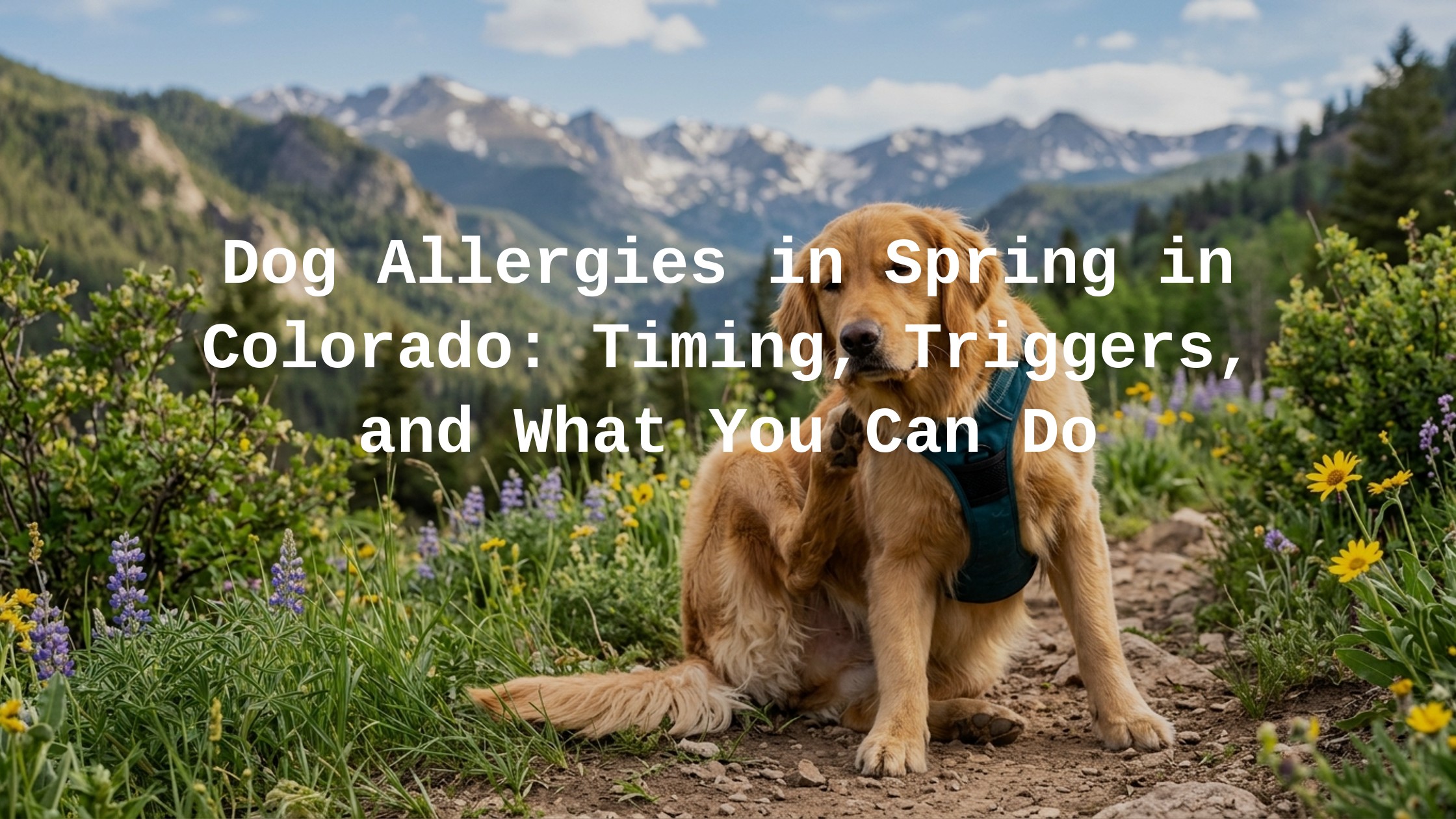
Every spring in Colorado, something shifts in the air — and your dog feels it before you do. While you might notice the cottonwood fluff drifting through Denver neighborhoods or the juniper pollen dusting your windshield, your dog is absorbing those allergens through their skin, paws, and airways on every walk.
Dog allergies in spring in Colorado are one of the most common concerns Colorado pet owners bring to their vets each year. The good news is that with the right information, you can recognize the signs early, reduce your dog’s exposure, and work with your vet on a treatment plan that actually helps.
This guide walks you through everything you need to know: when allergy season starts in Colorado, what’s triggering your dog’s reaction, how vets diagnose it, and what you can do at home and with professional help to keep your dog comfortable all season long.
When Does Spring Allergy Season Start for Dogs in Colorado
Pets who suffer from allergies get a double whammy in spring — Colorado’s longest allergy season, which coincides with the state’s flea season, starting in March and running through September. That’s a wide window, and it means you can’t afford to wait for obvious symptoms before taking action.
Spring is typically the worst season for Colorado allergies. The tree pollen allergies will kick off in March and often go into early summer. For dogs, this translates to the first allergy flare-ups often appearing in late February or early March, particularly in lower-elevation areas like Denver, Pueblo, and Colorado Springs.
Spring tends to be the longest allergy season in Colorado, meaning tree allergens are especially common. As spring progresses into May and June, grass pollens begin to overlap with tree pollens, which can intensify symptoms in dogs that are sensitive to multiple triggers.
Key Insight: Colorado’s allergy season doesn’t follow a single sharp peak. It builds gradually from March onward, with different allergens layering on top of each other through late spring and into summer. If your dog’s symptoms seem to worsen over several weeks rather than appearing all at once, that’s consistent with this staggered pattern.
In Colorado, seasonal changes bring fluctuations in pollen and mold spore levels, making spring and fall peak allergy seasons for many pets. Unlike food or flea allergies, which can persist year-round, seasonal allergies appear during specific times of the year, making diagnosis and management more predictable.
What Causes Dog Allergies in Spring in Colorado
Pollen allergies in dogs are a common form of environmental allergy that can cause itching, skin inflammation, sneezing, and ear infections — especially during high-pollen seasons like spring and fall. These allergies develop when a dog’s immune system overreacts to pollen from trees, grasses, or weeds.
Colorado’s geography and climate create a specific set of allergens that are particularly problematic for dogs in the state. Colorado’s unique climate means certain allergens are especially problematic: tree pollen (cottonwood, juniper, and pine are big triggers), grass pollen (especially in late spring and summer), and mold spores (from melting snow and spring rains).
Tree pollen allergens start circulating in March and often continue into early summer. Cottonwood and cedar allergies can be especially severe, and elm, oak, and maple are other frequent offenders. If you live along the Front Range, cottonwood season in particular is hard to miss — and your dog’s immune system notices it just as much as you do.
Beyond pollen, other environmental factors contribute to spring allergy flare-ups in Colorado dogs. Other environmental factors such as mold, dust mites, and even the dander of people or other animals can exacerbate your dog’s allergic reactions. Dust and dust mites are common in dry climates, and warmer weather means more flea activity — which adds flea allergy dermatitis to the mix for many dogs.
Important Note: Colorado’s dry, windy weather can make pollen exposure worse than in more humid states. Wind carries pollen farther and keeps it airborne longer, meaning your dog can be exposed even in areas with fewer trees or plants nearby.
Dogs with seasonal allergies have a defective outer skin layer (epidermis). When allergens contact the skin, the immune system creates an inflammatory response, resulting in the signs of itchiness we see in affected dogs. This is why skin symptoms — not respiratory ones — tend to dominate in dogs compared to people.
Signs Your Dog Has Spring Allergies in Colorado
Unlike humans, who usually get respiratory symptoms like sneezing and a runny nose, dogs most often develop skin-related allergy symptoms. When they inhale or come into contact with allergens, their immune system overreacts, leading to itching, redness, and irritation.
Knowing what to watch for helps you catch the problem early before it escalates into a secondary infection. The most common signs include:
- Excessive scratching, licking, or chewing — especially around the paws, belly, ears, face, and groin
- Paw licking and chewing — one of the most reliable indicators of environmental allergies, as paws absorb pollen from grass and soil on every walk
- Red, inflamed skin or hot spots — visible on the belly, inner thighs, and between the toes
- Recurring ear infections — including head shaking and brown wax buildup
- Watery eyes or sneezing — less common than in humans, but still possible
Dogs with allergies might compulsively chew on their skin, which can lead to several issues. Obsessive licking can result in raw, exposed areas known as hot spots. These areas can quickly become infected if left untreated.
Scooting and licking around the rectum is also a very common issue noted with allergic dogs. The anal glands are scent-marking glands inside the rectum which can become inflamed due to allergies. Dogs may show signs of scooting, licking around their rectum, and the gland can even abscess through the skin.
Pro Tip: Keep a simple symptom log during spring. Note when scratching starts, which body areas are affected, and whether symptoms worsen after outdoor time or on high-pollen days. This information helps your vet distinguish spring allergies from food sensitivities or other conditions much more quickly.
Most dogs with seasonal allergies begin showing symptoms between 6 months and 3 years of age. If your young dog develops itching during their first or second Colorado spring, that early onset is a meaningful diagnostic clue worth mentioning to your vet.
Which Dog Breeds Are Most Prone to Spring Allergies
While any dog can develop seasonal allergies, genetics play a significant role in susceptibility. Certain breeds have a hereditary predisposition to atopic dermatitis, meaning their immune systems are more likely to mount an exaggerated response to environmental allergens like pollen.
If you own one of the following breeds and live in Colorado, proactive management before symptoms peak is especially worthwhile:
| Breed | Why They’re Vulnerable | Common Symptoms |
|---|---|---|
| Golden Retriever | Strong hereditary component to atopic dermatitis | Skin and ear issues, paw licking |
| Labrador Retriever | Frequently develops atopic dermatitis | Dry skin, hot spots, excessive paw licking |
| Bulldog / French Bulldog | Skin folds create warm, moist environments for inflammation | Skin fold dermatitis, yeast infections |
| German Shepherd | Prone to atopic dermatitis; thick double coat hides inflammation | Secondary skin infections, flea allergy dermatitis |
| West Highland White Terrier | Genetically predisposed to atopic dermatitis | Symptoms often appear before age three |
| Boxer | Highly susceptible to environmental allergies | Facial itching, paw licking, ear infections |
| Cocker Spaniel | Long ears and dense coat make them susceptible | Yeast infections, inflamed skin |
| Dachshund | Prone to contact allergies from grass and soil | Belly rashes, red paws |
Mixed-breed dogs are not immune. While purebreds with known genetic predispositions carry higher risk, any dog with a family history of allergies — even an unknown one — can develop seasonal sensitivities.
Body size and coat type also influence how much allergen contact a dog experiences, with short-coated dogs and those who spend significant time outdoors generally having more direct skin exposure to pollen and grasses. In Colorado, where outdoor activity is a way of life for many dog owners, this is worth keeping in mind regardless of your dog’s breed.
How Vets Diagnose Seasonal Allergies in Dogs in Colorado
Diagnosing pollen allergies in dogs isn’t based on a single test. Instead, veterinarians use a combination of your dog’s medical history, physical exam findings, seasonality of symptoms, and diagnostic testing to rule out other causes of itching before confirming environmental allergies.
The diagnostic process typically unfolds in stages:
- Medical history and physical exam — Your vet will ask when symptoms first appeared, which seasons trigger them, and what parts of the body are affected. Your vet will review when symptoms occur (such as spring or fall flare-ups) and look for signs like red skin, hair loss, ear infections, or nasal discharge.
- Ruling out other causes — Environmental allergies are a common cause of itch and recurrent skin infections, but in order to diagnose them, other causes of itch including food allergy and parasites need to be ruled out.
- Blood testing — In private practice, some veterinarians may elect to run blood work to look for antibodies to various allergens. While this method is not as accurate as intradermal skin testing, it can help narrow down which pollens may be triggering your pet’s immune system.
- Intradermal allergy testing — The most accurate test for environmental allergies in dogs is intradermal allergy testing, typically performed by a veterinary dermatologist. This involves shaving a patch of fur then exposing your dog to small amounts of allergens. The skin is assessed after 30 minutes to see if there has been any reaction.
You may be asked about changes in your dog’s behavior, grooming habits, or whether symptoms worsen after spending time outside. Because spring allergies in dogs can often mimic other health conditions, additional diagnostic tests like skin or blood tests may be recommended to identify the specific allergens causing your dog’s discomfort.
Pro Tip: Colorado has veterinary dermatology specialists along the Front Range, including in Denver and Colorado Springs, who specialize in canine atopic dermatitis. If your dog’s allergies are severe or don’t respond to initial treatment, a referral to a dermatologist can provide more precise allergy testing and a tailored immunotherapy plan.
How to Treat Spring Allergies in Dogs in Colorado
Managing spring allergies in dogs often requires a combination of approaches to help minimize exposure to allergens and relieve their symptoms. Every dog is different, and finding the right balance can make a world of difference in their comfort.
Your vet may recommend one or more of the following options, depending on your dog’s symptom severity:
Medications
Mild allergies are often managed seasonally with antihistamines. Depending on your pup’s symptoms, over-the-counter medications like Benadryl and Zyrtec may be recommended by your vet. Zyrtec is often a preferred option among veterinarians because it tends to cause less drowsiness than Benadryl and needs to be given only once every 24 hours, compared to Benadryl’s 12-hour dosing schedule. Always check with your vet before giving your dog any medication.
Targeted Prescription Medications
Oclacitinib (Apoquel) is an immuno-modulatory drug that manages itching associated with allergic dermatitis or atopic dermatitis, which can be triggered by environmental allergens during spring. Apoquel is only used for dogs over one year of age and is administered orally twice a day or once a day, depending on the veterinarian’s instructions.
Cytopoint, which contains a caninized monoclonal anti-IL-31 antibody, is an effective treatment against allergic dermatitis or atopic dermatitis triggered by environmental allergens like pollen, mold, and dust. One of the unique advantages of Cytopoint is that it can be given to a dog of any age and is a long-lasting seasonal allergy treatment. It is administered, as needed, every 4–8 weeks via injection.
Topical Treatments
Medicated shampoos, sprays, and wipes can soothe inflamed skin and remove allergens from your pet’s coat. A soothing oatmeal or medicated shampoo can wash away allergens and relieve itchy skin. Regular bathing during peak pollen season is one of the simplest and most effective tools available to you as a dog owner.
Allergy Immunotherapy
If your dog’s allergies are persistent, allergy shots might be the answer. This treatment helps desensitize your dog to specific allergens over time, providing lasting relief and helping them build a tolerance for seasonal triggers. Immunotherapy is typically based on the results of intradermal or blood allergy testing, so it targets the specific pollens your dog reacts to.
Dietary Support
Adding omega-3 fatty acids to your dog’s diet through fish oil or supplements can improve skin health and reduce inflammation caused by allergies. A well-balanced diet can strengthen skin barriers and reduce inflammation caused by allergies. Consider omega-3 fatty acids found in fish oil to help reduce itching and inflammation, and antioxidants to support immune health and minimize allergic reactions.
Common Mistake: Giving your dog human allergy medications without checking with your vet first. Some human formulations contain ingredients like decongestants or xylitol that are toxic to dogs. Always confirm the correct medication and dosage with your veterinarian before treating at home.
How to Reduce Your Dog’s Exposure to Spring Allergens in Colorado
Treatment works best when it’s paired with smart allergen management at home. Managing seasonal allergies requires a combination of veterinary care, at-home strategies, and environmental modifications. The following steps can meaningfully reduce how much pollen and other allergens your dog encounters each day.
After Outdoor Time
- Since pollen and dust cling to your dog’s fur and paws, wiping them down with a damp cloth or pet wipes after walks can help reduce allergy flare-ups.
- Pay extra attention to paws, belly, face, and ears — these are the areas with the most direct pollen contact.
- Consider rinsing your dog’s paws in a shallow pan of water before they come inside during peak pollen days.
Indoor Air Quality
- Vacuum regularly with a HEPA filter to reduce dust and pollen indoors, and use an air purifier to improve indoor air quality.
- Air purifiers help improve air quality in your home by capturing and eliminating some common contaminants that may contribute to your pet’s allergies. Place your air purifier in the room your dog spends most of their time.
Bedding and Household Cleaning
- Vacuum frequently, wash your dog’s bedding weekly, and use air purifiers to reduce allergens in your home.
- Switch to hypoallergenic bedding to minimize allergen buildup.
- Change and wash your own clothing after outdoor activities, as you can carry pollen indoors on your clothes and transfer it to your dog.
Bathing and Grooming
- Give your dog regular baths during the spring to keep their fur and skin clear of any irritants.
- Proper ear cleaning is also essential, as allergies can lead to chronic ear infections. Clean your dog’s ears regularly during allergy season and watch for signs of yeast or bacterial buildup.
Outdoor Timing
On high-pollen days in Colorado — which are particularly common on dry, windy spring days — try to walk your dog in the early morning or after rain, when pollen counts tend to be lower. Avoid areas with heavy cottonwood or juniper growth during peak bloom periods if your dog has known sensitivities to those trees.
Key Insight: Colorado’s dry, windy climate means pollen can stay airborne for extended periods and travel significant distances. Even a walk in a paved urban neighborhood can expose your dog to meaningful amounts of tree pollen during peak season. Consistent post-walk paw wiping makes a real difference.
When to See a Vet About Your Dog’s Spring Allergies in Colorado
Self-diagnosing your dog’s allergies and relying solely on home remedies can delay effective treatment and relief. Your veterinarian can perform allergy testing, prescribe medications that offer more targeted relief than OTC options, and recommend dietary changes or supplements that support skin health.
There are specific situations where a vet visit is not just helpful — it’s necessary. You should schedule an appointment if you notice any of the following:
- If your pet’s itching leads to open sores, hair loss, or infections, it’s time for a vet visit.
- Symptoms that persist for more than two weeks despite at-home management
- Recurring ear infections — more than one episode per allergy season
- Your dog is losing sleep, refusing to eat, or showing signs of significant distress from itching
- Signs of a secondary skin infection: when dogs scratch and chew repeatedly, they break down the skin barrier, creating entry points for bacteria and yeast. If you notice a musty odor, crusty patches, or thickened skin alongside the itching, a secondary infection may have developed and will need separate treatment.
Early intervention is key to preventing complications and keeping your dog healthy and happy during the allergy season. Waiting too long can allow secondary infections to develop, which require additional treatment beyond allergy management alone.
Preventative care is crucial for reducing allergy symptoms and improving your pet’s quality of life. Annual wellness exams allow early detection of allergies. Allergy testing can help identify triggers before symptoms worsen. If you have a breed with known allergy predispositions, consider scheduling a wellness visit in late winter — before Colorado’s pollen season ramps up — so you have a management plan ready when March arrives.
Colorado has veterinary dermatology resources available along the Front Range, including Animal Allergy & Dermatology of Colorado , which specializes in diagnosing and treating environmental allergies in dogs. For general seasonal allergy care, clinics like Parker Center Animal Clinic and Sploot Veterinary Care (with locations in Denver and Colorado Springs) offer allergy-focused care with extended hours.
Important Note: This article is for informational purposes only and is not a substitute for professional veterinary advice. If your dog is showing allergy symptoms, consult a licensed veterinarian for an accurate diagnosis and treatment plan tailored to your dog’s specific needs.
Spring in Colorado is one of the most active and beautiful seasons — and with the right preparation, your dog can enjoy it alongside you. Seasonal allergies in dogs are common, but with the right care, your pet can still enjoy spring in Colorado. By recognizing the signs early and taking simple steps to reduce exposure, you can help your furry friend stay itch-free and happy all season long. Start with your vet, stay consistent with at-home allergen reduction, and don’t wait for symptoms to become severe before seeking help.