Can You Drink Protein Shakes While Pregnant? Here’s What You Need to Know

April 3, 2026
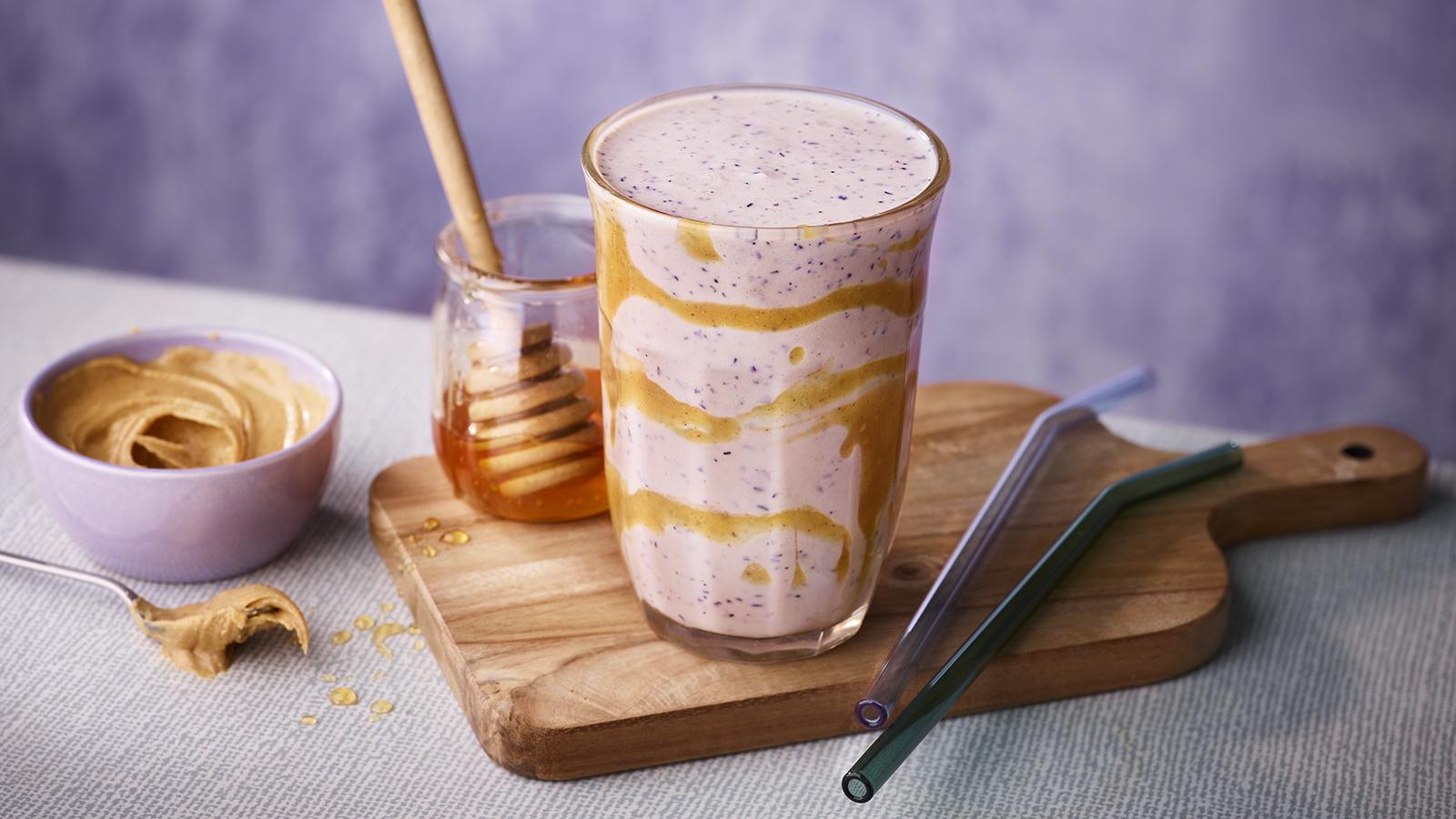
Protein is one of the most important nutrients you need during pregnancy — and getting enough of it isn’t always easy, especially when nausea, food aversions, or a packed schedule get in the way. So it makes sense that protein shakes come to mind as a quick, convenient fix.
But are they actually safe? And if so, which ones? The answer isn’t just a flat yes or no — it depends on what’s in the shake, how much you’re having, and where you are in your pregnancy. This guide breaks it all down clearly so you can make a confident, informed decision for you and your baby.
Important Note: This article is for educational purposes only and is not intended as medical advice. Always consult with your OB-GYN or a registered dietitian before adding protein shakes or any supplement to your pregnancy diet.
The Short Answer
Yes, you can drink protein shakes while pregnant, according to Robyn Van Hooks, RDN, LD, a clinical dietitian in women’s health at UH Rainbow Ahuja Center for Women and Children. Consuming the recommended amount of protein per day can be tough, especially if you’re dealing with morning sickness, food aversions, or a hectic schedule — and a shake can make hitting that daily target much easier.
In general, protein shakes for pregnant women are considered safe — however, it’s essential to pay close attention to the specific ingredients in the shake, as some additives and components should be limited or avoided during pregnancy.
The key phrase here is *which* protein shake. A clean, minimal-ingredient shake used to bridge a nutrition gap? Generally fine. A shake loaded with artificial sweeteners, excess caffeine, and unverified herbal blends? That’s a different story. Keep reading — the details matter.
Why It’s Safe (With the Right Shake)
Protein supports the growth and development of your baby and helps maintain your health, and pregnancy increases protein needs — especially in the later trimesters. Think of protein as the raw material your body uses to build everything from your baby’s organs and muscles to the placenta that sustains them.
Protein is crucial during pregnancy as it aids in fetal growth and development — it forms the building blocks for cells, tissues, muscles, skin, bones, and organs. If you have pregnancy-related nausea or don’t have enough of an appetite, some kinds of protein powders may temporarily help fill the nutrition gap.
According to Lucy Chapin, a certified nurse midwife and holistic health expert, cravings could be tied to unbalanced blood sugar levels due to a lack of protein. “More protein can curb the vicious cycle of hunger that can quickly turn to nausea,” says Chapin, adding that many pregnant people don’t consume nearly enough protein, as needs increase with every trimester.
When you choose a high-quality, clean-ingredient shake — one that’s third-party tested and free from harmful additives — it can be a genuinely useful tool in your pregnancy nutrition toolkit. You can also explore recommended high-protein foods to pair with your shake for a well-rounded approach.
Pro Tip: Think of protein shakes as a supplement to your diet, not a meal replacement. Whole foods still offer superior nutrient density — shakes are best used to fill gaps, not replace meals.
What the Research Actually Says
The science on protein shakes during pregnancy paints a nuanced picture — and it’s worth understanding both the support and the caution.
According to Harvard Health Publishing, pregnant women need 75 to 100 grams of protein per day to support the baby’s development and the mother’s expanding placenta, breasts, and blood supply. Upping protein can be a good idea when you find out you’re pregnant. Newer research supports that protein needs are actually higher in the first trimester than initially thought — it’s often when many find it difficult to eat adequately because of common concerns like nausea or a reduced overall appetite. Shakes and powders can help bridge the healthy pregnancy gap during this period.
However, more protein isn’t always better. A 2014 review of research found that pregnant women who ate too much protein and too few carbs had slower-growing babies — which is also one reason the keto diet isn’t recommended during pregnancy. A 2018 study found that pregnant women on a high-protein and low-carbohydrate diet had a higher risk of gestational diabetes.
There’s also a regulatory concern worth knowing about. Protein powders fall into the “dietary supplement” category, which means they are not regulated by the FDA in the United States. The powder manufacturers themselves are the ones responsible for checking safety and labeling what goes into their products.
A 2018 study by The Clean Label Project found high levels of heavy metals and BPA in 53 popular brands, stressing the need for careful sourcing, quality checks, third-party testing, and reputable brands. This is precisely why choosing a tested, transparent product matters so much when you’re pregnant.
A protein shake is a great option to help you reach your daily protein requirements, but it won’t replace your prenatal vitamins or a healthy diet. “Protein powders should supplement, not replace, your food intake,” as experts emphasize. For a broader look at whole plant-based foods that naturally support pregnancy nutrition, that’s always your best starting point.
Key Insight: The research supports moderate protein shake use during pregnancy when whole food intake is insufficient — but excessive protein, especially from supplements, carries real risks. Balance is everything.
How to Do It Safely
If you’ve gotten the green light from your doctor, here’s how to use protein shakes wisely throughout your pregnancy — including what to look for, how much is appropriate, and how your needs shift by trimester.
What to Look for in a Pregnancy-Safe Protein Shake
When selecting a protein powder during pregnancy, it’s important to pick high-quality products that are free from harmful additives, contaminants, antibiotics, and hormones. Opt for natural sources of protein like 100% grass-fed whey, hydrolyzed beef protein, collagen, or casein, and avoid added sugars, artificial sweeteners, and synthetic colors.
- Third-party tested: Look for protein shakes that have been third-party tested for quality and purity — this ensures the product is free from contaminants like heavy metals or harmful substances, since supplements are largely unregulated.
- Clean ingredient list: Choose shakes made with certified organic and non-GMO ingredients to avoid unnecessary additives, pesticides, and artificial fillers.
- Plant-based options: Options like pea protein or brown rice protein are easy to digest and naturally free from common allergens, making them a gentle choice for sensitive stomachs.
- Minimal added sugar: Choose shakes with little to no added sugars — excess sugar can contribute to blood sugar fluctuations, so aim for shakes with natural sweeteners or no added sugars at all.
- Added nutrients: Look for shakes with beneficial extras like iron, calcium, and fiber to complement your prenatal vitamin regimen and promote overall wellness.
How Much Protein Do You Actually Need?
According to dietary guidelines, pregnant women should aim for 46 g/day of protein during the first trimester, and 71 g/day during the second and third trimesters. Some newer research, however, suggests these numbers may be on the low side. Newer research points to optimal intake of at least 80 grams of protein per day in the first trimester and at least 100 grams in the second and third trimesters.
Protein shakes and powders can be filled with additives that add up calorically. Remember that while extra nutrients, fat, and fiber can be helpful, pregnant women only need an additional 100 to 300 calories per day during pregnancy. So always factor in what else you’re eating throughout the day before reaching for a shake.
Trimester-by-Trimester Guidance
| Trimester | Protein Need | Shake Guidance |
|---|---|---|
| First Trimester | ~80 g/day (newer research) | Shakes can be especially helpful if nausea or food aversions are limiting your appetite. Choose simple, unflavored or lightly flavored options that are easy on the stomach. |
| Second Trimester | ~100 g/day | Appetite typically improves — use shakes as a supplement when whole food intake falls short. Watch calorie additions carefully. |
| Third Trimester | ~100 g/day | Protein plays a crucial role in your baby’s growth especially in the second and third trimesters. Shakes remain a valid bridge if needed, but prioritize whole food sources where possible. |
Smart Prep Tips
Adding ingredients like avocado, chia seeds, flax seeds, and nut butter can add fiber and healthy fat to your shake. The more fiber, the better — a fiber-packed protein shake can do double duty by helping with constipation, a common pregnancy complaint.
You can also use almond milk or coconut milk as your liquid base for a lower-sugar option, and blend in a handful of spinach for an iron boost without affecting the flavor much. Protein powders can easily be added to smoothies, soups, hot beverages, oatmeal, or baked goods — so you’re not limited to just shaking them with water. Staying well hydrated throughout the day is equally important; check out why drinking enough water matters for your overall health during pregnancy.
Pro Tip: If possible, make your shakes at home so you control every ingredient. Store-bought shakes are convenient, but homemade gives you full transparency over what goes into your body — and your baby’s.
When to Avoid It Completely
Even though protein shakes can be safe, there are clear situations where you should skip them entirely — or at the very least, have a direct conversation with your doctor before continuing.
Ingredients That Are a Hard No During Pregnancy
- Artificial sweeteners (especially saccharin): Some protein shakes are loaded with artificial sugars. These may be unsuitable for pregnant women as they often cross the placenta and reach the baby. Saccharin-containing supplements should definitely be avoided, and other sweeteners like xylitol, sucralose, and stevia also carry some uncertainty.
- Excess caffeine: While moderate caffeine intake is generally considered safe, excessive amounts should be avoided during pregnancy as it can negatively impact your baby’s development. Check that your shake doesn’t have hidden caffeine from added ingredients like green tea extract or guarana.
- Heavy metals: Surprisingly, some powders have traces of lead, arsenic, and mercury. Stick to brands that have clean third-party testing badges.
- Herbal or proprietary blends: Nutritional shakes often contain vitamins, herbs, and plant derivatives listed as “herbal blends” or “proprietary blends,” meaning the individual ingredients are not revealed. Even if they are listed, some of those ingredients may not have been studied in pregnancy.
- Bovine growth hormones (rBGH): This is especially important when you opt for dairy-based powders containing whey and casein. Dairy products can contain traces of hormones such as rBGH (bovine growth hormone), which is not good for the fetus.
- Excess vitamins/minerals: Some products contain substances such as creatine, taurine, beta-alanine, and a percentage of vitamins that exceed your dietary recommendations — which can be harmful when stacked on top of your prenatal vitamins.
Situations to Pause and Consult Your Doctor
- You’ve been diagnosed with gestational diabetes (sugar and carb content in shakes matters significantly)
- You have kidney disease or any condition affecting protein metabolism
- You’re already meeting your full protein needs through food alone
- Your shake contains any ingredient you can’t clearly identify
- You’re experiencing unexpected weight gain or digestive issues after starting shakes
For a broader picture of what to steer clear of during pregnancy, review this guide on foods and beverages to avoid during pregnancy — it covers many of the same concerns that apply to supplement ingredients.
Common Mistake: Assuming “natural” on a label means safe during pregnancy. Many herbal or “natural” ingredients in protein shakes have never been studied in pregnant women. When in doubt, leave it out.
Quick Reference Chart
Use this at-a-glance chart to quickly evaluate the protein shake you’re considering. If something falls in the “Avoid” column, put the container down and look for a cleaner alternative.
| Category | ✅ Safe | ⚠️ Use With Caution | ❌ Avoid |
|---|---|---|---|
| Protein Source | Organic pea protein, brown rice protein, hemp protein, grass-fed whey (if not dairy-sensitive), collagen peptides | Standard whey/casein (check for rBGH-free label) | Soy protein isolate in large amounts; protein blends with undisclosed sources |
| Sweeteners | No added sugar; monk fruit in small amounts | Stevia, sucralose, xylitol (limited data in pregnancy) | Saccharin; high fructose corn syrup; large amounts of any artificial sweetener |
| Additives | Minimal natural flavors; certified organic ingredients | Guar gum, xanthan gum (may cause digestive issues) | Herbal/proprietary blends; creatine; taurine; beta-alanine; excess caffeine |
| Testing & Safety | Third-party tested; NSF Certified or Informed Sport certified | Brand-tested only (no independent verification) | No testing information available; contains warning label for pregnant women |
| Calories per Serving | 150–250 calories (fits within daily needs) | 250–350 calories (monitor total daily intake) | 350+ calories per shake (easily exceeds additional calorie needs) |
| Heavy Metals | Clean label project verified; tested below safe thresholds | Not independently tested but from reputable brand | Known to contain lead, arsenic, or mercury (per Clean Label Project data) |
| Timing | When appetite is low, post-prenatal workout, between meals as supplement | As a partial meal replacement occasionally | As a primary meal replacement; multiple shakes per day without medical guidance |
If you’re exploring other ways to meet your nutritional needs during pregnancy, foods that boost brain health and heart-healthy superfoods are great additions to a pregnancy-conscious diet. And for a complete overview of what to eat and drink, the food and drink section on this site has plenty of practical guidance.
Frequently Asked Questions
Can I drink protein shakes in my first trimester?
Yes — and this may actually be one of the most useful times to use them. Newer research supports that protein needs are higher in the first trimester than initially thought. It’s often when many find it difficult to eat adequately because of nausea or a reduced overall appetite, and shakes can help bridge the healthy pregnancy gap during this period. Just make sure the shake is clean, minimal in additives, and doctor-approved.
Is whey protein safe during pregnancy?
Whey powder is a natural protein powder made from milk. Look for pure whey powder with no added ingredients. If you’re allergic or sensitive to dairy, make sure you’re not taking a milk-based dairy powder. Also confirm the whey is sourced from rBGH-free cows and is third-party tested.
How much protein powder is safe per day while pregnant?
There’s no universal hard limit, but most experts recommend using protein shakes only to fill gaps — not as your primary protein source. Too much protein can be too much of a good thing, and this should be avoided. Aim to get the majority of your protein from whole foods and use shakes to top up as needed, staying within your total daily protein targets.
Are plant-based protein shakes better than whey during pregnancy?
Plant-based protein shakes are easier to digest and free from common allergens, making them a safe, nutrient-rich option. They’re also a good choice if you’re avoiding dairy or are concerned about hormone residues in conventional whey. Organic pea protein, for example, offers a great way to incorporate essential nutrients into your diet without the heavy metals often found in other sources.
Can protein shakes help with morning sickness?
They can help indirectly. According to certified nurse midwife Lucy Chapin, cravings and nausea could be tied to unbalanced blood sugar levels due to a lack of protein. “More protein can curb the vicious cycle of hunger that can quickly turn to nausea,” she says. A small, easily digestible protein shake may help stabilize blood sugar and reduce nausea episodes — but check with your provider first.
What protein shake ingredients should I absolutely avoid during pregnancy?
Avoid saccharin, excessive caffeine, herbal or proprietary blends, creatine, taurine, beta-alanine, and any product that hasn’t been third-party tested. The lack of oversight has allowed supplements to wind up on shelves despite being contaminated with bacteria, pesticides, or heavy metals — and these inconsistencies can be especially dangerous for pregnant women who need to avoid potentially harmful additives that can affect the baby. Read every label carefully, and when in doubt, ask your OB or a registered dietitian. You can also review this list of foods and beverages to avoid during pregnancy for additional guidance.
Can I make my own protein shake at home during pregnancy?
Absolutely — and it’s often the smarter choice. If you want to incorporate protein shakes regularly, opting to make them at home is ideal. But if you need something quick and convenient, there is nothing wrong with going for a store-bought option as long as you’ve vetted the ingredients carefully. A simple homemade shake using a pregnancy-safe protein powder, almond milk, a banana, and a tablespoon of nut butter gives you full control over every ingredient. For more inspiration, explore high-protein foods you can blend right into your shake for a whole-food boost.