Energy Drinks While Pregnant: What’s Actually Safe and What to Skip

April 1, 2026
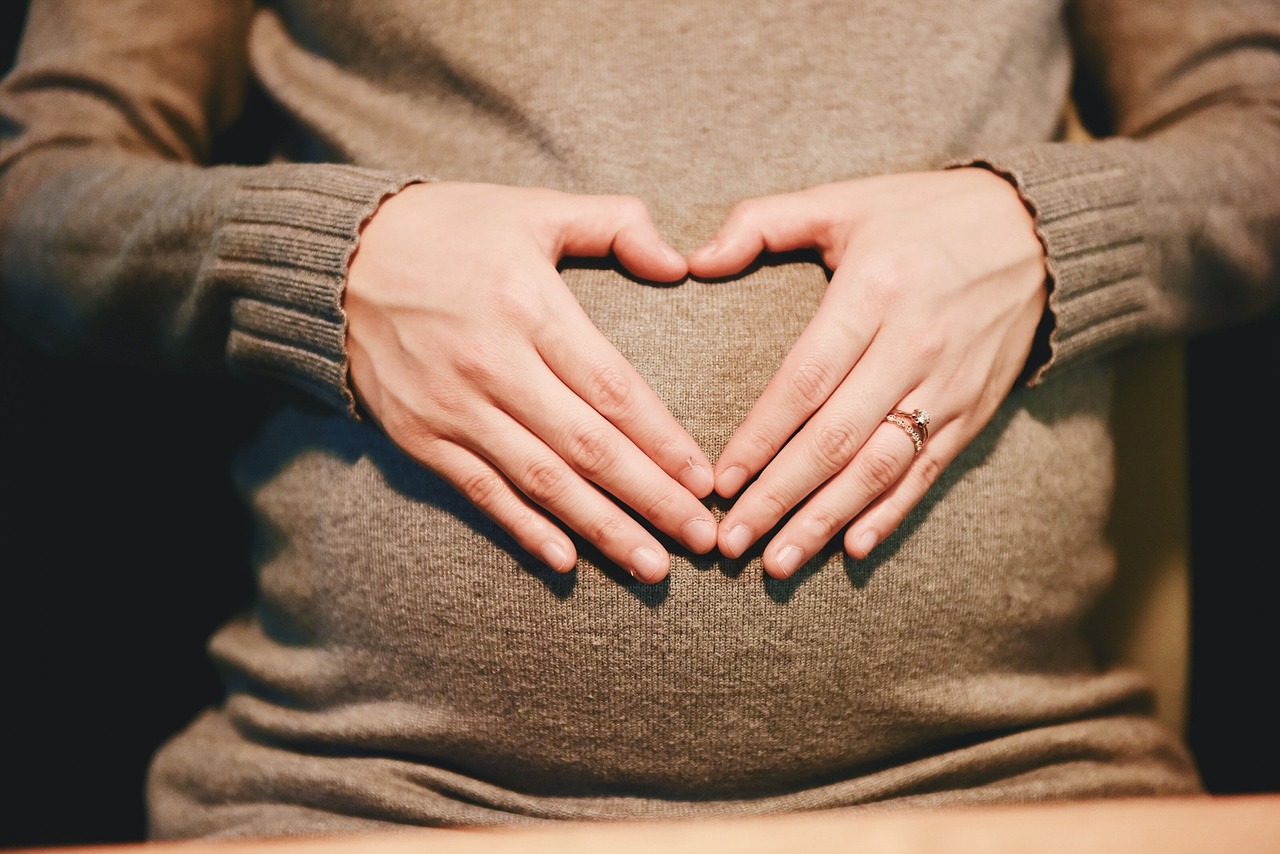
Pregnancy fatigue is no joke — and reaching for an energy drink when you’re running on empty feels completely logical. Feeling tired can be one of the first signs of pregnancy, and the fatigue can persist through all trimesters, largely because of a surge in the hormone progesterone, which has a sedating effect on the body. So of course your eyes drift toward the energy drink aisle.
But here’s the honest truth: most commercial energy drinks are a poor fit for pregnancy — not because caffeine is automatically off the table, but because of everything else packed into those cans. The good news is that you have options, and understanding the actual risks makes it much easier to navigate this with confidence.
This guide breaks down what the research says about energy drinks while pregnant, what safe consumption actually looks like, which situations call for skipping them entirely, and what to reach for instead.
Important Note: This information is for educational purposes only and is not intended as medical advice. Always consult with a qualified healthcare professional before making decisions about your diet during pregnancy.
The Short Answer
Since you can have caffeine during pregnancy in moderation, energy drinks are not automatically unsafe or off-limits, according to ob-gyn Greg Marchand, MD, FACOG. That said, the answer is more nuanced than a simple yes or no.
It’s best to avoid many of these beverages during pregnancy — not only can they contain high amounts of caffeine that may be unsafe for baby, they’re also often loaded with processed sugar and may include herbal ingredients that aren’t pregnancy-safe. That doesn’t mean all energy drinks are off-limits, but you should choose your beverage wisely if you’re expecting.
The bottom line: most mainstream energy drinks (Monster, Reign, Bang, Celsius) should be avoided. Lower-caffeine options with clean ingredient labels may be acceptable in moderation — but only if your total daily caffeine stays under 200 mg from all sources combined, and your OB or midwife gives the green light.
Why It’s a Concern
The concern with energy drinks during pregnancy isn’t just caffeine. It’s the combination of caffeine, sugar, and poorly regulated herbal additives that makes them a risky choice.
Caffeine Overload
The caffeine content in energy drinks ranges from 50 mg to 500 mg in cans or bottles that vary in size from 8 ounces to 24 ounces. That’s an enormous range — and some popular drinks push well past the daily pregnancy limit in a single serving. During pregnancy, it may take you longer to clear caffeine from your body than if you weren’t pregnant, which means its effects — jitteriness, elevated heart rate, insomnia — hit harder and linger longer.
When you have caffeine during pregnancy, it passes through the placenta to your baby. Since the developing fetus cannot efficiently metabolize caffeine, even small amounts can stay in their system much longer than in an adult’s. You can check the full side effects of energy drinks to understand how these compounds affect the body even outside of pregnancy.
Hidden Caffeine Sources
Many popular energy drinks contain a “proprietary blend” of other stimulants and herbs, such as guarana — a plant extract that is another source of caffeine. A drink might list 150 mg of caffeine but contain additional, unlisted amounts from guarana, making it easy to exceed the 200 mg limit without realizing it.
The FDA does not require that herbal products have a label saying how much caffeine they contain. That makes tracking your actual intake genuinely difficult when energy drinks are involved.
Sugar and Artificial Sweeteners
Energy drinks are often high in sugar, with some containing up to 50 grams per can. This excessive sugar intake can increase the risk of gestational diabetes, excessive weight gain, and complications like preterm birth and LGA (large for gestational age) infants.
Even sugar-free energy drinks can be problematic, as they often contain artificial sweeteners like saccharin, which have been associated with higher risks of preterm birth and childhood obesity. Studies have shown that children of mothers who consumed artificial sweeteners daily had a higher chance of becoming overweight by age one.
Unregulated Herbal Ingredients
Many energy drinks contain proprietary blends of herbal supplements such as taurine, ginseng, and guarana. These ingredients are classified as supplements rather than food by the FDA, meaning they are not subject to the same rigorous safety testing for pregnancy. There is currently insufficient clinical data to determine the safety of these stimulants on fetal development.
Pro Tip: Always read the full ingredient label — not just the caffeine number on the front. Guarana, yerba mate extract, green tea extract, and ginseng all add to your caffeine load and none have been well-studied for pregnancy safety.
What the Research Actually Says
The science on caffeine in pregnancy is more nuanced than headlines often suggest. Here’s what the major studies and health organizations actually report.
The 200 mg Guideline
The American College of Obstetricians and Gynecologists (ACOG) says that moderate caffeine consumption doesn’t seem to be a major risk factor for pregnancy complications like miscarriage or preterm birth. ACOG defines “moderate” as less than 200 milligrams per day, which is equal to about two 8-ounce cups of brewed coffee.
The question of whether adverse pregnancy outcomes are related to caffeine is somewhat controversial, with heavy consumption (about 500 mg daily) slightly raising the risk of miscarriage, while studies involving moderate intake — less than 200 milligrams daily — have not identified a higher risk.
What a Large Study Found About Energy Drinks Specifically
A major prospective cohort study published in JAMA Network Open tracked thousands of pregnancies across two large datasets — the Nurses’ Health Study 3 and the Growing Up Today Study. The research suggests that women who drink energy drinks before becoming pregnant may have a higher risk of high blood pressure during pregnancy, a serious condition known as gestational hypertension.
Notably, no associations were found for pregnancy loss, preterm birth, gestational diabetes, or preeclampsia. However, use of energy drinks before pregnancy may be associated with a higher risk of gestational hypertension. Given the low prevalence of energy drink intake and low consumption levels among users, the results should be interpreted cautiously.
Emerging Concerns Beyond Caffeine
Through increased catecholamine production, caffeine can promote vasoconstriction in the fetus, which lowers placental and uterine blood flow and results in fetal hypoxia. This is one reason why researchers and clinicians recommend erring on the side of caution even within technically “safe” limits.
Recent research suggests that even smaller amounts of caffeine could raise the risk of complications like miscarriage, low birth weight, or growth issues — though the evidence is not yet strong enough to change the official 200 mg guideline. The honest takeaway: less is safer, and energy drinks make staying low very difficult.
Key Insight: The research distinguishes between caffeine consumed before pregnancy and during pregnancy. Pre-pregnancy energy drink habits may have lingering effects on gestational blood pressure, even if you’ve since cut back.
How to Do It Safely (If Applicable)
If you’re not ready to give up caffeinated drinks entirely — or you’re in a situation where a low-caffeine option feels necessary — here’s how to approach it as safely as possible.
Know Your Numbers
Your 200 mg daily caffeine budget has to cover everything — not just drinks. The amount of caffeine you get from food and drinks throughout the day adds up. So if you have a cup of coffee in the morning, you may want to limit or give up other food and drinks during the day that have caffeine.
Here’s a quick reference for common caffeine sources to help you budget:
| Source | Serving Size | Approximate Caffeine |
|---|---|---|
| Brewed coffee | 8 oz | 95–165 mg |
| Black tea | 8 oz | 25–48 mg |
| Green tea | 8 oz | 25–29 mg |
| Canned energy drink (standard) | 8.4 oz | 80–150 mg |
| Large energy drink | 24 oz | Up to 500 mg |
| Energy shot (2 oz) | 2 oz | ~200 mg |
| 12 oz Coke | 12 oz | ~34 mg |
| Dark chocolate (1 oz) | 1 oz | ~12–25 mg |
What to Look for on the Label
- Total caffeine under 80 mg per serving — gives you room for other dietary caffeine
- No guarana, yerba mate, or green tea extract — these add unlisted caffeine
- No ginseng, ginkgo biloba, or other unregulated herbal stimulants
- Low or no added sugar — under 10 g per serving is a reasonable benchmark
- No artificial sweeteners like saccharin or aspartame if you can avoid them
- No taurine in supplement quantities — naturally occurring in food is fine, but supplemental doses lack pregnancy safety data
Trimester Considerations
Your sensitivity to caffeine and your baby’s developmental stage both change across trimesters. Here’s what that means practically:
- First trimester: Caffeine may disrupt embryo implantation and placental development, especially during early pregnancy — this is the most critical window to minimize intake.
- Second trimester: Many women feel more energized naturally. If fatigue persists, a very low-caffeine option (under 50 mg) may be acceptable with your provider’s approval.
- Third trimester: During pregnancy, it takes up to three times longer for caffeine to leave your bloodstream. You could be more sensitive to its effects as a result. Stick to the lowest possible intake and cut off caffeine by early afternoon to protect sleep quality.
Common Mistake: Splitting a high-caffeine energy drink in half feels like a safe compromise, but it doesn’t reduce exposure to sugar, artificial sweeteners, or unregulated herbal ingredients — only caffeine. The other concerns remain.
When to Avoid It Completely
Even if you’ve found a low-caffeine, clean-label option, there are situations where energy drinks of any kind should be off the table entirely. Be honest with yourself about whether any of these apply.
- You have gestational diabetes or pre-diabetes. Energy drinks can contain high amounts of added sugar, which can be dangerous for pregnant people with gestational diabetes, or those with existing diabetes.
- You have gestational hypertension or preeclampsia. Acute intake of energy drinks has been shown to be associated with increased systolic and diastolic blood pressure. This is a serious concern if your blood pressure is already elevated.
- You’re in your first trimester. Organ development is happening rapidly, and the risk-to-benefit ratio strongly favors avoidance during these critical early weeks.
- You’re already at your 200 mg caffeine limit from other sources. Coffee, tea, chocolate, and some medications all count. Combining an energy drink with other caffeinated foods or drinks can easily push you over the safe limit.
- You have a history of miscarriage or preterm labor. Given the existing associations between high caffeine and pregnancy complications, this is not the time to take chances.
- The drink has a warning label. Some energy drinks even contain warning labels stating that they are not meant to be consumed by pregnant women. Take that seriously.
- You’re experiencing insomnia or anxiety. Studies show a strong link between energy drink consumption and insomnia. These drinks are often packed with caffeine — sometimes as much as 505 mg in a single can — which can cause restlessness and make it harder to fall or stay asleep.
What to Do Instead
The fatigue is real — and you deserve real solutions. The good news is that several genuinely effective alternatives exist that support your energy without putting your baby at risk. You can explore a broader list of energy drink substitutes and natural energy drink options to find what works for you.
Hydration-First Drinks
Making sure to hydrate is one of the best ways to boost energy while pregnant. Water is the main component of blood and helps carry key nutrients to your cells, and fatigue is one of the first signs your body is low on fluids.
Coconut water is a natural source of electrolytes that can help keep you hydrated and energized. It’s also low in calories and sugar, making it a great choice for maintaining energy levels without any added risks. Adding lemon, lime, mint, or cucumber to plain water is another easy way to make hydration feel more satisfying.
Herbal Teas (With Caution)
Herbal teas can be a natural energy-boosting option for pregnant women. Mint tea can help alleviate nausea while providing a refreshing boost. Ginger tea can reduce pregnancy-related fatigue and improve digestion. Herbal teas are caffeine-free, making them a safe choice for pregnancy. Always check with your provider first — some herbs (like licorice root or high-dose chamomile) are not recommended during pregnancy.
Nutrient-Dense Smoothies
Nutritious smoothies made with fruits, vegetables, Greek yogurt, and nut butter can be a delicious snack that packs energy and essential nutrients. Foods rich in iron, protein, and fiber are great ways to fuel the body and boost energy while pregnant. Try blending spinach, banana, almond milk, and chia seeds for a quick, sustained energy lift.
Lifestyle Energy Boosters
Drinks can only do so much. Regular exercise during pregnancy can actually boost your energy levels rather than depleting them — physical activity improves circulation, enhances sleep quality, reduces stress, and increases overall stamina.
Along with what you’re eating, it’s also important to pay attention to how often you’re eating. Eating smaller meals more frequently to maintain a healthy diet in pregnancy is beneficial for keeping energy levels stable throughout the day without the crashes that come from sugary drinks.
Pro Tip: If afternoon fatigue is your biggest struggle, try a 20-minute rest instead of reaching for a caffeine boost. Research consistently shows that short naps improve alertness more effectively than caffeine during pregnancy — and they’re completely free of side effects.
Quick Reference Chart
Use this chart to quickly assess common energy and pick-me-up drinks during pregnancy. Always cross-reference with your total daily caffeine intake and check with your provider for your specific situation.
| Drink | Status | Key Concern |
|---|---|---|
| Monster Energy (16 oz) | 🚫 Avoid | 160 mg caffeine + unregulated herbal blend |
| Bang Energy | 🚫 Avoid | 300 mg caffeine per can — exceeds daily limit alone |
| Reign / Celsius | 🚫 Avoid | 200–300 mg caffeine + stimulant blends |
| 5-Hour Energy shot | 🚫 Avoid | ~200 mg caffeine in 2 oz — uses entire daily limit instantly |
| Red Bull (8.4 oz) | ⚠️ Caution | 80 mg caffeine + taurine; limited pregnancy safety data on taurine |
| Red Bull (16 oz) | ⚠️ Caution | 148 mg caffeine; leaves very little room for other caffeine sources |
| Low-caffeine energy drinks (<50 mg, clean label) | ⚠️ Caution | May be acceptable with provider approval; check all ingredients |
| Coconut water | ✅ Safe | Natural electrolytes, low sugar, no stimulants |
| Ginger tea (caffeine-free) | ✅ Safe | May also ease nausea; confirm with provider |
| Peppermint tea | ✅ Safe | Refreshing, caffeine-free, may ease digestive discomfort |
| Fruit-and-veggie smoothie (homemade) | ✅ Safe | Iron, fiber, protein — sustained energy without stimulants |
| Sparkling water with lemon/lime | ✅ Safe | Hydrating, refreshing, zero caffeine or sugar |
| Sugar-free energy drinks | 🚫 Avoid | Still contain high caffeine + artificial sweeteners with preterm birth associations |
If you’re looking for more hydration ideas, check out drinks that are high in potassium — many of which double as natural energy supporters during pregnancy. And if you’re curious about carbonated drinks in general, that guide covers what’s in them and how they compare.
Frequently Asked Questions
I drank an energy drink before I knew I was pregnant. Should I be worried?
Having one energy drink before you knew you were pregnant is unlikely to have caused any harm. The recommendations are based on consistent, high-level consumption. The most important thing is to avoid them now that you know. Talk to your OB if you have specific concerns — they can help put your mind at ease.
Are sugar-free energy drinks safer during pregnancy?
No — and this is a common misconception. Even if an energy drink is sugar-free, it still contains high levels of caffeine and other unstudied ingredients that are not recommended during pregnancy. The primary concern is the stimulant content, not the sugar. Artificial sweeteners bring their own set of concerns, as noted above.
What is the safest caffeinated drink during pregnancy?
Plain brewed coffee or black tea — where you know exactly how much caffeine you’re getting and there are no hidden herbal additives — are generally considered safer choices than energy drinks. Gradual reduction in caffeine intake over several weeks before planning pregnancy, or when you find out you are pregnant, can help prevent caffeine withdrawal. Decaf coffee is another solid option for keeping the ritual without the risk.
Can I have Red Bull while pregnant?
A single 8.4-ounce can of Red Bull contains about 80 milligrams of caffeine, while a 16-ounce can has about 148 milligrams. Red Bull also contains about 1,000 milligrams of taurine; this amino acid is considered safe for pregnant women to consume naturally in their diet, but there’s limited research demonstrating its safety as a supplement during pregnancy. It’s worth checking in with your provider before making it a regular habit.
Will one energy drink hurt my baby in the third trimester?
It’s unlikely that a single energy drink will cause much harm to your baby in the third trimester. However, it’s best to avoid energy drinks at any stage of pregnancy due to their high caffeine and sugar content as well as other additives that have the potential to affect heart rate, breathing, and birth weight.
Can I drink energy drinks while breastfeeding?
It is recommended to limit caffeine while breastfeeding as well. Small amounts can pass to your baby through breast milk and may cause irritability or fussiness. Experts suggest sticking to no more than two cups of coffee’s worth of caffeine per day. The same concerns about herbal additives and sugar apply during breastfeeding.
What’s the best natural energy drink during pregnancy?
Homemade options win here. A smoothie with leafy greens, banana, Greek yogurt, and chia seeds gives you iron, protein, B vitamins, and fiber — everything your body needs for sustained energy. As one obstetrician and nutrition specialist puts it, pregnant women should focus on beverages that combine hydration with nutrition — such as coconut water, iron-rich green smoothies, and herbal teas — and avoid excessive caffeine and sugary drinks that cause energy spikes followed by fatigue. For more inspiration, browse these natural energy drink ideas that work well beyond pregnancy too.