Can You Drink Kombucha While Pregnant? Alcohol, Bacteria, and Safer Swaps Explained

March 31, 2026
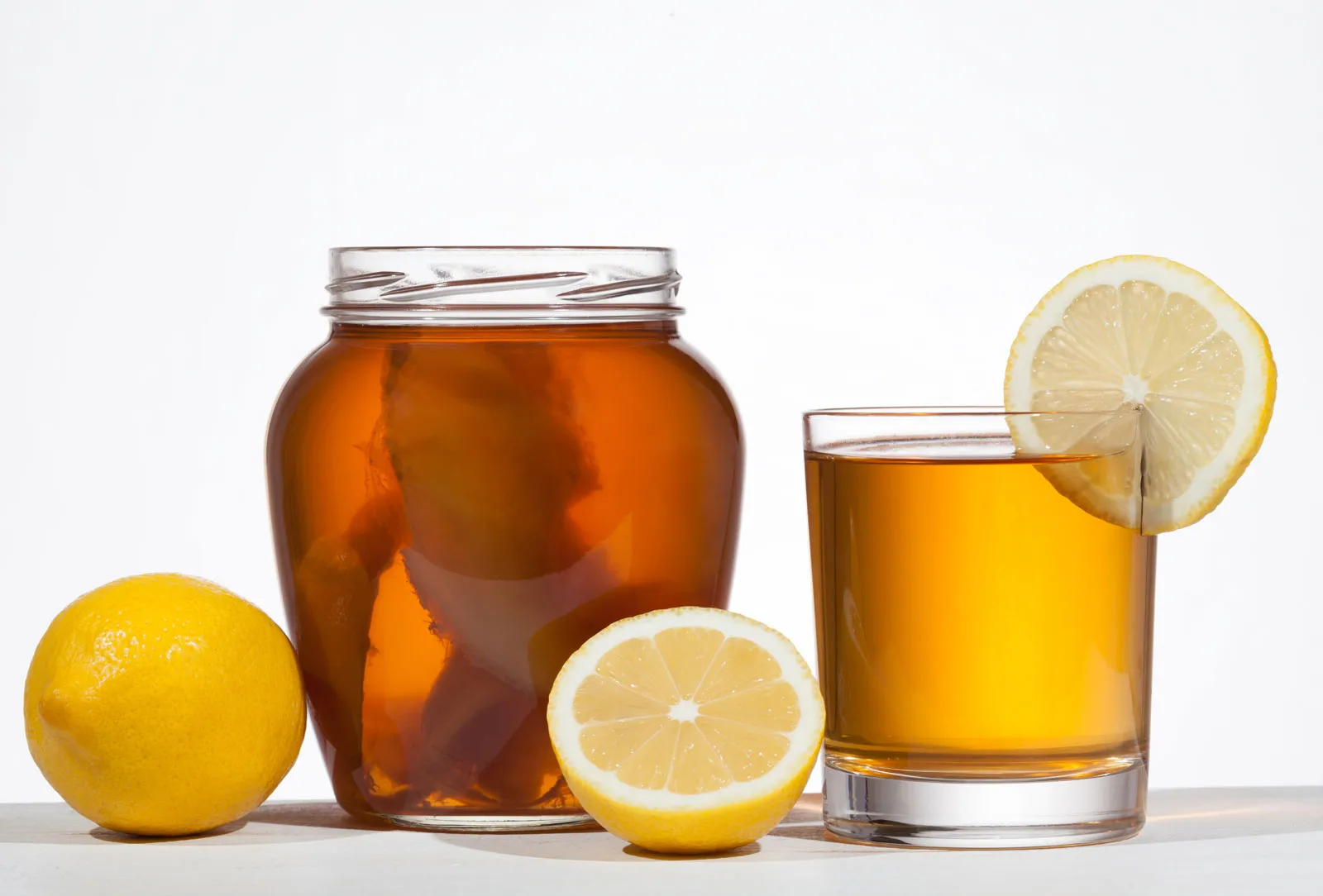
You’ve been reaching for kombucha all year — the fizzy, tangy gut-health staple that’s become a refrigerator regular for millions of people. Then you found out you were pregnant, and suddenly that bottle felt a lot more complicated.
Can you drink kombucha while pregnant, or does it belong on the “avoid” list alongside raw sushi and deli meat? The answer isn’t a flat-out yes or no — but it does lean strongly in one direction, and understanding why will help you make a confident, informed choice for you and your baby. Here’s everything you need to know, backed by what doctors and dietitians actually say.
Important Note: This article is for educational purposes only and is not intended as medical advice. Always consult with your OB-GYN or healthcare provider before making decisions about food and beverages during pregnancy.
The Short Answer
Most healthcare providers recommend avoiding kombucha during pregnancy. Healthcare providers generally don’t recommend drinking kombucha while pregnant due to its alcohol and caffeine content. The concerns go a bit deeper than just those two ingredients — unpasteurized fermentation adds another layer of risk that makes the beverage a cautious “skip it” for most of the nine months.
That said, the picture is nuanced. Kombucha occupies a grey area — it’s not on the “absolutely avoid” list like alcohol or raw fish, but it’s not exactly a green-light food either. If you accidentally drank a bottle before knowing you were pregnant, there’s no need to panic. But making it a regular habit during pregnancy is where experts draw the line.
Key Insight: The risks with kombucha during pregnancy aren’t from one single ingredient — they come from a combination of trace alcohol, caffeine, and unpasteurized bacteria that, together, make it a drink worth setting aside for now.
Why It’s a Concern
Kombucha is a fermented tea beverage made by adding a SCOBY (Symbiotic Culture of Bacteria and Yeast) to sweetened black or green tea. The fermentation process is what gives it that signature tang and fizz — and it’s also what creates the pregnancy concerns. Depending on the brand or type of kombucha, there are many variables to consider, mainly: bacteria, pasteurization, alcohol content, and caffeine.
Here’s a closer look at each of the three main concerns:
Alcohol Content
Kombucha contains alcohol as a natural by-product of the fermentation process. In the United States, beverages containing 0.5% or more alcohol by volume (ABV) are required to have a label that includes a health warning for pregnant women. Varieties with lower alcohol content (less than 0.5% ABV) are not required to have the label. Nevertheless, the non-labeled varieties still contain alcohol.
There’s no known safe level of alcohol consumption during pregnancy, which means even small amounts are technically advised against. To make matters more unpredictable, kombucha has been pulled from shelves in the past after it was discovered that fermentation in the bottle did not stop, increasing the alcohol content above the amount that would require the pregnancy-warning label.
Unpasteurized Bacteria
“Additionally, kombucha is usually not pasteurized, thus, also a concern as it may contain harmful bacteria,” according to Dr. Andrei Rebarber, director of the Division of Maternal Fetal Medicine at Mount Sinai West. This matters during pregnancy because because kombucha is a raw (unpasteurized) product, immunocompromised people are at a higher risk of developing foodborne illnesses from drinking it — and pregnant people are immunocompromised.
Most commercial kombucha brewers follow good manufacturing practices that require pH levels to be tested on every batch. When kept below the correct threshold, the pH of kombucha inhibits the growth of pathogenic bacteria (E. coli, listeria, etc.). Still, even with commercial controls, the unpasteurized nature of the drink introduces a risk that most providers prefer to avoid entirely during pregnancy.
Caffeine
Kombucha is made from tea — usually black or green tea — which means it contains caffeine. During fermentation, some caffeine is reduced, but it’s not eliminated. A typical 8oz serving of kombucha contains roughly 10–25mg of caffeine, depending on the tea base and fermentation time. This isn’t alarming in itself, but it does contribute to your daily caffeine intake, which should stay under 200mg during pregnancy.
Caffeine can add up, especially if you also have at least one cup of coffee daily containing an average of 95mg of caffeine. It’s not the biggest concern on this list, but it’s worth factoring in as part of your total daily intake.
Common Mistake: Many people assume kombucha is completely safe because it’s labeled “non-alcoholic.” That label simply means the ABV is under 0.5% — it doesn’t mean zero alcohol, and it doesn’t account for continued fermentation after bottling.
What the Research Actually Says
Here’s where the honest truth is important: the research on kombucha specifically during pregnancy is thin. Although there are no large-scale studies on the effects of drinking kombucha during pregnancy, it may be best to avoid kombucha during pregnancy and breastfeeding because of its small alcohol content, caffeine content and lack of pasteurization.
Kombucha is marketed for probiotics, B-vitamins, and antioxidants, but robust, pregnancy-data on its benefits are in short supply. That gap in research is itself a reason for caution — when there’s not enough data to confirm safety, most medical guidance defaults to “avoid.”
On the alcohol question specifically, at the level found in commercial kombucha (typically less than 0.5% ABV), it is considered non-alcoholic — a similar alcohol level to what you’d get in a non-alcoholic beer. Even if you take a very conservative stance on alcohol in pregnancy, this level is so limited that there really isn’t anything to suggest it would cause any problems. However, that perspective is not universal among providers, and most official guidance still recommends complete avoidance of alcohol in any amount during pregnancy.
On the listeria concern, kombucha being unpasteurized means it carries a risk of listeria, similar to soft cheeses. Listeria is very dangerous during pregnancy, but it’s also very rare. There haven’t been major listeria outbreaks linked to commercially produced kombucha in recent years — but “rare” is cold comfort when you’re pregnant and the stakes are higher.
The bottom line from the research: the microbiological makeup of this fermented tea is rather complex and further research is warranted to fully understand its benefits and safety. Until that research exists, most experts agree caution is the smarter path. You can explore more about foods and beverages to avoid during pregnancy for a broader picture of what the research says.
How to Do It Safely (If You Choose To)
If you’ve discussed it with your OB-GYN and they’ve given you the go-ahead for occasional kombucha, or if you’re weighing your options carefully, there are ways to minimize your exposure to risk. Most experts who take a middle-ground stance suggest a few practical guidelines.
Stick Strictly to Commercial Brands
If, after considering the concerns, you decide you want to occasionally enjoy kombucha during pregnancy, commercial kombucha from reputable brands is produced under controlled conditions with regular testing. Homemade kombucha, while a lovely hobby, introduces too many variables during pregnancy — save the home brewing for after pregnancy.
Most homebrewers see an ABV range of 0.5–3% compared to commercial kombucha’s mandatory 0.5% (or under) limit. That’s a significant difference, and it makes homebrew a clear “no” regardless of how confident you are in your brewing process.
Keep Quantities Very Small
If you’re drinking kombucha, keep it to small amounts — perhaps half a bottle (about 4oz) rather than a full serving. This limits your exposure to the alcohol, caffeine, and any potential risks. Think of it as an occasional sip, not a daily habit.
Check the Label Carefully
Look for the alcohol content, caffeine levels, and whether the product specifies any pasteurization. Because not all kombucha manufacturers specify if their kombucha is raw or pasteurized, you may not know what you’re getting. When in doubt, contact the manufacturer directly before drinking — reputable brands will be transparent about their brewing process and safety testing.
Trimester Considerations
- First trimester: It’s not safe to drink kombucha during the first trimester. Kombucha contains alcohol and caffeine, which may affect your developing baby. It also carries a risk of contamination with harmful bacteria. It’s best to avoid it to ensure a healthy pregnancy.
- Second trimester: Drinking kombucha during the second trimester is not recommended. The alcohol and caffeine content, along with potential bacterial contamination, can be risky. Sticking to safer alternatives like herbal teas or water can help keep you and your baby healthy.
- Third trimester: You should avoid drinking kombucha in the third trimester. The alcohol, caffeine, and possible contamination can pose risks to you and your baby. Opt for safer options like water or pregnancy-safe teas to stay hydrated and healthy.
Pro Tip: Staying well-hydrated with water throughout all three trimesters is one of the simplest and most effective things you can do for both you and your baby — and it never comes with a label warning.
When to Avoid It Completely
While most experts recommend skipping kombucha throughout pregnancy, there are specific situations where avoiding it is non-negotiable — no middle ground, no “just a sip.”
- You’re in your first trimester. Fetal development is at its most critical stage, and even trace amounts of alcohol or harmful bacteria carry the highest potential for impact during this window.
- You have a history of miscarriage or pregnancy complications. Alcohol during pregnancy has been linked to miscarriage, stillbirth, and several lifelong physical, behavioral, and intellectual disabilities, according to the CDC. Eliminating any possible alcohol source is the safest approach.
- You’re considering homebrew. There’s increased risk that homebrewed kombucha could be contaminated with harmful pathogens or contain overgrowths of bacteria or mold. For these reasons, kombucha brewed at home is generally best avoided during pregnancy.
- You have a weakened immune system or a pre-existing condition. “People who are pregnant or breastfeeding, or who have weakened immune systems, should avoid kombucha products,” says OB-GYN Dr. Jessica Shepherd.
- You’re already at your caffeine limit for the day. Even the modest caffeine in kombucha adds up. If you’ve already had coffee, tea, or other caffeinated beverages, kombucha pushes you closer to — or over — the recommended 200mg daily ceiling.
- You experience acid reflux or heartburn. For some pregnant women dealing with heartburn or acid reflux — extremely common pregnancy complaints — acidic drinks can worsen symptoms. Kombucha’s pH typically falls between 2.5 and 3.5, making it a common trigger.
What to Do Instead
Good news: you don’t have to give up gut health, fizz, or flavor just because kombucha is off the table. There are plenty of pregnancy-safe alternatives that deliver similar benefits — or at least similar satisfaction — without the concerns.
For Probiotics
If you want to add probiotic foods to your diet during pregnancy or nursing, try yogurt with active live cultures, kefir made from pasteurized milk, or fermented foods like sauerkraut. These options give you the gut-health benefits of probiotics without the unpasteurized risk. You can also talk to your provider about a dedicated probiotic supplement — always discuss the vitamins and supplements you take during pregnancy with your doctor, as they can help you decide if a probiotic supplement is the right way to add healthy bacteria to your diet.
If you’re interested in other fermented and gut-friendly food options, the zobo drink guide and our overview of whole plant-based foods are worth exploring for inspiration.
For the Fizz
Substitute kombucha tea with sparkling water to continue to enjoy the fizzy taste you love. Adding juice can create the same punch of flavor you get when drinking kombucha. A splash of pomegranate, cranberry, or grapefruit juice in plain sparkling water is a refreshing, pregnancy-safe stand-in. Pregnant individuals can also opt for pregnancy-safe alternatives like tempeh, miso, sauerkraut, and caffeine-free sparkling tea to still enjoy probiotics and fun drinks.
For Nausea Relief
Many people reach for kombucha when pregnancy nausea hits, hoping the probiotics will help. But because of the potential risks to your baby, it’s not advisable to drink kombucha to help with pregnancy nausea. Some safe ways to combat pregnancy nausea are to eat small meals frequently, sip on ginger ale or suck on ginger lollipops, or talk to your doctor about taking a vitamin B6 supplement.
Pro Tip: If you’re craving the tangy, fermented flavor of kombucha, fermented food options like kimchi, sauerkraut, and traditionally made pickles might satisfy your craving for that zesty flavor. These are generally considered safer choices during pregnancy when sourced from reputable brands.
Quick Reference Chart
Use this at-a-glance guide to quickly assess your kombucha-related questions during pregnancy. For a full breakdown of foods and beverages to avoid during pregnancy, including less obvious items, check out our dedicated resource.
| Kombucha Type / Scenario | Safety Status | Why |
|---|---|---|
| Commercial kombucha (reputable brand, small amount, occasional) | ⚠️ With Caution | Lower ABV (<0.5%), but still unpasteurized; discuss with your OB-GYN first |
| Homebrewed kombucha | 🚫 Avoid | Uncontrolled ABV (up to 3%+), higher contamination risk, no quality testing |
| Kombucha in the first trimester | 🚫 Avoid | Most critical window for fetal development; no safe alcohol threshold established |
| Kombucha if you have acid reflux / heartburn | 🚫 Avoid | pH 2.5–3.5 can worsen pregnancy-related acid reflux significantly |
| Kombucha if you have a weakened immune system | 🚫 Avoid | Unpasteurized product; increased foodborne illness risk for immunocompromised individuals |
| Pasteurized kombucha (if available) | ⚠️ With Caution | Safer bacterial profile, but probiotics are largely destroyed by pasteurization |
| Sparkling water + fruit juice | ✅ Safe | Zero alcohol, no fermentation risk, fully customizable flavor |
| Yogurt with live cultures (pasteurized) | ✅ Safe | Excellent probiotic source without the unpasteurized risk |
| Kefir from pasteurized milk | ✅ Safe | Probiotic-rich, pasteurized, and widely recommended by healthcare providers |
| Sauerkraut / kimchi (store-bought, pasteurized) | ✅ Safe | Fermented flavor with gut benefits; choose pasteurized commercial versions |
| Kombucha after baby is born (not breastfeeding) | ✅ Safe | No pregnancy-related restrictions; enjoy your favorite brand again |
| Kombucha while breastfeeding | ⚠️ With Caution | Caffeine and alcohol can pass into breast milk; discuss timing and amounts with your provider |
Frequently Asked Questions
Is it safe to drink kombucha in the first trimester?
No. The first trimester is the most sensitive period for fetal development, and healthcare providers recommend avoiding kombucha entirely during this window. The combination of trace alcohol, unpasteurized bacteria, and caffeine makes it a risk not worth taking when your baby’s organs and systems are forming.
I drank kombucha before I knew I was pregnant. Should I be worried?
Most likely not. A single bottle or occasional sips before you knew you were pregnant is very unlikely to cause harm, particularly with commercial kombucha where alcohol content is tightly regulated at under 0.5% ABV. That said, it’s always a good idea to mention it to your OB-GYN at your next appointment so they can offer personalized reassurance.
Can kombucha help with pregnancy nausea?
When battling bouts of sickness during pregnancy, it’s best to look for an alternative to calm your queasy tummy. Because of the potential risks to your baby, it’s not advisable to drink kombucha to help with pregnancy nausea. Ginger-based options, small frequent meals, and vitamin B6 supplements (discussed with your doctor) are safer and more evidence-backed approaches.
What’s the difference between commercial and homemade kombucha during pregnancy?
The gap is significant. Most commercial kombucha is submitted to extensive quality control tests before reaching store shelves, which may help it feel safer to drink on occasion while pregnant. Brewing kombucha at home has obvious limitations when it comes to regulating and testing for things like alcohol content. That’s partly why homebrewed kombucha tends to have a higher ABV than the store-bought kind — most homebrewers see an ABV range of 0.5–3% compared to commercial kombucha’s mandatory 0.5% (or under) limit.
Can I drink kombucha while breastfeeding?
You’re probably fine to start drinking kombucha again after baby is born, but it’s important to be aware of how much you’re drinking if you’re nursing. Both caffeine and alcohol can pass into breast milk in small amounts, so moderation and timing (waiting a couple of hours after drinking before nursing) are important. Always discuss this with your baby’s pediatrician or your own provider.
Are there probiotic benefits I’ll miss by skipping kombucha?
Not really — not when there are safer alternatives that deliver the same or better probiotic support. Pasteurized “probiotic-style” alternatives, like yogurt or kefir, are a better bet. Don’t hesitate to chat with your provider about doctor-approved probiotic supplements if needed. Your gut health absolutely matters during pregnancy — you just don’t need kombucha specifically to support it. Explore our guide to food and drink choices for more pregnancy-friendly options, and check out what superfoods support heart health during this important season of your life.
Is “hard kombucha” safe during pregnancy?
Absolutely not. Hard kombucha is intentionally brewed to a higher alcohol content — typically 4–8% ABV — and falls squarely in the “avoid completely” category during pregnancy, the same as any other alcoholic beverage.
The bottom line is straightforward: kombucha is a beverage worth setting aside for the duration of your pregnancy. The risks — however small individually — combine into a picture that most healthcare providers agree isn’t worth it, especially when there are so many satisfying, pregnancy-safe alternatives available. Your kombucha habit will be waiting for you on the other side — and it’ll taste even better knowing your baby arrived safely.