Can You Drink Ginger Tea While Pregnant? Here’s the Honest Answer

March 30, 2026
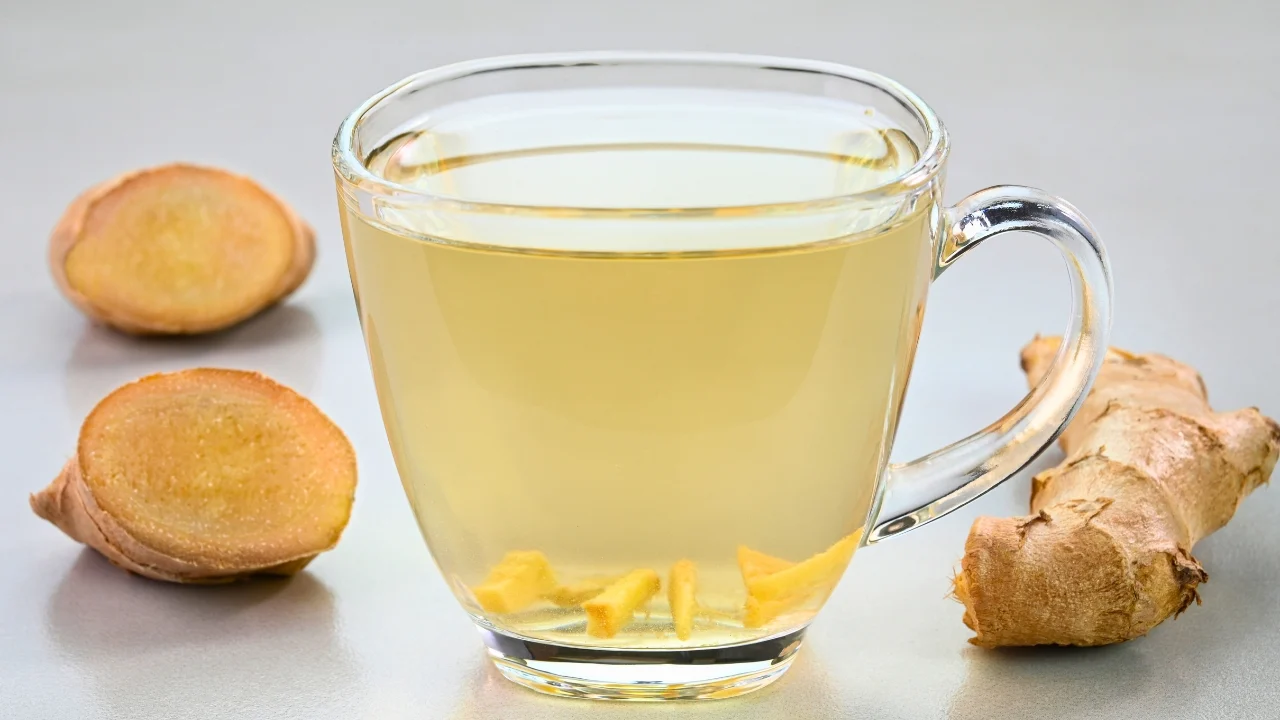
You’re pregnant, nauseous, and someone hands you a warm cup of ginger tea — but then the doubt creeps in: Is this actually safe for my baby? It’s one of the most common questions expectant mothers ask, and it deserves a straight answer, not a wall of contradictory advice.
The good news is that ginger tea has been studied, used, and recommended across cultures for centuries — and modern research largely backs it up as a safe choice during pregnancy when consumed thoughtfully. In this article, you’ll get clear guidance on what the science says, exactly how much is safe, which trimesters to be more careful in, and the specific situations where you should skip it entirely.
The Short Answer
Yes, you can drink ginger tea while pregnant — and for most women, it’s not just safe but genuinely helpful. Ginger tea is generally considered safe during pregnancy when consumed in moderation. The key word there is moderation, and there are a few specific circumstances where caution is warranted.
While there is no standardized dose for nausea relief in pregnancy, research suggests that up to 1 gram (1,000 mg) of ginger per day is safe — which equates to 4 cups (950 ml) of packaged ginger tea, or homemade ginger tea made from 1 teaspoon (5 grams) of grated ginger root steeped in water. So your cup of ginger tea is well within safe territory, as long as you’re not going overboard.
Pro Tip: Stick to 1–2 cups of ginger tea per day to stay comfortably within the recommended daily limit, especially if you’re also eating ginger in food or taking other supplements.
Why It’s Safe
Ginger isn’t just a folk remedy — it’s a well-studied root with real, measurable effects on the body. Ginger root contains a variety of plant compounds that may help with some of the discomforts of pregnancy. Specifically, two types of compounds — gingerols and shogaols — are thought to act on receptors in the digestive system and speed stomach emptying, which in turn may help reduce feelings of nausea.
Gingerols are present in large amounts in raw ginger, while shogaols are more abundant in dried ginger. This means that ginger tea made from either fresh or dried ginger may contain compounds with anti-nausea effects and be suitable for treating nausea and vomiting in pregnancy.
Beyond nausea, ginger tea offers a range of additional benefits during pregnancy. Ginger has natural anti-inflammatory and immune-boosting properties that may soothe a sore throat, ease congestion, and help with nausea. Drinking ginger tea regularly can also provide immune support and help prevent minor infections, particularly during cold and flu season.
Perhaps most reassuring of all, research has found no associations between taking ginger during pregnancy and an increased risk of preterm birth, stillbirth, low birth weight, or other complications. For a pregnant woman trying to make safe choices, that’s a significant green light.
Key Insight: Ginger tea is caffeine-free, making it a smart swap for coffee or black tea during pregnancy. Reducing your caffeine intake is one of the most widely recommended steps for a healthy pregnancy.
What the Research Actually Says
The science on ginger and pregnancy is more robust than you might expect. Multiple reviews and studies have examined its safety and effectiveness, and the overall picture is reassuring — with some nuance worth knowing.
Ginger is a commonly used nonpharmacological treatment of pregnancy-related symptoms including nausea and vomiting, inflammation, and gastrointestinal dysfunction. A major 2024 umbrella review published in ScienceDirect analyzed multiple meta-analyses on ginger use in pregnancy. The majority of the meta-analyses found a significant positive effect of ginger on the improvement of nausea in pregnancy compared with placebo, or equivalence to conventional treatments, and no evidence of significant adverse effects.
Several studies looking at the use of an average of 1,000 mg of ginger per day during pregnancy did not find an increased chance of birth defects. Likewise, information from one study on the use of ginger in the second trimester of pregnancy has not found an increased chance of preterm delivery. Other studies have not seen an increase in preterm delivery, low birth weight, or stillbirth.
The research does have its limitations, however. The quality of the meta-analyses ranged from critically low to low — the evidence suggests that ginger is effective at reducing nausea in pregnancy, but the included studies contained substantial heterogeneity and were of low quality. This doesn’t mean ginger is unsafe; it simply means the research community calls for continued study, and you should always loop in your healthcare provider.
One area where research raises a flag is around certain beverages and foods during pregnancy. Some evidence has shown ginger to be associated with abnormal spotting or bleeding when consumed regularly in the second and third trimesters. There may also be risks associated with ginger’s influence on fetal testosterone levels, and its interaction with certain medications taken during pregnancy, such as insulin and metformin for gestational diabetes, or nifedipine for high blood pressure.
Important Note: If you’re taking any prescription medication during pregnancy — particularly for blood pressure, blood clotting, or blood sugar — talk to your doctor before making ginger tea a daily habit. Ginger can interact with some medications and might affect the way certain medications work, such as medications that treat blood pressure or affect how your blood clots. At high doses, ginger can lower blood sugar.
How to Do It Safely
Knowing that ginger tea is generally safe is one thing — knowing how to drink it safely during pregnancy is where it gets practical. Here’s what you need to keep in mind across all three trimesters.
The Daily Limit
A good rule of thumb is to stick to 1 gram of ginger per day, which is equivalent to about a teaspoon of fresh grated ginger, ½ teaspoon of dried ginger, or 1 cup of ginger tea. If you’re buying packaged tea bags, most shop-bought ginger teas are safe as they do not contain a high amount of dried ginger — just read the tea label carefully.
How to Make It at Home
Making your own ginger tea gives you full control over the strength and ingredients. You can use fresh or dried ginger to make ginger tea at home. After steeping a teaspoon (5 grams) of sliced fresh ginger root or ground ginger root in hot water, have a sip of tea to see if the taste is appropriate. Just add more water if you feel the flavor is too powerful.
You can also add a squeeze of lemon and a small drizzle of honey for flavor and extra soothing benefits — a combination that’s popular for good reason. Ginger and lemon can be beneficial to pregnant women in moderation. Both have health benefits that can help with common pregnancy discomforts like nausea, colds, and digestion issues. For more on this powerful pairing, explore the benefits of ginger and lemon tea.
Trimester-by-Trimester Guidance
- First Trimester: You can drink ginger tea during the first trimester — it may help ease nausea and morning sickness. However, it’s important to limit intake to one to two cups per day and consult your healthcare provider for personalized advice. This is when morning sickness tends to peak, so ginger tea can be especially valuable.
- Second Trimester: Drinking ginger tea in the second trimester is generally considered safe. It can aid digestion and alleviate heartburn. Stick to moderate consumption, around one to two cups daily, and always check with your doctor to ensure it aligns with your health needs.
- Third Trimester: Be more cautious here. Continue to keep intake moderate, and stop drinking ginger tea as you approach your due date. Some evidence suggests that ginger tea should not be consumed close to labor, as ginger may increase the risk of bleeding and may be associated with preterm labor.
Tips for Drinking It Comfortably
- Sip it slowly — don’t gulp it down, especially when nauseous
- Avoid drinking it on an empty stomach if you’re prone to heartburn
- Don’t drink ginger tea within an hour of taking prenatal vitamins or medications, as it may affect absorption
- Choose organic ginger when possible to maximize ginger’s natural benefits and avoid pesticide residues
- If you’re using packaged tea bags, check the label for other herbal ingredients that may not be pregnancy-safe
Pro Tip: Drinking your ginger tea warm (not scalding hot) first thing in the morning or before bed can help manage morning sickness most effectively. Consuming the tea first thing after waking up and before bedtime might help control morning sickness.
When to Avoid It Completely
While ginger tea is safe for most pregnant women, there are specific situations where you should skip it entirely — or at minimum, have a serious conversation with your doctor before continuing.
Avoid Ginger Tea If You:
- Have a history of miscarriage or vaginal bleeding: Pregnant women who have a history of miscarriage, vaginal bleeding, or bleeding disorders should avoid products made from ginger.
- Are approaching your due date (37+ weeks): It’s generally considered safe to drink up to 4 cups of ginger tea per day while pregnant. However, ginger tea should not be consumed after 37 weeks gestation. The risk of increased bleeding near labor is a real concern.
- Take blood-thinning or blood pressure medications: Ginger has natural blood-thinning properties, which may increase the risk of bleeding, especially if you’re on anticoagulant medication.
- Have gestational diabetes managed with insulin or metformin: Ginger’s interaction with drugs that can be used during pregnancy such as insulin, metformin, and nifedipine has been reported. Talk to your doctor before using ginger tea as a regular drink.
- Experience worsening heartburn or acid reflux: Ginger’s spicy nature can trigger or worsen heartburn in some pregnant women. As the pregnancy progresses, many women experience acid reflux due to hormonal changes and pressure on the stomach. If ginger tea makes your symptoms worse, stop drinking it.
- Have a bleeding disorder: Risk of vaginal bleeding was reported to be associated with ginger use in pregnant women due to its possible inhibiting thromboxane synthetase activity. If you have any clotting concerns, avoid ginger tea.
Common Mistake: Assuming “natural” always means “safe in any amount.” Even though herbal teas are made from natural ingredients, this does not mean they are necessarily safe. Ginger is safe within limits — but exceeding those limits, especially late in pregnancy, carries real risks.
If you’re unsure whether ginger tea is right for your specific situation, it’s also worth reviewing foods and beverages to avoid during pregnancy for a broader picture of what to watch out for.
Quick Reference Chart
Use this chart for a fast, at-a-glance answer on ginger tea safety during pregnancy. Bookmark it — you’ll want to refer back to it.
| Situation | Safety Status | Notes |
|---|---|---|
| First trimester (nausea relief) | ✅ Safe | 1–2 cups/day; great for morning sickness |
| Second trimester (digestion support) | ✅ Safe | Up to 1–2 cups/day; monitor for heartburn |
| Third trimester (general use) | ⚠️ With Caution | Reduce intake; stop by week 37 |
| After 37 weeks / near labor | ❌ Avoid | Risk of increased bleeding and preterm labor |
| History of miscarriage or vaginal bleeding | ❌ Avoid | Consult doctor before any ginger use |
| Taking blood thinners or blood pressure meds | ❌ Avoid / Ask Doctor | Ginger interacts with these medications |
| Taking insulin or metformin (gestational diabetes) | ⚠️ With Caution | Ginger may affect blood sugar — consult doctor |
| Heartburn or acid reflux symptoms | ⚠️ With Caution | May worsen symptoms; reduce or stop |
| Homemade ginger tea (1 tsp fresh ginger) | ✅ Safe | Within the 1g/day limit |
| Store-bought ginger tea bags | ✅ Safe (mostly) | Check labels for other herbal ingredients |
| High-concentration ginger supplements/extracts | ❌ Avoid | Exceeds safe daily limits; not recommended |
| Ginger + lemon tea | ✅ Safe | A soothing, beneficial combination in moderation |
For a broader look at what you can and can’t eat and drink during pregnancy, the food and drink section covers a wide range of topics to help you make confident choices every day. You may also find it useful to review the pros and cons of eating seafood during pregnancy and other common dietary questions.
Frequently Asked Questions
Can ginger tea cause a miscarriage?
Ginger has not been found to increase the chance of miscarriage in humans. However, women with a history of miscarriage or vaginal bleeding are advised to avoid ginger products out of caution. If you fall into this category, always check with your doctor first.
Is ginger tea safe in the first trimester?
Yes — in fact, the first trimester is when ginger tea tends to be most useful. These collective results suggest that ginger tea may help women with morning sickness, especially during the first trimester. Keep your intake to 1–2 cups per day and you’re in a safe range.
How many cups of ginger tea can I drink per day while pregnant?
While there is no standardized dose for nausea relief in pregnancy, research suggests that up to 1 gram (1,000 mg) of ginger per day is safe. This equates to 4 cups (950 ml) of packaged ginger tea, or homemade ginger tea made from 1 teaspoon (5 grams) of grated ginger root steeped in water. That said, most experts and practitioners recommend staying closer to 1–2 cups to leave a comfortable safety margin.
Can I drink ginger tea every day during pregnancy?
Drinking ginger tea in moderation is harmless. However, excessive ginger tea is not considered safe. Daily consumption at 1–2 cups is fine for most women; just don’t treat it as a free-for-all beverage and be mindful of your total ginger intake from all sources — including food and supplements.
Does ginger tea affect prenatal vitamin absorption?
There is limited direct evidence linking ginger tea to reduced absorption of prenatal vitamins. As a precaution, avoid drinking ginger tea within an hour of taking your prenatal supplements or any other medications. Staying well-hydrated throughout pregnancy is also important — learn more about why drinking enough water daily matters.
What are the side effects of too much ginger tea during pregnancy?
Consuming too much ginger can cause some negative effects, including digestive issues such as heartburn, bloating, gas, nausea, or diarrhea, especially on an empty stomach. Consuming large amounts of ginger may also increase bleeding risk, especially for those with bleeding disorders. Ginger may lower blood pressure, which could be problematic for those with already low blood pressure levels. If you notice any of these symptoms, reduce your intake or stop entirely.
Are there pregnancy-safe alternatives to ginger tea for nausea?
If ginger tea isn’t working for you or you fall into a category where you should avoid it, you have good options. Natural alternatives to ginger for nausea include peppermint, chamomile, honey, lemon, and fennel. These can be available in teas and consumed in other ways. Peppermint tea in particular is typically used to alleviate digestive symptoms and calm the stomach. It can help with morning sickness, relieve nausea and vomiting, and relieve flatulence — and it’s considered one of the best pregnancy-safe teas, with little to no harmful side effects reported.
Can I drink ginger tea while breastfeeding?
When used in moderation as part of a balanced diet, there is no known reason to avoid cooking with and eating ginger in its natural form during breastfeeding. However, there is not enough information on the use of ginger as a supplement in breastfeeding to know if it can increase risks to a breastfeeding child. Stick to food-level amounts and consult your doctor if you plan to drink it regularly while nursing.
Pregnancy is full of questions, and food and drink choices are among the most common sources of worry. The more you understand what’s actually safe — and why — the more confidently you can care for yourself and your growing baby. Explore more guidance on nourishing plant-based foods, heart-healthy superfoods, and brain-boosting foods to round out a pregnancy diet that supports both of you.
This information is for educational purposes only and is not intended as medical advice. Always consult with a qualified healthcare professional before making health decisions during pregnancy.