Can You Drink Green Tea While Pregnant? What You Actually Need to Know

April 8, 2026
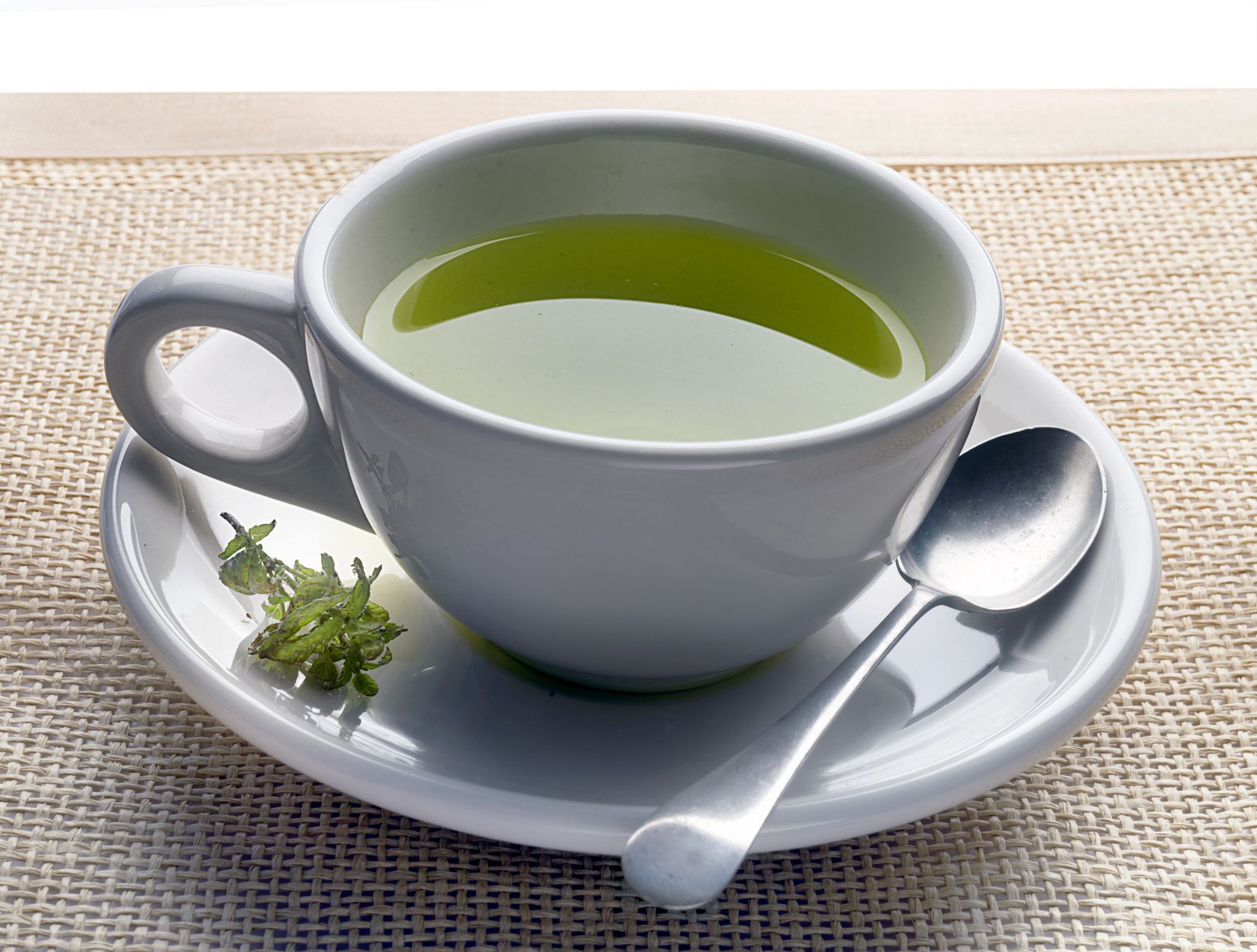
You’re pregnant, you love green tea, and now you’re second-guessing every sip. That’s completely understandable — and you’re not alone in asking this question.
The good news is that navigating what’s safe to eat and drink during pregnancy doesn’t have to feel overwhelming. When it comes to green tea specifically, the answer isn’t a flat-out “no” — but it does come with some important nuances worth knowing before you brew your next cup.
Here’s everything you need to know, broken down clearly so you can make a confident, informed decision for you and your baby.
The Short Answer
Yes, green tea can be safe during pregnancy when consumed in moderation — but there are important considerations to keep in mind. Generally speaking, it’s probably okay to enjoy green tea during pregnancy, as long as you drink it in moderation, according to registered dietitian and women’s health nutritionist Ayla Barmmer, MS, RD, LDN.
One to three cups of green tea per day is generally considered safe. The American College of Obstetricians and Gynecologists (ACOG) recommends limiting caffeine intake to less than 200 milligrams per day during pregnancy. A standard cup of green tea falls well under that threshold — which means moderate enjoyment is on the table.
The key word here is moderate. Green tea isn’t the same as herbal tea, and it isn’t caffeine-free. Understanding what’s actually in your cup — and how much — is what makes all the difference.
Pro Tip: Always count your green tea as part of your total daily caffeine budget — not separate from it. Coffee, chocolate, and some sodas all add to that 200 mg limit.
Why It’s a Concern
Green tea might have a healthy reputation, but during pregnancy, two specific compounds give doctors and nutritionists pause: caffeine and catechins. Understanding both helps you drink smarter.
Caffeine and Your Baby
An 8-ounce cup of green tea contains approximately 24 to 45 milligrams of caffeine, depending on how strong it’s brewed. By comparison, 8 oz of coffee may contain anywhere between 95 and 200 mg of caffeine — meaning a cup of green tea has less than half the caffeine of a typical cup of coffee.
Caffeine can freely cross the placenta and enter the baby’s bloodstream. Your baby takes a much longer time to metabolize caffeine than a typical adult does, so doctors have had concerns about its impact on the developing baby. As one expert puts it, “The developing fetus lacks the enzymes necessary to metabolize caffeine efficiently, meaning it can accumulate in fetal tissues.” This accumulation can lead to an increased risk of low birth weight, preterm labor, and disruptions in fetal sleep.
Catechins and Folic Acid Absorption
Green tea contains compounds called catechins, which have been shown to partially prevent the cells in the intestines from absorbing folic acid. Studies have shown that when women are drinking a lot of green tea, they have lower levels of folate in their system — meaning there is less folic acid that can cross the placenta and get to the baby.
Excessively drinking green tea could prevent your baby from getting critical folate amounts and can potentially cause neural tube defects like spina bifida. This is particularly important preconception and during the first trimester, when folic acid needs are highest.
Important Note: Catechin-related folate interference is primarily a concern when drinking more than 3 cups per day. At 1–2 cups daily, the risk is significantly lower — especially if you’re taking a prenatal vitamin.
Tannins and Iron Absorption
The tannins in green tea can inhibit iron absorption from plant-based foods, which can potentially lead to anemia if not monitored. This is another reason timing matters — more on that in the “How to Do It Safely” section below.
What the Research Actually Says
The science around green tea and pregnancy is nuanced — and it’s worth looking at it honestly rather than defaulting to either extreme.
Moderate levels of caffeine — about 200 mg per day — have not been shown to increase any risks in pregnancy. That’s a reassuring baseline. Green tea may be okay to drink in moderation because a cup typically contains less than 45 mg of caffeine.
On the catechin side, green tea contains catechins, particularly epigallocatechin gallate (EGCG), which can interfere with folic acid absorption in your intestines. Folic acid is crucial during pregnancy, especially in the first trimester, for preventing neural tube defects like spina bifida. Research shows that heavy green tea consumption — 3 or more cups daily — can lower your body’s folate levels.
This folate concern can occur when a pregnant woman is drinking more than three cups of tea per day. Green tea and some forms of black tea such as oolong tea can be high in catechins.
What about miscarriage risk? There is no conclusive evidence that moderate green tea consumption causes miscarriage. However, excessive caffeine intake — over 300 milligrams daily — has been associated with increased risks of miscarriage or pregnancy complications. As green tea contains less caffeine than coffee, it’s generally considered safer when consumed within recommended limits.
One important caveat: green tea extracts and supplements are not recommended during pregnancy, as they contain concentrated amounts of catechins and caffeine that could exceed safe levels. Brewed green tea in a cup is a very different story from a high-dose green tea extract supplement.
The overall scientific consensus leans toward “safe in moderation” — but the first trimester calls for extra caution, and the quality of your prenatal vitamin matters too. You can learn more about the broader health benefits of green tea outside of pregnancy to understand why it’s such a popular choice in the first place.
Key Insight: The research distinguishes between casual consumption (1–2 cups/day) and heavy consumption (3+ cups/day). Most concerns about green tea in pregnancy apply specifically to heavy, daily intake — not the occasional cup.
How to Do It Safely
If your doctor gives you the green light, here’s how to enjoy green tea during pregnancy in a way that minimizes risk and keeps both you and your baby well-supported.
Stick to Safe Amounts
Green tea can be a safe and beneficial addition to your pregnancy diet when consumed in moderation. By sticking to 1–2 cups per day, you can enjoy its antioxidants and hydration benefits without risking caffeine overconsumption or nutrient interference.
Time It Right
It’s best to separate green tea and prenatal vitamins by a few hours. Green tea’s tannins and catechins can reduce the absorption of key nutrients like iron and calcium from your vitamins. Drinking green tea between meals and at least two hours apart from your prenatal vitamins can help ensure optimal nutrient absorption.
Trimester-by-Trimester Guidance
- First Trimester: Women may want to limit their tea consumption during the first trimester when the baby’s neural tube is developing, to avoid the chance of decreasing absorption of folic acid. This is the most cautious period — consider cutting back to half a cup or switching to a caffeine-free option during these early weeks.
- Second Trimester: After the first trimester, drinking one cup of green tea per day has not been shown to increase any risks for the baby. You can typically relax a bit here while still staying within the 200 mg daily caffeine limit.
- Third Trimester: As your pregnancy progresses, your body’s ability to break down caffeine slows down. You might feel jittery, have trouble sleeping, or experience heartburn if you drink too much. Keep it to 1 cup or less and avoid drinking it close to bedtime.
Matcha During Pregnancy
Matcha is a powdered form of green tea and is more concentrated, containing higher levels of caffeine and antioxidants. Its vibrant green color and creamy texture make it a popular choice among tea enthusiasts. While matcha offers similar benefits to regular green tea, its higher caffeine content requires stricter moderation during pregnancy. Limit matcha to small servings — around ½ teaspoon per day — to avoid excessive caffeine and nutrient interference.
Support Your Folate Levels
If you choose to enjoy green tea, balancing it out with a quality prenatal multivitamin is key. Look for one that includes folate in bioavailable forms like methylfolate and methylcobalamin to help lessen the risk of catechins interfering with folic acid absorption.
Pairing your green tea habit with folate-rich whole plant foods like leafy greens, legumes, and avocados adds another layer of protection. You might also want to keep your overall hydration strong — water remains the gold standard during pregnancy.
Pro Tip: Brew your green tea with water that’s around 160–180°F (not fully boiling). Cooler water extracts slightly less caffeine and is gentler on the tea’s delicate antioxidants.
When to Avoid It Completely
Even if you’re committed to moderate green tea consumption, there are specific situations where skipping it entirely is the wiser choice.
- You’re taking iron supplements or are anemic: High caffeine intake during pregnancy has been associated with an increased risk of low birth weight and other complications. Additionally, green and black teas contain tannins, which can interfere with the absorption of iron, a crucial nutrient for both the mother and the baby. If your provider has flagged low iron levels, it’s best to hold off on green tea entirely.
- You’re already close to your 200 mg caffeine limit: If you’ve had a coffee, some dark chocolate, or a caffeinated soda that day, your green tea could tip you over the recommended threshold. Doctors often recommend limiting your caffeine intake to less than 200 mg each day, and this includes all sources of caffeine.
- You’re in the early first trimester and haven’t established your prenatal vitamin routine: Green tea’s catechins may inhibit the absorption of folate, a B vitamin essential for neural tube development. This risk is particularly concerning during the first trimester when the baby’s neural tube is forming.
- You’re taking green tea supplements or extracts: Green tea extracts and supplements are not recommended during pregnancy as they contain concentrated amounts of catechins and caffeine that could exceed safe levels.
- Close to bedtime: Certain times during pregnancy call for caution with green tea. Close to bedtime, the caffeine may interfere with sleep, which is already a challenge for many pregnant women.
- Your doctor has advised against it: Some healthcare providers recommend complete caffeine avoidance during pregnancy. Some doctors recommend fewer than 200 mg per day, but others recommend complete avoidance. Always follow your own provider’s guidance over general guidelines.
For a broader look at what to steer clear of during pregnancy, this guide to foods and beverages to avoid during pregnancy is worth bookmarking.
Quick Reference Chart
| Green Tea Scenario | Safety Status | Notes |
|---|---|---|
| 1–2 cups/day of brewed green tea | ✅ Generally Safe | Stay within 200 mg total daily caffeine; take prenatal vitamin separately |
| 3+ cups/day of green tea | ⚠️ Use Caution | May lower folate levels; increases cumulative caffeine load |
| Green tea in first trimester | ⚠️ Use Caution | Neural tube development phase; limit to ½–1 cup/day or pause entirely |
| Matcha (powdered green tea) | ⚠️ Use Caution | Higher caffeine than brewed green tea; limit to ½ tsp/day |
| Decaf green tea | ✅ Generally Safe | Still contains trace caffeine (~12 mg); good lower-risk option |
| Green tea with prenatal vitamins | ⚠️ Use Caution | Space at least 2 hours apart to protect nutrient absorption |
| Green tea when anemic or low iron | 🚫 Avoid | Tannins inhibit iron absorption; consult your provider |
| Green tea extract/supplements | 🚫 Avoid | Concentrated catechins and caffeine; not safe during pregnancy |
| Green tea close to bedtime | 🚫 Avoid | Caffeine can worsen pregnancy sleep difficulties |
| Rooibos tea | ✅ Safe Alternative | Naturally caffeine-free; doesn’t interfere with iron or folate |
| Ginger tea | ✅ Safe Alternative | Caffeine-free; helps with nausea; limit to 1–2 cups/day |
| Peppermint tea | ✅ Safe Alternative | Caffeine-free; soothes digestion and morning sickness |
Looking for more ideas on what to sip safely? Explore our food and drink guides for pregnancy-friendly inspiration.
Frequently Asked Questions
Can I drink green tea in my first trimester?
You can, but it’s the trimester to be most cautious. Women may want to limit their tea consumption during the first trimester when the baby’s neural tube is developing to avoid the chance of decreasing absorption of folic acid. If you choose to have green tea during this period, keep it to half a cup or one small cup per day, and make sure your prenatal vitamin is taken at a different time of day.
Is matcha safe during pregnancy?
Matcha is a concentrated form of green tea with higher caffeine content — 60 to 70 mg per cup. If you choose to drink matcha, limit it to one small serving and count it toward your daily caffeine limit. The same folate and tannin concerns apply, so the same spacing and prenatal vitamin rules hold.
What if I accidentally drank a lot of green tea before I knew I was pregnant?
Don’t panic. Occasional overconsumption is unlikely to cause harm. Just be more mindful going forward and discuss any concerns with your healthcare provider. Most risks are associated with consistent, heavy use — not a single cup or even a few days of normal drinking.
Does green tea affect my prenatal vitamins?
Yes, it can. Green tea’s tannins and catechins can reduce the absorption of key nutrients like iron and calcium from your vitamins. Drinking green tea between meals and at least two hours apart from your prenatal vitamins can help ensure optimal nutrient absorption. This simple habit goes a long way toward protecting your nutrient levels.
What are the safest tea options during pregnancy?
Teas that are generally safe to drink while pregnant include rooibos, lemon balm, ginger, and fruit teas. Rooibos tea is widely considered one of the safest and most beneficial teas during pregnancy. Since it’s naturally caffeine-free, it won’t interfere with sleep or hydration, making it a great choice for expectant parents looking for a warm, soothing drink. Ginger tea can help alleviate nausea and digestive discomfort often experienced during pregnancy. You can explore more heart-healthy food and drink options that are also pregnancy-supportive.
Can green tea cause a miscarriage?
There is no conclusive evidence that moderate green tea consumption causes miscarriage. However, excessive caffeine intake — over 300 milligrams daily — has been associated with increased risks of miscarriage or pregnancy complications. Keeping your total daily caffeine intake well under 200 mg significantly reduces any potential risk.
Is decaf green tea safe during pregnancy?
Decaf green tea is a solid lower-risk option. Even a cup of decaffeinated green tea contains small amounts of caffeine — 12 mg or less. It still retains many of the antioxidant benefits of regular green tea, and the catechin content is similar, so the same spacing rule around your prenatal vitamins applies. That said, it’s a much gentler choice when you want the comfort of green tea without the caffeine concern. Check out our guide to the health benefits of drinking green tea to understand what you’re still getting even in its decaf form.
When in doubt, talk to your OB-GYN or midwife. Your individual health history, iron levels, and pregnancy circumstances all factor into what’s right for you — and that personalized guidance is always worth seeking out. For more on nutrients that support healthy development, or to explore foods that support reproductive health, our guides have you covered.
Disclaimer: This information is for educational purposes only and is not intended as medical advice. Always consult with a qualified healthcare professional before making health decisions during pregnancy.