Is Mayonnaise Safe During Pregnancy? Here’s What You Actually Need to Know

April 7, 2026
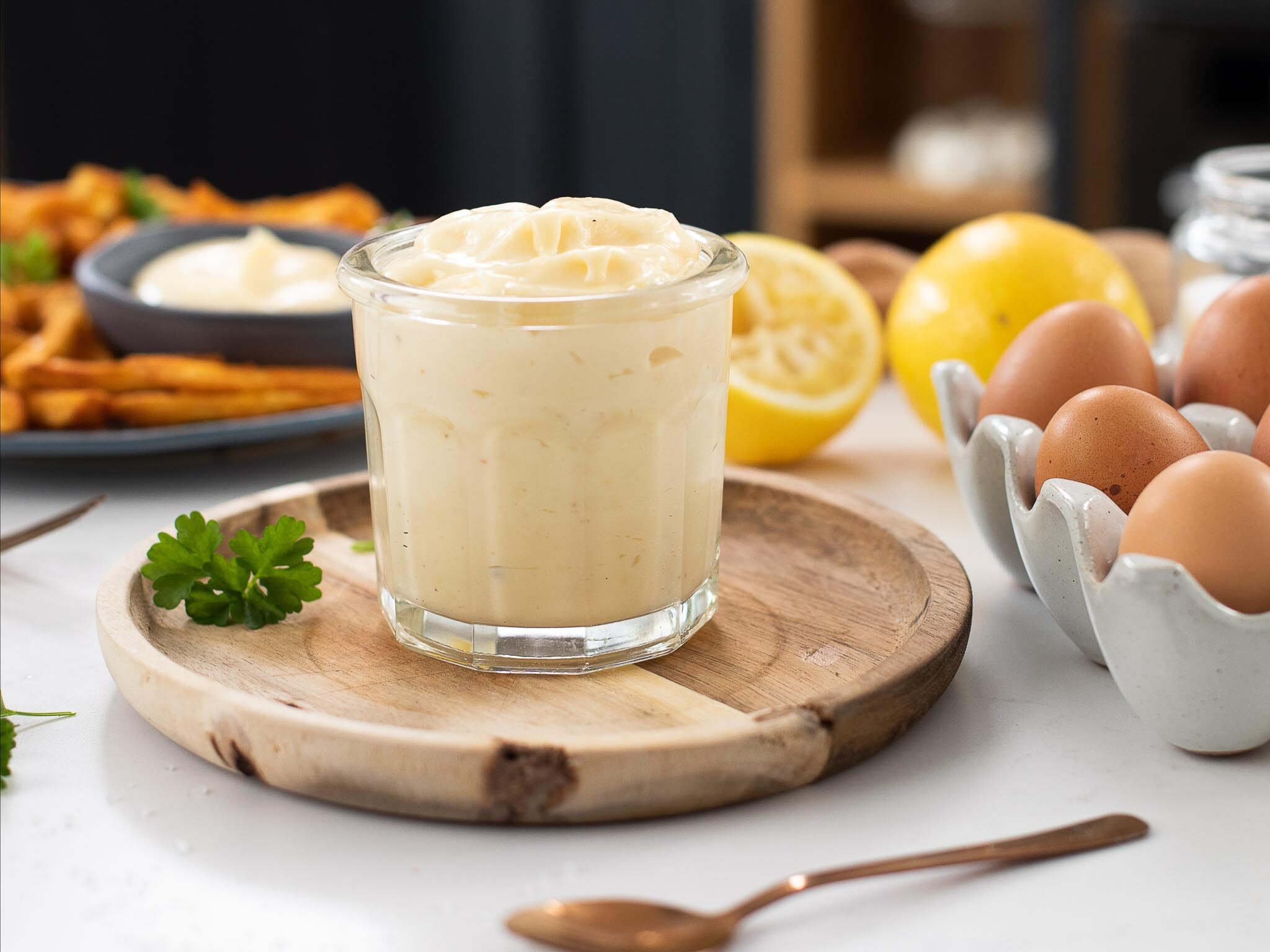
Mayonnaise is one of those pregnancy food questions that seems more complicated than it really is. You’ve probably heard conflicting advice — avoid it entirely, only eat certain brands, or steer clear of anything with eggs. It’s enough to make you put down your sandwich and walk away.
Here’s the reassuring truth: for most pregnant women, mayo is completely fine. The answer hinges on one simple factor — whether the eggs used to make it were pasteurized. Once you understand that distinction, the confusion disappears and you can get back to enjoying your meals with confidence.
In this guide, you’ll find a clear breakdown of what’s safe, what to watch out for, a trimester-by-trimester overview, and a quick-scan reference chart — everything you need to make smart, stress-free choices about foods and beverages during pregnancy.
Key Insight: The FDA explicitly states that commercial mayonnaise, dressings, and sauces contain pasteurized eggs and are safe to eat during pregnancy. The worry is specifically about homemade mayo made with raw, unpasteurized eggs.
The Short Answer
Yes — you can eat mayonnaise while pregnant. You can safely eat mayonnaise during pregnancy as long as the label says it’s made with pasteurized eggs. And the good news is that most of the mayo you’ll encounter falls squarely into that safe category.
Mayonnaise safety during pregnancy is simpler than the internet makes it seem. Commercial, store-bought mayo is safe — it’s made with pasteurized eggs and has an acidic environment that protects against bacteria.
Commercial mayonnaise, dressings, and sauces contain pasteurized eggs that are safe to eat — and this comes directly from the U.S. Food and Drug Administration. So if you’ve been avoiding your favorite sandwich spread out of caution, you can breathe easy. The jar in your fridge is almost certainly fine.
The one situation that warrants real caution? Homemade mayo made with raw, unpasteurized eggs. That’s where the actual risk lives — not in the bottle from your grocery store shelf.
Why It’s Safe
Understanding why commercial mayo is safe comes down to one word: pasteurization. Pasteurization kills Salmonella. When eggs are pasteurized — heated to a specific temperature that destroys bacteria without cooking the egg — they become safe to consume even without further cooking. This is exactly what commercial mayonnaise manufacturers do.
But pasteurization isn’t the only protective factor at work. Store-bought mayo is actually one of the safer condiments you can choose. Beyond using pasteurized eggs, commercial mayo has several protective factors: pasteurized eggs that heat-treat to eliminate Salmonella before production, an acidic pH from vinegar and lemon juice that creates an environment where bacteria struggle to survive, controlled manufacturing with strict hygiene standards, and preservatives that extend shelf life and inhibit bacterial growth.
Major brands are explicitly safe. When eggs are used in Hellmann’s Real Mayonnaise, they are pasteurized. Pasteurization is a process of heat treatment intended to kill harmful bacteria. Additionally, Hellmann’s recipes are carefully crafted to prevent the growth of harmful bacteria. Because of this process, their mayonnaise is safe to use during pregnancy. The same applies to Best Foods, Kewpie, which uses pasteurized egg yolks, making it safe during pregnancy, and virtually all other major supermarket brands.
Virtually all major supermarket mayonnaise brands in the UK, US, EU, and Australia use pasteurized eggs. You don’t need to hunt for special “pregnancy-safe” versions — standard commercial mayo is fine.
Pro Tip: When in doubt at a restaurant or barbecue, simply ask whether the mayo or aioli is store-bought or homemade. If they can’t confirm it’s from a commercial source made with pasteurized eggs, it’s safest to skip it and enjoy other dishes.
What the Research Actually Says
The concern about mayonnaise during pregnancy stems from a legitimate food safety issue: raw eggs can harbor Salmonella, a bacteria that poses heightened risks to pregnant women. This infection tends to be more dangerous — sometimes life-threatening — in pregnant people, as well as older adults, younger children, and those with weakened immune systems.
The primary risk associated with eating raw eggs is a food-borne disease caused by the Salmonella bacteria, called salmonellosis, which causes nausea, vomiting, fever, headache, diarrhea, and abdominal cramps. It also causes other serious complications like extreme dehydration, reactive arthritis, bacteria in the bloodstream, and meningitis. This disease can also be transferred to the fetus and cause severe developmental defects.
That’s a sobering list — but here’s the critical context. The risk of Salmonella from store-bought mayonnaise is generally low due to pasteurization and stringent production processes. The research-backed concern applies specifically to raw, unpasteurized eggs, not to commercially produced mayo.
The safety of mayonnaise during pregnancy primarily depends on whether it’s made with pasteurized eggs and how it’s manufactured and stored. When both of those boxes are checked — as they are with every major commercial brand — the risk essentially disappears.
It’s also worth noting that mayo isn’t just empty calories. Mayonnaise is safe during pregnancy and offers benefits like healthy fats. It’s rich in omega-3s, which help with fetal brain development. Consuming mayonnaise can also support energy levels. You can read more about how specific foods support brain health and function — including the role of healthy fats.
How to Do It Safely
Now that you know commercial mayo is safe, here’s how to keep it that way across all three trimesters and in every eating situation.
Trimester-by-Trimester Guidance
You can eat mayonnaise during the first trimester. Choose pasteurized mayonnaise to avoid any risk from raw eggs, which ensures you’re safe from harmful bacteria like Salmonella. Your immune system changes in the first trimester, making food safety especially important during these early weeks.
It’s safe to eat mayonnaise in the second trimester, just like the first. Ensure it’s pasteurized to avoid potential risks, and store it properly and consume it in moderation to enjoy its texture and flavor safely.
You can continue to enjoy mayonnaise in the third trimester with the same simple rule: keep it commercial and keep it cold. As your baby grows, maintaining a nutrient-rich, balanced diet matters — and whole plant-based foods pair well alongside moderate amounts of mayo-containing dishes.
Safe Prep and Storage Rules
- Buy commercial brands: Store-bought commercial mayonnaise is typically safe for pregnant women because manufacturers use pasteurized eggs and follow strict food safety guidelines.
- Check the label: Look for the word “pasteurized” on the ingredients or packaging. Most store-bought versions use pasteurized eggs and will indicate this on the packaging.
- Refrigerate properly: Even if your mayo is the safe variety, you can also risk getting sick if it’s out for too long. Keep it refrigerated when not in use and finish up homemade mayonnaise within 4 days.
- Avoid expired jars: Pregnancy is not the time to take unnecessary risks by eating spoiled or expired foods, as this can make you ill and affect your baby. It’s better to avoid expired mayonnaise during pregnancy.
- Ask when eating out: You may be offered mayonnaise at a family BBQ and not know its origin if it’s not in the original packaging. In these cases, you may want to avoid it, or at the very least ask if it was made using pasteurized eggs.
Making Mayo at Home
If you love fresh homemade mayo, you still have options. You can use pasteurized eggs — look for pasteurized shell eggs (often labeled “safe to eat raw”) in supermarkets — or use pasteurized liquid egg yolks available in some shops, which are perfect for homemade mayo. An aquafaba mayo using chickpea water is also an egg-free version that’s naturally safe.
The USDA says it’s not possible to safely pasteurize foods at home — at least, it’s not worth the risk of doing it incorrectly. So rather than attempting home pasteurization, simply start with store-bought pasteurized eggs or egg products when making mayo from scratch.
Moderation Still Matters
While mayonnaise is calorie-dense due to its fat content, consuming it in moderation as part of a balanced diet during pregnancy is unlikely to lead to excessive weight gain. However, it’s essential to be mindful of portion sizes and to balance mayonnaise consumption with other nutritious foods. Pairing mayo-dressed dishes with nutrient-dense whole foods keeps your overall pregnancy diet well-rounded.
Important Note: Mayo-based dishes like potato salad, egg salad, and coleslaw carry the same rule — if they’re made with commercial, pasteurized mayo, they’re safe. Always read the label or ask about the source when these dishes are homemade.
When to Avoid It Completely
While commercial mayo gets the green light, there are specific situations where you should skip mayo entirely during pregnancy.
Homemade Mayo with Raw, Unpasteurized Eggs
Homemade mayonnaise often contains raw eggs, which can carry harmful bacteria like Salmonella. This makes homemade versions potentially dangerous for pregnant women and should be avoided unless specifically made with pasteurized eggs.
Bacteria can infiltrate the egg even before its shell is formed if the chicken laying the egg is infected. The outside shell can also become contaminated by chicken droppings. That’s why you don’t want to eat mayo made with unpasteurized eggs from your local farm.
Restaurant Sauces You Can’t Verify
Several restaurant sauces can be problematic: traditional aioli is raw egg and garlic — many restaurants now use commercial versions, but you should ask. Hollandaise sauce uses raw or lightly cooked eggs, so avoid or confirm it’s made with pasteurized eggs. Béarnaise sauce is similar to hollandaise. Traditional Caesar dressing recipes use raw egg, though commercial versions are safe.
When you’re at a restaurant and unsure whether a sauce or dressing is made with raw eggs, ask your server. The only real caution is around homemade mayonnaise from raw, unpasteurized eggs, or restaurant sauces where you can’t confirm the source. If the answer is vague or unclear, it’s safer to request an alternative dressing — olive oil and vinegar are always a reliable fallback.
Mayo Left Out Too Long
Even safe, pasteurized mayo becomes a risk when it’s been sitting out at room temperature for extended periods. At a picnic, buffet, or outdoor gathering, mayo-based salads and spreads that have been unrefrigerated for more than two hours should be avoided. Bacteria can multiply rapidly at room temperature even in commercially produced products.
Expired or Improperly Stored Mayo
Always check the “best by” date before using mayo during pregnancy. An opened jar should be stored in the refrigerator and used within the manufacturer’s recommended timeframe. When in doubt, throw it out — this is one area where caution is always the right call. For a broader look at foods and beverages to avoid during pregnancy, it’s worth reviewing what food safety guidelines say about condiments and perishables.
Common Mistake: Assuming that “fresh” or “artisanal” mayo at a restaurant is safer than homemade — it often isn’t. Freshly made sauces at restaurants are among the most likely to contain raw, unpasteurized eggs. Always ask.
Quick Reference Chart
| Mayo Type / Situation | Safety Status | Notes |
|---|---|---|
| Commercial store-bought mayo (Hellmann’s, Best Foods, Duke’s, etc.) | ✅ Safe | Made with pasteurized eggs; FDA-approved for pregnancy |
| Kewpie Japanese mayo | ✅ Safe | Uses pasteurized egg yolks |
| Vegan / egg-free mayo (Vegenaise, etc.) | ✅ Safe | No Salmonella risk; completely safe |
| Fast food restaurant mayo | ✅ Safe | Commercial brands used; pasteurized |
| Homemade mayo with pasteurized eggs | ✅ Safe | Use store-bought pasteurized shell eggs or liquid egg yolks |
| Homemade mayo with raw, unpasteurized eggs | ❌ Avoid | High Salmonella risk; avoid entirely |
| Restaurant aioli / hollandaise / béarnaise | ⚠️ Ask First | May contain raw eggs; confirm source before eating |
| Traditional Caesar dressing (restaurant) | ⚠️ Ask First | Traditional recipes use raw egg; commercial versions are safe |
| Store-bought potato salad / coleslaw with mayo | ✅ Safe | Commercial mayo used; check label and refrigeration |
| Homemade potato salad / coleslaw (unknown mayo source) | ⚠️ Ask First | Ask about mayo origin before eating |
| Mayo left unrefrigerated 2+ hours | ❌ Avoid | Bacterial growth risk regardless of egg type |
| Expired mayo | ❌ Avoid | Do not consume past best-by date during pregnancy |
Frequently Asked Questions
Can I eat Hellmann’s mayo while pregnant?
Yes. When eggs are used in Hellmann’s Real Mayonnaise, they are pasteurized. Pasteurization is a process of heat treatment intended to kill harmful bacteria. Additionally, Hellmann’s recipes are carefully crafted to prevent the growth of harmful bacteria. Because of this process, Hellmann’s mayonnaise is safe to use during pregnancy.
What happens if I accidentally ate homemade mayo while pregnant?
If you consume mayo made with raw eggs, pay close attention to your body’s signals in the 12- to 72-hour window afterward. During this interval, symptoms of Salmonella may begin to appear, which can include abdominal pain, fever, and diarrhea. The course of the illness is typically between 4 and 7 days. Contact your healthcare provider immediately if you develop any of these symptoms, as prompt treatment is important during pregnancy.
Is aioli safe to eat during pregnancy?
Aioli is safe during pregnancy only if it’s made with pasteurized eggs or is an egg-free version. Traditional homemade aioli often uses raw eggs, which can carry Salmonella bacteria and pose a food safety risk for pregnant women. At restaurants, always ask whether the aioli is made from scratch or uses a commercial base.
Can I eat mayo every day during pregnancy?
From a food safety perspective, yes, you can eat mayo daily. Nutritionally, be mindful of fat and calorie content as part of overall balance. Mayo is calorie-dense, so using it as a condiment in reasonable portions — rather than as a main ingredient — keeps your overall pregnancy diet on track. Pair it with heart-healthy superfoods to keep your nutrition balanced.
Is tuna mayo safe during pregnancy?
Yes, the mayo in tuna mayo is safe. Just be mindful of your weekly tuna intake due to mercury content. The FDA recommends limiting higher-mercury fish during pregnancy. You can learn more about the pros and cons of eating seafood to make informed choices about tuna and other fish during pregnancy.
Does commercial mayo need to be refrigerated during pregnancy?
Yes. Hellmann’s Real Mayonnaise should be refrigerated after opening, stored in your refrigerator door. The same applies to all commercial mayo brands. An unopened jar can be stored at room temperature until opened, but once open, it must be kept cold. Never leave an open jar or mayo-dressed dish unrefrigerated for more than two hours.
Are there pregnancy-safe alternatives to mayo?
If you’re avoiding mayonnaise due to egg allergies or digestion concerns, opt for avocado or hummus, as they have higher fiber and better digestibility and provide similar benefits. You may even find a few egg-free types to try, or get crafty with avocado as a substitute. Avocado in particular offers healthy fats that support fetal development, making it an excellent swap when you want a creamy spread without any of the egg-related concerns. For more ideas on skin-nourishing foods and nutrient-dense options during pregnancy, those same alternatives often deliver multiple benefits at once.
This information is for educational purposes only and is not intended as medical advice. Always consult with a qualified healthcare professional before making health decisions during pregnancy.