Hot Dogs During Pregnancy: When They’re Safe and When to Skip Them

April 3, 2026
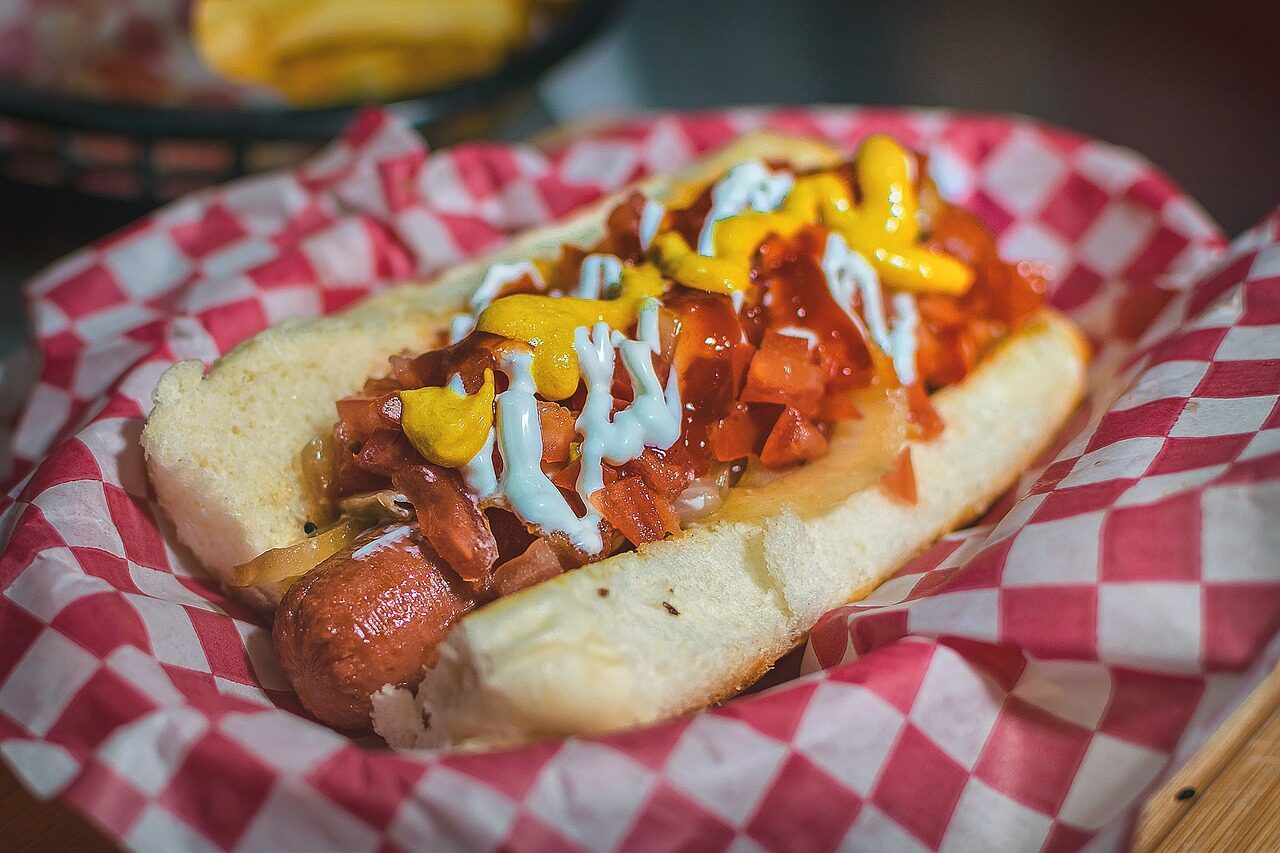
You’re craving a hot dog — and now you’re second-guessing every bite. That’s one of the more frustrating parts of pregnancy eating: foods you never thought twice about suddenly feel like a question mark.
Here’s the good news: hot dogs don’t have to go on your “absolutely not” list. But they do come with real rules you need to know, especially because your immune system works differently right now and the stakes are higher than usual. This guide walks you through everything — the risk, the research, how to prep them safely, and when to skip them entirely.
Important Note: This article is for informational purposes only and is not a substitute for medical advice. Always consult your OB-GYN or midwife with specific questions about your pregnancy diet.
The Short Answer
Hot dogs are not off-limits during pregnancy, but they do require careful preparation. The short version: thoroughly cooking hot dogs is crucial to eliminate harmful bacteria such as Listeria, and you should aim for an internal temperature of 165°F (74°C).
Properly cooked hot dogs are generally safe for pregnant women to consume in moderation. The problem isn’t the hot dog itself — it’s eating one that hasn’t been heated all the way through. As the FDA puts it, “If it’s not possible to reheat hot dogs, don’t eat them.”
So yes, you can have that hot dog at the backyard cookout or cook one up at home. You just need to do it right — and this guide will show you exactly how.
Why It’s a Concern
The main concern with hot dogs during pregnancy is Listeria, a harmful bacteria found in processed meats that can lead to listeriosis — a rare but serious infection. Pregnant women are at higher risk of contracting listeriosis, which can cause miscarriage, stillbirth, or complications for the baby after birth.
Why are you more vulnerable right now? According to the CDC, pregnant women are at heightened risk of infection from foodborne pathogens due to immune system changes. These changes occur to accommodate your baby — who’s made of tissues and cells dissimilar to your own — ensuring your body doesn’t reject the fetus. However, this change also means that your immune system may lose some of its ability to fight off outside infections.
The numbers make this concrete: pregnant women are 10 times more likely to get a Listeria infection than the general population. And pregnant people with listeria infections can pass the infections to their unborn babies — even if the pregnant person doesn’t have symptoms of the infection.
Beyond Listeria, there are a few other concerns worth knowing:
- Nitrates and nitrites: Many hot dogs contain nitrates and nitrites — preservatives used to enhance flavor and color. While generally considered safe in small amounts, excessive intake has been linked to health complications during pregnancy.
- High sodium: Hot dogs are often high in sodium and saturated fats, which can contribute to high blood pressure and excessive weight gain during pregnancy. Too much sodium can also lead to water retention and swelling, making pregnancy discomforts even worse.
- Empty calories: Aside from potentially risky bacteria and preservatives, hot dogs are unhealthy in general, and they essentially provide empty calories. That matters more when your body needs nutrient-dense food to support your growing baby.
Key Insight: Listeria bacteria is unusual because, unlike most foodborne bacteria, it can grow at refrigerator temperatures where most other foodborne bacteria do not. This is why a “cold but pre-cooked” hot dog is still considered risky.
What the Research Actually Says
The science on hot dogs and pregnancy centers on two main areas: Listeria risk and the effects of nitrates. Here’s what the evidence actually shows — without the social media panic.
On Listeria risk: The incidence of listeriosis associated with pregnancy is approximately 13 times higher than in the general population. Maternal infection may present as a nonspecific, flu-like illness with fever, myalgia, backache, and headache, often preceded by diarrhea or other gastrointestinal symptoms. However, fetal and neonatal infections can be severe, leading to fetal loss, preterm labor, neonatal sepsis, meningitis, and death.
That sounds alarming — but context matters. Listeria illness is rare. According to the CDC, an estimated 1,700 persons become seriously ill each year in the United States. Although the CDC states that pregnant women are 20 times more likely to become infected than non-pregnant healthy adults, the number of cases of listeriosis in pregnant women is about 17%. This is a real risk worth taking seriously, but it’s not a guarantee that every hot dog will make you sick — especially when properly cooked.
On nitrates: Research suggests that high levels of sodium nitrate from processed meats can potentially lead to various health concerns, which is especially important to note when you’re pregnant. However, one common myth is that nitrates in hot dogs automatically harm the baby — in reality, occasional consumption of well-cooked hot dogs is generally considered fine. The concern is with frequent, high-volume consumption, not the occasional hot dog.
On viral social media claims: You may have seen posts claiming hot dogs increase a child’s brain cancer risk. An account with over a million followers shared a “fact” that eating hot dogs in pregnancy increases child brain cancer risk by 33%, claiming it was supported “by studies.” Upon investigation, the study referenced relied on a case-control study design, which is often deeply problematic. The bottom line from data experts: it is fine to eat hot dogs in pregnancy — when prepared correctly. You can learn more about foods and beverages that genuinely warrant caution during pregnancy to help separate real risks from internet noise.
Pro Tip: Natural nitrate consumption through vegetables and fruits is generally a healthier option than consuming nitrates through processed meats. Leafy greens like spinach and kale contain natural dietary nitrates that your body processes differently.
How to Do It Safely
The good news is that making hot dogs safe during pregnancy is straightforward — it comes down to temperature, sourcing, and toppings.
The Temperature Rule (Non-Negotiable)
To safely enjoy a hot dog while pregnant, it should be heated until steaming hot — 165°F or 74°C — before eating. This ensures that any bacteria, including Listeria, are completely destroyed. Don’t rely on visual cues alone; a hot dog can look done on the outside while still being undercooked inside.
Here are your cooking method options:
- Boiling: Let them heat through with a four-minute rolling boil. The hot dogs should be visibly steaming when removed.
- Microwaving: Heat for one to two minutes. Check that they’re steaming hot throughout before eating.
- Grilling or pan-frying: Check the internal temperature with a meat thermometer. Pay extra attention to frozen hot dogs on the grill — although they may look cooked on the outside, they may be undercooked on the inside. Use a meat thermometer to confirm the temperature to be 100% sure it is safe.
- Oven baking: Bake your hot dogs for ten minutes at over 160°F. Turn them frequently until they’re heated all the way around.
Choosing the Right Hot Dog
Not all hot dogs are equal when it comes to pregnancy safety. Here’s what to look for at the store:
- Opt for nitrate-free or low-nitrate varieties: Choosing nitrate-free or low-nitrate hot dog options can help reduce potential risks. Many mainstream brands and health food stores carry these.
- Choose low-sodium options when available: Opt for low-sodium or nitrate-free versions when possible to make healthier choices.
- Read labels carefully: Check if the hot dog contains any ingredient to which you are allergic, and read the labels carefully.
- Skip street vendor hot dogs: Hot dogs purchased from street vendors are especially dangerous and can be contaminated because the water they are heated in is well below 160°F. At a vendor stand, you have no control over temperature.
Watch Your Toppings
While the hot dog itself may not be the main concern, the toppings can add a layer of complexity. Some condiments, like unpasteurized sauerkraut or soft cheeses, may harbor bacteria that could jeopardize a healthy pregnancy.
Safe topping choices include pasteurized cheese, mustard, ketchup, relish, and cooked onions. Avoid soft cheeses like queso fresco, Brie, or Camembert as toppings unless they’ve been thoroughly cooked. For more context on how food preservatives work in processed products like hot dogs, that background can help you make more informed label-reading decisions.
Trimester Considerations
The same safety rules apply across all three trimesters — there’s no trimester where raw or undercooked hot dogs become safe. However:
- You can eat hot dogs during the first trimester, but ensure they’re fully cooked. Undercooked hot dogs may contain harmful bacteria like Listeria, and cooking them thoroughly reduces this risk.
- Incorporating them into your diet can be beneficial during the second trimester, when cravings often peak — just follow the same temperature rules.
- In the third trimester, your immune system remains altered, so the same vigilance applies. There is no specific limit on how many hot dogs you can eat while pregnant, but due to their high sodium and saturated fat content, they should be eaten in moderation.
Common Mistake: Assuming pre-cooked or packaged hot dogs are safe to eat cold or at room temperature. Reheat these meats to steaming hot or 165°F (74°C) before eating, even though the label says precooked. These meat items may contain Listeria and are unsafe to eat if they have not been thoroughly reheated.
When to Avoid It Completely
Even with the best intentions, there are situations where it’s better to skip the hot dog entirely rather than risk it:
- When you can’t verify the cooking temperature. If you’re cooking a hot dog at home, you can use a meat thermometer to check its internal temperature. If, however, you’re ordering from a stand, vendor, or food court, there’s no assurance that all the potential Listeria hidden in your meal has been killed.
- When the hot dog is cold or room temperature. Avoid raw or cold hot dogs, which pose a risk of Listeria. Even a fully cooked hot dog left sitting out can become a risk.
- When it’s been sitting out for more than two hours. Never leave hot dogs at room temperature for more than 2 hours — and no more than 1 hour when the temperature goes above 90°F.
- When you have gestational complications. If you’ve been diagnosed with gestational diabetes, high blood pressure, or preeclampsia, the high sodium content in hot dogs makes them a poor choice. If you’re avoiding hot dogs due to gestational diabetes, opt for tofu or lentil soup, as they have a lower glycemic index and provide similar benefits.
- When there’s a known Listeria outbreak or recall. If you’ve eaten a food that’s been recalled because of a Listeria outbreak, watch for symptoms of illness and call your healthcare professional if you have a fever, muscle aches, upset stomach, or loose stools.
- When you notice signs of listeriosis after eating. Signs of listeriosis include flu-like symptoms, fever, aches and pains, chills, nausea, stiff neck, headache, and diarrhea. If you notice any of these after consuming a hot dog, contact your physician.
It’s also worth knowing that the World Health Organization classifies processed meats as carcinogens, making them less-than-stellar meal options for anyone — pregnant or not. You can read more about cancer-causing foods to be aware of as part of building a broader picture of long-term healthy eating. For a more balanced diet during pregnancy, exploring whole plant-based foods can offer nutrient-dense alternatives that satisfy cravings without the same risks.
Important Note: Because a pregnant woman’s immune system is constantly changing during these nine months, certain foodborne pathogens such as Listeria monocytogenes are more effective in crossing the placenta into the fetus than other foodborne pathogens. These risks often don’t make the mother feel very sick, but can have a severe effect on her unborn baby.
Quick Reference Chart
| Scenario | Status | Notes |
|---|---|---|
| Hot dog cooked to 165°F / steaming hot | ✅ Safe | Verify with a meat thermometer; eat immediately |
| Nitrate-free or low-nitrate hot dog, fully cooked | ✅ Safe | Best option; widely available at most grocery stores |
| Hot dog boiled for 4 minutes (rolling boil) | ✅ Safe | One of the safest prep methods; easy to confirm doneness |
| Hot dog microwaved 1–2 minutes until steaming | ✅ Safe | Confirm it’s steaming throughout, not just warm on the outside |
| Occasional consumption (not daily) | ✅ Safe in moderation | Low nutritional value; balance with nutrient-rich foods |
| Hot dog from a street vendor or food stand | ⚠️ Use Caution | No way to verify temperature; skip if you can’t confirm 165°F |
| Hot dog with soft cheese toppings (Brie, queso fresco) | ⚠️ Use Caution | Soft cheeses carry their own Listeria risk; use pasteurized hard cheeses instead |
| Hot dogs eaten frequently (daily or near-daily) | ⚠️ Use Caution | High sodium and saturated fat; not a healthy regular choice during pregnancy |
| Cold or room-temperature hot dog (pre-cooked, not reheated) | ❌ Unsafe | Listeria can survive and grow even in refrigerated, pre-cooked meat |
| Raw or undercooked hot dog | ❌ Unsafe | High Listeria and bacterial contamination risk; never eat while pregnant |
| Hot dog left out for more than 2 hours | ❌ Unsafe | Bacterial growth risk; discard and don’t eat |
| Hot dogs during a known Listeria recall or outbreak | ❌ Unsafe | Avoid entirely until the recall is resolved |
For a broader look at what to eat and avoid throughout your pregnancy, this guide to foods and beverages to avoid during pregnancy covers a wider range of common questions. You may also find it helpful to explore fibroid-friendly foods and brain-boosting foods as you build a more well-rounded pregnancy diet. Thinking about long-term wellness? Nutrients and foods that fight cancer and superfoods for a healthy heart are worth adding to your reading list.
Frequently Asked Questions
Can I eat a hot dog at a baseball game or cookout while pregnant?
You can, but with caution. Hot dogs and luncheon meats are safe as long as they are heated until steaming hot just before serving, according to board-certified OB-GYN Dr. Erica Montes. At a cookout where you can confirm the grill temperature, you’re in good shape. At a stadium vendor stand where you can’t verify temperature, it’s safer to skip it or ask for one that’s freshly grilled and visibly steaming.
What happens if I accidentally ate a cold or undercooked hot dog while pregnant?
Don’t panic — one exposure doesn’t guarantee illness. Symptoms of listeriosis may show up 2–30 days after exposure. Monitor for flu-like symptoms including fever, chills, muscle aches, nausea, or diarrhea, and contact your OB-GYN or midwife right away if any appear. They can advise on testing and treatment if needed.
Are turkey or chicken hot dogs safer than beef hot dogs during pregnancy?
Not inherently. The safety concern is about cooking temperature and Listeria contamination, not the type of meat. The same rules apply with all-beef hot dogs — cook them completely if you have to give in to the craving. Turkey and chicken franks carry the same risks if undercooked. That said, they may be lower in saturated fat, which is a nutritional bonus.
Can I eat a hot dog every day during pregnancy?
Hot dogs are not nutritious and are linked to listeriosis, a type of food poisoning. However, that doesn’t mean they need to be fully avoided — a well-cooked hot dog can be consumed some days of the week if your cravings intensify. Daily consumption, however, isn’t recommended given the high sodium, saturated fat, and low nutritional value. Balance is key. Consider pairing the occasional hot dog with nutrient-rich sides and liver-supporting foods to offset some of the processing load.
Do I need to worry about nitrates in hot dogs during pregnancy?
Limiting or cutting out processed meats such as hot dogs, sausage, bacon, and deli meats is often a safe option for both you and your growing baby, as they are already full of fat and sodium and also contain nitrates, which have been linked to some potentially harmful health effects. That said, an occasional well-cooked hot dog is considered fine by most health authorities. If you want to minimize nitrate exposure, choose nitrate-free or low-nitrate brands and keep consumption infrequent. You can also learn more about the pros and cons of eating seafood during pregnancy as a higher-quality protein alternative.
Is it safe to eat a hot dog in the first trimester?
Yes, you can eat hot dogs during your first trimester, but they should be cooked until steaming hot to ensure any potential bacteria is killed. The first trimester is actually when many women experience the strongest food aversions and cravings, so if a hot dog is what sounds good to you, go ahead — just make sure it’s piping hot all the way through.
What should I do if there’s a hot dog Listeria recall while I’m pregnant?
Check the USDA FSIS website for up-to-date recall information and follow their guidance immediately. Discard any recalled product and contact your healthcare provider if you’ve recently eaten the recalled item, even if you feel fine. Pregnant people with Listeria infections can pass the infections to their unborn babies, and this is a risk even if a pregnant person doesn’t have symptoms of the infection.
Eating well during pregnancy doesn’t have to mean giving up every food you love. With a meat thermometer, a little label-reading, and smart sourcing, hot dogs can still have a place in your pregnancy diet — just not every day, and never cold. For more pregnancy nutrition guidance and skin-nourishing foods that support your body through all three trimesters, explore our full collection of pregnancy and food resources.