
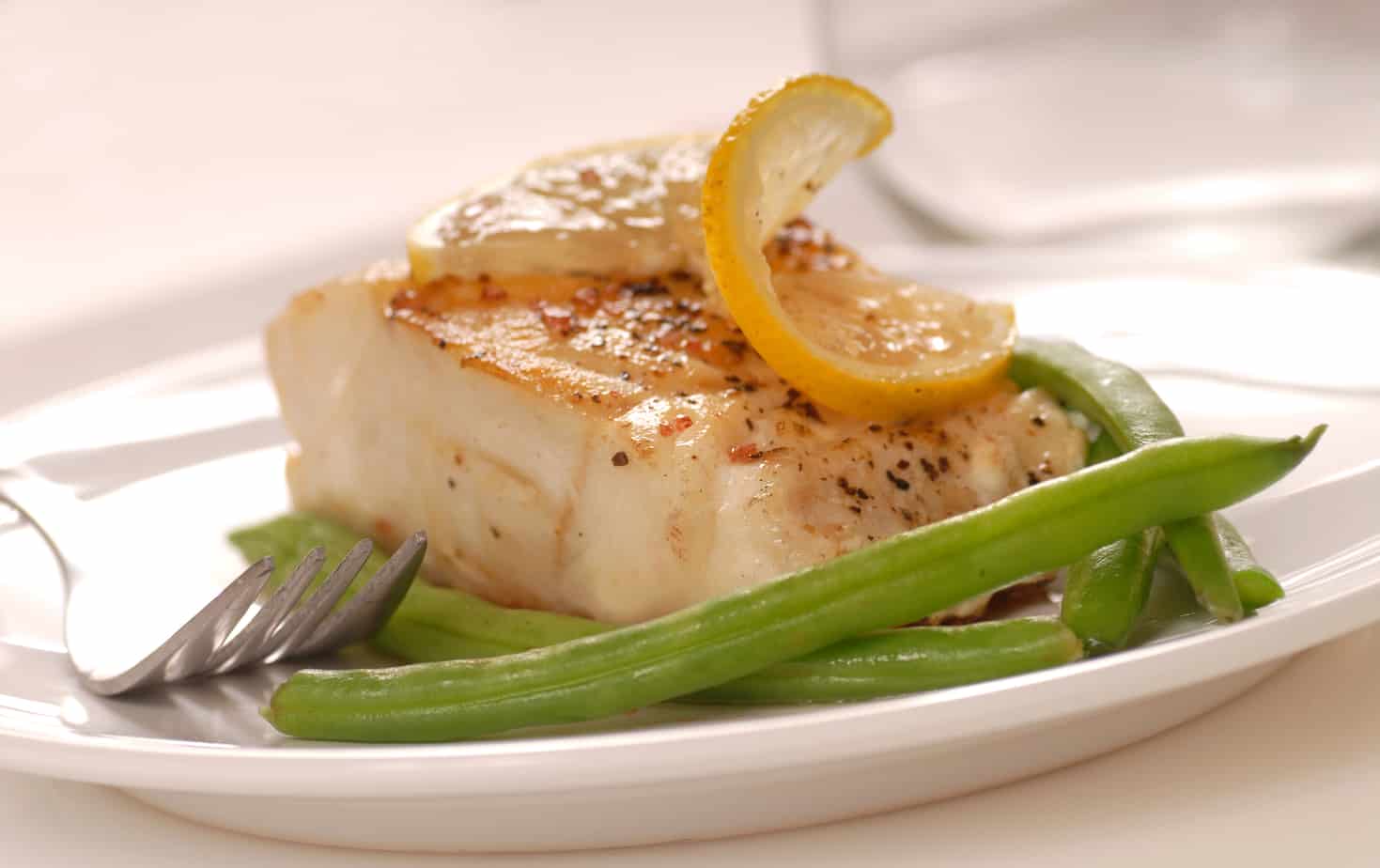
If you’ve been eyeing a piece of baked cod and wondering whether it’s safe to eat during pregnancy, here’s the good news: yes, it is — and it’s actually one of the better fish choices you can make right now.
Cod is low in mercury, packed with protein, and rich in nutrients your growing baby genuinely needs. But like most things in pregnancy, a few simple rules make all the difference between a nourishing meal and an unnecessary risk.
Here’s everything you need to know about eating cod while pregnant, backed by current guidance from the FDA, Mayo Clinic, and leading nutrition experts.
The Short Answer
Yes — cod is safe to eat during pregnancy. Cod is considered safe to eat during pregnancy and is actually recommended as part of a healthy, balanced diet. It’s not a fish you need to stress about or avoid.
You can eat cod while pregnant. As long as it’s fully cooked and flaky, you can safely eat two to three servings of cod a week during pregnancy. That’s about 8–12 ounces total per week — plenty of room to enjoy it regularly.
Pro Tip: A single serving of cod is roughly 4 ounces — about the size of your palm. Two to three of those per week puts you right in the sweet spot recommended by the FDA.
The key conditions are simple: cook it thoroughly, don’t overdo it, and choose your source wisely. Do those three things and cod becomes one of the most pregnancy-friendly proteins on your plate.
Why It’s Safe
The main concern with eating fish during pregnancy is mercury — a heavy metal that can accumulate in your bloodstream and potentially affect your baby’s developing brain and nervous system. Cod simply doesn’t carry that risk the way larger predatory fish do.
Cod has very low levels of mercury (0.07–0.11 mg/kg), well below the legal limit. It is one of the safest fish in terms of mercury. That’s a significant advantage compared to fish like swordfish or king mackerel, which the FDA specifically tells pregnant women to avoid.
Beyond mercury safety, cod brings a genuinely impressive nutritional profile to your pregnancy diet. It is low in mercury, high in protein, and rich in omega-3 fatty acids (DHA), iodine, and selenium — essential nutrients for fetal development.
- DHA (Omega-3): Supports your baby’s brain and eye development, especially in the third trimester
- Lean protein: Fuels your baby’s growth and helps maintain your own muscle and tissue
- Iodine: Critical for healthy thyroid function and neurological development in the fetus
- Selenium: An antioxidant mineral that supports immune health for both you and your baby
- Vitamin B12: Supports nerve function and helps prevent certain birth defects
- Vitamin D: Supports bone development — a nutrient many pregnant women are low in
While cod is low in calories, it is rich in high-quality protein and provides essential nutrients like omega-3 fatty acids and vitamin D. It supports heart health and aids brain development during pregnancy. You can explore more about the pros and cons of eating seafood to see how cod stacks up against other options.
Key Insight: Cod, as a white fish, can be eaten more frequently without specific restrictions on the number of portions, unlike oily fish which should be limited to two portions weekly due to potential pollutant accumulation.
What the Research Actually Says
Regulatory guidance on fish and pregnancy has actually shifted in a more encouraging direction in recent years. Despite previous concern regarding mercury levels in fish, the FDA now recommends that women who are pregnant, breastfeeding, or planning to become pregnant consume more fish.
The Food and Drug Administration (FDA), the Environmental Protection Agency (EPA), and the Dietary Guidelines for Americans recommend that, in a week, pregnant people eat at least 8 ounces (224 grams) and up to 12 ounces (340 grams) of a variety of seafood lower in mercury. Cod falls squarely on the approved list.
Both the Spanish Agency for Food Safety and Nutrition (AESAN) and the U.S. Food and Drug Administration (FDA) include cod on their list of safe fish for pregnant women, with a recommended consumption of 2–3 servings per week. That level of international consensus is meaningful.
Research has also shown real benefits — not just safety — from eating fish during pregnancy. Research published in the American Journal of Epidemiology showed eating more servings of seafood a week was associated with increases in cognitive scores and decreases in symptoms of autistic spectrum in the children.
Fish intake during pregnancy is recommended because moderate evidence shows it can help the baby’s cognitive development. That’s a powerful reason to keep cod on your plate, not pull it off. For more on how specific nutrients impact your baby’s development, see this guide to foods that boost brain health and function.
Eating average amounts of seafood containing low levels of mercury during pregnancy hasn’t been shown to cause problems. And the omega-3 fatty acids in many types of fish can promote a baby’s healthy brain development.
Key Insight: The average pregnant woman in the U.S. eats less than half a serving of seafood per week. Most pregnant women aren’t eating too much fish — they’re eating too little.
How to Do It Safely
Eating cod safely during pregnancy comes down to four things: how it’s cooked, how much you eat, when you start, and where it comes from. Get these right and you’re in great shape.
Safe Amounts by Trimester
You can eat cod during your first trimester. It’s low in mercury and packed with protein and essential vitamins like B12. Just ensure it’s cooked thoroughly to avoid any potential bacteria or parasites that can harm both you and your baby.
Cod is safe to eat during your second trimester. It provides vital nutrients like omega-3 fatty acids, which support your baby’s brain development. Stick to moderate amounts and ensure it’s well-cooked to enjoy its benefits while minimizing any health risks.
Eating cod in the third trimester is safe and beneficial. Its omega-3 content aids in your baby’s brain and eye development. Remember to consume it in moderation and ensure it’s cooked properly to avoid any potential foodborne illnesses. This is particularly important because during the last trimester, a fetus’s brain and nervous system rapidly develop, requiring about 65 mg/day of DHA.
Cooking It Right
Proper preparation is non-negotiable during pregnancy. Here’s exactly what to do:
- Cook to 145°F (63°C) internal temperature. Cook fish to an inside temperature of 145°F (63°C). Fish is done when it flakes with a fork and looks milky white throughout.
- Use a dedicated cutting board. Keep your seafood prep surface separate from other foods to prevent cross-contamination.
- Wash your hands before and after handling raw fish. This simple step removes bacteria that can cause foodborne illness.
- Use or freeze fresh cod within 1–2 days. Use or freeze fresh seafood within one to two days after preparing.
- Check for freshness. If you notice a strong odor, slimy texture, or change in color, discard it.
Important Note: During pregnancy, you’re at a higher risk of food poisoning from bacteria. How your body reacts to food poisoning when you’re pregnant might be worse than if you weren’t pregnant. Always err on the side of caution with storage and cooking times.
Best Preparation Methods
Not all cooking styles are equal when you’re pregnant. These are your safest and most nutritious options:
- Baked or roasted: Preserves nutrients well; easy to verify doneness
- Steamed: Gentle cooking that keeps the fish moist and fully cooked
- Pan-seared or grilled: Quick and effective — just use a thermometer to confirm temperature
- In soups and stews: Fully submerged in heat, making thorough cooking easy to achieve
- Fish cakes and fish pie: Dishes such as fish pie, fish cakes, or battered cod from reputable establishments are generally safe, provided they are served hot throughout.
Combine cod with vegetables and cereals — a dish of baked cod with vegetables and brown rice provides protein, omega-3, fiber, iron, and folic acid in one balanced dish. That’s a genuinely powerful pregnancy meal. For more ideas on building a nutritious pregnancy plate, check out these powerful nutrient-rich foods and this guide to superfoods for a healthy heart.
Choosing the Best Cod
- Wild-caught when possible: Choose fresh, wild-caught cod when possible, and cook it until it reaches an internal temperature of at least 145°F to ensure it’s safe to eat.
- Both Atlantic and Pacific cod are safe: Both Atlantic and Pacific cod are safe during pregnancy. They are low in mercury and provide essential nutrients.
- Smoked cod (canned/shelf-stable only): It is OK to eat smoked seafood during pregnancy if it is canned, shelf stable, or an ingredient in a casserole or other cooked dish. Refrigerated smoked cod that hasn’t been fully cooked should be avoided.
When to Avoid It Completely
Cod itself is very safe, but there are specific situations where you should skip it or exercise extra caution.
Avoid Raw or Undercooked Cod Entirely
It is recommended for pregnant and breastfeeding women to avoid eating raw fish as they are more susceptible to food-borne illnesses. This includes any cod used in ceviche, raw preparations, or dishes where the fish hasn’t been fully cooked through. Raw or undercooked seafood carries a higher risk of harboring bacteria or parasites, such as Listeria or Salmonella, which can be more harmful to you and your baby during this period.
Avoid Refrigerated Smoked Cod (Unless Cooked)
Don’t eat uncooked seafood that’s refrigerated. Examples include seafood labeled nova style, lox, kippered, smoked, or jerky. These products haven’t been cooked to a temperature that eliminates harmful bacteria. It’s OK to eat smoked seafood if it’s in a casserole or other cooked dish. Canned and shelf-stable versions also are safe.
Skip Cod If You Have a Fish Allergy
Consuming cod could trigger allergic reactions in some individuals, impacting comfort and health. If you’ve ever had a fish allergy or suspect one, talk to your doctor before adding cod to your pregnancy diet. Pregnancy can sometimes amplify immune responses, making allergy management especially important.
Be Careful with Locally Caught Cod
If you eat fish from a local river, stream, or lake, make sure to first check the advisories for those bodies of water. You can find this information on your local fishing regulations website or through your local health department. Commercially sold cod from reputable retailers doesn’t carry this concern.
Common Mistake: Reheating leftover cod carelessly. If reheating leftover cod at home, ensure it reaches steaming hot temperatures throughout and only reheat once. Reheating multiple times increases bacterial risk significantly.
For a broader look at which foods to sidestep during pregnancy, this guide on foods and beverages to avoid during pregnancy is a helpful resource.
Quick Reference Chart
| Cod Type / Preparation | Safety Status | Notes |
|---|---|---|
| Fresh cod, fully cooked (baked, grilled, steamed) | ✅ Safe | Cook to 145°F; 2–3 servings/week (8–12 oz total) |
| Frozen cod, fully cooked | ✅ Safe | Same rules apply — cook thoroughly before eating |
| Canned cod (shelf-stable) | ✅ Safe | Good option; counts toward weekly serving limit |
| Cod in fish pie, fish cakes, or casseroles | ✅ Safe | Must be served hot throughout |
| Smoked cod (canned or cooked into a dish) | ✅ Safe | Shelf-stable/canned only; must be used as a cooked ingredient |
| Raw cod (ceviche, sashimi-style) | ❌ Avoid | Risk of Listeria, Salmonella, and parasites |
| Refrigerated smoked cod (not cooked) | ❌ Avoid | Labeled lox, nova style, kippered, smoked, or jerky |
| Cod with fish allergy history | ⚠️ Caution | Consult your doctor before eating |
| Locally caught cod (no advisory checked) | ⚠️ Caution | Check local water advisories before consuming |
| Cod exceeding 12 oz/week | ⚠️ Caution | Even low-mercury fish should stay within weekly limits |
For comparison, here’s a quick look at how cod stacks up against other commonly eaten fish during pregnancy:
| Fish | Mercury Level | Pregnancy Status | Weekly Limit |
|---|---|---|---|
| Cod | Very Low | ✅ Best Choice (FDA) | 2–3 servings (8–12 oz) |
| Salmon | Low | ✅ Best Choice (FDA) | 2–3 servings (8–12 oz) |
| Canned Light Tuna | Low | ✅ Best Choice (FDA) | 2–3 servings (8–12 oz) |
| Albacore/White Tuna | Moderate | ⚠️ Good Choice (FDA) | 1 serving (6 oz max) |
| Halibut | Moderate | ⚠️ Good Choice (FDA) | 1 serving/week |
| Swordfish | Very High | ❌ Avoid (FDA) | None |
| King Mackerel | Very High | ❌ Avoid (FDA) | None |
| Shark | Very High | ❌ Avoid (FDA) | None |
Want to learn more about eating well for you and your baby? These guides on whole plant-based foods and fibroid-healing foods are worth exploring alongside your seafood choices. You can also look at foods for healthy skin and foods that promote healthy eyesight for more nutrient-focused reading during pregnancy.
Frequently Asked Questions
Can I eat cod in the first trimester?
Yes. You can eat cod during your first trimester. It’s low in mercury and packed with protein and essential vitamins like B12. Just make sure it’s thoroughly cooked every time.
How many times a week can I eat cod while pregnant?
During pregnancy, you can consume cod as part of your 2–3 servings of low-mercury fish per week. This equates to about 8–12 ounces or roughly 225–340 grams weekly. You can use all of those servings on cod if you like, or mix it with other low-mercury fish.
Is battered cod (fish and chips) safe during pregnancy?
Yes, as long as it’s cooked all the way through. When dining out, don’t hesitate to ask restaurant staff to ensure your cod is cooked thoroughly. Dishes such as fish and chips from reputable establishments are generally safe, provided they are served hot throughout.
What internal temperature should cod reach when pregnant?
Cook fish to an internal temperature of 145°F (63°C). If you don’t have a thermometer, look for flesh that’s opaque all the way through and flakes easily with a fork — those are reliable visual cues.
Can I eat cod if I’m worried about omega-3 supplements instead?
Supplements can help, but they don’t fully replace the real thing. Taking an omega-3 supplement is helpful. However, it won’t furnish your body everything that’s gained from regularly eating fish in the “Best” and “Good Choice” categories. Whole food sources like cod deliver a broader range of nutrients that supplements can’t fully replicate.
Is cod safe to eat while breastfeeding?
Yes, the same benefits apply while breastfeeding. The DHA (omega-3) in cod passes into breast milk and contributes to the baby’s brain development. You can continue eating 2–3 servings per week.
What if I accidentally ate undercooked cod while pregnant?
Try not to panic — one exposure is unlikely to cause serious harm. If you develop flu-like symptoms, fever, vomiting, or diarrhea after eating ready-to-eat fish products, contact your midwife, GP, or NHS 111 promptly. When in doubt, always call your healthcare provider.
Eating well during pregnancy doesn’t have to mean eating less of what you love. With cod, you truly get the best of both worlds — a delicious, versatile fish that’s low in mercury, high in nutrients, and fully backed by leading health authorities. Cook it right, keep it within the recommended weekly amount, and enjoy every bite with confidence. For a full picture of your pregnancy nutrition, review which foods to steer clear of so you can focus on all the great things you can eat — like cod.
This information is for educational purposes only and is not intended as medical advice. Always consult with a qualified healthcare professional before making health decisions during pregnancy.