Can You Eat Hummus While Pregnant? What You Actually Need to Know

April 23, 2026
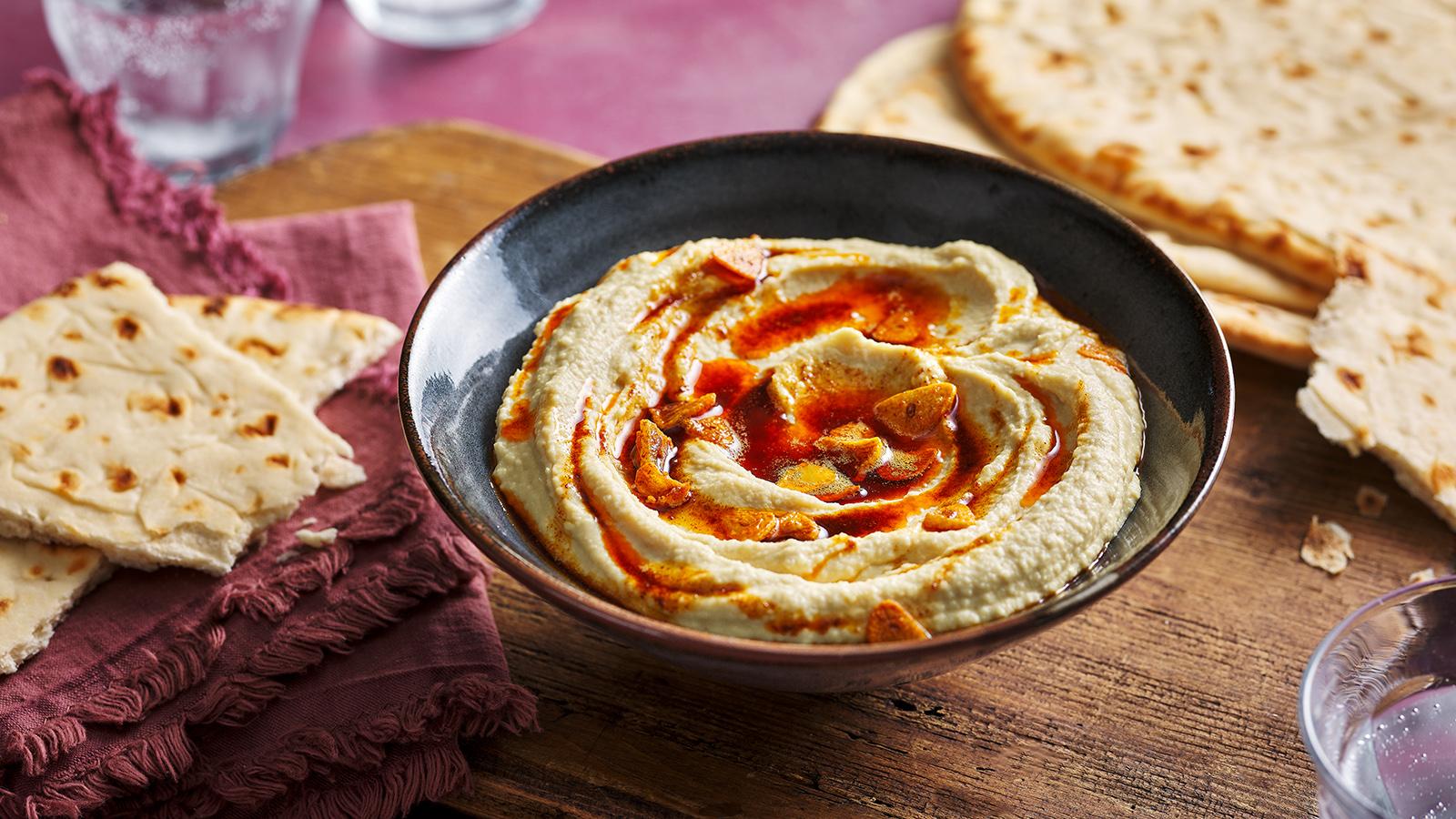
You’ve been reaching for the hummus at every snack break, and now someone’s told you it might not be safe during pregnancy. It’s confusing — especially when hummus feels like one of the healthier choices you could make.
The good news? Hummus can be a safe option for pregnancy when properly prepared and stored, and most pregnant people can enjoy it as part of a balanced diet if they follow basic food safety measures. The key is knowing how to eat it — not whether to eat it at all.
This guide breaks down exactly what the science says, which types of hummus to choose or skip, how much is reasonable each trimester, and when to draw a hard line. No fear-mongering, no vague warnings — just the clear answers you deserve.
The Short Answer
Yes, hummus is safe and nutritious during pregnancy. It is rich in protein, which supports fetal growth, and consuming hummus can also aid digestion. That said, the safety of hummus during pregnancy depends significantly on how it was made, stored, and handled.
It depends on who you ask and your own personal risk tolerance. Hummus isn’t currently on the list of foods to avoid according to health agencies in the U.S., Canada, the UK, and most parts of Europe. However, Israeli, Australian, and New Zealand-based health authorities have added hummus to their list of foods pregnant women should avoid.
The bottom line: homemade hummus made with safe ingredients and store-bought hummus handled properly are both reasonable choices for most pregnant women. The concern isn’t hummus itself — it’s bacterial contamination, which is manageable with the right habits. You can also check out our full guide on foods and beverages to avoid during pregnancy for a broader look at what to watch for.
Pro Tip: When in doubt, make your hummus at home. It takes about 10 minutes, and you control every ingredient and storage condition.
Why It’s a Concern
Hummus isn’t inherently dangerous — but its chemistry creates a hospitable environment for certain bacteria. Hummus is a vegetable spread made of pureed chickpeas, tahini, garlic, lemon juice, oil, salt, and spices. It has a high water content and low acidity, and this combination makes it a perfect medium for harmful bacteria such as Salmonella and Listeria to grow.
Pregnancy changes your immune response in ways that matter here. During pregnancy, a mother’s immune system weakens while her body adapts to support the development of her baby. As a result, a weakened defense system makes it more difficult to fight off infections, which can result in a greater risk for health complications — including food poisoning.
The stakes are higher than usual when you’re pregnant. In many cases, a pregnant woman infected with Listeria doesn’t have any symptoms. However, becoming infected with Listeria during pregnancy can have devastating effects on the baby, including miscarriage, premature birth, or stillbirth. Pregnant women may be up to 18 times more likely to become infected with Listeria bacteria compared to non-pregnant women.
Tahini — the sesame paste that gives hummus its signature richness — adds another layer of concern. Tahini is similarly susceptible to bacterial growth due to its moisture content and common use of raw, unpasteurized seeds. Unfortunately, most store-bought tahini and hummus do not specify if they are pasteurized and should therefore be approached with caution.
Important Note: The concern is specifically about store-bought or restaurant-prepared hummus. Homemade hummus made with roasted tahini and proper hygiene dramatically reduces these risks.
There are also a few other side effects worth knowing about. Sesame seeds in tahini can trigger allergic reactions in some pregnant women. High sodium levels in hummus can contribute to increased blood pressure during pregnancy. Chickpeas can also cause gas and bloating, which might be uncomfortable during pregnancy.
What the Research Actually Says
The actual data on hummus-related illness during pregnancy is more reassuring than the warnings might suggest. One study found that between 1995 and 2022, a total of 1,662 cases of Salmonella were linked to tahini or tahini-containing products like hummus worldwide. Keep in mind that these numbers are for the whole population, not pregnant women specifically — so the amount of Salmonella infections caused by hummus in pregnant women is likely even lower. This hardly justifies recommending that all women avoid hummus for the entire duration of their pregnancy.
To put that in perspective: the CDC reported just 3 outbreaks of Salmonella from tahini in the 10-year period from 2012 to 2022. In that same period, the CDC reported Salmonella outbreaks from 27 animal products and 23 fruit and vegetable products.
In 2024, the U.S. Centers for Disease Control and Prevention (CDC) reported eggs, charcuterie meats, cucumbers, and basil as foodborne sources of Salmonella. The year before that, ground beef, cantaloupe, diced onions, raw cookie dough, and flour were on the list. The point isn’t that hummus is uniquely risky — it’s that food safety practices matter across the board.
Research also highlights the nutritional cost of excessive food restriction. Avoiding every food on the “high-risk” list can make it very difficult to meet the increased nutritional needs of pregnancy. An Australian study in 2012 found that pregnant women who limited their intake of high-risk foods were more likely to have inadequate nutrient intakes.
There is no direct evidence in peer-reviewed studies that specifically addresses the consumption of hummus during pregnancy. However, it is essential to consider general guidelines for food safety and dietary patterns during pregnancy, and pregnant women are advised to practice a high standard of food hygiene and personal cleanliness to protect themselves and their fetus from foodborne illness.
How to Eat It Safely
The good news is that eating hummus safely during pregnancy is very doable. Most of the risk comes down to sourcing and storage — both of which you can control. Here’s how to enjoy it confidently, trimester by trimester and prep method by prep method.
Homemade Is the Gold Standard
The safest way to enjoy hummus is to prepare it yourself at home. This allows full control over ingredients and preparation to ensure safety. You can store homemade hummus in the refrigerator for 3–4 days, making it a great food prep option to elevate your meals and snacks.
If you’re making it at home, use tahini made from roasted (not raw) sesame seeds. Several studies have shown that the roasting of sesame seeds inactivates Salmonella, and this roasting step is very common when making tahini, as it also enhances the flavour, colour, and texture. For an even safer option, you can make a tahini-free version using extra olive oil and lemon juice in its place.
Buying Store-Bought Safely
For store-bought hummus, check “best by” dates and avoid purchases past the printed date or with signs of spoilage like an unusual smell or texture. Refrigerate after opening and finish within 4 days. Pay attention to foodborne illness outbreaks and food recalls — the Centers for Disease Control (CDC) shares this information on their website as it happens.
You can also reduce risk with a simple heating step. You can zap store-bought hummus in the microwave until steaming hot, or warm it in a pan until bubbling — this will greatly reduce the risk of Listeria or Salmonella. Just let it cool down before storing it in the fridge, and eat it within a couple of days.
Pro Tip: Warm hummus served with toasted pita or roasted veggies is genuinely delicious — and it’s one of the safest ways to enjoy store-bought hummus during pregnancy.
Safe Amounts by Trimester
- First trimester: You can eat hummus during the first trimester — it’s a nutritious snack that provides protein, fiber, and healthy fats. Ensure it’s fresh and stored properly to avoid any risk of contamination.
- Second trimester: Hummus is safe during the second trimester and offers essential nutrients like folate and iron, which support your baby’s development. Opt for freshly made or store-bought options without preservatives, always store it in the fridge, and consume before the expiration date.
- Third trimester: You can eat hummus in the third trimester — it helps maintain energy and prevents constipation with its high fiber content.
The amount of hummus pregnant women can have daily depends on various factors, including their dietary needs and preferences. Generally, it is considered safe and beneficial to include hummus as part of a balanced diet during pregnancy. A reasonable serving size is around 2 to 4 tablespoons daily — this portion allows you to enjoy the health benefits without exceeding the recommended intake.
Smart Pairing Ideas
What you eat hummus with matters just as much as the hummus itself. Both hummus and carrots are excellent choices for pregnant women. Hummus, made from chickpeas, is a nutritious source of protein, fibre, and essential vitamins and minerals. Carrots are rich in beta-carotene, which the body converts into vitamin A — important for developing the baby’s eyes, skin, and immune system. When paired together, they make a healthy and balanced pregnancy snack.
Pairing hummus with whole-grain crackers, cucumber slices, or bell pepper strips also gives you a fiber and nutrient boost. For more ideas on whole plant-based foods that support a healthy pregnancy diet, it’s worth exploring options that complement your hummus habit.
When to Avoid It Completely
While most pregnant women can enjoy hummus safely, there are specific situations where skipping it entirely is the smarter call.
- Restaurant or party hummus: Avoid hummus at a restaurant or at a friend’s house when you can’t ensure it has been made and stored properly, and when cross-contamination is likely.
- Hummus left out at room temperature: Any hummus that has been sitting out for more than 2 hours should be discarded. Bacteria multiply rapidly at room temperature in a moist, low-acid food like hummus.
- Hummus past its “best by” date: Ensure that the hummus is stored properly and within its expiration date to minimise the risk of contamination.
- During an active product recall: Over the last few years, there have been a few recalls of hummus and tahini due to contamination with bacteria such as Salmonella and Listeria. Always check the CDC food recall page if you’ve heard of any recent alerts.
- If you have a sesame allergy: Consider any known allergies or sensitivities to ingredients present in hummus, such as sesame seeds found in tahini or garlic.
- If you’ve been advised otherwise by your doctor: Individual health conditions — like gestational diabetes with complications, high blood pressure, or digestive issues — may warrant specific dietary restrictions. Always follow your OB-GYN’s or registered dietitian’s guidance.
Common Mistake: Assuming that because hummus is “healthy,” any amount from any source is fine during pregnancy. The source and freshness matter just as much as the nutritional profile.
Quick Reference Chart
| Hummus Type / Situation | Safety Status | Notes |
|---|---|---|
| Homemade with roasted tahini | ✅ Safe | Best option; consume within 3–4 days |
| Homemade tahini-free version | ✅ Safe | Eliminates sesame-related Salmonella risk entirely |
| Store-bought (sealed, refrigerated, in-date) | ✅ Safe with caution | Check seal, check date, finish within 4 days of opening |
| Store-bought (heated until steaming) | ✅ Safe | Heating kills Listeria and Salmonella |
| Store-bought with raw tahini | ⚠️ Use caution | Unroasted sesame seeds carry higher Salmonella risk |
| Restaurant or deli hummus | ❌ Avoid | No visibility into prep, storage, or freshness |
| Hummus left at room temperature 2+ hours | ❌ Avoid | Bacteria multiply rapidly; discard it |
| Hummus past expiration date or with off smell | ❌ Avoid | Signs of spoilage should never be ignored |
| Hummus during an active product recall | ❌ Avoid | Check CDC or FDA recall alerts |
| Hummus if you have a sesame/chickpea allergy | ❌ Avoid | Consult your doctor for safe alternatives |
Frequently Asked Questions
Is hummus safe in all three trimesters?
Yes. You can eat hummus during the first trimester, the second trimester, and the third trimester — as long as it’s fresh, properly stored, and sourced safely. The same food safety rules apply throughout your entire pregnancy.
Can I eat store-bought hummus while pregnant?
Yes, you can eat store-bought hummus if it’s fresh and within the expiration date. Choose brands without artificial additives, check that the seal is intact, and store it in the refrigerator to prevent bacterial growth. Always consume it promptly after opening to ensure safety.
What makes hummus risky during pregnancy?
The high water, low acidity nature of hummus makes it particularly susceptible to contamination with Salmonella or Listeria bacteria. Sesame seeds in tahini can also be affected. The risk is manageable — it’s not inherent to hummus itself, but to poor storage or preparation practices.
How much hummus can I eat per day while pregnant?
During pregnancy, it’s advisable to consume 2 to 4 tablespoons of hummus daily, which is approximately 30 to 60 grams. Enjoy it as a dip with vegetables or a spread on whole-grain bread rather than eating it in large quantities on its own.
Is homemade hummus safer than store-bought during pregnancy?
The safest way to enjoy hummus is to prepare it yourself at home — this allows full control over ingredients and preparation to ensure safety. Use tahini made from roasted sesame seeds, keep everything refrigerated, and eat it within 3–4 days.
What can I eat instead of hummus if I’m nervous about the risk?
If you’d rather skip hummus entirely, there are plenty of nutrient-rich alternatives. Mashed avocado, Greek yogurt dip, white bean dip (made at home), or nut butter spreads can fill a similar role in your diet. These options are rich in powerful nutrients and can be prepared fresh with full control over ingredients. Pairing them with raw vegetables or whole-grain crackers gives you the same satisfying snack experience without the tahini-related concern.
What should I do if I already ate hummus and I’m worried?
Don’t panic. The overall risk of contamination from commercially produced hummus is low. The overall risk of contamination is low, due to strict food standards in many countries. Watch for symptoms of foodborne illness — fever, vomiting, diarrhea, or unusual stomach cramps — and contact your OB-GYN right away if any appear. For peace of mind, it’s always worth learning more about foods and beverages to avoid during pregnancy so you can make informed choices going forward.
Does the country I live in affect whether hummus is recommended?
Yes, it does. One of the main sources of confusion about hummus lies in the fact that different countries give different advice to pregnant women. The National Health Service in the UK lists hummus as a “healthy snack” in pregnancy, while the NSW Food Authority in Australia and New Zealand changed its advice in 2021, now stating that pregnant women should avoid all types of hummus and any other dips that contain tahini. Check the guidelines from your country’s health authority, and always confirm with your own healthcare provider.
Pregnancy nutrition doesn’t have to feel like a minefield. With the right information, you can make confident, well-informed choices — and enjoy your food. For more on building a diet that supports both you and your baby, explore our resources on superfoods for a healthy heart, foods that boost brain health, and fibroid healing foods to round out your prenatal nutrition knowledge.
This information is for educational purposes only and is not intended as medical advice. Always consult with a qualified healthcare professional before making health decisions during pregnancy.