Is It Safe to Eat Peanut Butter While Pregnant? Here’s What Doctors and Research Actually Say

April 23, 2026
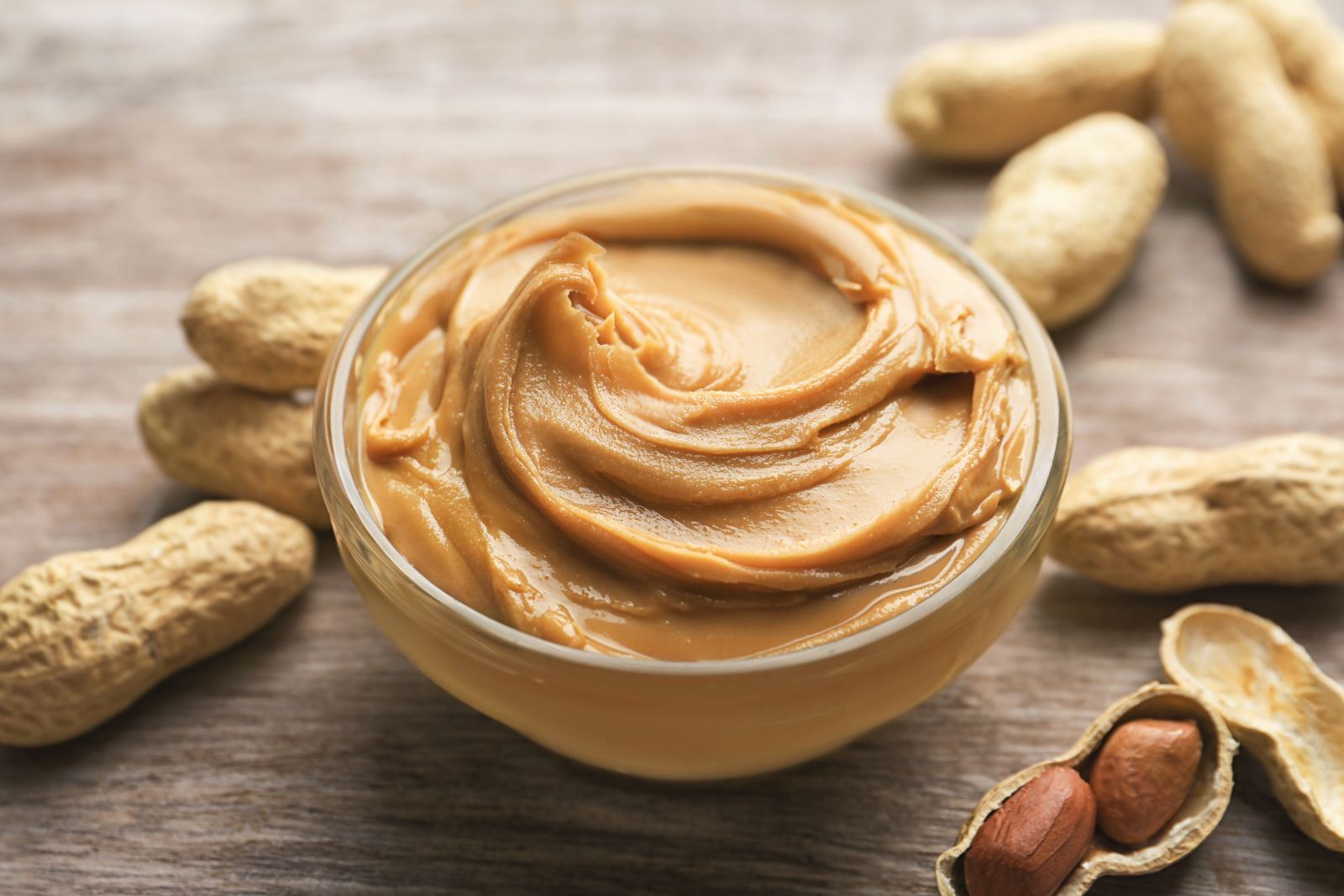
You’re pregnant, the peanut butter jar is calling your name, and suddenly you’re second-guessing whether it’s even allowed. It’s one of the most common food questions during pregnancy — and the answer might surprise you.
The confusion is understandable. For years, conflicting advice from doctors, family members, and online forums made peanut butter sound like a risk. But the science has shifted significantly, and today’s guidance is much more reassuring for most expectant mothers.
In this article, you’ll get a straight answer on whether you can eat peanut butter while pregnant, what the latest research actually shows, how to enjoy it safely across all three trimesters, and the specific situations where you should hold off entirely.
The Short Answer
Yes — for most pregnant women, peanut butter is completely safe to eat. There is no risk to eating peanuts or peanut butter during pregnancy if you are not allergic, and there is no data that avoiding peanut butter decreases the chances of a baby having peanut allergies.
Peanut butter is safe to eat during pregnancy. In fact, the nutrient-packed food is highly nutritious and brings many health benefits. Peanut butter is rich in B vitamins, which can reduce a baby’s risk of developing birth defects, help with development of the nervous system, and assist with metabolizing carbohydrates. And yes, unless you yourself are allergic to peanut butter, it is safe to eat during pregnancy.
The one firm exception: if you have a known peanut allergy, skip it entirely. For everyone else, keep reading — because not only is it safe, it may actually be doing your baby some good.
Pro Tip: When in doubt about any food during pregnancy, your OB-GYN or a registered dietitian is your best first call. They can factor in your personal health history in ways a general guide cannot.
Why It’s Safe
Peanut butter earns its place in a healthy pregnancy diet because of what it brings to the table nutritionally. Packed with protein, healthy fats, and essential nutrients like folate and vitamin E, peanut butter offers nutritional advantages that can support both maternal health and fetal development.
Here’s a closer look at what makes it a standout pregnancy food:
- Protein: A 2-tablespoon (33-gram) serving of peanut butter has 8 grams of plant-based protein, which can help you meet your protein needs during pregnancy.
- Folate: Peanuts are rich in folate, which is beneficial for the baby to avoid any neural tube defects.
- Healthy fats: Peanut butter contains large amounts of heart-healthy monounsaturated fats, which have been linked to a reduction in the risk of developing heart disease. You can read more about foods that support a healthy heart if you want to build out your pregnancy nutrition beyond peanut butter.
- Fiber: Given the significant number of hormonal changes that occur during pregnancy, pregnant people are at an increased risk of constipation. The rise of a pregnancy hormone called progesterone may cause you to feel constipated by slowing down how quickly food moves through your intestines. Fiber, a nutrient that’s naturally found in plant-based foods, promotes healthy digestion. Including fiber-containing foods like peanut butter may help relieve or prevent constipation in pregnancy.
- Blood sugar support: Peanut butter has a low glycemic index. Low glycemic index foods have a more favorable effect on keeping blood sugar levels stable, compared with higher glycemic index foods.
- Antioxidants and immune support: Peanut butter is rich in iron, vitamins, and minerals. It has Vitamin E and flu-fighting antioxidants which strengthen the immune system.
Peanut butter contains healthy fats such as omega-6 fatty acids, which help in the development of the brain and the nervous system in the fetus. For a broader look at foods that support brain health, you’ll find peanut butter fits right into that category as well.
Key Insight: Peanut butter is one of the few foods that delivers protein, healthy fats, fiber, and folate all in one convenient, affordable package — making it especially useful when pregnancy fatigue makes elaborate meal prep feel impossible.
What the Research Actually Says
The science on peanut butter and pregnancy has evolved considerably over the past two decades — and it’s moved in a reassuring direction.
Much of the confusion surrounding the safety of eating peanut butter during pregnancy comes from an outdated recommendation from the American Academy of Pediatrics (AAP) issued in 2000. The organization previously believed the best way to fight peanut allergies was to have children avoid peanut products in their first three years of life and, likewise, to have moms-to-be avoid peanuts during pregnancy. However, in 2008, the AAP found a lack of evidence to support the claim that avoiding allergens like peanuts during pregnancy could help prevent food allergies, so the organization rescinded its previous recommendation.
The AAP now says there’s no data to suggest that avoiding allergens like peanuts or eggs during pregnancy decreases baby’s risk of allergies. In fact, the research has flipped the script entirely.
A 2014 study published in JAMA Pediatrics looked at data from over 8,000 pregnant women. It found that women who frequently ate peanuts and other nuts during pregnancy (five or more times a week) had kids who were 69 percent less likely to develop allergies to nuts than those kids whose moms ate nuts infrequently during pregnancy. The study concludes that the early exposure may have helped babies build tolerance.
Another U.S. study following 1,277 mother-child pairs found a 47% reduced chance of having a peanut allergy among children of mothers who ate higher amounts of peanuts during their pregnancies. That’s a striking finding — and it has held up across multiple large-scale studies.
More recently, emerging research has pointed to even deeper effects. Researchers found that mothers who ate both peanuts and peanut butter during pregnancy had children with distinct DNA methylation patterns in key neurodevelopmental and inflammatory genes, revealing how maternal nutrition may epigenetically influence early life health. The science is still developing, but the signal is consistently positive for moderate peanut butter consumption.
Important Note: The research is promising, but no major guideline currently recommends a specific amount of peanut butter to eat for allergy prevention purposes. Moderation and variety remain the cornerstone of good pregnancy nutrition.
It’s also worth noting that the literature about maternal peanut consumption and risk of peanut allergy in childhood is conflicting. Guidelines have changed, with more recent guidelines recommending no restriction on maternal diet during pregnancy as a means of allergy prevention. The bottom line: current evidence does not support avoiding peanut butter during pregnancy for allergy prevention, and for most women, there’s no reason to.
If you’re curious about the broader picture of foods and beverages to avoid during pregnancy, peanut butter (without allergy) is not on that list — but there are other foods worth knowing about.
How to Do It Safely
Knowing peanut butter is safe is one thing — knowing how to choose it, how much to eat, and when it matters most is another. Here’s a practical breakdown.
How Much Is the Right Amount?
Pregnant women can enjoy peanut butter in moderation. A recommended intake is about 2 tablespoons (33 grams) per serving. This amount can be consumed daily or several times a week, depending on individual calorie needs.
Peanut butter is calorie-dense, so sticking to 1–2 tablespoons per sitting keeps the benefits without tipping into excess. “Peanuts are a good source of protein, but they also have a lot of calories,” says Hilda Hutcherson, MD, clinical professor of obstetrics and gynecology at Columbia University Medical Center — and maintaining a healthy pregnancy weight plays an important role in preserving your and baby’s health.
Which Peanut Butter to Choose
The healthiest peanut butter to eat during pregnancy — and in general — is natural peanut butter without additives. Many peanut butters available at the store include added hydrogenated oils, salt, and added sugars. Hydrogenated oils contain trans fats, which have been linked to an increased risk of heart disease.
Check the ingredient list on your peanut butter — it should be concise and straightforward. Choose a jar of peanut butter that only contains peanuts or peanuts and salt. If there are ingredients other than peanuts and salt on the label, it’s best to skip that jar.
Also pay attention to aflatoxin risk. Raw peanuts grow in the ground and carry a risk of contamination with a toxic agent called aflatoxin. Aspergillus is a type of fungus that produces aflatoxin. In the United States, the Food and Drug Administration (FDA) regulates aflatoxin levels in peanuts and peanut products. Choose commercial brands, as they’re subject to FDA regulation, and avoid unprocessed peanut butter, which is more likely to contain higher levels of aflatoxins. Also, you’ll want to avoid eating peanuts or peanut butter that appear discolored or moldy.
Trimester-by-Trimester Guide
| Trimester | Is Peanut Butter Safe? | Key Benefits That Trimester | Tips |
|---|---|---|---|
| First Trimester | ✅ Yes | Protein and folate for early fetal development; energy during fatigue | It’s rich in protein and healthy fats, which are essential for your baby’s growth. Ensure it’s free from added sugars or salt to enjoy its benefits safely. |
| Second Trimester | ✅ Yes | Folate supports brain development; healthy fats aid fetal growth | It’s a great source of folate, which supports your baby’s brain development. Include it in moderation as part of a balanced diet to help meet your nutritional needs. |
| Third Trimester | ✅ Yes | Magnesium for muscle function; sustained energy; fiber for digestion | Eating peanut butter during the third trimester is safe and nutritious. It provides energy and essential nutrients like magnesium, which supports muscle function. Just stick to recommended serving sizes to avoid excessive calorie intake. |
Smart Ways to Eat It
- Spread 1–2 tablespoons on whole-grain toast for a protein-and-fiber-rich breakfast
- Dip apple slices or celery into natural peanut butter for a blood-sugar-stable snack
- Add a spoonful to a smoothie with banana and milk for a nutrient-dense meal
- Pair with whole-grain crackers for a portable, satisfying option during the workday
If you ever want to mix things up, peanut butter substitutes like almond butter, sunflower seed butter, or cashew butter offer similar nutritional profiles with different flavors.
Pro Tip: If you have gestational diabetes, peanut butter may actually be a good ally. If you have gestational diabetes, you may need to carefully measure your carb intake, which makes peanut butter a prime choice. Peanut butter has plant-based protein and a low glycemic index. Always confirm portion guidance with your care team.
When to Avoid It Completely
For all its benefits, there are clear situations where peanut butter should be off the table during pregnancy. Knowing where you fall is important before you open that jar.
You Have a Peanut Allergy
If a pregnant person has a peanut allergy, peanut-containing products should be avoided. If not, there’s no reason to avoid peanut butter in pregnancy. Pregnancy is not the time to test your tolerance — allergic reactions can range from uncomfortable to dangerous, and anaphylaxis poses serious risks for both you and your baby.
Symptoms of a peanut allergy can range from mild to severe and can include itchy or swollen throat, hives or rash, nausea or vomiting, shortness of breath, and anaphylaxis — a severe and potentially life-threatening reaction.
You Have a Peanut Sensitivity
If you have observed that eating peanuts causes minor gas or indigestion problems, it’s best to avoid peanuts during pregnancy simply to stop further inconvenience. Even mild discomfort can become more pronounced during pregnancy, when your digestive system is already under extra pressure.
Your Doctor Has Flagged Rapid Weight Gain
If your doctor or health practitioner has warned you about your rapid increase in weight, it’s best to avoid nuts and butter of any kind. These are high in caloric value. Just a tablespoon of peanut butter will be close to 100 calories. In this case, you can get similar nutrients from lower-calorie whole food sources.
You’re Eating Unregulated or Homemade Peanut Butter
There is a small risk related to aflatoxin, a toxic compound produced by the Aspergillus fungus that can contaminate raw peanuts grown underground. Consuming aflatoxins has been linked to severe health issues, including liver cancer, impaired fetal development, anaemia, premature delivery, and, in extreme cases, pregnancy loss. In the U.S., the Food and Drug Administration (FDA) regulates the amount of aflatoxin in peanut products, so commercially made peanut butter is safe. However, peanut products might have more aflatoxin in countries with less strict food safety rules.
Common Mistake: Assuming “natural” or “homemade” peanut butter is automatically safer. In reality, store-bought, FDA-regulated brands go through testing that homemade or artisanal versions skip. Stick with commercial brands during pregnancy.
Strong Family History of Nut Allergies
If you’ve got a strong family or personal history of allergies — at least one immediate relative, such as a parent or sibling, with an allergy — your infant is likely high-risk. Talk to your OB/GYN or allergist before you eat peanut products. There’s enough uncertainty in the research to justify caution, at least when it comes to nuts. This doesn’t mean you must avoid it, but it does mean the conversation with your doctor is worth having first.
For a comprehensive overview of foods and beverages to avoid during pregnancy, it’s worth reviewing the full list alongside your OB-GYN’s personalized guidance.
Quick Reference Chart
Use this chart to quickly assess where you stand with peanut butter during pregnancy.
| Situation | Verdict | Why |
|---|---|---|
| No peanut allergy, healthy pregnancy | ✅ Safe | Supported by current AAP guidance and major research; nutritionally beneficial |
| Natural peanut butter (peanuts + salt only) | ✅ Safe (Best choice) | No harmful additives; highest nutritional value; no trans fats or added sugars |
| Commercial peanut butter (store-bought) | ✅ Safe | FDA-regulated for aflatoxin; consistent quality and safety standards |
| Peanut butter with added sugar and hydrogenated oils | ⚠️ Use Caution | Trans fats and excess sugar are not ideal during pregnancy; opt for cleaner versions |
| Peanut butter with gestational diabetes | ⚠️ With Caution | Low glycemic index is favorable, but portion control and doctor guidance are essential |
| Homemade or unregulated peanut butter | ⚠️ Use Caution | Higher aflatoxin risk; not subject to FDA testing standards |
| Discolored or moldy-looking peanut butter | 🚫 Avoid | Visible mold signals potential aflatoxin contamination; discard immediately |
| Known peanut allergy | 🚫 Avoid | Allergic reactions can be severe and dangerous during pregnancy |
| Peanut sensitivity (gas, indigestion from peanuts) | 🚫 Avoid | Digestive discomfort is amplified during pregnancy; not worth the risk |
| Doctor has flagged excessive weight gain | 🚫 Avoid (temporarily) | Calorie density may work against weight management goals during pregnancy |
| Strong family history of nut allergies | ⚠️ Consult Doctor First | Some uncertainty remains in research for high-risk families; get personalized guidance |
For a broader picture of pregnancy-safe eating, exploring whole plant-based foods can help you build a well-rounded pregnancy diet that goes well beyond peanut butter. You might also find it useful to look at powerful nutrients and foods that support overall health — many of which overlap with what’s recommended during pregnancy.
Frequently Asked Questions
Can eating peanut butter while pregnant cause my baby to have a peanut allergy?
A growing body of research has found that including peanut butter in your pregnancy diet may actually help build baby’s tolerance to allergies. The AAP now says there’s no data to suggest that avoiding allergens like peanuts or eggs during pregnancy decreases baby’s risk of allergies. The old advice to avoid peanuts has been officially reversed.
How much peanut butter can I eat per day while pregnant?
You can eat peanut butter daily during pregnancy — as long as you’re not allergic and consume it in moderate amounts. A tablespoon or two is generally considered safe and beneficial. Keep an eye on overall calorie intake, especially later in pregnancy.
Is peanut butter safe in the first trimester?
Yes. It’s advisable to start incorporating peanut butter into the diet from the first trimester onwards. This food provides essential support for a healthy pregnancy, making it a potentially healthy choice during this period. The folate content is particularly valuable during early fetal development.
What type of peanut butter is best during pregnancy?
In moderation, natural peanut butter — look for the kind made of nothing but nuts and maybe a dash of salt, no sugar — can be a wholesome part of your pregnancy diet. Avoid versions with hydrogenated oils or significant added sugar. If you need alternatives, peanut butter substitutes like almond butter or sunflower seed butter are worth exploring.
Can I eat peanut butter if I have gestational diabetes?
Peanut butter has an impressive nutritional profile. Eating it during pregnancy may help manage gestational diabetes, boost your protein intake, and prevent and relieve constipation. Its low glycemic index makes it a favorable option, but always confirm portion sizes with your healthcare provider. You can also review general pregnancy nutrition guidelines for additional context.
What if I’m allergic to peanuts but my partner isn’t — will my baby be allergic?
According to the Cleveland Clinic, babies can inherit a tendency to be allergic, but they don’t necessarily inherit specific allergies. If you’re personally allergic, avoid peanut butter throughout pregnancy. When in doubt, it’s always a good idea to talk to your doctor about how your specific food allergies could impact your pregnancy.
Is it safe to eat peanut butter every day while pregnant?
Daily consumption is generally fine for women without peanut allergies, as long as portions are moderate (1–2 tablespoons). The high fiber and protein can help prevent sugar spikes and crashes, which is crucial in the case of gestational diabetes. Pair it with a variety of other nutrient-rich foods to ensure a well-balanced diet overall.
Are there foods I should eat instead of peanut butter during pregnancy?
If you can’t eat peanut butter, you don’t have to go without. Almond butter, cashew butter, and sunflower seed butter all offer similar nutritional profiles. You can find a full breakdown of the best peanut butter substitutes to find one that works for your taste and dietary needs. Also consider exploring other nutrient-dense foods that support reproductive and overall health during pregnancy.
This information is for educational purposes only and is not intended as medical advice. Always consult with a qualified healthcare professional before making changes to your diet during pregnancy.