Goat Ownership Laws in New Jersey: Essential Legal & Zoning Guide

March 25, 2026
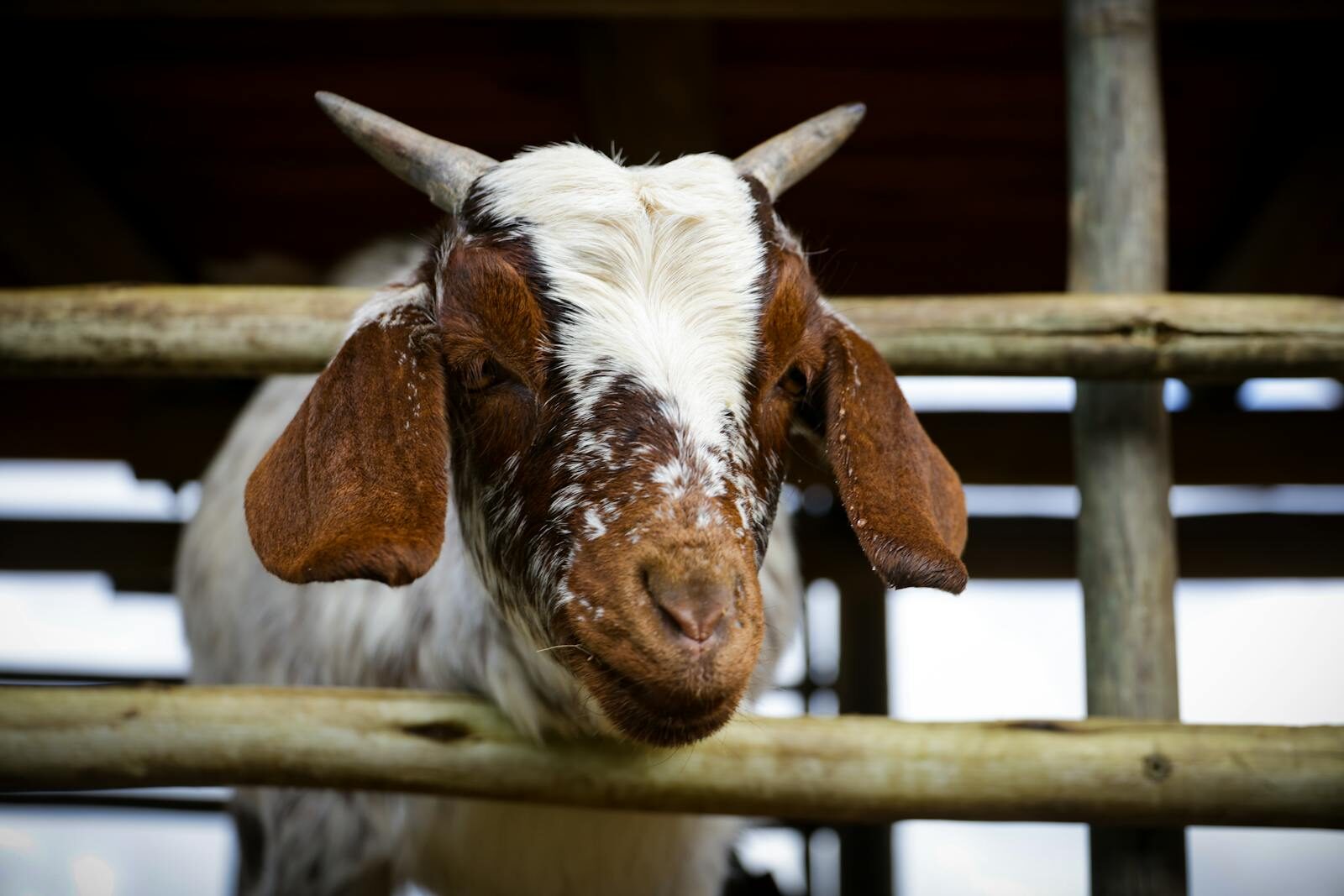
Thinking about raising goats in your New Jersey backyard? You’re not alone. More people are discovering the joys of keeping these friendly animals for milk, companionship, or lawn maintenance. But before you bring home your first goat, you need to understand the rules that govern goat ownership in the Garden State.
Goats are legal to own in New Jersey , but you must obtain proper permits and meet specific property requirements that vary by municipality. The state classifies goats as livestock, which means different regulations apply compared to traditional house pets. Your ability to own goats depends heavily on where you live, how much land you have, and whether your property is zoned for livestock.
Navigating goat ownership laws can feel overwhelming with requirements ranging from minimum lot sizes to registration fees and housing standards. This guide breaks down everything you need to know about zoning rules, permit applications, property requirements, and health regulations. You’ll learn which New Jersey towns allow goats and what steps you must take to stay compliant with state and local laws.
Legal Status Of Goat Ownership In New Jersey
Goats are legal to own in New Jersey as of 2026. You can keep them on your property, but you need to meet specific requirements first.
The state classifies goats as livestock rather than typical household pets. This means you must follow different rules than you would for owning a dog or cat.
You need a permit to own goats in New Jersey. The permit requirements vary depending on where you live. Some townships require annual registration with fees around $20, while others have different processes.
Your property must meet minimum standards before you can bring goats home. Most areas require:
- At least 0.20 acres of land
- Proper fencing to contain the animals
- Housing located at least 10 feet from property lines
- Adequate shelter providing shade and weather protection
You must check your local zoning laws before purchasing goats. Each municipality has its own regulations about livestock ownership in residential areas. Some towns like Mine Hill, Middletown, Hillsborough, and Montgomery allow goats, while others may prohibit them entirely.
The State of New Jersey established minimum standards for humane treatment of domestic livestock. These standards cover feeding, watering, housing, and general care requirements you must follow.
You need to maintain your property in a sanitary manner. This prevents odors and excessive noise that could disturb your neighbors. Failing to meet these standards can result in fines or removal of your animals.
Contact your local zoning office or animal control department to verify specific requirements in your area before getting goats.
Zoning And Property Requirements In New Jersey
Your ability to own goats depends heavily on how your property is zoned. In New Jersey, goat ownership is tied to zoning classifications such as residential, agricultural, or rural designations.
Properties zoned for agricultural use typically allow goats as a permitted use. Residential zones often restrict or prohibit livestock entirely.
Basic Property Requirements:
- Minimum lot size of 0.2 acres in some townships
- Property must contain a single-family home
- Adequate fencing to prevent escape
- Enclosures located at least 10 feet from property lines
- Backyard placement for all animal housing
You need to check with your specific municipality before bringing goats to your property. Towns like Mine Hill, Middletown, Hillsborough, and Montgomery allow goats under certain conditions. Other areas like Atlantic Highlands have rules against keeping them.
Some townships require annual registration with your local animal control department. In Stafford Township, this registration costs $20 per year.
Your goat housing must provide constant access to shade and protection from weather and predators. The premises must remain sanitary without creating odors or excessive noise that disturb neighbors.
Local regulations significantly affect ownership possibilities across different counties and towns. Each municipality provides specific guidelines on animal ownership to ensure compliance and help you avoid potential fines.
Contact your local zoning office or township officials to confirm the exact requirements for your area. Rules vary widely between neighboring towns, so you cannot assume what works in one location will apply to yours.
Number Limits And Permit Requirements In New Jersey
You need a permit to own goats in New Jersey. Goats are classified as livestock , which means they fall under specific regulations that vary by municipality.
Permit Application Process
You must contact your local animal control department before acquiring any goats. In Stafford Township, for example, you’ll pay a $20 annual registration fee. Your application needs approval from the Animal Control Department before you bring goats onto your property.
Property Size Requirements
Most New Jersey towns require between 2-6 acres of land for goat ownership. However, some municipalities set lower minimums. Stafford Township only requires 0.2 acres (about 8,700 square feet) with a single-family home on the property.
Your property must meet these basic standards:
- Enclosures located in the backyard only
- At least 10 feet setback from all property lines
- Adequate fencing to prevent escape
- Shelter providing shade and weather protection
- Sanitary conditions without excessive odors or noise
Number Limitations
Local zoning laws determine how many goats you can keep . The number often depends on your property size and zoning classification. Agricultural zones typically allow more animals than residential zones.
Municipality Variations
Not all towns permit goats. Atlantic Highlands doesn’t allow them at all, while Middletown and Montgomery do permit goat ownership. You must check your specific town’s ordinances before purchasing goats since regulations differ significantly across the state.
Housing And Fencing Regulations In New Jersey
When you own goats in New Jersey, you need to follow specific rules about housing and fencing. Your enclosures must be located in the backyard at least 10 feet from all property lines.
Your goat housing must be accessible at all times. The shelter needs to provide shade and protection from weather and predators. You cannot leave your goats exposed to harsh conditions without proper coverage.
Fencing Requirements:
- Must be adequate to prevent animal escape
- Should be suitable for the species and number of goats
- Needs to consider the age and temperament of your animals
- Must minimize potential property damage
Your property must meet minimum space requirements. Most areas require at least 0.2 acres with a single-family home. The exact lot size can vary by township.
You are responsible for maintaining sanitary conditions on your premises. This means preventing odors and excessive noise that could disturb your neighbors. The property must remain clean and well-managed.
New Jersey requires all livestock housing to meet standards set by state regulations for humane treatment. Your setup needs to allow proper ventilation and drainage. You should also ensure your goats have enough room to move comfortably.
If you share a property line with neighbors who also keep livestock, you may share fence ownership responsibilities. This applies to partition fences between properties with animals.
Health, Registration, And Neighbor Regulations In New Jersey
You need to register your goats annually with your local Animal Control Department before bringing them home. Stafford Township charges $20.00 per year for this registration. Your application must be approved before you acquire any animals.
Your property must meet specific size requirements. You need at least 0.20 acres with a single-family home to keep goats legally.
Housing Requirements
Your goat enclosures must be in your backyard, at least 10 feet from all property lines. The housing needs to provide shade and protection from bad weather and predators. You must maintain adequate fencing to prevent escapes.
Sanitation Standards
You are required to keep your premises clean and sanitary. This prevents odors and excessive noise that could bother your neighbors. New Jersey has minimum standards for humane treatment of domestic livestock that address feeding, watering, and care.
Animal Waste Management
The New Jersey Department of Agriculture regulates animal waste management. If you have fewer than eight animal units (one goat equals about 100-150 pounds), you are encouraged to submit an Animal Waste Management Plan. One animal unit equals 1,000 pounds of live weight.
Health Requirements
Your goats must receive proper care that meets established state standards. The New Jersey Department of Agriculture Division of Animal Health enforces these rules. Cruel or inhumane treatment is prohibited and can result in penalties.
You should contact your township officials before getting goats. Each municipality has different rules about livestock ownership in residential areas.