Goat Ownership Laws in West Virginia: Essential Legal & Property Guidelines

March 24, 2026
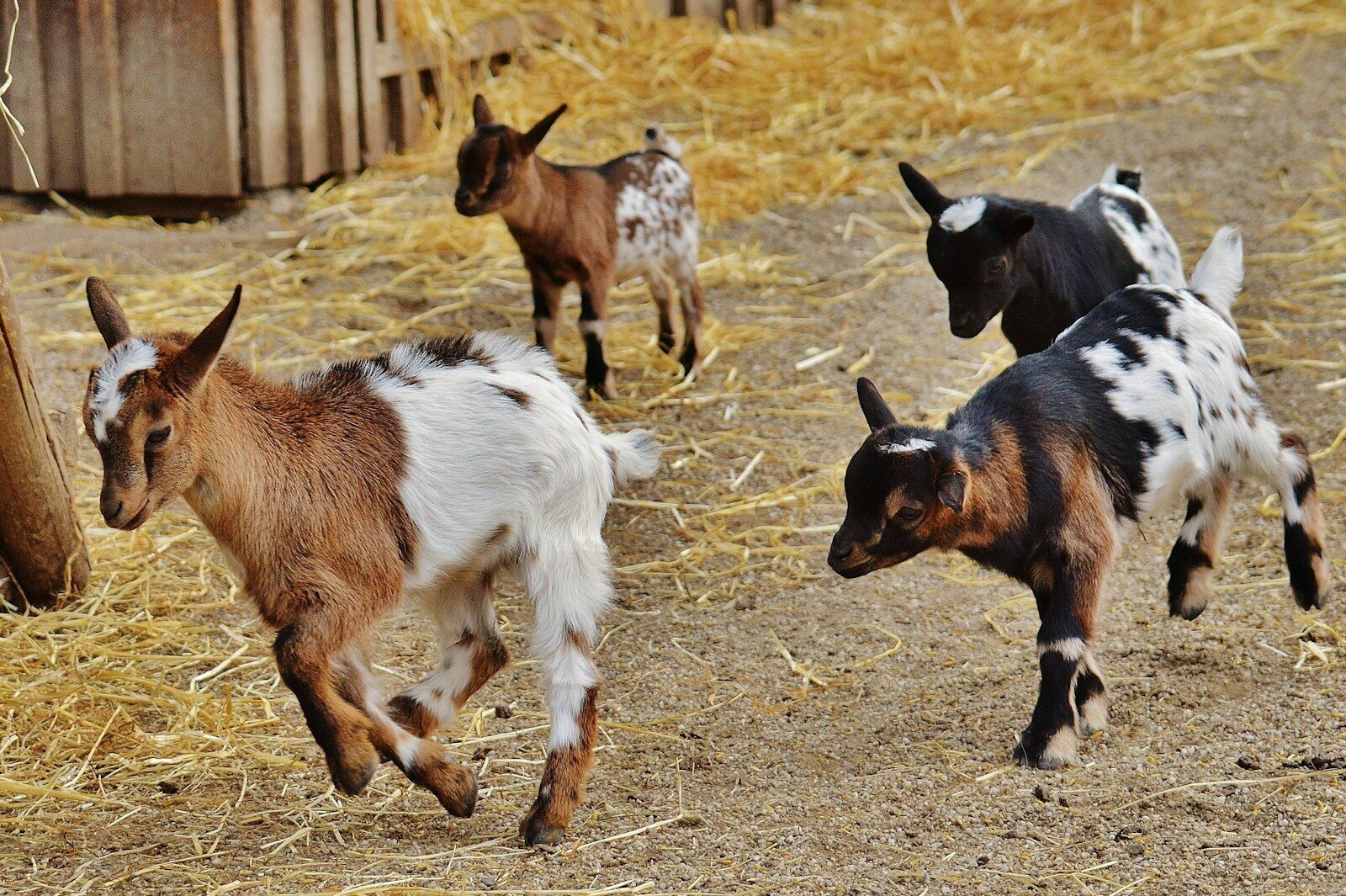
Goats and sheep are legal to own in West Virginia under state law, but you must follow local zoning rules, obtain proper permits, and keep your animals from trespassing on other people’s property.
Getting goats in West Virginia means dealing with both state and local rules. While West Virginia classifies goats and sheep as livestock that you can legally own, your city or county likely has its own requirements. You might need a permit, a minimum lot size, or approval from local officials before bringing goats home.
The rules change depending on where you live in West Virginia. Some cities allow miniature goats on smaller properties while others require rural agricultural zoning. You also need to pay attention to distance requirements from neighbors, fencing standards, and health regulations. Understanding these goat ownership laws helps you avoid fines and keeps your animals safe and legal.
Legal Status Of Goat Ownership In West Virginia
Goats and sheep are classified as livestock under West Virginia Code §19-10B-2, making them legal to own throughout the state. You can keep goats on your property as long as you follow state and local regulations.
While state law permits goat ownership, your local municipality may have additional rules. These ordinances control where you can keep livestock and what permits you need. Most cities require permits if you want to keep goats in residential areas.
Key State-Level Requirements:
- You must pay a $1.00 annual tax on each breeding-age goat during personal property assessment
- You cannot let your goats run loose or trespass on other properties under West Virginia Code §19-18-3
- Agricultural zones typically allow goats without special permits
Your property’s zoning designation determines what restrictions apply to you. Agricultural zones generally have fewer restrictions than residential zones. If you live in a residential area, you need to contact your local zoning office or code enforcement to learn what permits are required.
Common Municipal Requirements:
- Permits or variances from city officials
- Minimum lot sizes for keeping goats
- Distance requirements from neighboring properties
- Sanitation and enclosure standards
Some cities only allow miniature or dwarf goat breeds in residential areas. Others restrict the total number of goats based on your lot size. You should verify your specific city’s rules before purchasing goats to avoid violations.
Zoning And Property Requirements In West Virginia
Goats and sheep are classified as livestock under West Virginia Code §19-10B-2. While state law allows you to own them, your local municipality controls where you can keep them through zoning regulations.
Most cities permit goats in agricultural zoning districts without restrictions. If you live in a residential zone, you need to check with your local zoning office before bringing goats home.
Common Requirements Across West Virginia Cities:
- Permits or variances required in residential areas
- Minimum lot sizes for keeping goats
- Distance requirements from neighboring properties
- Proper fencing and shelter standards
- Clean and sanitary conditions
Your property size often determines how many goats you can own. In Clarksburg, you need at least 20,000 square feet to keep four miniature goats. You can add one more goat for every additional 5,000 square feet.
Distance rules protect your neighbors. Fairmont requires you to keep goats at least 50 yards from dwellings, churches, schools, and hospitals. This distance can be reduced if you prove the animals won’t create health hazards.
Permit Costs and Processes:
Parkersburg charges a $25 non-refundable fee when you apply for a variance. Officials will inspect your property before approval. They check for adequate space, proper confinement areas, and hygiene conditions.
Some cities have stricter rules than others. Martinsburg only allows goats in Rural Agricultural zones. Weirton requires City Council approval for any livestock permits.
You must keep your goats on your property at all times. West Virginia Code §19-18-3 makes it illegal to let them run loose or trespass on other people’s land.
Number Limits And Permit Requirements In West Virginia
West Virginia law classifies goats as livestock , which means your local city or county regulations will determine whether you need a permit. The rules vary significantly depending on where you live.
Most cities require you to obtain a permit before keeping goats in residential areas. The process typically involves an inspection of your property to ensure you have adequate space and proper fencing.
Common Permit Requirements Include:
- Property inspection by code enforcement or health officials
- Proof of adequate animal enclosure and shelter
- Distance requirements from neighboring properties
- Application fees ranging from $25 to higher amounts
- Compliance with sanitary and cleanliness standards
The number of goats you can keep depends on your lot size and local zoning. Clarksburg allows up to 4 miniature goats on lots of at least 20,000 square feet , with one additional goat permitted for every extra 5,000 square feet. However, Clarksburg only permits miniature, pygmy, or dwarf goats—not standard-sized goats.
Some cities like Martinsburg restrict goat ownership to Rural Agricultural zoning districts only. Others like Fairmont require you to keep goats at least 50 yards from any dwelling, church, school, or public street unless you receive special approval.
Important Permit Details:
- Weirton requires City Council approval for livestock permits
- Parkersburg charges a non-refundable $25 variance application fee
- Huntington may allow existing goats but requires permits for replacements
- Wheeling mandates inspections before permit approval
You should contact your local zoning office or code enforcement department before purchasing goats to understand your specific requirements.
Housing And Fencing Regulations In West Virginia
When you own goats in West Virginia, you need to follow specific fencing requirements to keep your animals contained. The state defines lawful fence specifications that apply to livestock including goats.
Minimum Fence Height Requirements:
- Worm fence (common rails): 4.5 feet high
- Posts and rails, posts and plank, or pickets: 4 feet high
Your fence must be sturdy enough that goats cannot creep through it. This means you need to check for gaps and weak spots regularly.
West Virginia law prohibits you from allowing your goats to run at large on other people’s property. Goats and sheep are classified as livestock under West Virginia Code §19-10B-2. You can face legal consequences if your goats trespass on neighboring land due to negligence.
You are responsible for maintaining your fences in good condition. This means repairing broken boards, tightening loose wires, and replacing rotted posts. Your neighbors are not required to help contain your goats unless you have a shared fence agreement.
Key Housing Considerations:
- Provide adequate shelter from weather
- Ensure proper drainage in housing areas
- Maintain clean living conditions
- Allow sufficient space per animal
Local municipalities may have additional ordinances beyond state requirements. You should check with your county commission or local zoning office before setting up goat housing. These local rules might address property setbacks, the number of animals allowed, or specific construction standards for animal shelters.
Health, Registration, And Neighbor Regulations In West Virginia
West Virginia classifies goats and sheep as livestock under state code. You need to follow specific health and registration requirements when keeping these animals.
The West Virginia Department of Agriculture maintains animal health forms for various livestock documentation. You should register your premise as part of your animal health management program. This helps authorities track animal locations during disease outbreaks.
Key Health Requirements:
- Keep animals in clean, sanitary conditions
- Maintain proper vaccination records for goats
- Follow biosecurity guidelines to protect West Virginia farms
- Submit required health certificates when transporting animals
You must prevent your goats from becoming a nuisance to neighbors. West Virginia Code §19-18-3 makes it illegal to negligently allow your goats to run at large and trespass on other people’s property. Keep your animals properly fenced at all times.
Neighbor Considerations:
- Ensure adequate fencing to contain animals on your property
- Keep shelters and pens clean to minimize odors
- Position structures away from property lines
- Control noise levels, especially during breeding season
Distance requirements vary by city. Some municipalities require goat shelters to be at least 50 feet from neighboring dwellings or public streets. Your local code enforcement office can tell you the exact setback requirements for your area.
Violations of livestock regulations can result in fines up to $500, jail time up to 30 days, or both in some West Virginia cities. You are responsible for any property damage your goats cause if they escape your property.