Goat Ownership Laws in Washington: Essential Regulations and Requirements

March 24, 2026
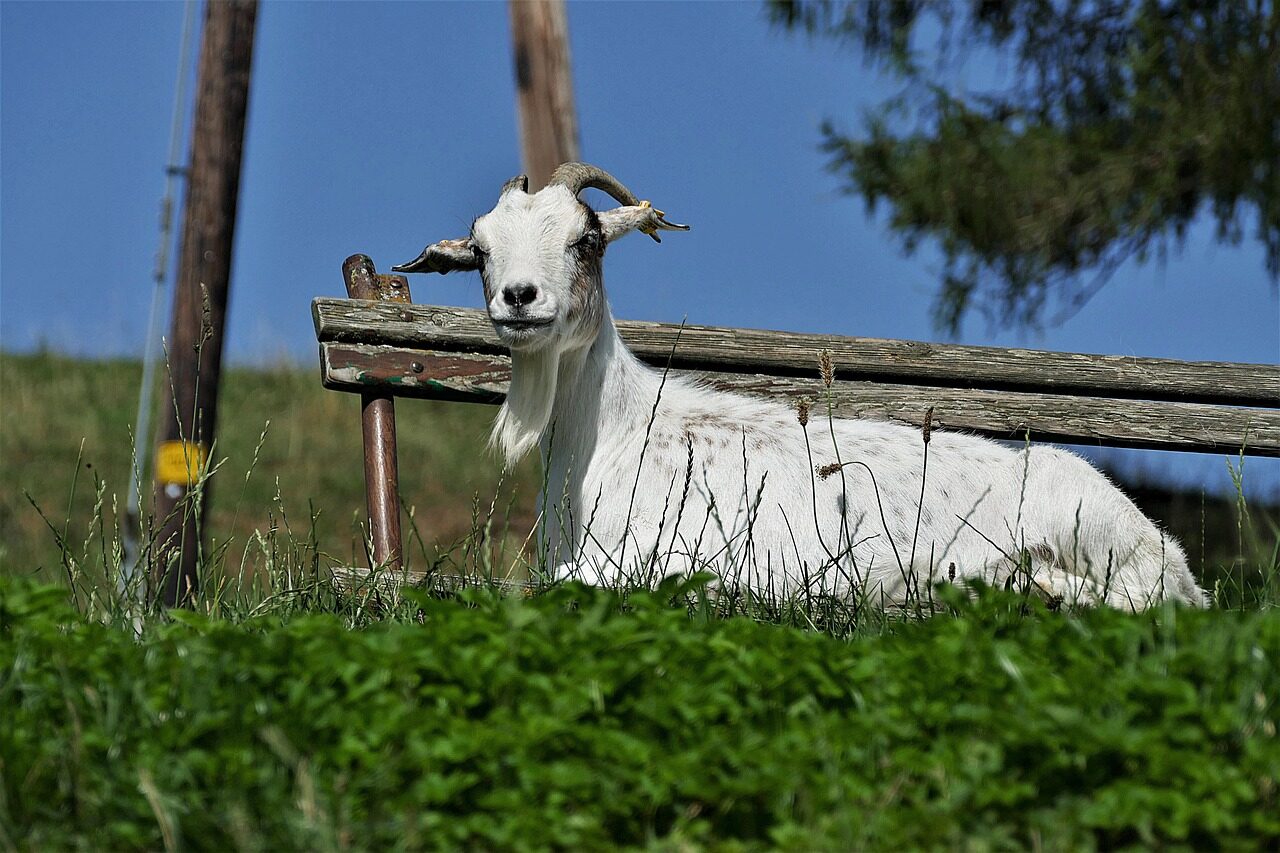
Thinking about raising goats in your backyard but unsure if it’s legal where you live? Washington State has specific rules about keeping these animals, and the answer depends largely on where your property sits and how it’s zoned.
In Washington State, you can legally own goats if your property is in a rural or agricultural zone, but residential areas require checking with local authorities since each city and county sets its own restrictions. The regulations vary widely across the state. What’s allowed in one neighborhood might be completely prohibited in another.
Understanding goat ownership laws in Washington means looking at multiple factors beyond just whether goats are permitted. You’ll need to consider zoning classifications, the number of animals allowed, housing requirements, and health regulations. This guide breaks down everything you need to know about legal aspects of goat ownership in Washington, from initial permits to ongoing neighbor considerations.
Legal Status Of Goat Ownership In Washington
You can legally own goats in Washington State, but the rules depend on how your property is zoned. Rural and agricultural zones typically allow goat ownership without major restrictions.
If your property has residential zoning, you need to check with your local authorities first. Your local Code Enforcement, Zoning Office, or Animal Control can tell you whether goats are permitted in your area. Each city and county sets its own rules about livestock.
Key factors that affect goat ownership:
- Property size and lot dimensions
- Number of goats allowed per acre
- Distance requirements from property lines
- Shelter and fencing specifications
- Waste management rules
Some cities have specific breed restrictions. In Seattle, only pygmy, dwarf, and miniature goats are allowed. Male goats must be neutered and all goats must be dehorned in certain areas.
Before you buy goats, you should check applicable local regulations to confirm they can legally be kept where you live. Washington State has agricultural laws that govern livestock, but local ordinances often add more requirements.
Pierce County and King County each have their own rules about the number of animals you can keep based on lot size. You may need permits or licenses depending on your location. Contact your county’s planning department to get the exact requirements for your address.
Zoning And Property Requirements In Washington
Before you bring goats to your property, you need to check your local zoning rules. Livestock keeping is generally regulated under local zoning , which means the rules can change from one city or county to another.
Your property’s zoning classification will determine if you can legally keep goats. If you live in a rural or agricultural zone, you can typically own goats or sheep without issue. However, if your property is zoned as residential , you must contact your local Code Enforcement, Zoning Office, or Animal Control first.
Space requirements matter too. The amount of land you have will affect how many goats you can keep. Different counties have their own recommendations for livestock space requirements based on whether you use pasture or confinement systems.
In some Washington cities, the rules get very specific. For example, Seattle regulates the number of goats based on your lot size. Some cities require enclosures to be set back a certain distance from neighboring homes.
Important steps you should take:
- Contact your local planning or zoning office to confirm what’s allowed on your property
- Ask about any permits you need before getting goats
- Review any HOA covenants or neighborhood restrictions
- Check if there are rules about keeping goats near water sources like creeks
- Find out about minimum distances from property lines and neighboring residences
Each jurisdiction writes its own rules, so what works in one area might not be legal in another.
Number Limits And Permit Requirements In Washington
The number of goats you can own in Washington depends on your property size and local zoning regulations. Rural and agricultural zones typically allow goats without strict limits, while residential areas have more restrictions.
In Seattle, the number of goats permitted varies by lot size according to Seattle Municipal Code 23.42.052. Smaller residential lots usually allow fewer animals than larger properties.
Most cities require you to maintain specific distances between your goat enclosures and neighboring residences. For example, Omak requires goat enclosures to be at least 150 feet from the nearest residence, not including your own home.
Key factors that determine your goat ownership limits:
- Total lot size in square feet or acres
- Zoning classification (residential, agricultural, or rural)
- Distance from property lines and neighboring homes
- Local city or county ordinances
Some municipalities require permits before you can keep goats on your property. Everett requires livestock facility permits and mandates that owners have no violations of animal regulations within the past two years. You must check with your local zoning office, code enforcement department, or animal control agency to learn your area’s specific requirements.
Pierce County bases livestock limits on property size, with larger parcels allowing more animals. Always verify current regulations with your local government before bringing goats to your property, as rules change and vary significantly between cities and counties throughout Washington.
Housing And Fencing Regulations In Washington
Before building housing for your goats, you need to check local zoning regulations where you live. Different cities and counties have their own rules about livestock structures.
Your goat housing must provide adequate shelter from rain, wind, and extreme temperatures. A basic three-sided shelter works well in most Washington climates. Each goat needs at least 15 to 20 square feet of indoor space.
Fencing Requirements
Goat fencing must be secure and properly maintained. Washington state has specific fence regulations that apply to livestock containment. Your fence should be at least 4 feet high, though 5 feet is better for active breeds.
Strong fencing materials include:
- Woven wire fence
- Electric fencing
- Cattle panels
- Chain link
Avoid barbed wire as it can injure goats. Your fence posts should be sturdy and spaced no more than 8 feet apart.
Property Setbacks
Most jurisdictions require goat housing to be set back from property lines. Common setback distances range from 25 to 100 feet depending on your location. Regulations for keeping animals vary by city.
You must maintain your goat facilities in sanitary condition. This means regular cleaning of shelters and proper manure management. Poor sanitation can lead to disease problems and complaints from neighbors.
Check with your county planning department for specific building permit requirements before constructing goat housing or fencing.
Health, Registration, And Neighbor Regulations In Washington
Before you bring goats to your property, you need to understand health and legal requirements in Washington State . Disease prevention is a key concern for state regulators.
Health Testing Requirements
Washington requires specific health certificates for goats entering the state. Dairy goats for shows are exempt from testing if they return to their home state, but you still need a certificate of veterinary inspection. Regular goats brought into Washington must meet import health standards.
Registration and Documentation
You don’t need to register your goats with the state for basic ownership. However, you must maintain proper health records and certificates. If you plan to sell, transport, or show your goats, additional documentation becomes necessary.
Neighbor Distance Rules
Many Washington cities enforce minimum distance requirements between goat enclosures and nearby homes. For example, Omak requires goat enclosures to be at least 150 feet from the nearest residence , not including your own home. This measurement includes streets and alleys in the calculation.
Your local zoning office determines the exact requirements for your area. Urban and suburban properties typically face stricter rules than rural zones. Some neighborhoods ban goats entirely, while others allow them with specific conditions.
Key Considerations
- Check enclosure placement before building
- Keep veterinary records updated
- Verify your property’s zoning classification
- Contact your county’s code enforcement office for local rules
Distance requirements protect neighbors from noise, odors, and other impacts of livestock keeping.