Goat Ownership Laws in Utah: Essential Local Regulations Explained

March 23, 2026
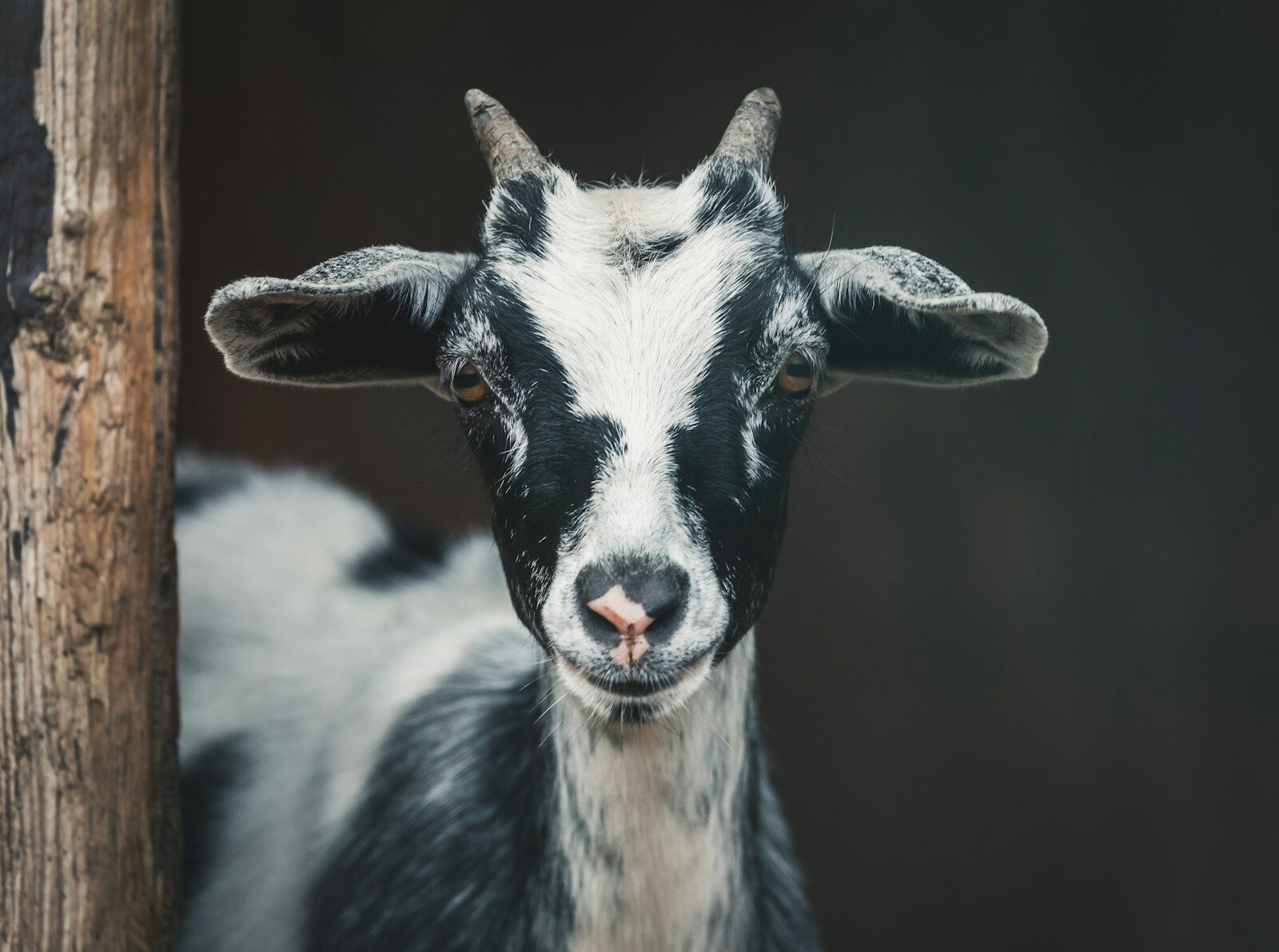
Goats are charming animals that can provide milk, fiber, companionship, and help with vegetation management. But if you live in Utah and want to bring goats onto your property, you need to know the rules first. Whether you are in Salt Lake City, a rural county, or somewhere in between, the laws can be very different.
Goat ownership laws in Utah depend entirely on where you live because the state allows goats as livestock but lets cities and counties create their own local rules about zoning, permits, animal limits, and housing standards. What is allowed on a half-acre lot in one town might be completely prohibited in the next town over. Even neighboring properties can fall under different regulations based on zoning classifications and city boundaries.
This guide covers everything you need to understand before buying goats in Utah. You will learn how zoning affects whether you can keep goats at all, what permits you might need, how many animals you can have, what kind of fencing and shelter the law requires, and what health and neighbor rules you must follow. Understanding these regulations now will help you avoid fines, complaints, and the heartbreak of having to rehome animals you were not legally allowed to keep.
Legal Status Of Goat Ownership In Utah
Utah classifies goats as livestock under state law. The Utah Department of Agriculture and Food oversees goats at the state level. State law does not prohibit you from owning goats anywhere in Utah.
However, state permission does not mean you can keep goats on your property without restriction. Local governments hold the authority to regulate livestock within their boundaries. This means your city or county can create rules about whether you can own goats and under what conditions.
Key differences exist between state and local control:
- State law treats goats as domestic livestock alongside cattle and sheep
- State agencies manage health regulations and disease reporting
- Local governments control zoning and property restrictions
- Cities and counties set permit requirements and animal limits
Your ability to legally keep goats depends entirely on where you live. A property in unincorporated rural Utah may allow unlimited goats. A home just miles away inside city limits might prohibit them completely.
Utah’s Right to Farm Act provides some protection for established agricultural operations against nuisance complaints. But this law does not override local zoning ordinances that ban livestock in the first place.
Some municipalities treat miniature goat breeds differently than full-sized breeds. Nigerian Dwarf goats may be allowed in residential zones where standard dairy or meat breeds are prohibited. You need to check which specific breeds your local code addresses before making any purchase.
The state supports small-scale farming and animal husbandry. But you must verify your local rules before bringing goats home.
Zoning And Property Requirements In Utah
Zoning laws determine whether you can legally keep goats on your property in Utah. Your local zoning classification matters more than state law when it comes to livestock ownership.
Agricultural zones typically allow goats without restrictions. If your property is zoned A-1 or A-2, you can usually keep goats as a matter of right. Rural counties like Sanpete and Millard have expansive agricultural zones where goat ownership is straightforward.
Residential zones create more challenges. Cities handle livestock in three main ways:
- Complete prohibition in standard residential zones regardless of lot size
- Conditional permission if your property meets minimum acreage requirements
- Special permits requiring variance approval before keeping goats
Most municipalities that allow goats in residential areas require between 0.5 and 2 acres minimum. Salt Lake City permits miniature goats on qualifying residential lots under its urban farming ordinance. Cities like Kaysville require at least 21,780 square feet for farm animals in certain zones.
Setback requirements dictate how far goat housing must sit from property lines and neighboring structures. Common distances include 50 feet from neighboring homes and 25 feet from property boundaries.
Check your property’s zoning through your county assessor’s website or contact your local planning department. Even if county zoning permits goats, your homeowners association may independently prohibit them through private covenant restrictions.
Different rules apply to miniature breeds versus full-sized goats. Some cities allow Nigerian Dwarf goats in residential zones while prohibiting larger dairy or meat breeds.
Number Limits And Permit Requirements In Utah
Most Utah municipalities place caps on how many goats you can keep. Some cities require permits once you exceed a certain threshold.
The number of goats allowed depends on your zoning classification and your specific city or county. Agricultural zones typically have no strict limits, while residential zones are much more restrictive.
| Zone Type | Typical Goat Limit | Permit Usually Required? |
|---|---|---|
| Agricultural (A-1, A-2) | No limit or acreage-based | No |
| Rural Residential | 2-6 goats per acre | Sometimes |
| Suburban Residential | 2-4 miniature goats | Often yes |
| Urban/City Limits | 0-2 goats | Usually yes |
Salt Lake City permits up to two miniature goats on qualifying residential lots without a livestock permit. Keeping more than two goats or full-sized breeds typically requires a conditional use permit.
Some counties use a stocking density formula instead of fixed numbers. Your allowed goat number is calculated based on your lot’s acreage, expressed as animal units per acre. A standard adult goat counts as 0.1 to 0.2 animal units.
Important: If you plan to keep bucks (intact males), check your local ordinance specifically. Many cities that permit does and wethers will prohibit or restrict bucks due to odor and noise concerns.
Permit applications are processed through your city’s planning department or animal services office. Fees commonly range from $25 to $150 for an initial livestock permit. Some jurisdictions require annual renewal, while others issue one-time permits tied to the property.
You may need to submit a site plan showing goat housing location relative to property lines. Breeding operations or commercial activities may trigger additional state licensing through the Utah Department of Agriculture and Food.
Housing And Fencing Regulations In Utah
Proper housing and secure fencing are legal requirements in many Utah communities. Your goat shelter must meet specific standards set by your local ordinance.
Most municipalities require between 10 and 20 square feet of enclosed shelter space per goat. The shelter needs protection from rain, wind, and extreme temperatures with adequate ventilation to prevent ammonia buildup.
Setback distances are strictly enforced in residential areas. Goat structures typically must be placed at least 50 feet from neighboring homes, 25 feet from property lines, and 100 feet from wells or water sources. These distances vary by city and county.
You must manage waste to prevent odor, pest attraction, and runoff. Many ordinances require regular manure removal or composting on a set schedule.
Utah has been a fence-in state since territorial days. This means you bear primary responsibility for keeping your goats contained on your property.
Your fence should be at least 4 to 5 feet tall. Use woven wire, welded wire panels, or similar livestock-grade materials. Barbed wire is discouraged due to injury risk and may be prohibited in residential zones.
Standard garden fencing or chicken wire will not contain goats effectively. Goats climb, push, and squeeze through inadequate barriers. This leads to escaped animals and ordinance violations.
Electric fencing works well in agricultural and rural residential zones. Some urban areas restrict or prohibit electric fencing in residential neighborhoods, so verify your local rules before installation.
Larger breeds like Boer or Nubian goats require stronger fencing and more shelter space than miniature breeds.
Health, Registration, And Neighbor Regulations In Utah
Utah requires all goats to participate in the USDA Scrapie Eradication Program . This means your animals need official identification like USDA-approved ear tags or tattoos with your flock’s premises identification number.
You can get a premises ID and scrapie tags for free through the Utah Department of Agriculture and Food. If you buy goats from a breeder, they must provide proper identification before the animals leave their property. Any goats born on your land need tags that you apply yourself.
Interstate Movement Requirements:
- Certificate of Veterinary Inspection (health certificate) from a licensed veterinarian
- Negative disease tests depending on the origin state
- Brand inspection certificates do not apply to goats
Utah does not mandate vaccines by state law for most goat diseases. However, vaccinations for Clostridium perfringens and tetanus are strongly recommended by veterinarians. County fairs may require certain vaccines if you plan to show your goats.
Your neighbors can file complaints about noise, odor, or escaped animals. Some cities have quiet hours that apply to animal noise. Bucks and does in heat can be loud enough to violate nuisance ordinances.
You must remove manure regularly and compost it properly. Poor waste management leads to odor complaints and potential citations. A few Utah cities require you to notify adjacent neighbors before getting a livestock permit.
If your goats escape and damage neighboring property, you are legally liable under Utah’s livestock trespass laws. Secure fencing protects both your animals and your legal standing.