How to Identify Poisonous Animals in Georgia Before Your Next Outdoor Adventure

March 9, 2026
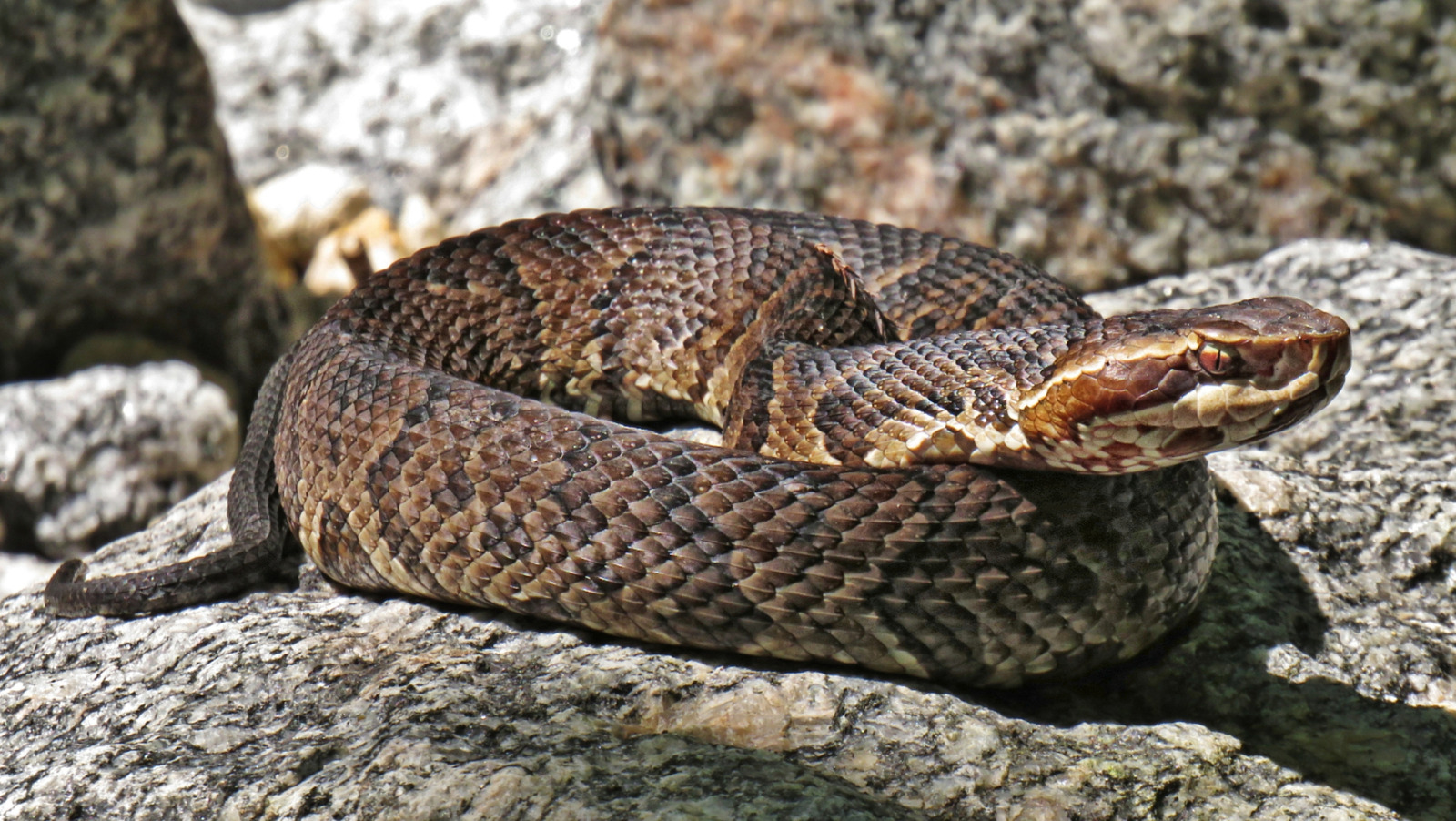
Most Georgia hikers worry about venomous snakes and spiders, but the state’s truly poisonous animals pose an entirely different threat. Unlike venomous species that inject toxins through bites or stings, poisonous animals in Georgia contain toxins that harm you when touched, handled, or consumed. Understanding this crucial difference could prevent painful skin reactions, respiratory issues, or worse during your outdoor adventures.
This guide reveals the often-overlooked poisonous species lurking in Georgia’s forests, wetlands, and gardens. You’ll learn to identify key warning signs, understand which habitats pose the greatest risks, and discover practical safety strategies that experienced naturalists use to avoid dangerous encounters.
Eastern Newt: Georgia’s Most Toxic Amphibian
The Eastern newt (Notophthalmus viridescens) represents Georgia’s most potent poisonous threat to humans and pets. These small aquatic salamanders secrete tetrodotoxin-like compounds through specialized skin glands, creating a chemical defense system that can cause severe reactions upon contact.
Adult Eastern newts typically measure 3-4 inches long with olive-green backs and yellow bellies dotted with red spots. You’ll find them in permanent ponds, slow-moving streams, and woodland pools throughout northern Georgia. Their skin appears smooth and slightly slimy, often glistening in sunlight.
Key Identification Features:
- Olive to brownish-green coloration
- Distinctive red spots bordered by dark rings
- Yellow to orange belly
- Smooth, moist skin texture
- Four distinct toes on front feet
The toxins concentrate in the skin’s mucous layer, making direct handling extremely dangerous. Even brief contact can cause skin irritation, burning sensations, and potential systemic effects if toxins enter through cuts or mucous membranes.
Pro Tip: Eastern newts often hide under logs, rocks, or leaf litter near water sources. Always use gloves or tools when moving debris in wetland areas.
Red-Spotted Newt: The Juvenile Danger Zone
The red-spotted newt, also called an “eft,” represents the juvenile terrestrial stage of the Eastern newt lifecycle. These bright orange juveniles contain higher toxin concentrations than their aquatic adult counterparts, making them significantly more dangerous to handle.
Red efts measure 1-3 inches long and display vibrant red-orange coloration with scattered dark spots. Their bright warning colors serve as nature’s danger signal, advertising their toxicity to potential predators. You’ll encounter them crawling across forest floors, especially after rain showers, in deciduous and mixed forests throughout Georgia.
Unlike adults, juvenile efts actively wander through terrestrial habitats for 2-7 years before returning to water. This extended land phase increases human encounters, particularly in residential areas adjacent to woodlands.
Common Mistake: Many people mistake juvenile efts for harmless salamanders due to their small size. Their intense coloration should serve as an immediate warning to avoid handling.
Southern Toad: Bufotoxin Producer
The Southern toad (Anaxyrus terrestris) produces bufotoxins through prominent parotoid glands located behind each eye. These powerful chemical compounds cause severe irritation to skin and mucous membranes, posing particular risks to pets and small children who might accidentally ingest them.
Southern toads display brown, gray, or reddish coloration with darker spots and prominent cranial crests above their eyes. Adults reach 2-4 inches in length and prefer sandy soils, gardens, and suburban areas throughout southern Georgia. Their warty skin texture distinguishes them from smooth-skinned frogs.
The toxin concentration peaks during breeding season when hormonal changes enhance gland production. Pet owners should exercise extreme caution, as dogs frequently mouth or carry toads, leading to potentially fatal poisoning incidents.
| Toad Species | Size Range | Primary Habitat | Toxin Severity |
|---|---|---|---|
| Southern Toad | 2-4 inches | Sandy soils, gardens | High |
| Fowler’s Toad | 2-3 inches | Fields, woodlands | Moderate |
| American Toad | 2-4 inches | Various habitats | Moderate-High |
Fowler’s Toad: Mild But Persistent Toxins
Fowler’s toad (Anaxyrus fowleri) secretes milder toxins through smaller parotoid glands, but these compounds can still cause significant skin and eye irritation. These toads inhabit fields, gardens, and woodland edges throughout Georgia, becoming most active during evening hours.
Distinguished by their gray-brown coloration with darker spots and less prominent cranial crests, Fowler’s toads often get confused with American toads. However, their call—a harsh, continuous trill—helps differentiate them during breeding seasons.
The toxins persist on human skin for extended periods, making thorough handwashing essential after any potential contact. Children playing in gardens or sandbox areas face increased exposure risks.
American Toad: Bufotoxin Threats
American toads (Anaxyrus americanus) produce bufotoxins that cause immediate irritation to skin and mucous membranes. These compounds can trigger respiratory distress if inhaled or severe digestive upset if ingested.
American toads display variable coloration from brown to reddish-brown with prominent parotoid glands and distinctive cranial crests. They inhabit diverse environments including forests, fields, and suburban areas throughout northern Georgia.
Their toxin production increases during stress, making handling particularly dangerous when toads feel threatened. The defensive secretions can spray several inches, potentially affecting eyes and respiratory passages.
Key Takeaway: All toad encounters require immediate handwashing with soap and water, regardless of species identification certainty.
Flat Bullhead Catfish: Aquatic Toxin Risks
The flat bullhead catfish (Ameiurus platycephalus) produces mild toxins within its mucous layer, though the primary danger comes from defensive fin spines that can puncture skin. This combination creates infection risks when handling caught fish improperly.
These catfish inhabit slow-moving rivers and large streams throughout Georgia, particularly in the Coastal Plain region. Their flattened heads, broad mouths, and whisker-like barbels make identification straightforward for anglers.
The mucous coating contains compounds that irritate cuts and puncture wounds, potentially leading to secondary infections. Anglers should use proper handling techniques including pliers for hook removal and gloves for fish handling.
Coastal Pufferfish: Tetrodotoxin Carriers
Certain pufferfish species occasionally appear in Georgia’s coastal waters, carrying dangerous levels of tetrodotoxin if consumed. These marine visitors pose significant risks to recreational anglers and seafood enthusiasts unfamiliar with proper identification.
Pufferfish display the characteristic ability to inflate their bodies when threatened, along with distinctive beak-like mouths and often spiny or smooth skin textures. Their toxin concentrations vary seasonally and by individual, making consumption extremely risky.
Georgia’s coastal waters occasionally host Northern puffers and other species during warmer months. Tetrodotoxin causes rapid paralysis and respiratory failure in humans, with no known antidote available.
Millipedes: Cyanide Defense Systems
Various millipede species throughout Georgia secrete cyanide compounds when handled or threatened. These arthropods employ chemical warfare as their primary defense mechanism, releasing hydrogen cyanide gas and related compounds that cause skin irritation and respiratory issues.
Georgia millipedes typically display dark brown or black coloration with cylindrical, segmented bodies measuring 1-4 inches long. They inhabit leaf litter, rotting logs, and soil environments throughout the state, becoming most active during humid conditions.
The cyanide secretions cause immediate burning sensations on skin and can trigger respiratory irritation if inhaled in enclosed spaces. Children face increased risks due to their tendency to handle interesting insects without precautions.
Pro Tip: Millipedes curl into defensive spirals when threatened, often releasing toxins simultaneously. Never handle curled millipedes, even with gloves.
Blister Beetles: Cantharidin Hazards
Blister beetles (Epicauta species) contain cantharidin, a powerful chemical that causes severe skin blistering upon contact. These insects commonly appear in Georgia gardens, agricultural areas, and wildflower meadows, particularly during summer months.
Blister beetles display elongated bodies with soft wing covers, often in metallic black, brown, or striped patterns. They feed on flower petals and leaves, making garden encounters frequent during peak growing seasons.
Cantharidin concentrations remain dangerous even in dead beetles, making cleanup of affected areas hazardous. The chemical can cause permanent skin damage and systemic toxicity if absorbed through broken skin.
Eastern Lubber Grasshopper: Warning Coloration
The Eastern lubber grasshopper (Romalea microptera) displays bright warning colors that advertise its toxic secretions to potential predators. These large grasshoppers produce foam containing compounds that cause skin and eye irritation in humans.
Adult lubbers reach 2-3 inches long with distinctive yellow, orange, and black coloration. They inhabit gardens, agricultural areas, and weedy fields throughout southern Georgia, becoming most noticeable during late summer months.
The toxic foam serves as both warning and defense, causing immediate irritation to any surface it contacts. Children and pets face increased risks due to the grasshopper’s large size and conspicuous appearance attracting attention.
Safety Strategies for Georgia’s Outdoors
Understanding habitat preferences helps you avoid dangerous encounters with poisonous animals in Georgia. Wetland areas, particularly permanent ponds and slow streams, harbor the highest concentrations of toxic amphibians. Garden environments and agricultural areas increase exposure to toxic insects and toads.
Essential Safety Equipment:
- Nitrile or vinyl gloves for handling any wildlife
- Eye protection when working in gardens or leaf litter
- Long pants and closed shoes for hiking
- Flashlight for evening outdoor activities
Seasonal awareness proves crucial for safety planning. Spring and early summer bring peak amphibian activity, while late summer increases insect encounters. Rainy periods trigger increased toad and millipede activity throughout Georgia.
Emergency Response Protocol:
- Remove contaminated clothing immediately
- Flush affected skin with cool water for 15+ minutes
- Avoid rubbing or scrubbing irritated areas
- Seek medical attention for severe reactions or eye exposure
- Bring photos of the suspected animal if possible
Teaching children proper outdoor behavior creates long-term safety habits. Emphasize the “look but don’t touch” rule for all unfamiliar wildlife, regardless of size or apparent harmlessness.
Remember that Georgia’s poisonous animals serve important ecological functions, controlling pest populations and maintaining ecosystem balance. Respecting these creatures while maintaining safe distances protects both human safety and wildlife conservation efforts.
Your next Georgia outdoor adventure can proceed safely with proper knowledge and preparation. Understanding these poisonous species, their habitats, and appropriate safety measures transforms potentially dangerous encounters into educational opportunities while preserving the natural experience you seek.