Red and Black Snakes in Mississippi: Complete Identification Guide with Safety Tips

March 19, 2026
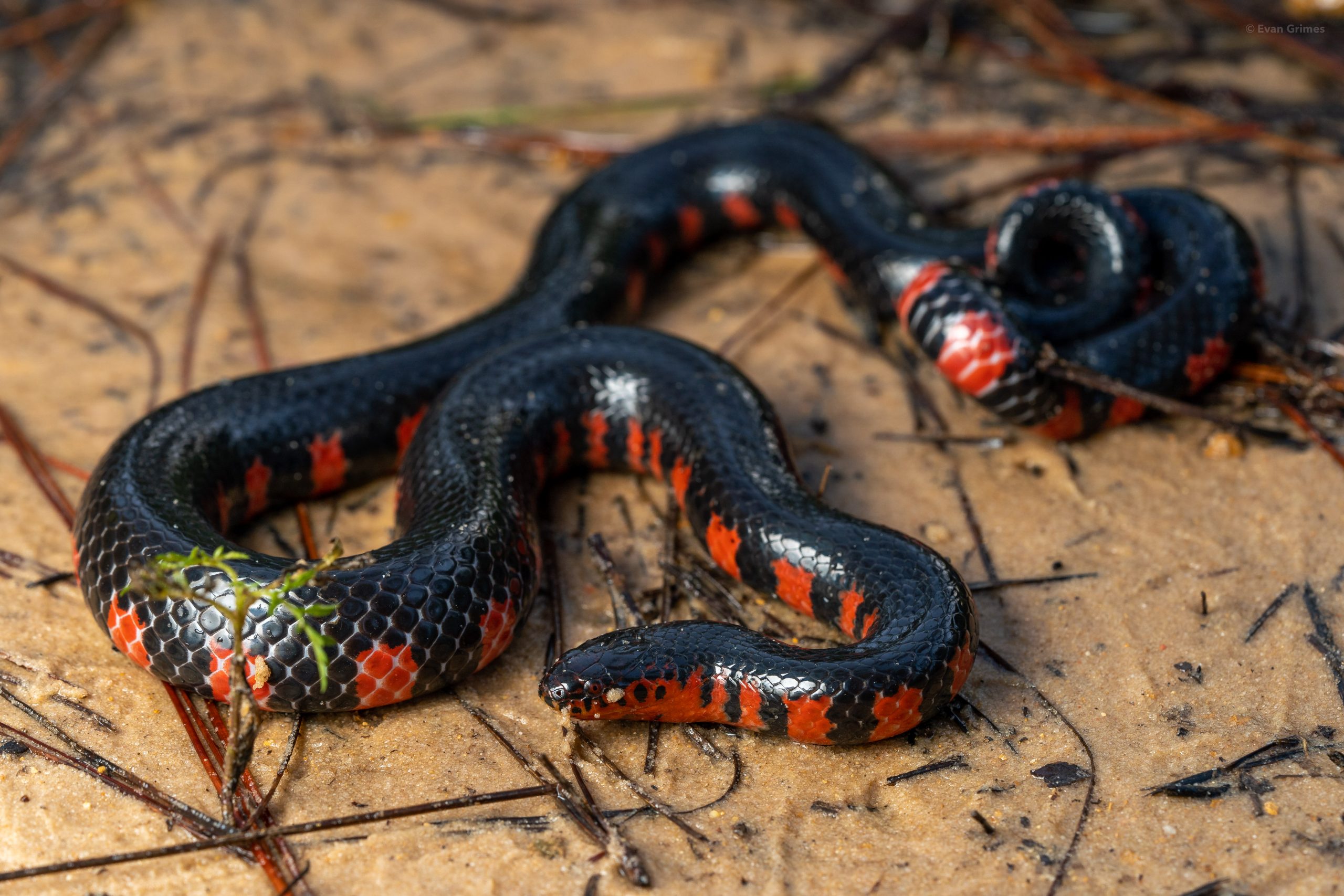
Mississippi’s diverse ecosystem hosts 51 snake species, but only three display the distinctive red and black coloration that often sparks both fascination and fear among residents. Understanding these species could save your life, as one of these red and black snakes in Mississippi carries potentially lethal venom while the others pose no threat to humans.
This comprehensive guide will help you confidently identify each species, understand their behaviors, and respond appropriately when encounters occur. Whether you’re a homeowner concerned about backyard safety or an outdoor enthusiast exploring Mississippi’s natural areas, mastering these identification skills provides essential protection for you and your family.
Understanding Mississippi’s Red and Black Snake Species
The three primary red and black snake species found throughout Mississippi represent vastly different levels of danger. The Eastern Coral Snake delivers potent neurotoxic venom, while the Northern Scarlet Snake and Red Milk Snake serve as harmless mimics that evolved similar coloration patterns for protection.
⚠️ Critical Safety Warning
Never handle any red and black snake unless you are absolutely certain of its species. Even experienced herpetologists exercise extreme caution when dealing with these look-alike species. When in doubt, maintain distance and contact local wildlife authorities.
Geographic Distribution Across Mississippi
These species inhabit different regions and ecosystems throughout the state:
- Statewide presence: Red Milk Snakes occur throughout Mississippi’s forests and rural areas
- Northern concentration: Northern Scarlet Snakes prefer the pine forests and sandy soils of northern Mississippi
- Limited southern range: Eastern Coral Snakes inhabit only the extreme southern counties
Northern Scarlet Snake
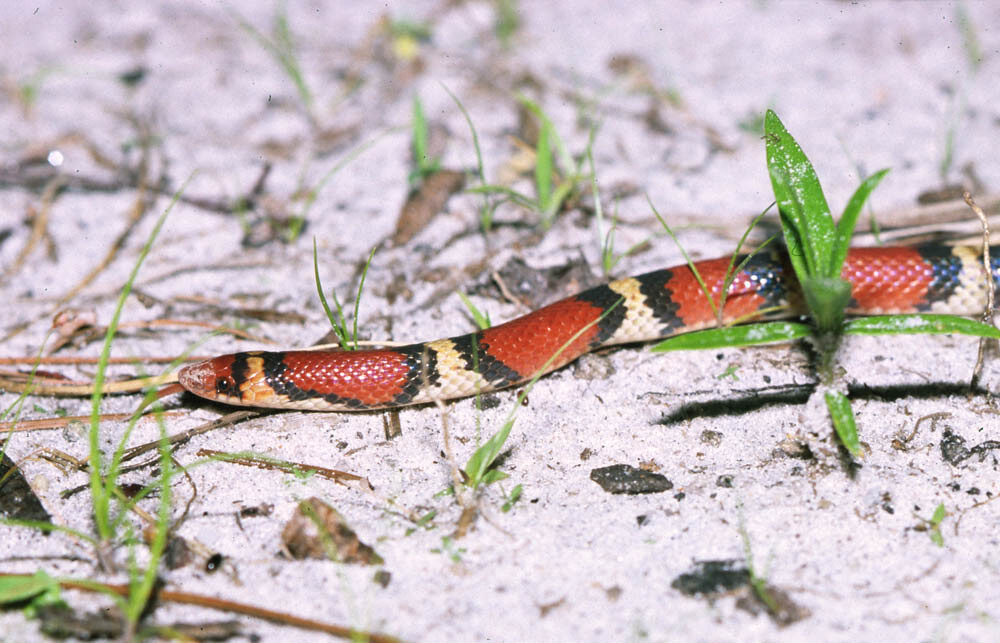
The Northern Scarlet Snake represents one of Mississippi’s most beautiful yet misunderstood serpents. This harmless species evolved striking red and black banding patterns that serve as protective mimicry, deterring predators who mistake it for its venomous coral snake cousin.
Physical Characteristics and Identification
Northern Scarlet Snakes display distinctive features that separate them from dangerous species:
Size and Build
- Length: 14-24 inches (adults rarely exceed 2 feet)
- Body type: Slender, cylindrical build with smooth scales
- Head shape: Small, rounded head that barely differs from neck width
Coloration Pattern
- Primary colors: Bright red blotches bordered by black bands
- Belly pattern: Light-colored or whitish underside
- Band characteristics: Red bands do not extend completely around the body
- Head coloration: Distinctive red face and nose
Key Identification Features
- Red blotches surrounded by black borders (not complete rings)
- Pointed snout ideal for burrowing
- Smooth, shiny scales that reflect light
- Black bands that don’t connect on the belly
Habitat and Behavior
Northern Scarlet Snakes thrive in specific Mississippi environments that support their secretive lifestyle. Understanding their preferred habitats helps predict encounter locations and reduces unnecessary alarm during outdoor activities.
Preferred Environments
- Pine forests with sandy, well-drained soils
- Open woodlands with scattered fallen logs
- Residential areas with loose soil and garden mulch
- Agricultural edges where forests meet fields
Behavioral Patterns
- Activity period: Primarily nocturnal, most active during warm evenings
- Seasonal behavior: Surface activity peaks during spring and fall
- Defensive response: Rarely bites; instead coils and hides head under body
- Feeding habits: Specializes in eating small reptiles and their eggs
The Northern Scarlet Snake’s secretive nature means most encounters occur when gardening, moving logs, or during construction activities that disturb soil. Their docile temperament makes them unlikely to bite even when handled, though this should never be attempted without proper identification.
Safety Considerations
Despite their harmless nature, Northern Scarlet Snakes deserve respectful treatment that protects both human safety and wildlife conservation. Mississippi State University Extension emphasizes the importance of positive identification before approaching any red and black snake.
Recommended Response Protocol
- Maintain safe distance while observing color patterns
- Look for red blotches that don’t extend to the belly
- Note the small head and slender build
- Allow the snake to retreat naturally
- Contact local wildlife authorities if removal is necessary
Eastern Coral Snake
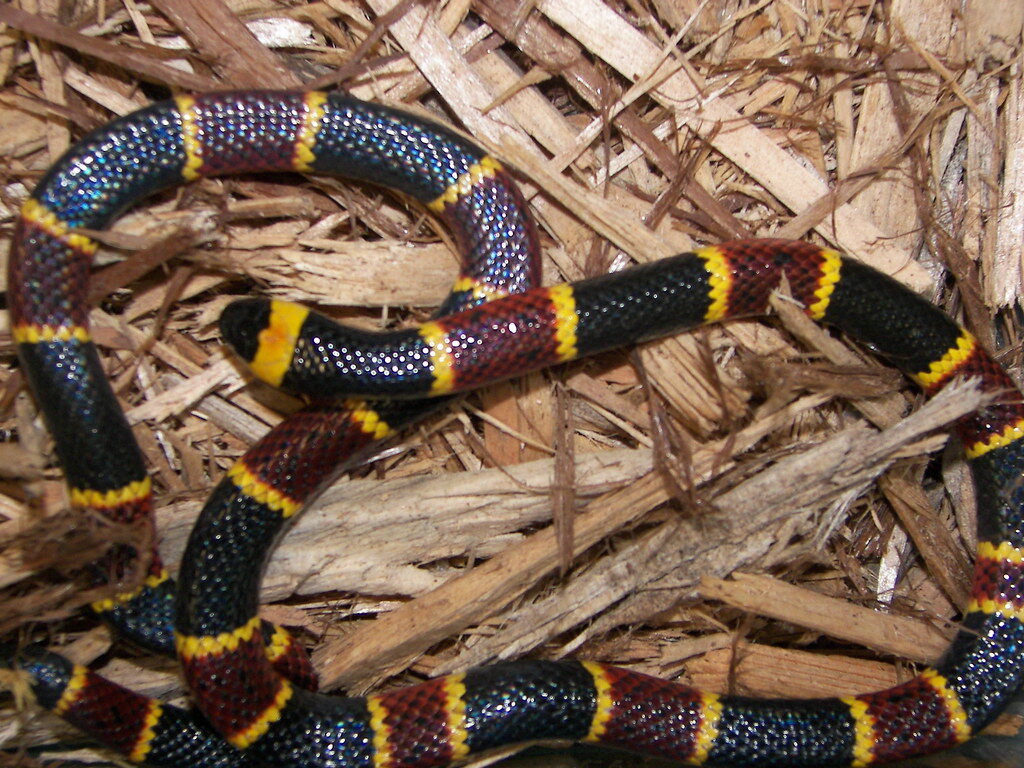
The Eastern Coral Snake stands as Mississippi’s most dangerous red and black snake species, delivering potent neurotoxic venom through small but highly effective fangs. This secretive serpent inhabits only the extreme southern counties of Mississippi, making encounters relatively rare but potentially life-threatening.
Physical Characteristics and Identification
Eastern Coral Snakes possess distinctive features that distinguish them from harmless mimics, though identification requires careful observation of specific details:
Size and Build
- Length: 18-30 inches (average 24 inches)
- Body type: Slender, cylindrical with smooth scales
- Head shape: Small, black head with rounded snout
Critical Color Pattern
- Band arrangement: Red bands directly touch yellow/white bands
- Mnemonic device: “Red touches yellow, kills a fellow”
- Complete rings: All bands extend completely around the body
- Head coloration: Solid black from nose to behind the eyes
Venomous Characteristics
- Fixed fangs in the front of the mouth
- Small mouth opening (difficulty biting large surfaces)
- Potent neurotoxic venom affecting nervous system
- Defensive behavior includes hiding head and elevating tail
Habitat and Behavior
Eastern Coral Snakes require specific environmental conditions found only in Mississippi’s southern regions. Their secretive nature and specific habitat requirements make encounters uncommon but potentially serious.
Preferred Environments
- Sandy pineland soils with loose substrate
- Coastal plain forests with palmetto understory
- Creek bottoms with sandy banks
- Residential areas with sandy gardens or foundations
Behavioral Patterns
- Activity period: Primarily crepuscular (dawn and dusk)
- Seasonal presence: Most active during spring and fall
- Defensive behavior: Rarely aggressive; attempts to escape when threatened
- Feeding habits: Preys almost exclusively on other snakes
The Eastern Coral Snake’s reclusive nature means most bites occur when people accidentally step on or handle the snake. University of Mississippi Medical Center reports that coral snake bites account for less than 1% of venomous snake bites in Mississippi, but their neurotoxic venom can cause respiratory paralysis without proper treatment.
Emergency Response Protocol
Coral snake envenomation requires immediate medical attention, as symptoms may develop slowly but progress rapidly to respiratory failure. Unlike pit viper bites, coral snake bites may show minimal initial symptoms while venom spreads through the nervous system.
Immediate Actions
- Remain calm and move away from the snake
- Call 911 immediately – do not wait for symptoms
- Remove jewelry and tight clothing near the bite
- Keep bite area below heart level if possible
- Do not cut, suck, or apply tourniquets
Medical Treatment
- Antivenom administration may be necessary
- Respiratory support equipment should be available
- Hospitalization for observation typically required
- Recovery depends on venom amount and treatment timing
Geographic Range in Mississippi
Eastern Coral Snakes inhabit only the extreme southern counties of Mississippi, with populations concentrated in areas with appropriate sandy soil conditions. Mississippi Herps confirms their presence in coastal counties but notes that habitat loss has reduced their range significantly.
County Distribution
- Confirmed presence: Hancock, Harrison, Jackson, and Stone counties
- Possible presence: Pearl River, Forrest, and George counties
- Habitat requirements: Sandy soils with adequate prey populations
- Population status: Declining due to habitat loss and urban development
Red Milk Snake
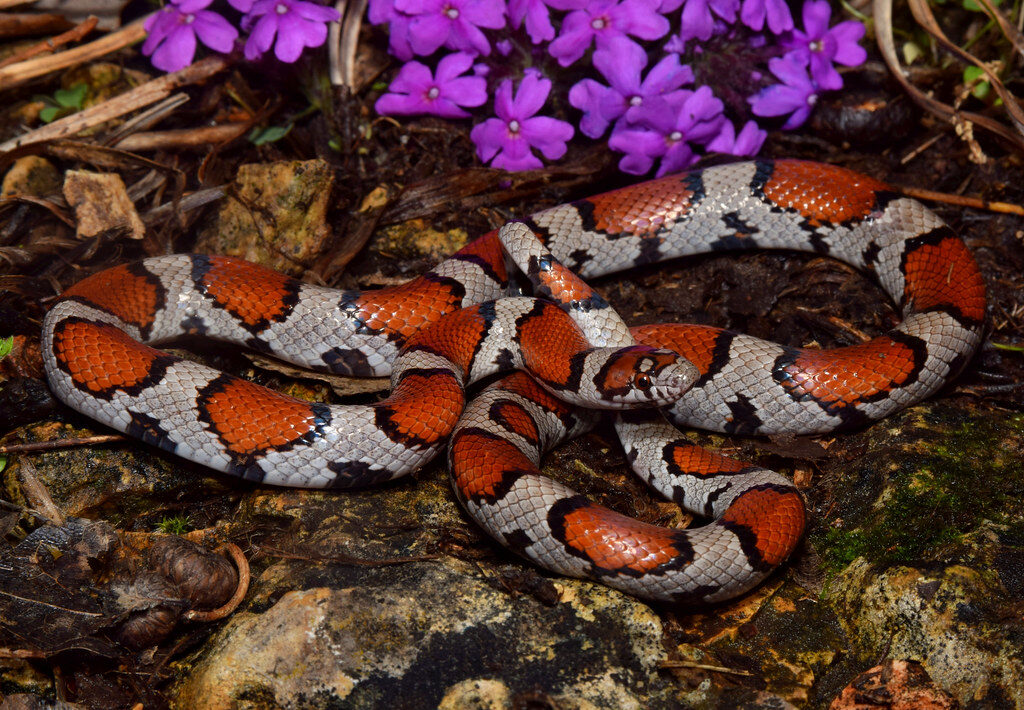
The Red Milk Snake represents Mississippi’s most widespread red and black snake species, thriving in diverse habitats from rural forests to suburban neighborhoods. This harmless constrictor evolved coral snake-like coloration patterns that provide protection from predators while posing no threat to humans.
Physical Characteristics and Identification
Red Milk Snakes display variable coloration patterns that can create identification challenges, but specific features consistently distinguish them from venomous species:
Size and Build
- Length: 20-36 inches (some specimens reach 48 inches)
- Body type: Moderately thick, muscular build
- Head shape: Slightly wider than neck with distinct separation
Coloration Pattern
- Band arrangement: Red bands bordered by black bands
- Mnemonic application: “Red touches black, friend of Jack”
- Complete rings: Bands extend completely around the body
- Head coloration: Red or orange head with black markings
Distinguishing Features
- Smooth, glossy scales with vibrant colors
- Alternating red, black, and white/yellow bands
- Bands may fade or become less distinct with age
- Pupil shape: Round (not elliptical like pit vipers)
Habitat and Behavior
Red Milk Snakes adapt to various Mississippi environments, making them the most commonly encountered red and black snake species throughout the state. Their versatility allows them to thrive in both natural and human-modified landscapes.
Preferred Environments
- Deciduous and mixed forests with fallen logs
- Rocky areas and stone walls
- Barns, sheds, and other rural buildings
- Suburban areas with adequate shelter
Behavioral Patterns
- Activity period: Primarily nocturnal with some crepuscular activity
- Seasonal behavior: Active from spring through fall
- Defensive response: May vibrate tail and strike when threatened
- Feeding habits: Constricts small mammals, birds, and other snakes
Red Milk Snakes often enter buildings while hunting mice and rats, leading to unexpected encounters in basements, garages, and storage areas. Their presence actually benefits property owners by controlling rodent populations, though their appearance may cause alarm.
Beneficial Aspects and Conservation
Red Milk Snakes provide significant ecological benefits throughout Mississippi’s ecosystems. A-Z Animals describes their role as important predators that help maintain balanced wildlife populations.
Ecological Benefits
- Rodent control: Effectively reduces mouse and rat populations
- Snake predation: Preys on venomous species including copperheads
- Ecosystem balance: Maintains healthy predator-prey relationships
- Agricultural value: Protects crops from rodent damage
Conservation Status
- Population levels remain stable throughout Mississippi
- Habitat adaptation allows survival in modified environments
- No special conservation measures currently required
- Benefits from rodent control programs that increase prey availability
Critical Safety Information and Identification Tips
Successfully identifying red and black snakes in Mississippi requires understanding specific patterns, behaviors, and safety protocols that protect both humans and wildlife. The stakes are particularly high given that one species carries potentially lethal venom while others pose no threat.
The “Red Touches” Memory Device
The traditional rhyme “Red touches yellow, kills a fellow; red touches black, friend of Jack” provides a starting point for identification, but modern herpetologists emphasize that this mnemonic has limitations and should not be relied upon exclusively.
Memory Device Application
- Coral Snake: Red bands directly adjacent to yellow/white bands
- Harmless species: Red bands separated from yellow by black bands
- Limitations: Color variations and subspecies can create exceptions
- Best practice: Use multiple identification features, not just color patterns
Professional Identification Resources
When encountering any red and black snake species, consulting professional resources ensures accurate identification and appropriate response. Bird Watching HQ provides detailed identification guides specifically for Mississippi snake species.
Recommended Resources
- Mississippi State University Extension: Professional snake identification guides
- Mississippi Herps: Comprehensive species database with photos
- Local wildlife authorities: Expert identification services
- Emergency services: Immediate response for potential envenomation
Seasonal Encounter Patterns
Understanding when and where encounters are most likely to occur helps residents prepare for snake activity and reduces unnecessary alarm during peak seasons.
| Season | Activity Level | Common Locations | Safety Considerations |
|---|---|---|---|
| Spring | High | Gardens, wooded areas | Mating season increases activity |
| Summer | Moderate | Shaded areas, buildings | Seeking cool shelter |
| Fall | High | Open areas, leaf litter | Preparing for winter |
| Winter | Low | Underground, building foundations | Rare encounters |
Emergency Contact Information
Mississippi Poison Control Center
- Phone: 1-800-222-1222
- Available: 24 hours daily
- Services: Immediate envenomation guidance
Local Emergency Services
- Phone: 911
- Request: Ambulance with antivenom capability
- Information: Provide snake description and bite location
Frequently Asked Questions
Q: How can I tell if a red and black snake is venomous? A: Look for the band pattern – venomous coral snakes have red bands that directly touch yellow/white bands. However, always maintain distance and contact professionals for positive identification.
Q: What should I do if I find a red and black snake in my yard? A: Do not approach or attempt to handle the snake. Take photos from a safe distance if possible, and contact local wildlife authorities for identification and removal if necessary.
Q: Are red and black snakes active year-round in Mississippi? A: These species are most active during spring and fall when temperatures are moderate. Winter activity is minimal, while summer activity focuses on shaded areas.
Q: How common are coral snake bites in Mississippi? A: Coral snake bites are extremely rare, representing less than 1% of venomous snake bites in the state. Their secretive nature and limited range minimize human encounters.
Q: Can harmless red and black snakes be relocated? A: Yes, but relocation should only be performed by trained professionals. Attempting to handle or move any snake risks injury to both the animal and the person.
Conservation and Coexistence
Mississippi’s red and black snake species face various conservation challenges, from habitat loss to human persecution based on misidentification. Green Nature emphasizes the importance of education in promoting coexistence between humans and snakes.
Conservation Challenges
Habitat Loss
- Urban development reduces available habitat
- Agricultural practices eliminate shelter sites
- Coastal development threatens coral snake populations
- Forest fragmentation disrupts movement patterns
Human Persecution
- Misidentification leads to unnecessary killing
- Fear-based responses result in habitat destruction
- Lack of education perpetuates harmful attitudes
- Beneficial species suffer from coral snake association
Promoting Coexistence
Education Initiatives
- School programs teaching snake identification
- Community workshops on snake safety
- Online resources providing accurate information
- Professional training for emergency responders
Habitat Conservation
- Preserving natural areas with snake populations
- Creating wildlife corridors for movement
- Maintaining fallen logs and brush piles
- Protecting wetland and sandy soil habitats
Conclusion
Understanding the three red and black snakes in Mississippi – the harmless Northern Scarlet Snake and Red Milk Snake, and the venomous Eastern Coral Snake – requires careful attention to specific identification features and safety protocols. While the distinctive color patterns of these species create identification challenges, focusing on band arrangements, geographic distribution, and behavioral differences provides reliable identification methods.
The key to safe encounters lies in maintaining respectful distance, using multiple identification features rather than relying solely on color patterns, and seeking professional assistance when uncertainty exists. Remember that even harmless species deserve protection and contribute valuable ecological services to Mississippi’s ecosystems.
For residents and visitors exploring Mississippi’s natural areas, developing these identification skills serves as essential preparation for outdoor activities. The relatively rare occurrence of coral snake encounters should not diminish the importance of proper identification techniques, as the consequences of misidentification can be severe.
Most importantly, when encountering any red and black snake in Mississippi, prioritize safety over curiosity. Professional wildlife authorities possess the training and equipment necessary for safe handling and identification, making them the best resource for resolving uncertain situations. By combining knowledge, caution, and respect for wildlife, residents can safely coexist with these fascinating and important species throughout Mississippi’s diverse ecosystems.