
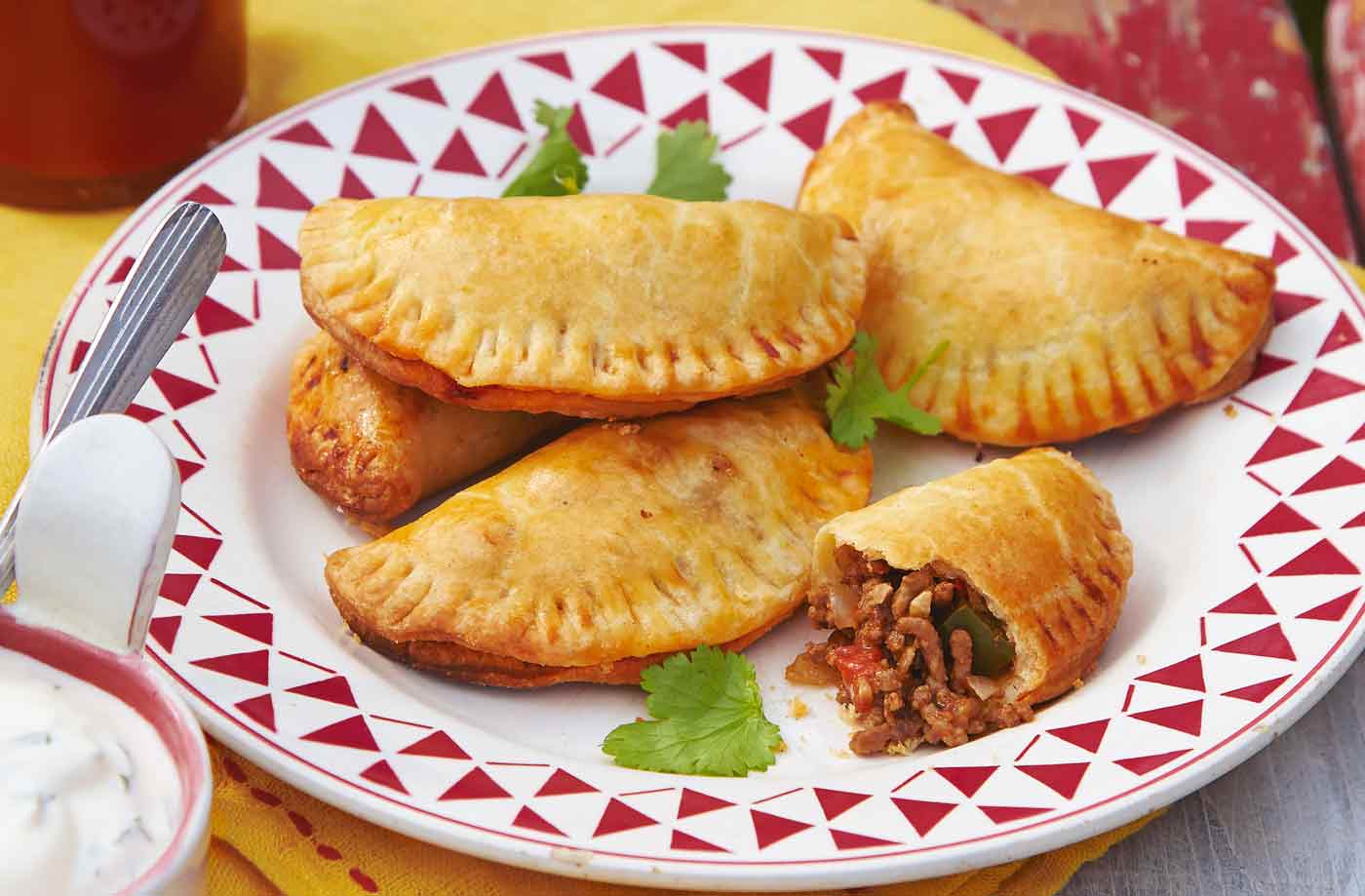
Meat empanadas are savory, golden-brown pockets of deliciousness that deserve equally impressive companions on your plate. Whether you’re hosting a casual gathering or preparing a weeknight dinner, the right side dishes can transform these handheld pastries into a complete, satisfying meal that’ll have everyone reaching for seconds.
The beauty of empanadas lies in their versatility—they pair beautifully with fresh, zesty accompaniments that cut through their richness, as well as hearty sides that complement their savory filling. You’ll discover that the best empanada side dishes balance flavors and textures while staying true to Latin American culinary traditions. From tangy salsas to creamy dips and vibrant vegetable dishes, these nine pairings will elevate your empanada experience.
Salsa Verde
Salsa verde brings a bright, tangy punch that cuts through the richness of meat empanadas like nothing else. This vibrant green sauce, made from tomatillos, cilantro, jalapeños, and lime juice, adds a refreshing contrast that makes each bite of empanada taste even better. The acidity from the tomatillos and citrus helps cleanse your palate between bites, while the herbaceous notes from fresh cilantro provide layers of flavor.
You can serve salsa verde in multiple ways—as a dipping sauce on the side, drizzled over your empanadas, or even spooned into the empanada after your first bite. The beauty of this pairing is its simplicity and how it enhances without overpowering. For a milder version, remove the jalapeño seeds, or add an extra pepper if you prefer more heat.
Pro Tip: Roast your tomatillos and jalapeños before blending for a deeper, smokier flavor profile that adds complexity to your salsa verde.
Making salsa verde from scratch takes only about 15 minutes, and the fresh taste is incomparable to store-bought versions. Simply blend roasted tomatillos with garlic, onion, cilantro, lime juice, and salt until you reach your desired consistency. Some prefer a chunkier texture, while others like it smooth—both work beautifully with empanadas.
Refried Beans
Refried beans offer a creamy, protein-rich side that turns your empanada meal into something truly substantial. These seasoned, mashed beans—traditionally made from pinto or black beans—provide an earthy, comforting element that complements the flaky pastry and seasoned meat filling. The smooth texture contrasts beautifully with the crispy empanada exterior.
When preparing refried beans, you’ll want to cook them with onions, garlic, and cumin for authentic flavor. Many recipes call for lard or bacon fat for traditional richness, though olive oil or vegetable oil works perfectly for a lighter version. The key is cooking the beans until they’re soft enough to mash easily, then frying them in fat with seasonings until they reach a thick, spreadable consistency.
You can serve refried beans hot as a side portion on the plate, or use them as a base layer under your empanadas for added substance. Top them with crumbled queso fresco, a dollop of sour cream, or fresh cilantro for extra flavor and visual appeal. According to Serious Eats , properly seasoned refried beans should taste rich and well-balanced, not bland or overly salty.
Mexican Rice
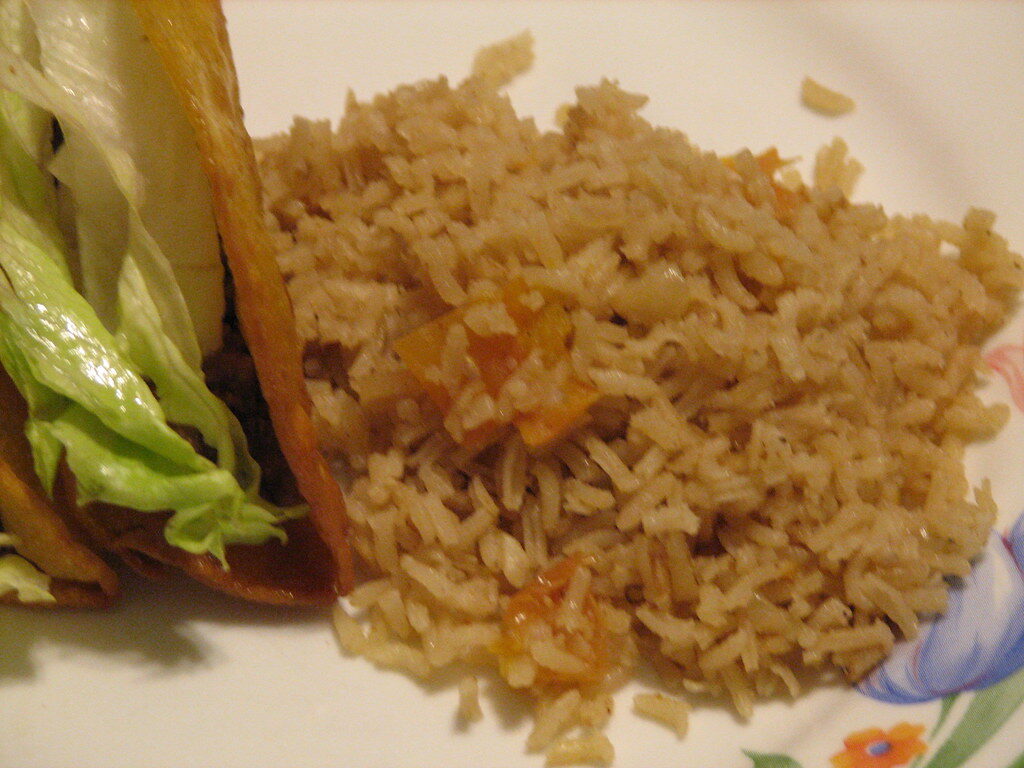
Mexican rice, also known as Spanish rice, is a classic accompaniment that soaks up any juices from your empanadas while adding its own tomato-infused flavor. This colorful side dish features long-grain white rice cooked with tomato sauce, chicken broth, onions, and garlic, creating a fluffy, slightly sticky texture that’s both filling and flavorful. The subtle spices—typically cumin and chili powder—echo the seasonings in your meat empanadas.
The secret to perfect Mexican rice lies in toasting the raw rice in oil before adding liquids. This crucial step prevents mushy rice and creates individual grains with a slight nuttiness. You’ll know the rice is ready when it turns golden and smells fragrant, usually after about 5 minutes of stirring over medium heat.
Important Note: Always let your Mexican rice rest covered for 10 minutes after cooking. This steaming period ensures even moisture distribution and perfectly fluffy grains.
For added depth, cook your rice in homemade or quality store-bought chicken broth instead of water. Fresh tomatoes, tomato sauce, or even salsa can provide the tomato base, each offering slightly different flavor profiles. Garnish with fresh cilantro and lime wedges to brighten the dish just before serving, similar to preparations you’d find with tortilla soup.
Guacamole
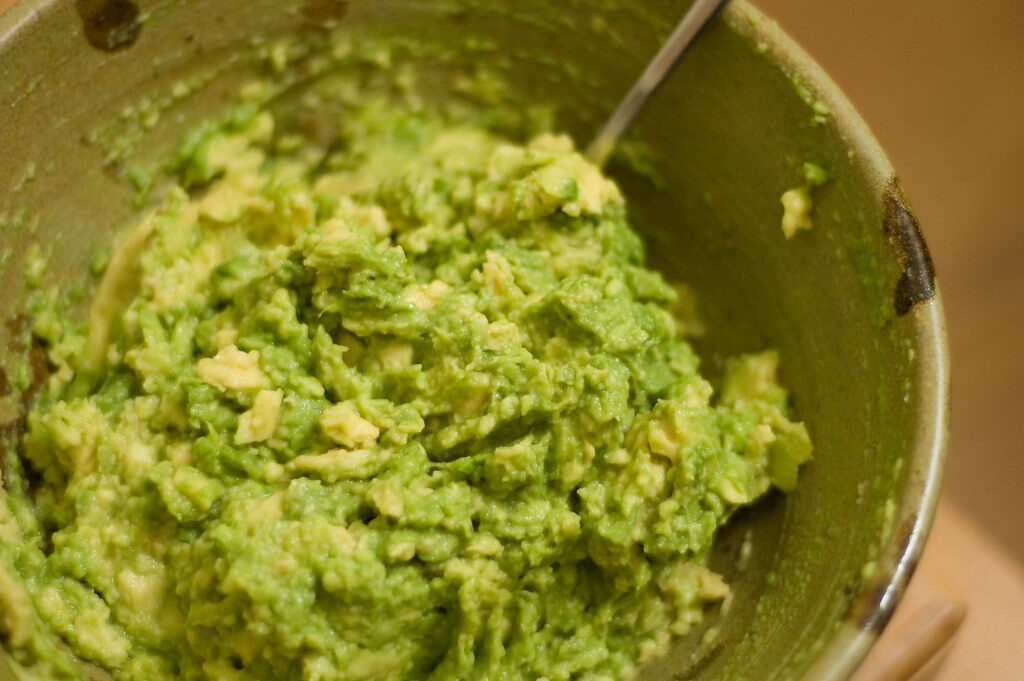
Guacamole transforms any empanada meal into a celebration of creamy, fresh flavors. This beloved avocado-based dip brings healthy fats, vibrant green color, and a cooling effect that balances spicy or richly seasoned meat fillings. The buttery texture of ripe avocados combined with lime juice, cilantro, onions, and tomatoes creates a complex flavor profile that enhances every bite.
Making exceptional guacamole starts with selecting perfectly ripe avocados—they should yield to gentle pressure but not feel mushy. You’ll want to mash the avocados to your preferred consistency, whether that’s completely smooth or chunky with visible pieces. The lime juice serves double duty: it adds bright acidity and prevents the avocados from browning too quickly.
Traditional guacamole recipes vary by region, but most include diced white onion, fresh cilantro, jalapeño or serrano peppers, and chopped tomatoes. Season generously with salt and taste as you go—the salt really brings out the avocado’s natural flavor. Research from Bon Appétit suggests that adding ingredients gradually and tasting between additions helps you achieve the perfect balance.
Serve your guacamole immediately for the best color and flavor, though you can prepare it up to an hour ahead by pressing plastic wrap directly onto the surface to minimize oxidation. The creamy richness pairs especially well with crispy, hot empanadas fresh from the oven.
Mexican Street Corn Salad
Mexican street corn salad, inspired by elote, delivers all the flavors of grilled corn on the cob in an easy-to-eat format. This vibrant side combines sweet corn kernels with tangy lime juice, creamy mayonnaise or Mexican crema, crumbled cotija cheese, and a sprinkle of chili powder. The result is a colorful, flavor-packed dish that adds both sweetness and a touch of heat to your empanada plate.
For the best flavor, char your corn before cutting it off the cob. You can grill fresh corn, broil it in the oven, or cook it in a hot cast-iron skillet until you see those beautiful brown spots. The charring adds a smoky depth that elevates the entire salad beyond simple boiled corn. Fresh corn works best during summer months, but frozen corn kernels make this a year-round option.
The dressing combines mayonnaise or crema with lime juice, garlic, and spices—typically chili powder, cumin, and cayenne. Cotija cheese, a salty, crumbly Mexican cheese, is traditional, but feta cheese makes an excellent substitute if cotija isn’t available. Fresh cilantro and diced jalapeños add brightness and optional heat.
Key Insight: Mexican street corn salad tastes even better after sitting for 30 minutes, allowing the flavors to meld together. Make it ahead for stress-free entertaining.
This salad works beautifully at room temperature, making it ideal for buffet-style serving or outdoor gatherings. The combination of textures—crunchy corn, creamy dressing, and crumbly cheese—provides interesting contrast with the smooth empanada filling, much like sides served with Korean tacos.
Plantain Chips
Plantain chips offer a crispy, slightly sweet alternative to traditional potato chips that pairs wonderfully with savory meat empanadas. These golden slices of fried green plantains provide a satisfying crunch and subtle tropical flavor that complements Latin American cuisine perfectly. Unlike ripe plantains, green plantains are starchy and firm, making them ideal for slicing thin and frying until crispy.
You can make plantain chips at home by slicing green plantains thinly—about 1/8 inch thick—and frying them in vegetable oil heated to 350°F. The key is maintaining consistent oil temperature and not overcrowding the pan, which ensures even browning and maximum crispiness. Season them immediately after frying while they’re still hot so the salt adheres properly.
Store-bought plantain chips are convenient and come in various flavors, from lightly salted to spicy chili-lime versions. Look for brands that use minimal ingredients—just plantains, oil, and salt. According to The Kitchn , the best plantain chips have a light, crispy texture without being greasy.
Serve plantain chips in a bowl alongside your empanadas for easy grabbing, or arrange them on the plate as an edible garnish. Their neutral-sweet flavor and crunchy texture provide a nice break from the rich, savory empanada filling. They’re also naturally gluten-free, making them an inclusive option for guests with dietary restrictions.
Corn on the Cob
Fresh corn on the cob brings a sweet, juicy element to your empanada meal that feels both casual and celebratory. Whether you grill it, boil it, or roast it, corn on the cob offers a hands-on eating experience that complements the handheld nature of empanadas. The natural sweetness of corn balances the savory, spiced meat filling while adding a pop of bright yellow color to your plate.
Grilling corn in the husk creates a smoky flavor and keeps the kernels tender and moist. Simply soak the corn in water for 15 minutes, then grill over medium heat for about 20 minutes, turning occasionally. The husk protects the corn while imparting a subtle smoky taste. Alternatively, you can remove the husk and grill the corn directly for more char and caramelization.
Transform basic corn on the cob into Mexican-style elote by slathering it with mayonnaise or crema, rolling it in crumbled cotija cheese, and sprinkling with chili powder and lime juice. This preparation echoes the flavors in Mexican street corn salad but offers a different eating experience. The creamy, tangy coating clings to the kernels and adds richness that pairs beautifully with empanadas.
For easier eating, you can cut the corn into smaller sections—halves or thirds—which makes it more manageable alongside your empanadas. Provide plenty of napkins and consider setting up a topping bar with butter, various cheeses, herbs, and spices so guests can customize their corn, similar to customizable options for stuffed peppers.
Queso
Warm, creamy queso dip is the ultimate indulgent companion for meat empanadas. This melted cheese sauce, typically made with white American cheese or a combination of cheeses, creates a rich, velvety dip that adds luxurious creaminess to every bite. The mild, slightly tangy flavor of queso enhances the empanada’s savory filling without competing with it.
Traditional queso blanco uses white American cheese melted with milk or cream, diced green chiles, and jalapeños for a subtle kick. The key to smooth, non-grainy queso is using cheese that melts well—processed cheeses like American or Velveeta create the silkiest texture. For more complex flavor, you can add Monterey Jack, pepper jack, or even a bit of cream cheese to the base.
Pro Tip: Keep your queso warm in a small slow cooker or fondue pot during serving to maintain the perfect dipping consistency throughout your meal.
Enhance your queso with additional ingredients like cooked chorizo, pico de gallo, or sautéed onions and peppers for extra flavor and texture. A splash of beer or white wine adds depth and helps achieve the ideal consistency. According to Food Network , adding a small amount of cornstarch mixed with milk helps stabilize the cheese and prevents separation.
Serve queso in a warm bowl with a spoon for drizzling over empanadas or as a dipping sauce on the side. The contrast between the crispy empanada exterior and the smooth, warm cheese creates an irresistible combination. This pairing works especially well for casual gatherings and game-day spreads.
Sweet Corn Cakes
Sweet corn cakes offer a delightful blend of savory and sweet that rounds out your empanada meal beautifully. These fluffy, slightly sweet pancakes made with corn kernels, cornmeal, and a touch of sugar provide a tender, cake-like texture that contrasts wonderfully with crispy empanadas. The natural corn flavor shines through, enhanced by butter and a hint of sweetness that doesn’t overwhelm.
Making sweet corn cakes involves combining fresh or frozen corn kernels with cornmeal, flour, eggs, milk, and butter to create a thick batter. The batter should be thick enough to hold its shape when spooned onto a hot griddle but still pourable. Cook them like pancakes over medium heat until golden brown on both sides, about 3 minutes per side.
The slight sweetness of these corn cakes complements spicy or heavily seasoned meat empanadas particularly well, offering a cooling effect similar to how sweet elements balance heat in many cuisines. You can adjust the sugar level based on preference—some recipes use honey or maple syrup instead of granulated sugar for a more complex sweetness.
Serve sweet corn cakes warm, stacked on the side of your plate or used as a base for empanadas. They’re substantial enough to soak up any juices or sauces without becoming soggy. Top them with a pat of butter, a drizzle of honey, or even a dollop of sour cream for added richness. These versatile cakes work equally well for brunch gatherings or dinner parties, similar to versatile sides for French toast.
For extra flavor, fold in diced jalapeños, scallions, or shredded cheese into the batter before cooking. Fresh herbs like cilantro or chives add brightness and color. The beauty of sweet corn cakes lies in their adaptability—you can customize them to match your empanada filling and personal taste preferences while maintaining that perfect balance of sweet and savory.