20 Tourist Attractions in Tennessee That Belong on Every Travel List

March 11, 2026
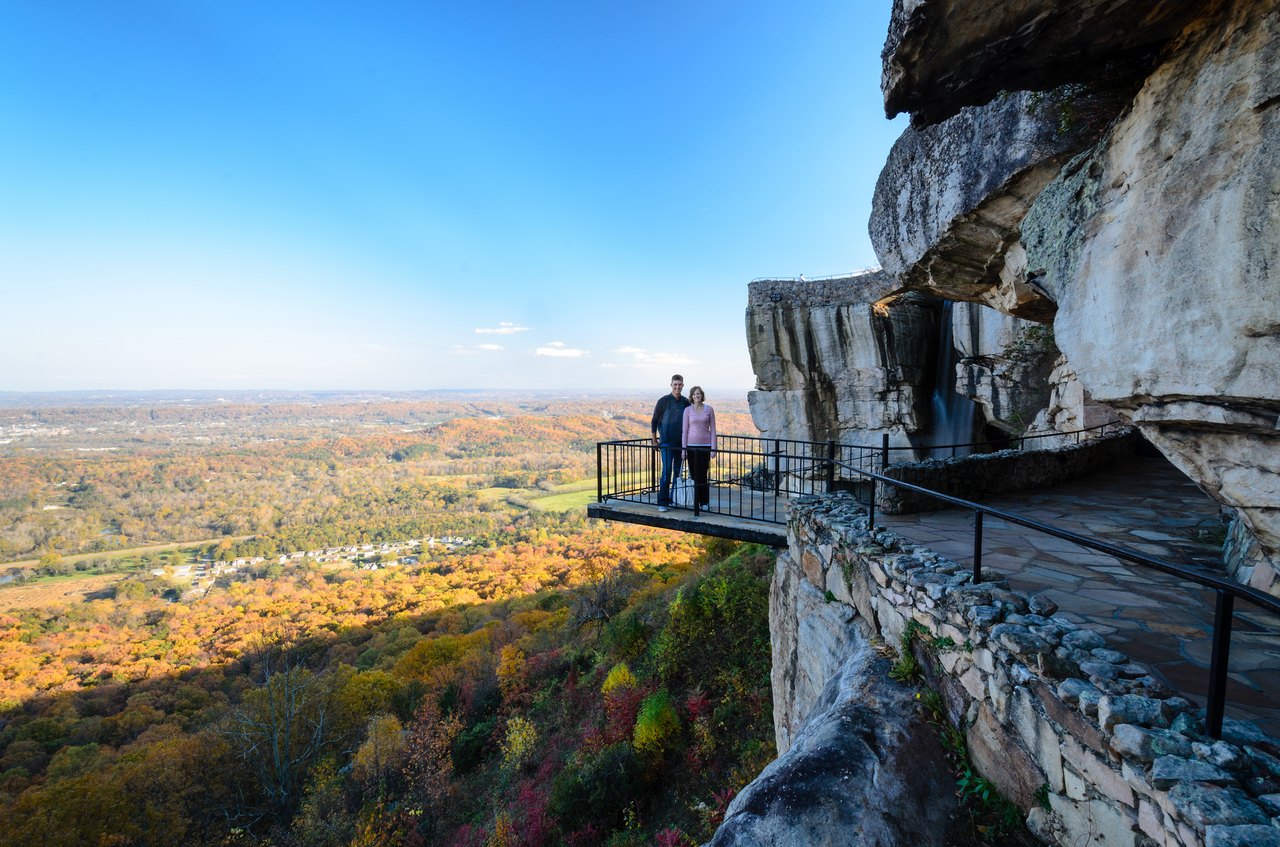
Tennessee is one of those rare states that genuinely has it all. In a single road trip, you can hike misty mountain ridges at sunrise, tour the birthplace of rock ‘n’ roll by afternoon, and end the night on a barstool listening to a Nashville songwriter pour their heart out onstage. Whether you’re drawn to the outdoors, music, history, or one-of-a-kind experiences, Tennessee delivers in ways that are hard to find anywhere else in the country.
From the eastern peaks of the Appalachians to the banks of the Mississippi River, tourist attractions in Tennessee span everything from world-class theme parks and legendary recording studios to underground lakes and Civil War battlefields. Here are 20 places that belong on every Tennessee travel list — and what makes each one worth your time.
1. Great Smoky Mountains National Park

No list of Tennessee sightseeing stops is complete without starting here. Great Smoky Mountains National Park welcomes more visitors than any other national park in the United States, and once you arrive, the reason becomes immediately clear. The park spans over 500,000 acres along the Tennessee–North Carolina border and offers more than 800 miles of trails, cascading waterfalls, and some of the richest biodiversity on the continent.
Spring brings blooming wildflowers and rising temperatures, while early June treats lucky visitors to a rare synchronized firefly display in the forests near Elkmont. Autumn turns the mountain slopes into sweeping shades of gold, orange, and red. Even winter has its appeal, with quieter trails and snow-dusted ridgelines.
Pro Tip: Clingmans Dome, the park’s highest point at 6,643 feet, offers a panoramic view that stretches for miles on clear days. Arrive early — the observation tower parking lot fills up fast during peak season.
Wildlife watching is a serious draw here, too. The park is home to black bears, white-tailed deer, wild turkeys, and elk, with roughly two black bears per square mile making sightings a genuine possibility on many trails.
2. Dollywood
Few theme parks in the world have the kind of warm, authentic personality that Dollywood brings to its 160-plus acres in Pigeon Forge. Named for Dolly Parton, who co-owns the park and has been deeply involved in shaping its identity since 1986, Dollywood blends thrilling roller coasters with genuine Appalachian culture in a way that sets it apart from generic amusement parks.
The park features more than 50 rides and attractions, from the award-winning wooden coaster Thunderhead to the world’s first wing coaster, Wild Eagle. Beyond the thrill rides, you’ll find live music showcasing country, bluegrass, and gospel, along with craftsmen demonstrating traditional mountain skills like glassblowing and blacksmithing.
| Experience | Highlights |
|---|---|
| Rides & Coasters | 50+ rides including Thunderhead, Wild Eagle, FireChaser Express |
| Entertainment | Live country, bluegrass, and gospel performances daily |
| Dining | Southern comfort food, including the famous Grist Mill cinnamon bread |
| Seasonal Festivals | Spring wildflower festival, Harvest Festival, Smoky Mountain Christmas |
Dollywood earned the Golden Ticket Award for Best Park in the World in 2023 and was named the number one theme park in the country by TripAdvisor in both 2022 and 2024. That kind of recognition doesn’t happen by accident.
Key Insight: The Dollywood Express — a 110-ton coal-fired steam engine that originally served the U.S. Army during World War II — takes guests on a five-mile scenic journey through the Smoky Mountain foothills. It’s one of the park’s most beloved and underrated experiences.
3. Graceland
Graceland isn’t just a tourist attraction — it’s a pilgrimage site. Elvis Presley’s Memphis estate draws fans from every corner of the world, and even if you weren’t raised on his music, the experience of walking through his home is a remarkably human one. Elvis lived at Graceland for 20 years until his death in 1977, and the property has been preserved as a window into his life, his tastes, and his era.
Tours take you through the living room, dining room, kitchen, and the famous Jungle Den, along with his collection of cars, aircraft, and stage costumes. The family tomb is also on the grounds. Beyond the mansion itself, the expanded Graceland campus includes multiple museums covering his film career, his gold and platinum records, and his broader cultural impact on American life.
Common Mistake: Many first-time visitors underestimate how much time they need here. Budget at least half a day, especially if you plan to visit multiple exhibits on the campus.
Graceland consistently ranks as Tennessee’s most-visited ticketed attraction, and its appeal has only grown over the decades. Book tickets in advance, particularly if you’re visiting during summer or around Elvis Week in August.
4. Country Music Hall of Fame and Museum
Nashville’s Country Music Hall of Fame and Museum is the definitive destination for understanding how country music became one of the most influential American art forms in history. Located in the heart of downtown Nashville, the museum holds one of the largest collections of music industry artifacts in the world.
You’ll find handwritten lyrics, stage costumes, vintage instruments, and rare recordings spanning the genre’s entire history — from its Appalachian roots to modern Nashville pop-country. The Hall of Fame rotunda, where inductees’ plaques are displayed, carries a reverence that music lovers of every genre will feel immediately.
Pro Tip: The museum offers guided tours to the historic RCA Studio B on Music Row, where Elvis Presley, Dolly Parton, and countless other legends recorded. It’s one of the best add-on experiences in Music City and sells out regularly.
Rotating exhibits keep the experience fresh even for repeat visitors, and the museum’s programming includes live performances and educational events throughout the year.
5. Ryman Auditorium
Before the Grand Ole Opry moved to its current home, the Ryman Auditorium was country music’s sacred stage. Built in 1892 as a gospel tabernacle, it became the home of the Grand Ole Opry from 1943 to 1974, hosting legends like Hank Williams, Patsy Cline, and Johnny Cash during country music’s most formative decades.
Today the Ryman operates as a concert venue and museum, and its acoustics remain legendary among performers and audiophiles alike. Self-guided daytime tours let you walk the stage, sit in the original church pews, and absorb decades of musical history. Evening concerts — which span country, rock, folk, and bluegrass — are among the most memorable live music experiences Nashville has to offer.
Key Insight: The building’s curved wooden pews and high ceilings create acoustics so natural and warm that many touring artists specifically request the Ryman when their schedules bring them to Nashville.
If you want to attend a concert, check the Ryman’s calendar well in advance. Shows sell out quickly, and smaller performances on the historic stage feel genuinely intimate.
6. Ruby Falls
Hidden inside Lookout Mountain on the edge of Chattanooga, Ruby Falls is one of the most dramatic natural attractions in the Southeast. It holds the distinction of being the tallest and deepest underground waterfall open to the public in the United States, dropping 145 feet inside a limestone cave more than 1,000 feet below the surface.
Guided tours wind through ancient geological formations that took millions of years to shape before arriving at the dramatic waterfall, which is illuminated with striking lights. The cave maintains a constant temperature of around 60°F year-round, making it a welcome escape during Tennessee’s hot summers.
Important Note: Tours fill up quickly, especially on weekends and during summer. Purchase tickets online in advance to secure your preferred time slot.
After the cave tour, head to the observation tower at the top of Lookout Mountain for sweeping views of the Tennessee Valley and the Cumberland Plateau stretching out below you.
7. Tennessee Aquarium
Chattanooga’s Tennessee Aquarium is widely considered one of the finest freshwater aquariums in the world, and its two-building layout makes it a full-day destination for families and nature enthusiasts. The River Journey building traces the path of water from the Appalachian highlands down to the Gulf of Mexico, while the Ocean Journey building explores saltwater ecosystems and marine life from the deep sea.
Together, the exhibits house thousands of animals across hundreds of species, from river otters and giant Pacific octopuses to sharks, jellyfish, and rare freshwater fish. The aquarium is also known for its serious conservation work and educational programming.
- River Journey Building: Freshwater habitats, Appalachian cove ecosystems, river otters, and birds of the forest
- Ocean Journey Building: Coral reefs, shark exhibits, jellies gallery, and deep-sea species
- Outdoor Features: Butterfly garden and River Gorge Explorer boat cruises on the Tennessee River
Arrive early to explore both buildings thoroughly and catch the daily animal encounter programs. The aquarium sits right in downtown Chattanooga, with restaurants and the scenic Walnut Street pedestrian bridge just steps away.
8. The Parthenon
Nashville’s Centennial Park is home to something genuinely unexpected: a full-scale, faithful replica of the Parthenon in Athens, Greece. Built originally in 1897 for Tennessee’s Centennial Exposition, The Parthenon was rebuilt in permanent materials in the 1920s and remains the only full-size replica of the ancient structure in the world.
Inside, the building functions as an art museum and houses a 42-foot-tall gilded statue of Athena — the tallest indoor sculpture in the Western Hemisphere. The building’s exterior is remarkably faithful to the original, crafted using detailed measurements and architectural studies to replicate the ancient Greek temple as closely as possible.
Pro Tip: Visit on a weekday morning for the quietest experience and the best light for photography on the exterior. The surrounding Centennial Park is one of Nashville’s most beautiful green spaces and ideal for a post-visit walk.
Admission is modest, making this one of Nashville’s best-value cultural attractions. It’s especially rewarding for history and architecture enthusiasts who want something beyond the music scene.
9. Beale Street
Beale Street is the soul of Memphis. This legendary stretch of clubs, restaurants, and live music venues is where the blues was born and where a young Elvis Presley first encountered the sounds that would change rock ‘n’ roll forever. Designated a National Historic Landmark, Beale Street remains one of the most vibrant nightlife corridors in the American South.
By day, you can explore the street’s history through its markers and museums. By night, it transforms into a river of music — blues, soul, and R&B pouring out of open club doors along several blocks of neon-lit energy. You can walk freely between venues, listen from the sidewalk, or settle into one spot for the evening.
Key Insight: W.C. Handy, widely known as the “Father of the Blues,” lived and performed in Memphis, and his home has been preserved as a museum just off Beale Street. It’s a small but genuinely moving stop for music history enthusiasts.
Whether you’re a dedicated blues fan or simply someone who loves live music in an atmospheric setting, a night on Beale Street is one of the most memorable things you can do in Tennessee.
10. Lookout Mountain
Rising above Chattanooga and straddling the Tennessee–Georgia border, Lookout Mountain is a natural landmark layered with history and outdoor adventure. The mountain was the site of the 1863 “Battle Above the Clouds” during the Civil War, and the views from its crest on a clear day stretch across seven states.
Getting to the top is an experience in itself. The Lookout Mountain Incline Railway — billed as America’s most amazing mile — carries passengers up a track inclined at up to 72.7 degrees in vintage trolley-style cars, making the ascent feel like an adventure before you’ve even arrived.
Once at the summit, you have several natural attractions to choose from:
- Rock City Gardens — Ancient rock formations, hanging bridges, and dramatic overlooks with panoramic seven-state views
- Ruby Falls — The 145-foot underground waterfall deep inside the mountain (see Section 6)
- Point Park — A Civil War battlefield and monument with sweeping views of Moccasin Bend and the Tennessee River below
Lookout Mountain is easy to combine with a day of Chattanooga exploration, and the varied attractions make it a strong choice for mixed groups of families, history buffs, and outdoor enthusiasts.
11. Jack Daniel’s Distillery
Nestled in the small town of Lynchburg, Jack Daniel’s Distillery is the oldest registered distillery in the United States and one of the most visited whiskey landmarks in the world. What makes the tour genuinely compelling is its setting: Lynchburg is a dry county, which means you can tour the distillery and learn exactly how the whiskey is made but can only purchase bottles to take home rather than ordering drinks at a local bar.
Guided tours walk you through the entire production process, from the cave spring that provides the distillery’s iron-free water to the charcoal mellowing that defines the Tennessee whiskey style. The campus includes several tour options, including tasting experiences for guests 21 and older that explore the range of Jack Daniel’s expressions.
Pro Tip: The distillery is about 65 miles south of Nashville, making it a natural day trip from Music City. Tours run daily (except major holidays) and fill up quickly on weekends, so book online in advance.
Even non-whiskey drinkers tend to leave with an appreciation for the craft — the history of Mr. Jack himself is fascinating, and the grounds in Lynchburg have a timeless, unhurried quality that feels a world away from Tennessee’s busier cities.
12. Cades Cove
Inside Great Smoky Mountains National Park, Cades Cove is one of the most visited and most beloved spots in the entire park system. This broad, flat valley is ringed by forested mountain ridges and peppered with 19th-century homesteads, barns, churches, and grist mills that have been preserved to show what pioneer life looked like in this remote Appalachian hollow.
The 11-mile Cades Cove Loop Road winds past these historic structures while providing some of the best wildlife viewing in the park. White-tailed deer are a near-certainty in the open meadows, and black bear sightings are common, particularly in the early morning and at dusk.
Important Note: The loop road is open to motor vehicles most days, but Wednesday and Saturday mornings until 10 a.m. are reserved for cyclists and hikers only — a beautiful and quiet way to experience the cove without traffic.
Plan your visit for early morning or late afternoon for the best wildlife activity and the softest light on the historic structures. The Cades Cove Visitor Center provides context on the people who farmed and built families in this valley before the national park was established.
13. The Lost Sea Adventure
Tucked beneath the rolling hills of Sweetwater in East Tennessee, The Lost Sea Adventure offers one of the most genuinely surprising experiences in the state. The attraction centers on a guided tour through Craighead Caverns — a historic cave system with a fascinating story — that culminates in a glass-bottom boat ride on America’s largest underground lake.
The cave maintains a steady temperature of 58°F year-round, making it a cool retreat in summer and a warm escape in winter. The three-quarter-mile guided walk winds through remarkable geological formations before opening into the vast underground lake, which covers over four acres and sits in a cavern cathedral-like in scale.
The cave has a long and varied history — it served as a Civil War storage depot, a dance hall during Prohibition, and a spot for growing vegetables for a local hotel before its current life as a tourist attraction.
Key Insight: The lake was listed in the Guinness Book of World Records as the largest underground lake in the United States. Despite its size, the lake was only discovered in its full extent in 1905.
The Lost Sea Adventure is about 60 miles from both Knoxville and Chattanooga, making it an easy addition to an East Tennessee itinerary.
14. Memphis Zoo
The Memphis Zoo consistently ranks among the top zoos in the United States and is one of the most beloved day-trip destinations in West Tennessee. Located in Overton Park, the zoo is home to more than 3,500 animals representing nearly 500 species, from African elephants and giant pandas to sea lions and polar bears.
The zoo’s Northwest Passage is a particularly well-designed habitat experience, offering underwater viewing windows where polar bears and sea lions can be watched swimming just inches from the glass. The Animals of the Night exhibit is a family favorite, letting you observe nocturnal species in their most active state without ever needing to be out after dark.
- Top Exhibits: Northwest Passage, Animals of the Night, Primate Canyon, Teton Trek
- Best for: Families with children, wildlife photography, full-day visits
- Location: Overton Park, midtown Memphis — easy to pair with a visit to the park’s trails and green spaces
Pro Tip: Purchase tickets online before you arrive. The Memphis Zoo participates in several reciprocal zoo admission programs, so check whether your home zoo membership qualifies for discounted or free entry.
15. Nashville’s Honky-Tonks
No Tennessee travel list is complete without time spent in Nashville’s honky-tonk district. Lower Broadway — known locally as the Honky Tonk Highway — is a stretch of neon-lit bars extending from Fifth Avenue toward the Cumberland River, each one packed with live country music from early afternoon until well past midnight.
What makes the honky-tonk experience in Nashville genuinely special is its accessibility. Most venues don’t charge a cover, allowing you to drift from one room to the next listening to aspiring artists and road-worn professionals share a stage and a set of songs. Legends like Tootsie’s Orchid Lounge and Robert’s Western World have been fixtures of this strip for decades.
Pro Tip: The honky-tonks are busiest Thursday through Saturday nights, but weekday afternoons offer the same music in a quieter, more relaxed atmosphere — sometimes with better sight lines and easier conversation with fellow travelers.
Beyond Lower Broadway, Nashville’s live music scene extends into neighborhoods like 12 South, East Nashville, and Germantown, where intimate venues host singer-songwriter nights, Americana sets, and emerging acts in settings far removed from the downtown crowds.
16. Andrew Jackson’s Hermitage
Located just east of Nashville, Andrew Jackson’s Hermitage offers one of the most complete and well-preserved presidential estate experiences in the country. The 7th President of the United States lived here from 1804 until his death in 1845, and the property — now a National Historic Landmark — preserves his mansion, gardens, family tomb, and the original cabins of the people who lived and worked the land.
The mansion tour gives a nuanced portrait of Jackson’s era, covering both his legacy as a president and military commander and the complex history of the plantation he built. The site’s interpretation of enslaved life on the property is thoughtful and historically grounded, making the Hermitage one of Tennessee’s most substantive historical destinations.
| What You’ll See | Details |
|---|---|
| The Mansion | Fully restored with original furnishings from Jackson’s era |
| Gardens | Designed by Jackson himself, with his tomb at the center |
| Slave Cabins | Interpreted to tell the stories of the enslaved people who lived there |
| Museum & Film | Introduction to Jackson’s political career and personal life |
The Hermitage is about 15 minutes from downtown Nashville and makes a strong half-day excursion, especially when paired with other Nashville sightseeing.
17. Ober Gatlinburg
Perched above the resort town of Gatlinburg, Ober Gatlinburg is a mountain attraction that shifts its offerings with the seasons. In winter, it operates as Tennessee’s only ski resort, with slopes, snow tubing, and ice skating. The rest of the year, it functions as an adventure park offering aerial tramway rides, wildlife encounters, a mountain coaster, water rides, and panoramic views of the Smokies.
The aerial tramway from downtown Gatlinburg up to the mountaintop is itself one of the best vantage points in the area, offering sweeping views of the surrounding peaks and valleys that are hard to beat even on slightly hazy days.
Key Insight: The wildlife encounter area at Ober Gatlinburg houses native Appalachian species including black bears, river otters, and white-tailed deer in spacious naturalistic habitats — a great complement to wildlife spotting in the adjacent national park.
Ober Gatlinburg is an especially strong choice for families with younger children, who may find the national park trails challenging but will thrive with the park’s mix of gentle rides, animal encounters, and mountain views.
18. Tennessee Riverwalk
Chattanooga’s Tennessee Riverwalk stretches for roughly 13 miles along the banks of the Tennessee River, making it one of the longest urban waterfront walking and cycling paths in the Southeast. The paved trail connects major attractions, parks, neighborhoods, and green spaces along both banks of the river, offering one of the best free experiences in the city.
The Riverwalk passes beneath the iconic Walnut Street Bridge — a Victorian-era pedestrian bridge that is one of the longest of its kind in the world — and connects to the Tennessee Aquarium, Coolidge Park, and several riverside restaurants and cafes. On weekends, the path fills with joggers, cyclists, families pushing strollers, and visitors taking in the river views and the mountain backdrop that Chattanooga is rightly proud of.
- Distance: Approximately 13 miles of connected trail
- Highlights Along the Path: Walnut Street Bridge, Coolidge Park carousel, Tennessee Aquarium, Hunter Museum of American Art overlook
- Best for: Walking, cycling, inline skating, casual sightseeing with no admission fee
Pro Tip: Coolidge Park, accessible from the north end of the Walnut Street Bridge, has a restored antique carousel, open green lawns, and a splash pad for kids — making it a natural stop on any Riverwalk outing.
19. Shiloh National Military Park
For visitors with a serious interest in Civil War history, Shiloh National Military Park is one of the most significant and sobering destinations in Tennessee. Located in Hardin County in the southwestern corner of the state, Shiloh was the site of a two-day battle in April 1862 that resulted in nearly 24,000 casualties, making it one of the deadliest early engagements of the war.
The park preserves the battlefield largely as it appeared during the fighting, with marked positions, artillery plaques, and more than 150 monuments spread across the rolling terrain. The Shiloh National Cemetery on the grounds contains the graves of Union soldiers who fell during the battle.
The visitor center offers a film and museum exhibits that place the battle in its strategic context, explaining how the Union’s hard-fought victory at Shiloh opened the door to the Mississippi River campaign. Ranger-led programs bring the human stories of the battle to life in a way that maps and markers alone cannot.
Important Note: Shiloh is about two hours from Memphis and two and a half hours from Nashville. Plan it as a dedicated day trip rather than a quick stop — the battlefield is large, and the experience rewards a slow, reflective pace.
20. Sun Studio
Every music lover who passes through Memphis owes a visit to Sun Studio , the small recording studio at 706 Union Avenue where rock ‘n’ roll was effectively born. Sam Phillips opened Sun Studio in 1950 with the mission of recording blues and country musicians of the region, and what followed was one of the most consequential runs in music history.
Elvis Presley, Johnny Cash, Jerry Lee Lewis, Roy Orbison, and Carl Perkins all recorded at Sun Studio in its early years. The studio’s raw, reverb-soaked sound shaped not only the recordings made within its walls but the sonic direction of popular music for generations to come.
Hourly tours take you inside the original recording room, which is still fully operational as a working studio. You can stand at the same microphone Elvis Presley first used to record, touch the original equipment, and hear the stories of the sessions that produced some of the most iconic tracks in American music history.
Key Insight: Sun Studio tours are limited in size and sell out regularly. Book your tickets online before you arrive, especially if your visit falls on a weekend or during the busy summer season.
Sun Studio pairs naturally with Graceland and Beale Street for a full day of Memphis music history, and the studio’s small gift shop is stocked with historically minded souvenirs worth browsing.
Making the Most of Your Tennessee Vacation
Tennessee rewards the kind of traveler willing to go a little deeper. The state’s tourist attractions span an enormous range — from the wilderness of the Smokies and the underground wonder of the Lost Sea to the neon glow of Lower Broadway and the quiet reverence of Sun Studio. You can build an itinerary around music, history, nature, family-friendly thrills, or some combination of all four, and Tennessee will rise to meet you at every turn.
A few practical tips before you go: book tickets in advance for popular spots like Dollywood, Sun Studio, and Graceland, as they sell out regularly during peak travel months. If you’re road-tripping across the state, East Tennessee’s mountain attractions cluster naturally together, as do Nashville’s music landmarks and Memphis’s cultural icons — giving you a natural three-region framework for planning your stops.
Whether you’re making your first visit to the Volunteer State or returning to fill in the gaps from a previous trip, these 20 Tennessee vacation spots give you a genuine cross-section of everything that makes this state one of the most dynamic and rewarding destinations in the American South.

Jay Ekokotu is an Early Childhood Educator, Freelance Writer, Songwriter, Record Producer, and Hairstylist. When he's not behind his laptop writing or mixing a track, he's out hairstyling.