Tourist Attractions in Montana: National Parks, History Sites, and Hidden Gems

March 11, 2026
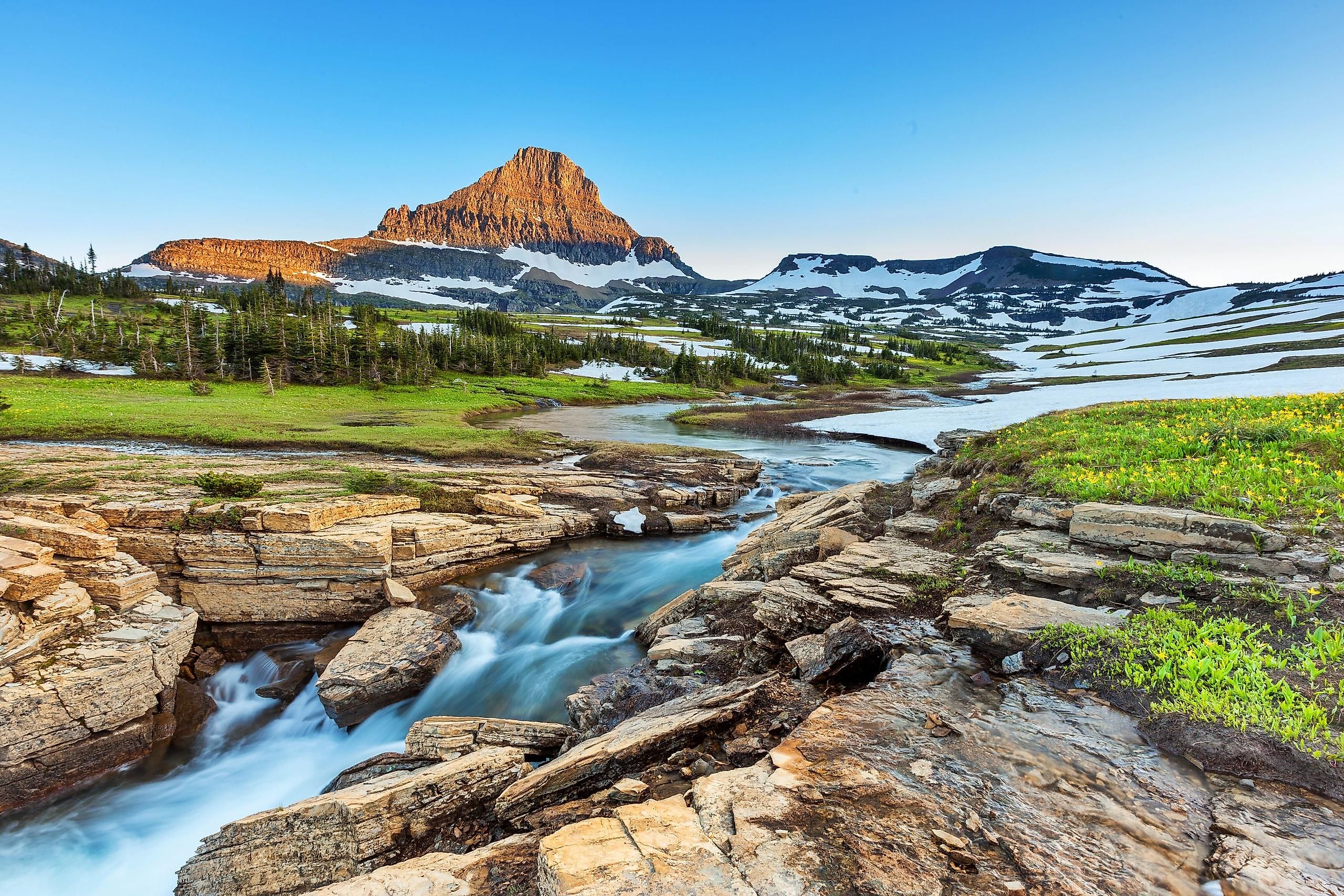
Montana has a way of making you feel like you have stepped into a different world entirely. You have got national parks where grizzlies roam alongside turquoise glacier lakes, highways that crest nearly 11,000 feet above sea level, battlefields that shaped American history, and small cities buzzing with craft breweries and dinosaur museums.
Within the first hour of any road trip through Big Sky Country, it becomes obvious why travelers keep returning. Whether this is your first visit or your fifth, these 30 tourist attractions in Montana cover the full range of what this remarkable state delivers — from its wildest corners to its most storied streets.
1. Glacier National Park
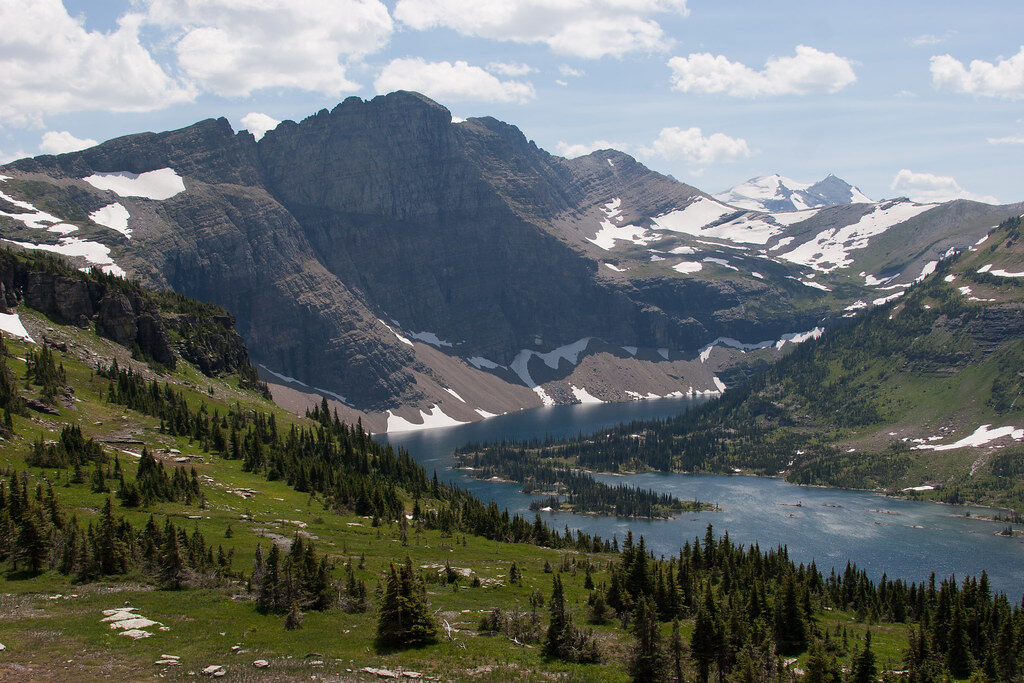
Few places on earth match what Glacier National Park offers. Spanning over one million acres in northwestern Montana, the park protects a breathtaking landscape of carved valleys, alpine meadows, pristine lakes, and active glaciers. More than 700 miles of trails thread through the park, ranging from wheelchair-accessible boardwalks to rugged multi-day backcountry routes.
For hikers, the Grinnell Glacier Trail stands out as one of the best in the park — and arguably in the entire country. The route delivers waterfalls, emerald lakes, a glacier at the terminus, and excellent wildlife-spotting opportunities along the way. The Avalanche Lake Trail (rated 4.8 stars by tens of thousands of AllTrails users) and the Highline Trail are equally beloved. Families will appreciate the easy Trail of the Cedars, which winds through towering western red cedars and hemlocks on a flat boardwalk.
Pro Tip: Book your lodging six to twelve months in advance, especially if you want to stay inside the park. Vehicle reservations for Going-to-the-Sun Road sell out months ahead — check availability early.
Wildlife is abundant throughout the park, with mountain goats, bighorn sheep, moose, grizzly bears, and bald eagles regularly spotted by visitors. Ranger-led hikes and evening stargazing programs called “Half the Park Happens After Dark” run throughout the summer season on both the west and east sides of the park, and most are free.
2. Yellowstone National Park (Northern Entrance)
Most visitors associate Yellowstone with Wyoming, but Montana lays claim to the park’s northern entrance through the town of Gardiner. This gateway gives you direct access to Mammoth Hot Springs — the only area of the park open year-round — and to the famous Lamar Valley, often called “America’s Serengeti” for its extraordinary wildlife density.
The northern route is considerably less crowded than the south and west entrances, which makes it an ideal way to experience Yellowstone if you want room to breathe and easier parking. From Gardiner, you are also within easy driving distance of the park’s iconic Grand Canyon and the Norris Geyser Basin.
Key Insight: If wolf or bison watching is on your agenda, the northern section of Yellowstone — accessible through Montana — is your best bet. Dawn and dusk in Lamar Valley frequently deliver jaw-dropping wildlife sightings.
3. Little Bighorn Battlefield National Monument
On June 25 and 26, 1876, two cultures met in violent conflict on the rolling hills of southeastern Montana. The Battle of the Little Bighorn — also known as Custer’s Last Stand — ended with Lt. Colonel George Armstrong Custer and more than 260 U.S. Army soldiers dead, defeated by a coalition of Lakota Sioux, Northern Cheyenne, and Arapaho warriors defending their way of life.
Today, the Little Bighorn Battlefield National Monument near Crow Agency preserves the site where that battle unfolded. White marble headstones mark where soldiers fell across the grassy hillsides, while a newer Indian Memorial, dedicated in 2003, honors the Native warriors who fought and died here. Ranger-led tours and well-designed interpretive exhibits present the battle from multiple perspectives — a powerful experience for history lovers at any age.
4. Beartooth Highway
Charles Kuralt once called the Beartooth Highway “the most beautiful drive in America,” and very few who have traveled it would argue. This 68-mile stretch of U.S. Highway 212 runs from Red Lodge, Montana, to Cooke City, where it meets the northeast entrance of Yellowstone National Park. Along the way, the road climbs to Beartooth Pass at nearly 11,000 feet, winding through alpine tundra, past glacial lakes, and across ecosystems that shift dramatically as you gain elevation.
Mountain goats, bighorn sheep, elk, and even the occasional grizzly bear are spotted along the route regularly. Dozens of scenic pull-offs invite you to stop, breathe the thin air, and take it all in. The highway is typically open from late May through mid-October; snow and ice make it impassable the rest of the year, so plan your timing carefully.
| Feature | Details |
|---|---|
| Length | ~68 miles |
| Peak Elevation | ~10,947 ft at Beartooth Pass |
| Season | Late May to Mid-October |
| Eastern Terminus | Red Lodge, MT |
| Western Terminus | Cooke City, MT / Yellowstone NE Entrance |
5. Going-to-the-Sun Road
Inside Glacier National Park, Going-to-the-Sun Road earns a spot all its own. This 50-mile engineering marvel crosses the Continental Divide at Logan Pass (6,646 feet), and the drive alone — even without stepping out of your car — ranks among the most scenic in North America. Plan for four to six hours if you want to stop at viewpoints and tackle even a short hike.
Logan Pass is the crown of the road, offering meadows full of wildflowers, commanding mountain panoramas, and reliable mountain goat sightings near the Hidden Lake trailhead. The park shuttle system runs in season and drops visitors at major trailheads, which is especially helpful given how quickly the Logan Pass parking lot fills up on summer mornings.
Important Note: Vehicles over a certain length and width are prohibited on portions of Going-to-the-Sun Road. Check current NPS regulations before your trip if you are driving an RV or towing a trailer.
6. Waterton-Glacier International Peace Park
When you combine Glacier National Park with Canada’s Waterton Lakes National Park just across the border, you get something truly unique — the world’s first International Peace Park, designated in 1932 to celebrate the peaceful relationship between the United States and Canada. Together, the two parks cover millions of acres of wilderness and share a wildlife corridor that bison, wolves, grizzlies, and other large mammals freely traverse.
Visitors can cross into Waterton, Alberta, for a completely different experience: dramatic fjord-like scenery, the iconic Prince of Wales Hotel perched on a ridge above Waterton Lake, and boat tours that carry passengers through the park. The international crossing requires a valid passport, and seasonal hours for the border crossing should be confirmed before your visit.
7. Lewis and Clark Caverns State Park
Tucked into the Jefferson River canyon in southwestern Montana, Lewis and Clark Caverns State Park protects one of the most impressive limestone cave systems in the northwestern United States. Guided tours wind through cathedral-sized chambers filled with stalactites, stalagmites, and helictites — strange, twisting formations that seem to defy gravity.
The park is named in honor of Meriwether Lewis and William Clark, whose Corps of Discovery passed through this region in the early 1800s. Two tour options are available: the Classic Tour, which follows a mile-long path through the main caverns, and the Paradise Tour, a longer adventure that goes deeper into the cave system. Above ground, hiking trails connect scenic overlooks along the Jefferson River Valley.
8. Bighorn Canyon National Recreation Area
Straddling the Montana-Wyoming border, Bighorn Canyon National Recreation Area is one of the West’s great underrated road trip stops. The Bighorn River was impounded by Yellowtail Dam to create Bighorn Lake, a 71-mile reservoir that cuts through narrow canyon walls rising more than 1,000 feet above the water. The result is a stunning landscape that rewards exploration by boat, kayak, or simply from the rim overlooks.
Wild horses — descendants of animals released or escaped from ranches generations ago — still roam the Pryor Mountain Wild Horse Range adjacent to the recreation area. The canyon also holds significant cultural importance to the Crow (Apsaalooke) Nation, whose ancestral homeland surrounds this entire region.
9. Missouri River
The Missouri River — the longest river in North America — begins at the confluence of the Jefferson, Madison, and Gallatin rivers near Three Forks, Montana, and flows nearly 2,300 miles to its meeting with the Mississippi. For travelers, it represents a living piece of American exploration history: Lewis and Clark followed the Missouri upstream through Montana in 1804 and 1805, and the journals they kept describe the landscape in remarkable detail.
Today you can float, fish, and kayak stretches of the upper Missouri in the Upper Missouri River Breaks National Monument, where white sandstone formations and ancient wildlife corridors remain largely unchanged from what the Corps of Discovery observed. Giant Springs State Park in Great Falls also sits along the Missouri and offers a tranquil spot to explore one of the largest freshwater springs in the country.
10. Flathead Lake
At over 200 square miles, Flathead Lake is the largest natural freshwater lake west of the Mississippi River — and one of the most beautiful in the entire country. Ringed by the Mission Mountains to the east and the Cabinet Mountains to the west, the lake’s water is so clear you can see 80 feet to the bottom in some spots.
The charming towns of Polson, Bigfork, and Somers line the shores, each offering local breweries, galleries, and farmers’ markets. Cherry orchards thrive in the microclimate around the lake, and in July you can pick your own fruit directly from the trees along the lake road. Boat rentals, kayaking, sailing, and fishing are all popular on the lake, and a paddle out to Wild Horse Island — where bighorn sheep and the occasional wild horse still roam — makes for a truly memorable day on the water.
Pro Tip: Visit in late July for peak cherry season. The roadside fruit stands around Flathead Lake sell some of the sweetest cherries you will ever taste.
11. Missoula
Missoula sits at the convergence of five river valleys and five mountain ranges in western Montana, which tells you something important: getting outside is baked into the city’s identity. The Clark Fork River, made famous by Norman Maclean’s novella A River Runs Through It, runs right through downtown, drawing fly fishers and kayakers in warm weather. You can hike up Mount Sentinel in about 45 minutes from the university campus for a panoramic view of the entire valley.
Downtown Missoula rewards unhurried exploration. The Missoula Art Museum offers rotating contemporary exhibits in a beautifully renovated Carnegie Library building. The historic Wilma Theater books live music and events year-round. The craft brewery scene is serious — KettleHouse Brewing and Bayern Brewing (Montana’s oldest brewery) are perennial favorites. The Missoula Farmers Market, running Saturday mornings through summer, rounds out the city’s appeal beautifully.
12. Bozeman
Montana’s fastest-growing city wears its dual identity proudly: a university town with a lively dining and arts scene that also happens to sit on the doorstep of some of the best outdoor terrain in the Rockies. Yellowstone National Park is about 90 miles south, Big Sky Resort is an hour away, and the Gallatin River — another world-class fly-fishing destination — runs through Gallatin Canyon just outside town.
Downtown Bozeman’s Main Street is lined with independent shops, excellent restaurants, and bars that fill up after ski days and summer hikes alike. The Museum of the Rockies (covered below) anchors the cultural side of things, but the city’s growing food scene, multiple craft breweries, and proximity to world-class mountains make it one of the most compelling bases for a Montana road trip.
13. Helena (State Capital)
Montana’s state capital surprises first-time visitors. Rather than a purely administrative hub, Helena is a walkable, historically rich city that grew from a gold rush camp called Last Chance Gulch — which is now the name of its brick-paved pedestrian mall downtown. The state capitol building, with its distinctive copper dome visible from miles away, is worth a tour to see the murals painted by Charles M. Russell inside.
The Cathedral of Saint Helena, modeled after the famous Votive Church in Vienna, Austria, adds a striking architectural note to the skyline. Just north of downtown, Gates of the Mountains — a dramatic limestone canyon on the Missouri River named by Meriwether Lewis himself — offers scenic boat tours through scenery that has barely changed since the Corps of Discovery passed through in 1805.
14. Butte Historic District
Butte’s story is unlike any other city in Montana. Once known as “the Richest Hill on Earth,” this gritty, defiant copper mining town produced enormous wealth in the late 1800s and early 1900s, attracting waves of immigrants from Ireland, Cornwall, China, and across Eastern Europe. Their legacy is visible in the city’s Victorian architecture, ethnic neighborhoods, and deeply held working-class pride.
The Butte Historic District covers much of the old city and includes landmarks like the Copper King Mansion, the original ornate city hall, and the haunting Berkeley Pit — a former open-pit copper mine now filled with acidic water that has paradoxically become a site of scientific study and an unexpected stop on the tourist circuit. Walking tours of the historic district bring the city’s rowdy, fascinating past vividly to life.
15. Museum of the Rockies (Bozeman)
If you have any interest in paleontology — or kids who are obsessed with dinosaurs — the Museum of the Rockies belongs near the top of your Montana list. The museum houses one of the largest and most significant dinosaur fossil collections in the world, including the largest Tyrannosaurus rex skull ever discovered.
Much of the collection comes from the work of paleontologist Jack Horner, whose research in Montana’s badlands revealed groundbreaking insights into dinosaur behavior and growth. Beyond the paleontology exhibits, the museum also explores the human and geological history of the Northern Rockies with rotating and permanent displays that appeal to a wide range of visitors. Plan at least two to three hours here — it consistently exceeds expectations.
16. Montana Historical Society Museum
Located in Helena across from the state capitol, the Montana Historical Society Museum is the best single-stop introduction to the state’s rich and layered history. The museum’s permanent collection includes an exceptional gallery dedicated to artist Charles M. Russell — widely considered the greatest Western American painter — with original oil paintings, watercolors, and bronze sculptures that capture frontier Montana with remarkable intimacy.
The Montana Homeland exhibit traces the history of the state’s Indigenous peoples, fur traders, miners, and ranchers from prehistoric times through the 20th century. Photography archives, historical artifacts, and rotating exhibits round out a museum that takes its storytelling seriously.
17. Grizzly and Wolf Discovery Center
Just outside the west entrance of Yellowstone National Park in West Yellowstone, the Grizzly and Wolf Discovery Center gives you a guaranteed, up-close look at two of Montana’s most iconic predators. The center is a nonprofit wildlife park — not a typical zoo — and serves as a permanent home for grizzly bears and gray wolves that were orphaned or deemed unable to survive in the wild.
Watching the grizzlies interact, forage, and play in spacious habitats is genuinely captivating, and the center’s educational programming provides real context for understanding the ecological role these animals play across the Greater Yellowstone Ecosystem. Birds of prey are also part of the wildlife population here, making this a worthwhile visit regardless of your age.
18. National Bison Range
The National Bison Range near Moiese in the Mission Valley is one of the oldest wildlife refuges in the United States, established in 1908 to protect a species that had been hunted nearly to extinction. Today, a herd of 200 to 500 American bison (Bison bison) roams the refuge’s 18,500 acres of native grassland beneath the dramatic backdrop of the Mission Mountains.
A 19-mile auto tour loops through the refuge and offers excellent opportunities to observe bison at close range, along with pronghorn, white-tailed deer, elk, and various raptors. Early morning and late afternoon visits are best for wildlife activity. The refuge is managed cooperatively with the Confederated Salish and Kootenai Tribes, who have deep ancestral ties to the bison that once roamed this valley in the millions.
19. Makoshika State Park
In the badlands of eastern Montana near Glendive, Makoshika State Park (pronounced “ma-KO-sh-kuh,” from the Lakota phrase for “bad land”) is Montana’s largest state park and one of its most otherworldly. The landscape here — hoodoos, deep eroded canyons, and jutting spires of sandstone — looks more like southern Utah than what most people picture when they think of Montana.
The geology is extraordinary. The park sits within the Hell Creek Formation, and over ten different dinosaur species have been unearthed here, including a complete Triceratops horridus skull and remains of Tyrannosaurus rex. The visitor center at the park entrance displays these fossils alongside interpretive exhibits about the K-T boundary — the geological line marking the end of the Cretaceous period 65.5 million years ago. Hiking, disc golf, camping in a yurt, and an outdoor amphitheater for summer events round out the experience.
20. Medicine Rocks State Park
Hidden in the remote prairie of southeastern Montana near Ekalaka, Medicine Rocks State Park feels like stepping into a landscape from another time. Erosion has carved the sandstone bedrock here into bizarre, beautiful shapes — hoodoos, pillars, arches, and pocked formations that seem almost deliberately sculpted. The park’s name comes from its sacred status among Plains Indian tribes, who considered these striking rocks to be a place of spiritual power.
Theodore Roosevelt visited the area in the 1880s during his ranching days in the Dakotas and described the formations as eerily captivating. Today the park remains blissfully uncrowded, making it an excellent stop for travelers who want to experience the strange beauty of eastern Montana without sharing it with busloads of tourists. Bring your camera — the light at golden hour is extraordinary.
21. Pompeys Pillar National Monument
Rising 150 feet above the Yellowstone River Valley east of Billings, Pompeys Pillar National Monument preserves one of the most tangible links to the Lewis and Clark Expedition. On July 25, 1806, Captain William Clark carved his name and the date into the sandstone face of this prominent butte — and that signature, protected behind glass today, is the only remaining physical evidence of the expedition’s journey still visible on the landscape.
Interpretive exhibits at the visitor center bring the Corps of Discovery’s mission to life, and a boardwalk trail climbs to the summit of the pillar for a sweeping 360-degree view of the Yellowstone River valley. A ranger program about the resident yellow-bellied marmots (Marmota flaviventris) adds an entertaining educational bonus for visitors who linger long enough.
22. Pictograph Cave State Park
Just outside Billings, Pictograph Cave State Park protects a 23-acre site where three caves — Pictograph, Middle, and Ghost — were home to generations of prehistoric hunters for thousands of years. The rock paintings, known as pictographs, that give the site its name depict animals, human figures, and abstract designs created by Indigenous people who sheltered here as far back as 2,000 years ago.
A paved loop trail leads to the main caves, with interpretive signs explaining the significance of each panel of artwork. Some of the images have faded with time, but the site’s overall atmosphere — cliffs rising around you, the smell of sage in the air, the sense of deep human history embedded in the rock — makes it well worth the short drive from Billings.
23. Red Rock Lakes National Wildlife Refuge
In the remote Centennial Valley of southwestern Montana, Red Rock Lakes National Wildlife Refuge was established in 1935 to protect the last surviving population of trumpeter swans (Cygnus buccinator) in the lower 48 states. At the time, fewer than 100 individuals remained. The refuge’s conservation work has helped the species recover significantly, and today you can watch these enormous, elegant birds — with wingspans reaching eight feet — from the refuge’s public viewing areas.
The drive into the refuge is itself an adventure, following a rutted gravel road through one of the least-visited corners of Montana. The reward is a vast, wild wetland complex surrounded by the Centennial Mountains, where moose, sandhill cranes, river otters, and an impressive diversity of waterfowl share the landscape with the swans.
24. Bob Marshall Wilderness Complex
For serious backcountry travelers, the Bob Marshall Wilderness Complex represents the pinnacle of Montana’s wild places. Commonly called “the Bob,” this sprawling roadless area covers over 1.5 million acres of the Northern Rocky Mountains, making it one of the largest wilderness complexes in the contiguous United States. No motorized vehicles are permitted — the only ways in are on foot or on horseback.
The Continental Divide threads through the heart of the Bob, and the Chinese Wall — a dramatic 1,000-foot limestone escarpment stretching 22 miles — is the area’s defining geological feature. Grizzly bears, wolves, mountain lions, elk, and mountain goats thrive here in conditions that resemble what explorers encountered two centuries ago. Multi-day horse packing trips into the Bob are a Montana bucket-list experience.
25. Whitefish Mountain Resort
About 25 miles north of Glacier National Park, Whitefish Mountain Resort is Montana’s premier ski destination and one of the best mountain resorts in the Pacific Northwest. The resort’s terrain spans more than 3,000 acres with 105 named trails, a vertical drop of over 2,300 feet, and consistent, dry powder snow that skiers and snowboarders travel from across the country to experience.
When the snow melts, Whitefish doesn’t slow down. Summer brings mountain biking on miles of purpose-built singletrack, ziplining through old-growth forest, scenic gondola rides to the summit, and hiking with Glacier Park views in every direction. The town of Whitefish at the base of the mountain adds a genuinely charming small-city atmosphere with independent restaurants, craft breweries, and a lakefront park that rewards a slow afternoon walk.
26. Big Sky Resort
Anchored by Lone Mountain — which tops out at 11,166 feet — Big Sky Resort about an hour south of Bozeman consistently ranks among the top ski resorts in North America. The resort’s defining characteristic is space: with more than 5,800 acres of skiable terrain and a relatively smaller visitor base than comparable resorts in Colorado or Utah, the “biggest skiing in America” tagline holds up on most winter days.
Beyond the mountain stats, Big Sky has grown into a genuine four-season destination. Summer trail running and hiking on Lone Mountain, mountain biking in the surrounding Gallatin National Forest, white-water rafting on the Gallatin River, and fly fishing on blue-ribbon trout streams make Big Sky a compelling choice year-round. The resort village has also matured considerably, with quality dining and lodging options that make extended stays easy.
27. Lolo Pass
On the border between Montana and Idaho, Lolo Pass carries deep historical resonance as a crossing point used by the Nez Perce people for centuries before Lewis and Clark and their Corps of Discovery struggled through here in September 1805. The pass sits at 5,235 feet on U.S. Highway 12, which follows the Lochsa and Clearwater rivers into Idaho.
The visitor center at the pass has exhibits on the area’s cultural and natural history, and the Lolo Trail — a historic route paralleling the highway — offers hiking and mountain biking through old-growth forest. In winter, Lolo Pass is a popular snowmobiling and cross-country skiing destination. The drive along the Lochsa River on the Idaho side is one of the most scenic in the Northwest and pairs naturally with any Montana road trip that starts or ends in Missoula.
28. Giant Springs State Park
In Great Falls along the banks of the Missouri River, Giant Springs State Park sits atop one of the largest freshwater springs in the United States. The springs discharge an estimated 156 million gallons of water per day into the river, emerging at a constant temperature of about 54 degrees Fahrenheit regardless of the season. Meriwether Lewis first described the springs in his journal on June 18, 1805, expressing clear amazement at the volume and clarity of the water.
The park connects to the River’s Edge Trail, a paved multi-use path that follows the Missouri through Great Falls and links to the city’s other river attractions, including the Lewis and Clark National Historic Trail Interpretive Center — an excellent museum just a short drive from the park that makes Giant Springs an easy half-day stop.
29. Fort Peck Dam and Reservoir
Fort Peck Dam, completed in 1940, is one of the largest earthen dams in the world — and the reservoir it created, Fort Peck Lake, is equally massive, with over 1,500 miles of shoreline. The dam and its construction are a significant chapter in Montana’s Depression-era history; at its peak, more than 10,000 workers lived in the surrounding boomtown, and the Fort Peck Theatre — an Art Deco gem built in 1938 — still hosts summer theatrical productions today.
Fort Peck Lake sits within the Charles M. Russell National Wildlife Refuge, one of the largest wildlife refuges in the lower 48 states. Walleye and northern pike fishing draw anglers from across the region, while the surrounding prairie and badlands offer exceptional wildlife watching and photography opportunities in true solitude.
30. Anaconda Smelter Stack State Park
The Anaconda Smelter Stack is the tallest masonry structure in the world — rising 585 feet above the western Montana landscape near the historic smelting city of Anaconda. It’s a monument to the copper industry that once made Montana one of the wealthiest states in the union, built in 1918 to process ore from Butte’s massive mines.
You can’t climb the stack, but the state park surrounding it offers interpretive exhibits explaining the region’s industrial past and the pivotal role copper played in shaping Montana’s identity. The city of Anaconda itself, with its well-preserved downtown architecture and proximity to excellent skiing at Discovery Ski Area, makes for a worthy stop on any road trip through the state’s copper belt.
Montana rewards travelers who are willing to cover ground. The distances between these 30 tourist attractions in Montana are real — a road trip from Glacier to Makoshika State Park covers nearly 600 miles — but the drive itself is half the point in Big Sky Country. Whether you are working your way along the Going-to-the-Sun Road, standing quietly at Little Bighorn Battlefield, or watching trumpeter swans lift off from Red Rock Lakes at dawn, Montana has a way of delivering exactly the kind of travel experience that makes you start planning your return before you have even left.