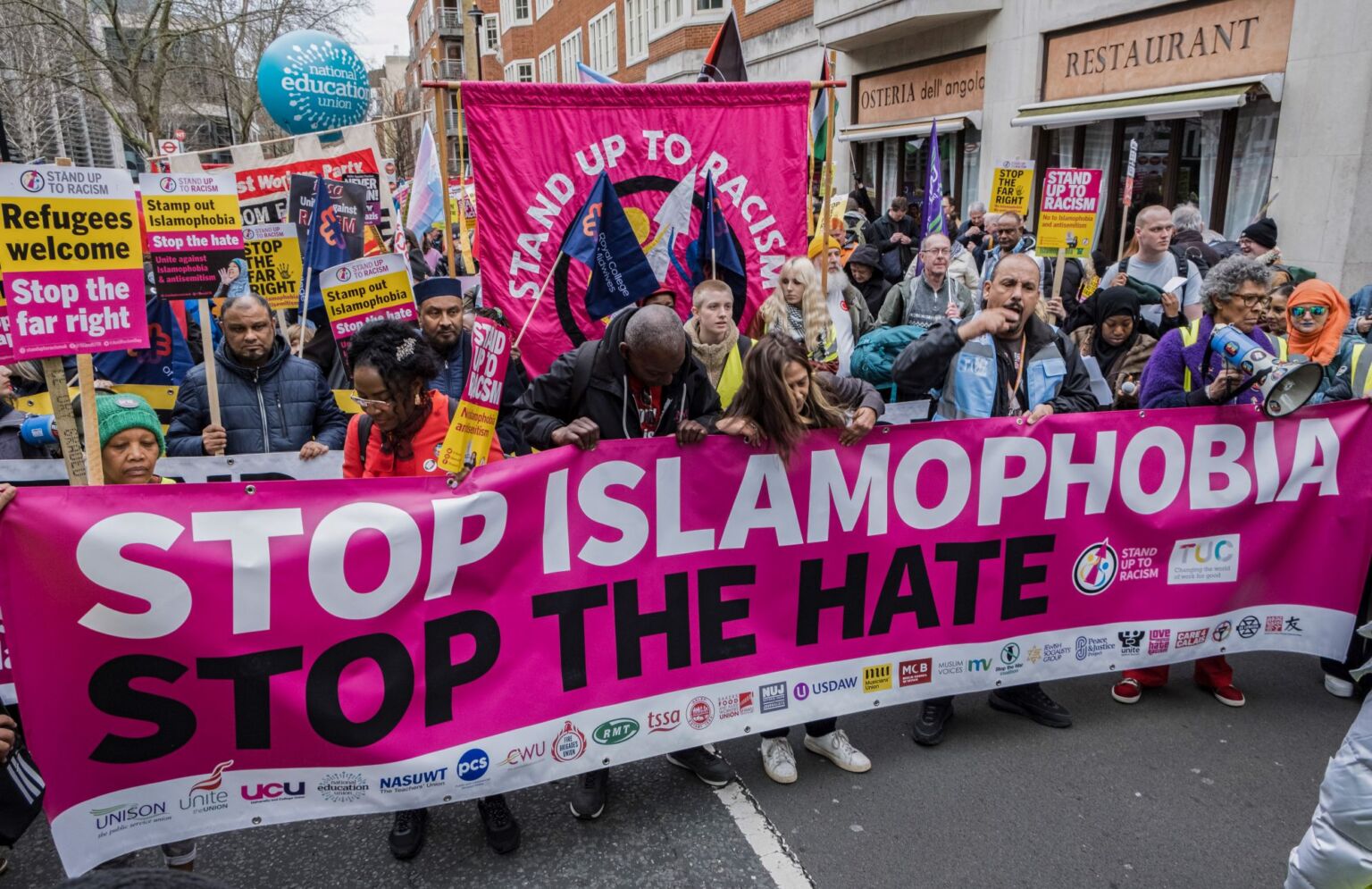

You’ve probably heard the word “Islamophobia” used in news headlines, political debates, and community conversations — but what does it actually mean for the people living it every day? For millions of Muslims around the world, anti-Muslim bias isn’t an abstract concept. It’s a daily reality that shapes how they dress, where they go, and how safe they feel in their own communities.
Islamophobia describes a pattern of fear, hostility, and discrimination directed at Muslims and those perceived to be Muslim. While it operates at a societal level, its effects are deeply personal — and the psychological toll it takes on individuals is significant, measurable, and often overlooked in mainstream mental health conversations.
This article examines what Islamophobia is, the symptoms it can produce in those who experience it, the forces that drive it, and the treatment and coping strategies that genuinely help. Whether someone is personally affected, supporting a loved one, or seeking to understand the issue more deeply, this guide offers a grounded, evidence-informed perspective.
Key Takeaways:
- Islamophobia is a form of religious and racial discrimination that causes measurable psychological harm, including anxiety, depression, and trauma responses.
- Its causes are rooted in a combination of historical narratives, media representation, political rhetoric, and systemic bias.
- Those affected often experience identity concealment, hypervigilance, and social withdrawal as direct coping responses.
- Effective treatment includes culturally competent therapy, community support, and evidence-based approaches such as cognitive behavioral therapy (CBT).
What Is Islamophobia?
Islamophobia refers to unfounded fear, prejudice, hostility, or hatred directed toward Islam as a religion and toward Muslims as a group. The term gained wider academic and policy traction in the late 1990s, particularly following a landmark 1997 report by the Runnymede Trust in the United Kingdom, which defined it as the “dread or hatred of Islam and therefore, to the fear and dislike of all Muslims.” Since then, scholars, advocacy organizations, and governments have continued to refine the definition to capture both its individual and structural dimensions.
It is important to distinguish Islamophobia from legitimate criticism of religious doctrine or policy. What defines Islamophobia is not disagreement — it is the wholesale dehumanization of an entire group based on their religious identity, often compounded by racial, ethnic, and cultural stereotyping. A Muslim person in the United States, Canada, Europe, or Australia may face discrimination not because of anything they have said or done, but simply because of how they look, what they wear, or what their name sounds like.
Islamophobia intersects with other forms of discrimination, including racism and xenophobia. Many Muslims belong to ethnic minority communities, meaning that anti-Muslim bias frequently operates alongside anti-Arab, anti-South Asian, or anti-Black racism. This layered experience makes Islamophobia particularly complex to address and particularly harmful to those who live with it. Understanding what phobias are in a broader sense helps contextualize how irrational fear becomes systematized into social behavior and prejudice.
Important Note: Islamophobia is not classified as a clinical phobia in the DSM-5. Rather than describing a fear experienced by Muslims, the term describes the prejudice and discrimination directed at Muslims. Its mental health consequences, however, are very real for those on the receiving end.
Symptoms of Islamophobia
When researchers and clinicians discuss the “symptoms” of Islamophobia, they are referring to the psychological and behavioral effects experienced by those who are targeted by it — not by those who hold Islamophobic views. The experience of sustained discrimination, prejudice, and threat creates a distinct and well-documented pattern of psychological distress.
Anxiety is among the most commonly reported responses. Muslims who regularly face hostile environments — whether in schools, workplaces, airports, or public spaces — often develop chronic hypervigilance, a state of heightened alertness in which the nervous system remains on guard for potential threats. This is consistent with the threat-response patterns seen in other forms of social fear and discrimination-related anxiety.
Depression is another significant outcome. Research consistently links experiences of discrimination to depressive symptoms, including persistent low mood, loss of interest in activities, fatigue, and feelings of hopelessness. For young Muslims in particular, the chronic stress of navigating an environment that treats their identity as suspect can profoundly affect self-esteem and sense of belonging.
Additional psychological symptoms commonly associated with experiencing Islamophobia include:
- Identity concealment — hiding religious identity by removing hijab, changing names, or avoiding religious practices in public to avoid discrimination
- Social withdrawal — reducing participation in public life, community events, or social settings perceived as hostile
- Intrusive thoughts and hyperarousal — symptoms consistent with post-traumatic stress, particularly following hate crimes or violent incidents
- Internalized shame — absorbing negative societal messages about one’s own identity, leading to self-doubt or religious disengagement
- Somatic complaints — physical symptoms such as headaches, sleep disturbances, and gastrointestinal issues linked to chronic stress
- Reduced help-seeking behavior — avoiding mental health services due to distrust, stigma, or fear of further discrimination within healthcare systems
Pro Tip: If someone is experiencing persistent anxiety, withdrawal, or distress linked to discrimination, these responses are not signs of weakness — they are normal psychological reactions to abnormal, hostile conditions. Naming the source of distress is often the first step toward healing.
It is also worth noting that Islamophobia does not only affect practicing Muslims. Individuals who are perceived to be Muslim — including Sikhs, Arabs, and South Asians of various faiths — have reported experiencing the same discrimination, hate speech, and violence. The psychological impact on these communities is equally significant.
Causes of Islamophobia
Islamophobia does not arise in a vacuum. Its causes are multi-layered, drawing on historical narratives, geopolitical events, media framing, and social psychology. Understanding these roots is essential for addressing the problem meaningfully rather than treating it as a natural or inevitable social phenomenon.
Historical and Colonial Narratives
Western perceptions of Islam and Muslim-majority societies have been shaped for centuries by colonial frameworks that positioned the “East” as exotic, dangerous, and inferior. Scholars such as Edward Said, whose work on “Orientalism” remains foundational in this field, have documented how these narratives became embedded in literature, art, and political thought — creating a cultural substrate on which modern Islamophobia grows.
Media Representation
Decades of research have documented the disproportionate association of Muslims with terrorism, extremism, and violence in mainstream media coverage. When the overwhelming majority of news stories linking Islam to violence go unchallenged by nuanced, humanizing portrayals of Muslim communities, audiences absorb a distorted picture. This pattern is well-documented in academic literature and mirrors the media-driven fear cycles seen in other forms of anxiety and avoidance behavior.
Political Rhetoric and Policy
Anti-Muslim rhetoric has been deliberately deployed in political campaigns and policy debates in the United States, Europe, and elsewhere. Travel bans, surveillance programs targeting Muslim communities, and inflammatory political speech have all contributed to an environment in which Islamophobia is normalized and, in some contexts, officially sanctioned. This top-down legitimization of prejudice has measurable effects on hate crime rates and on the psychological safety of Muslim communities.
Psychological and Social Factors
From a social psychology perspective, Islamophobia draws on several well-established mechanisms: in-group/out-group dynamics, scapegoating during periods of social anxiety, and the human tendency to attribute the actions of individuals to entire groups. These cognitive shortcuts become dangerous when amplified by systemic inequality and political manipulation. Similar psychological mechanisms underlie other forms of irrational fear and avoidance, including fear responses rooted in perceived threat rather than actual danger.
Key Insight: Islamophobia is not simply a collection of individual prejudices — it is a system reinforced by historical narratives, media patterns, and political structures. Addressing it requires intervention at all of these levels, not just individual attitude change.
Post-9/11 Acceleration
The September 11, 2001 attacks in the United States marked a sharp escalation in anti-Muslim discrimination globally. In the years that followed, hate crimes against Muslims increased dramatically, surveillance of Muslim communities expanded, and public discourse became markedly more hostile. While the attacks themselves were condemned by Muslim leaders and organizations worldwide, the collective punishment of Muslim communities continued — and its psychological effects have been studied extensively in the two decades since.
How Common Is Islamophobia?
The prevalence of Islamophobia is well-documented across multiple countries and contexts, though it remains chronically underreported due to fear of retaliation, distrust of authorities, and lack of accessible reporting mechanisms.
In the United States, the Council on American-Islamic Relations (CAIR) has documented thousands of anti-Muslim bias incidents annually in recent years, including hate crimes, employment discrimination, and government-based Islamophobia. Their annual civil rights reports consistently show spikes in reported incidents following high-profile political events or terrorist attacks carried out by individuals claiming to act in the name of Islam — regardless of mainstream Muslim condemnation of such acts.
In the United Kingdom, Tell MAMA , an organization that monitors anti-Muslim hatred, has recorded thousands of verified incidents per year, with online abuse accounting for a significant and growing proportion. European data from the European Union Agency for Fundamental Rights (FRA) similarly shows that Muslims across EU member states experience among the highest rates of discrimination of any religious or ethnic minority group.
Survey data paints an equally concerning picture:
| Region/Study | Key Finding |
|---|---|
| United States (Pew Research) | A majority of Muslim Americans report experiencing at least one form of discrimination in the past year |
| European Union (FRA Survey) | Over 30% of Muslims surveyed reported discrimination in employment, housing, or education in the past five years |
| United Kingdom (Tell MAMA) | Women wearing visible Islamic dress are disproportionately targeted, accounting for over 50% of reported incidents |
| Canada (StatsCan) | Hate crimes targeting Muslims have increased significantly since 2015, with mosques among the most frequently targeted institutions |
These figures almost certainly underestimate the true scale of the problem. Research on discrimination consistently finds that reported incidents represent only a fraction of those actually experienced, as many individuals choose not to report due to anticipated disbelief, bureaucratic barriers, or concern about making their situation worse.
Treatment and Coping
Addressing the mental health consequences of Islamophobia requires approaches that are both clinically grounded and culturally informed. Standard therapeutic models can be effective, but they must be adapted to account for the specific experiences, values, and concerns of Muslim individuals and communities.
Culturally Competent Therapy
One of the most significant barriers Muslims face when seeking mental health support is the concern that a therapist will not understand — or will actively misunderstand — their religious and cultural identity. Culturally competent therapy involves a practitioner who is knowledgeable about Islamic values, understands the role of faith in a client’s life, and does not pathologize religious practice. Organizations such as the Institute for Muslim Mental Health
offer directories and resources to help connect individuals with appropriate providers.
Cognitive Behavioral Therapy (CBT)
CBT is among the most evidence-supported treatments for anxiety and depression — both of which are common outcomes of experiencing discrimination. In the context of Islamophobia, CBT can help individuals identify and challenge internalized negative beliefs about their own identity, develop healthier thought patterns in response to discriminatory experiences, and build practical coping skills for navigating hostile environments. This approach shares principles with treatments used for other anxiety-related conditions, including those rooted in environmental threat perception.
Community and Peer Support
Research consistently shows that strong social connections within one’s own community serve as a powerful buffer against the psychological effects of discrimination. For Muslims experiencing Islamophobia, connection with other Muslims — through mosques, community organizations, student groups, or online networks — provides validation, shared coping strategies, and a sense of collective identity that counteracts the isolating effects of prejudice.
Mindfulness and Faith-Based Practices
Many Muslims find that integrating Islamic spiritual practices — including prayer, Quran recitation, dhikr (remembrance of God), and fasting — into their mental health approach provides significant comfort and resilience. Mindfulness-based interventions, which overlap with some Islamic contemplative traditions, have also demonstrated effectiveness for reducing stress and anxiety. Therapists working with Muslim clients are increasingly incorporating these elements into treatment plans.
Pro Tip: When searching for a therapist, it can help to specifically ask whether the provider has experience working with Muslim clients or with discrimination-related trauma. Many therapists now list cultural competencies on their profiles, and telehealth platforms have made it easier to find a good match regardless of location.
Advocacy and Collective Action
For some individuals, engaging in advocacy — whether through community organizing, legal action, or public education — serves as both a coping mechanism and a meaningful response to systemic injustice. Research on minority stress and resilience suggests that taking action against the source of one’s distress, rather than only managing its symptoms, can be psychologically empowering. Organizations like CAIR, Tell MAMA, and the Muslim Public Affairs Council (MPAC)
provide frameworks and support for individuals who wish to engage in this way.
Supporting Someone Experiencing Islamophobia
Friends, colleagues, and family members of those affected by Islamophobia can play an important role in the healing process. Active listening without minimizing or dismissing experiences, offering practical support such as accompanying someone who feels unsafe, speaking up against Islamophobic comments in shared spaces, and connecting loved ones with appropriate resources are all meaningful forms of allyship that contribute to psychological safety.
Related Phobias
While Islamophobia is a form of social prejudice rather than a clinical phobia, it shares conceptual and psychological territory with several recognized anxiety conditions. Understanding these connections helps illustrate how irrational fear, when directed at individuals or groups, causes real and lasting harm.
Anthropophobia, or the fear of people or society, involves intense anxiety in social situations driven by perceived threat from others. Those experiencing the effects of Islamophobia often develop similar patterns of social avoidance and hypervigilance as a direct response to repeated hostile encounters.
Agoraphobia involves fear and avoidance of environments where escape might be difficult or help unavailable. Muslims who have experienced public harassment or hate crimes sometimes develop avoidance behaviors that closely mirror agoraphobic patterns — restricting their movement in public spaces to reduce exposure to perceived threat.
Haphephobia, the fear of being touched, can emerge or intensify in individuals who have experienced physical assault or intimidation as part of hate crime incidents. The body’s threat-response system does not always distinguish between the original source of harm and subsequent situations that feel similar.
Acrophobia and other specific phobias demonstrate how fear responses — whether rational or irrational — become entrenched through repeated negative experiences and avoidance cycles. The same neurological and behavioral mechanisms that sustain clinical phobias also sustain the chronic anxiety experienced by those facing ongoing discrimination.
Other phobias that share psychological underpinnings with discrimination-related anxiety include claustrophobia, in which perceived entrapment triggers intense fear responses, and nyctophobia, where environmental conditions amplify a generalized sense of threat and vulnerability. In each case, the common thread is the nervous system’s learned association between certain contexts and danger — a pattern that develops readily in individuals who have faced real, repeated harm.
Key Insight: The psychological symptoms experienced by Muslims facing Islamophobia — hypervigilance, avoidance, anxiety, and trauma responses — are not character flaws or overreactions. They are predictable outcomes of sustained exposure to discrimination and threat, and they respond well to appropriate clinical and community support.
Frequently Asked Questions
Is Islamophobia a Clinical Diagnosis?
No. Islamophobia is not a clinical diagnosis found in the DSM-5 or ICD-11. It is a sociological and political term describing prejudice and discrimination directed at Muslims. However, the psychological effects it produces in those who experience it — including anxiety, depression, and trauma responses — are clinically recognized and treatable conditions.
Can Non-Muslims Experience the Effects of Islamophobia?
Yes. Individuals who are perceived to be Muslim based on their appearance, name, or cultural dress — including Sikhs, Arabs, and South Asians of various faiths — frequently experience anti-Muslim discrimination. The psychological impact on these communities is comparable to that experienced by Muslims themselves.
How Does Islamophobia Affect Children and Young People?
Young Muslims are particularly vulnerable to the mental health effects of Islamophobia. School-based discrimination, bullying, and exposure to anti-Muslim media narratives during formative developmental years can significantly affect self-esteem, academic performance, and long-term mental health outcomes. Early intervention and supportive school environments are critical protective factors.
What Should Someone Do If They Witness an Islamophobic Incident?
Bystander intervention can be highly effective in de-escalating incidents and supporting those targeted. Safe approaches include calmly engaging the targeted person in an unrelated conversation to redirect attention, documenting the incident if it is safe to do so, reporting it to relevant authorities or organizations such as Tell MAMA or CAIR, and following up with the affected individual afterward to offer support.
Are There Online Resources for Muslims Experiencing Discrimination-Related Mental Health Issues?
Yes. Several organizations offer culturally specific mental health resources, including the Institute for Muslim Mental Health , which provides therapist directories and educational content, and Naseeha Muslim Youth Helpline , which offers confidential support specifically for Muslim youth and families. Many mosques and Islamic centers also provide or can refer to community-based mental health support.
Conclusion
Islamophobia is a serious and well-documented form of discrimination that carries real psychological consequences for millions of people. From chronic anxiety and depression to identity concealment and social withdrawal, the mental health effects of sustained anti-Muslim bias are both significant and treatable — provided that those affected have access to culturally competent, evidence-informed support.
Understanding Islamophobia means recognizing it not as an abstract social issue but as a lived experience with measurable impacts on individuals, families, and communities. It means acknowledging the historical, political, and media forces that sustain it, and taking seriously the responsibility that institutions, communities, and individuals share in addressing it.
For those personally affected, the most important message is this: the distress experienced in response to discrimination is a rational reaction to an irrational and unjust situation. Help is available, healing is possible, and no one should have to navigate this alone. Exploring broader resources on phobias and anxiety-related conditions can also provide useful context for understanding the psychological mechanisms at work and the range of evidence-based approaches that support recovery.
For those seeking to be better allies, the path forward involves education, active listening, and a willingness to speak up — in workplaces, schools, and communities — when Islamophobia occurs. Systemic change begins with individual awareness, and awareness begins with exactly the kind of honest, empathetic engagement this topic deserves.