Goat Ownership Laws in South Dakota: What Owners Need to Know

March 20, 2026
South Dakota’s wide open spaces and strong farming traditions make it an appealing place to raise goats, but understanding local regulations is essential before you bring home your first animal. Many new goat owners assume that living in a rural state means they can keep livestock anywhere, only to discover their city or county has specific rules about where goats are allowed, how many you can own, and what kind of shelter and fencing you need to provide.
Goat ownership is legal throughout South Dakota , as the state classifies goats as livestock under South Dakota Codified Laws Title 40, but your ability to keep them on your property depends heavily on local zoning ordinances, permit requirements, and neighborhood restrictions that vary by county and municipality. While rural agricultural zones generally allow goats without special approval, residential and suburban areas often impose strict limits on animal numbers, require conditional use permits, and mandate specific setback distances from property lines and neighboring homes.
This guide walks you through everything from statewide livestock classifications and local zoning rules to permit applications, fencing standards, health requirements, and neighbor considerations. You’ll learn how to verify whether your property qualifies for goat ownership, what paperwork you need to file, and how to avoid common violations that lead to fines or forced rehoming of your animals.
Legal Status Of Goat Ownership In South Dakota
You can legally own goats anywhere in South Dakota. The state classifies goats as livestock under Title 40 of the South Dakota Codified Laws. This means goats receive the same legal treatment as cattle, sheep, and other farm animals rather than being classified as exotic or companion animals.
Key regulatory body: The South Dakota Animal Industry Board oversees all livestock health and movement in the state. This includes disease reporting, import and export rules, and herd health records for goats of all sizes.
Your rights as a goat owner in South Dakota are relatively broad at the state level. There are no statewide bans on keeping goats for personal use or as pets. You face fewer restrictions than you would in states with stricter companion animal frameworks.
Important distinction: While state law provides a favorable foundation, local governments hold the real authority over your property. Counties, townships, and cities can restrict or regulate livestock within their boundaries through zoning ordinances.
What this means for you:
- State law sets the minimum legal framework
- Your county and city determine the practical rules
- Zoning codes trump state-level permissions
- Local ordinances vary significantly across South Dakota
You need to check both state and local regulations before purchasing goats. State law may allow goat ownership, but your specific property might still be restricted based on zoning classification, lot size, or municipal codes. Your local zoning office can tell you whether your property qualifies for livestock keeping.
Zoning And Property Requirements In South Dakota
Zoning determines whether you can legally keep goats on your property in South Dakota. The state gives land-use authority to counties and cities, so rules vary widely between locations.
In rural areas with agricultural zoning, goat ownership is almost always allowed without special permits. South Dakota classifies goats as livestock under SDCL Title 40 , which means they receive the same treatment as cattle and sheep. If your property has AG or A-1 zoning, you likely won’t face barriers to keeping goats.
Residential and mixed-use zones present more restrictions. Cities like Sioux Falls, Rapid City, and Aberdeen maintain their own codes that limit livestock in residential areas. Many suburban zones that permit goats require minimum acreage, often ranging from half an acre to several acres per animal.
Common property requirements include:
- Minimum lot sizes based on animal count
- Setback distances from property lines (typically 25-50 feet)
- Distance requirements from neighboring homes (often 100+ feet)
- Restrictions on intact male goats due to odor concerns
You should check local zoning classifications directly with your county zoning office before purchasing goats. Ordinances change regularly, and what applies in one county may not exist in another.
Important: If your property falls under a homeowners association, review your HOA covenants carefully. These private agreements can prohibit livestock even when local zoning allows them. HOA restrictions are legally enforceable and override county permissions.
Number Limits And Permit Requirements In South Dakota
South Dakota does not set a statewide cap on how many goats you can own. If your property is zoned for agriculture, you can typically keep as many goats as your land can support.
Local governments control number limits in residential and suburban areas. Many cities that allow backyard goats limit ownership to two to four animals. Does are usually preferred over bucks because intact males produce stronger odors and make more noise.
Common local restrictions include:
- Maximum of 2-4 goats per residential property
- Bans on intact male goats in residential zones
- Requirement that goats be spayed or neutered
- Distance requirements from neighboring homes
Permit requirements vary widely by location. Rural counties rarely require permits for goats on agricultural land. Urban and suburban areas often need one or more permits before you bring goats home.
Permits you may need:
- Conditional Use Permit – Required when livestock is not automatically allowed in your zone
- Special Use Permit – Similar to conditional use but with simpler approval
- Hobby Farm License – Some cities require this for any agricultural activity on residential land
- Business License – Mandatory if you plan to sell milk, meat, or animals
Check with your county zoning office before buying goats. Sioux Falls allows up to six chickens and rabbits without permits but has different rules for goats. Rapid City and Aberdeen each maintain separate codes for livestock in city limits.
If you plan to breed goats, verify whether your local rules distinguish between does, wethers, and intact bucks. Many residential zones specifically ban breeding operations even when they allow pet goats.
Housing And Fencing Regulations In South Dakota
Proper housing and fencing are legal requirements in many South Dakota jurisdictions, not just practical necessities. Local ordinances often specify minimum standards for shelter construction, setback distances, and fencing integrity.
Goats need protection from South Dakota’s harsh winters, which bring extreme cold and heavy snow. While state law does not prescribe specific shelter dimensions, local ordinances typically require weatherproof structures with adequate space and ventilation. Your shelter must provide protection from wind, rain, and snow while allowing proper drainage to prevent manure buildup.
Common Shelter Requirements:
- Minimum square footage per animal (varies by jurisdiction)
- Proper ventilation systems
- Weatherproof roofing and walls
- Setbacks of 25-50 feet from property lines
- Setbacks of 100+ feet from neighboring homes
Before building a goat shelter, check with your county or city about permit requirements. Many jurisdictions require building permits for permanent agricultural structures.
Fencing standards are critical because South Dakota partition fence laws establish that adjoining landowners share responsibility for maintaining boundary fences. Goats are notoriously difficult to contain since they climb, jump, and squeeze through small gaps.
Effective Goat Fencing Includes:
- Woven wire or field fence at least 4 feet high
- Electric fencing as a deterrent
- Secure gate latches (goats can open simple hooks)
- Small openings to prevent head entrapment
Legal fence standards in South Dakota typically require at least four strands of barbed wire for livestock, but this minimum often fails to contain goats. You may need stronger fencing in residential zones.
If your goats escape and damage property, you face liability under livestock-at-large statutes.
Health, Registration, And Neighbor Regulations In South Dakota
Goat ownership in South Dakota requires you to follow specific health protocols managed by the South Dakota Animal Industry Board. When you bring goats into the state, you need a Certificate of Veterinary Inspection issued within 30 days of entry. This health certificate confirms your animals are disease-free.
Scrapie Identification Requirements
You must participate in the USDA Scrapie Eradication Program regardless of your herd size. This means you need:
- A registered USDA Scrapie premise ID
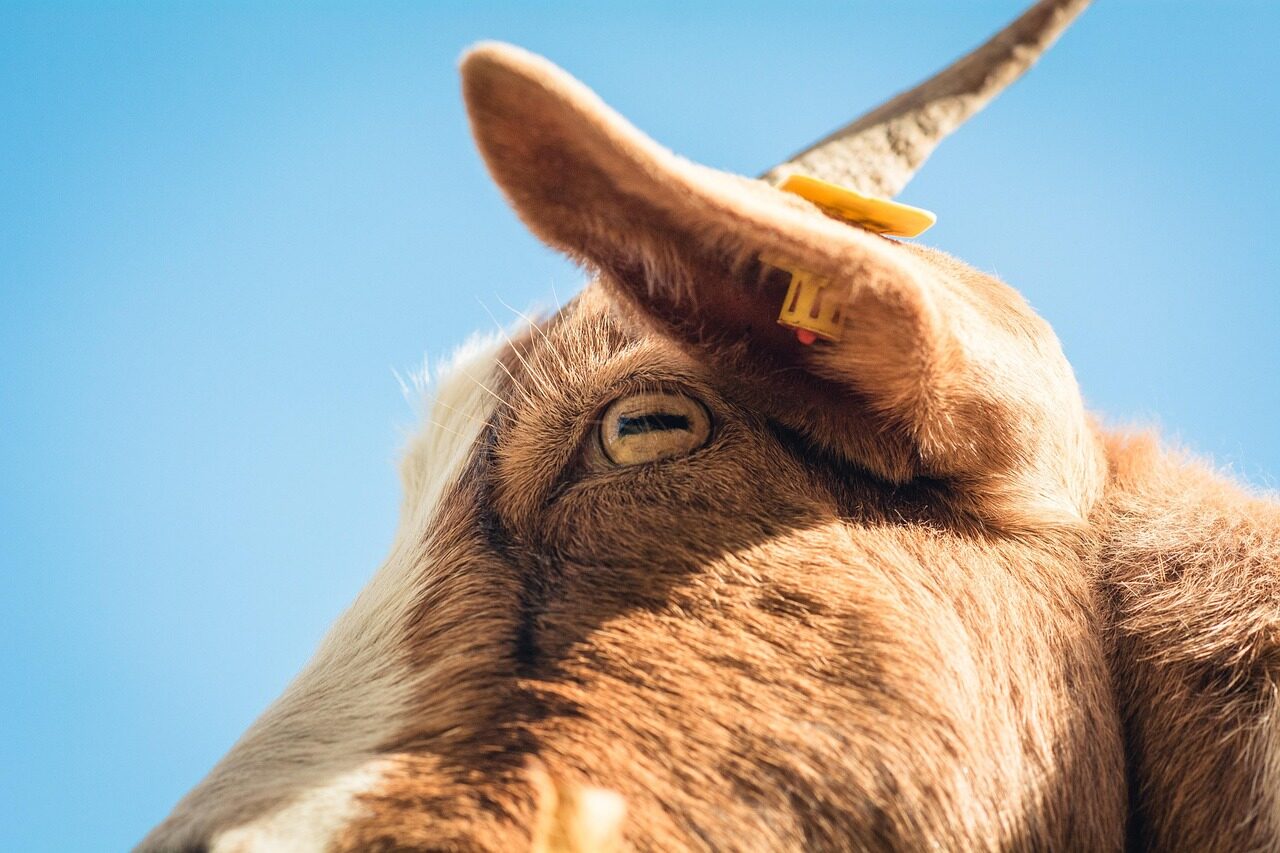
- Official ear tags or tattoos on all goats
- Proper identification for any animal leaving your property
These rules apply even if you only sell one goat to a neighbor. Contact the South Dakota Animal Industry Board to register your premises and get free official ear tags.
Vaccination and Health Records
South Dakota does not require specific vaccinations for privately owned goats. However, veterinarians recommend annual CDT vaccinations, regular deworming, and hoof care. Keep detailed health records in case of disease outbreaks in your area.
Nuisance Regulations
You must follow local nuisance ordinances even when your goats are legally zoned. Your responsibilities include:
- Manure management: Remove waste regularly to prevent odor complaints
- Noise control: Keep vocal disturbances to a minimum
- Sanitation: Maintain clean food and water containers
- Pest prevention: Store feed in sealed containers
You can face legal action from neighbors or your municipality if your goats create persistent problems with smell, noise, or cleanliness. Talk to your neighbors before bringing goats home to address concerns early.