Can You Eat Soft Cheese While Pregnant? What’s Safe and What to Skip

April 6, 2026
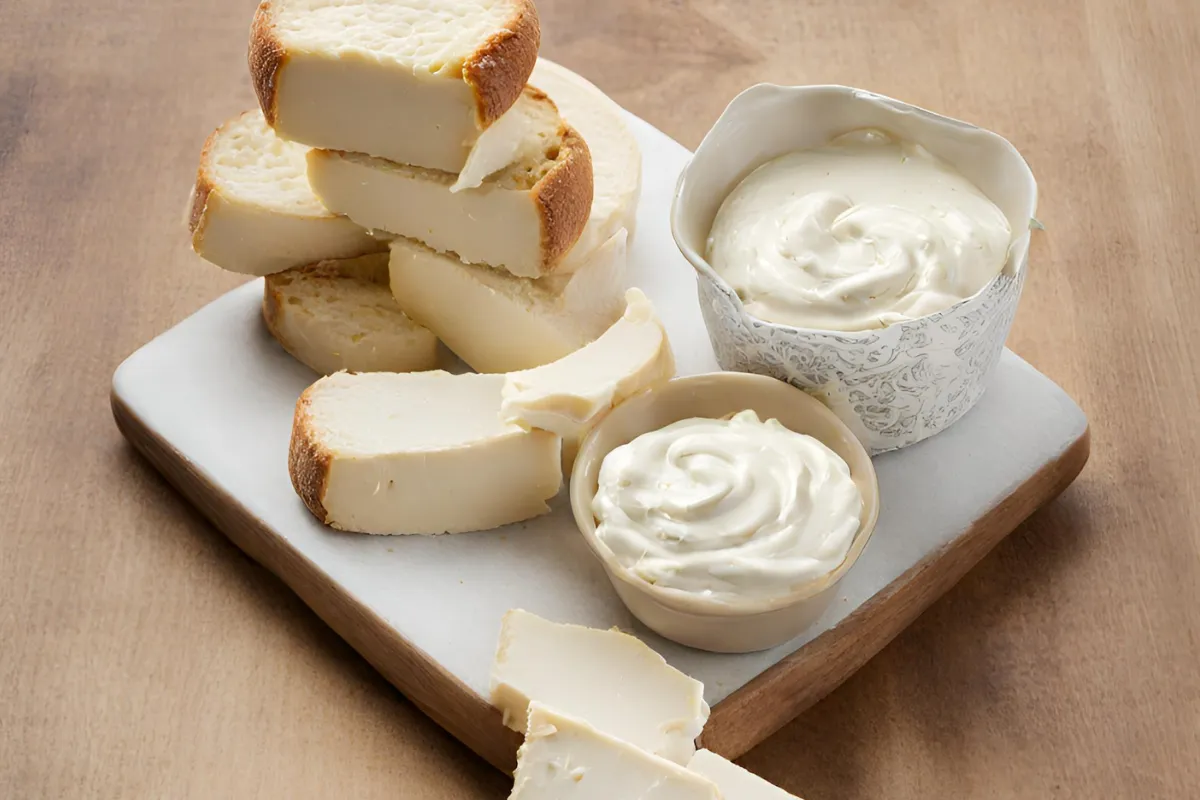
Soft cheese gets a bad reputation during pregnancy — but the full picture is more nuanced than a blanket “avoid all soft cheese” warning. Many soft cheeses are perfectly safe to eat while you’re expecting. The key isn’t the texture of the cheese; it’s how it was made.
Whether you’re craving cream cheese on a bagel, feta on a salad, or brie on a cracker, this guide cuts through the confusion so you can eat with confidence — and know exactly when to put the cheese board down. You’ll also find a quick-scan reference chart at the end to bookmark for grocery runs.
Important Note: This article is for educational purposes only and is not intended as medical advice. Always consult with your OB-GYN or midwife about your specific dietary needs during pregnancy.
The Short Answer
Yes — you can eat soft cheese while pregnant, but it depends entirely on one thing: whether it was made with pasteurized milk. As long as the label clearly states that the product was made using pasteurized milk, cream cheese, goat cheese, mozzarella, ricotta, and many other soft cheeses are safe choices.
The official recommendation from the Centers for Disease Control and Prevention (CDC) is that pregnant women should avoid soft cheeses made with unpasteurized milk and only purchase soft cheeses with the word “pasteurized” on the label. That’s the rule in a nutshell.
Most commercially sold cheese and other dairy products in the US are pasteurized, and therefore safe to eat while you’re pregnant — so as long as you do a quick label scan to confirm, you’ll be okay. The confusion largely comes from blanket warnings that don’t distinguish between pasteurized and unpasteurized varieties. Once you know what to look for, navigating the cheese aisle gets a lot easier.
Why Soft Cheese Is a Concern During Pregnancy
The primary concern with cheese during pregnancy is the risk of listeriosis, a potentially serious infection caused by the bacterium Listeria monocytogenes. This bacterium can be present in unpasteurized milk and soft cheeses made from unpasteurized milk.
So why are soft cheeses specifically singled out? It comes down to moisture. Hard cheese has been ripened longer and is drier, having a lower water content. Soft cheese, on the other hand, is younger or fresher, with a higher moisture content. That higher moisture content may allow for more growth of bacteria.
Pregnant women are about 10 times more likely than the general population to become infected with Listeria. Because immune systems are altered during pregnancy, it is harder for pregnant women to fight off such infections.
The consequences can be serious. When a person gets listeriosis from consuming listeria in soft cheese or another food, pregnant women can experience mild flu-like symptoms, abdominal or back pain, nausea, vomiting, or diarrhea — but the impacts to a fetus can be life-threatening. Symptoms may manifest as much as two months after infection, and the woman may not experience any symptoms at all. While the symptoms in the pregnant woman are mild, infections in the fetus or newborn baby can be severe.
Key Insight: Listeria is unusual among foodborne bacteria because it can grow at refrigerator temperatures. Keeping your fridge at or below 40°F (4°C) slows its growth, but doesn’t eliminate the risk from high-risk foods.
It’s also worth knowing that while pasteurization is effective at eliminating Listeria, cheeses made with pasteurized milk can still become re-contaminated if the manufacturing environment is unsanitary. This is why certain cheese categories — like artisan or deli-cut soft cheeses — carry extra caution even when labeled pasteurized.
What the Research Actually Says
The research confirms that the risk is real — but also that it’s manageable with the right choices. For soft-ripened cheeses, the risk for listeriosis per serving is estimated to be 50- to 160-fold greater for cheese made from unpasteurized milk than pasteurized milk. That’s a dramatic difference, and it’s exactly why pasteurization status is the deciding factor.
A peer-reviewed CDC study tracking listeriosis outbreaks in the US from 1998 to 2014 found that listeriosis outbreaks have been associated with refrigerated ready-to-eat foods, including hot dogs, delicatessen meats, soft cheeses, milk, and other dairy products. Soft cheese outbreaks were disproportionately linked to Hispanic-style fresh cheeses like queso fresco, particularly when made in less-regulated artisan environments.
A real-world example underscores the stakes. A 2021 listeria outbreak traced back to queso fresco resulted in 12 hospitalizations, one death, two pregnancy losses, and one premature birth.
On the reassuring side, if cheese has gone through pasteurization, any increased risk for bacteria or other pathogens is very small, and the product isn’t considered to increase risks if eaten during pregnancy and breastfeeding. The research supports a nuanced approach: it’s not about avoiding all soft cheese — it’s about avoiding the unpasteurized kind.
You can also find more detail on the full list of foods and beverages to avoid during pregnancy if you want a broader picture of pregnancy nutrition safety.
How to Eat Soft Cheese Safely During Pregnancy
Good news: eating soft cheese safely during pregnancy is very doable. It just takes a few consistent habits. Here’s how to enjoy it without worry.
Step 1: Always Check the Label
The easiest way to determine whether a soft cheese is pasteurized is to check the label. In most countries, food labeling regulations require that products containing unpasteurized milk be clearly marked as such. Look for labels like “pasteurized milk” or “made from pasteurized milk” on the packaging.
Be especially mindful of soft cheese from farmer’s markets, roadside stands, and other local sources, since you may need to seek additional information to confirm that the products were pasteurized. When in doubt, ask — or skip it.
Step 2: Know Which Soft Cheeses Are Generally Safe
Soft pasteurized cheeses like mozzarella, feta, cream cheese, and ricotta are considered safe options in pregnancy — especially if they are made with pasteurized milk. These cheeses bring a welcome boost of protein and calcium to your diet.
Most types of cream cheese, cottage cheese, and mozzarella, though soft in nature, are OK as long as they’re pasteurized. Burrata, mascarpone, and paneer made from pasteurized milk are also generally in the safe column.
Step 3: Cook It When in Doubt
Cooking cheese until it’s steaming hot can kill harmful bacteria. So if you’re craving a dish that contains soft cheese, consider cooking it until it’s piping hot. Since listeria is susceptible to heat, cooking it at 160°F will kill the bacteria.
Cooked cheese dishes — pizza oozing with bubbles, lasagna piping hot, fondue, or any casserole where cheese is thoroughly melted and steamy — neutralize contaminants through heat. This is a reliable workaround for cheeses you’re unsure about.
Step 4: Store Cheese Properly
Store cheese in the refrigerator and consume it before its expiration date to prevent bacterial growth. Avoid cheese that has been left out at room temperature for extended periods.
Freshness counts, and the risk increases if the product comes pre-sliced at the deli counter. Consider grating at home from a block for maximum freshness and lower cross-contamination risk.
Pro Tip: Remove the rind from any soft cheese before eating. Bacterial concentrations are higher in rinds, particularly with washed or bloomy types like Brie or Camembert.
Trimester Differences
The risk of listeriosis is present throughout all trimesters, not just one. However, your immune system is suppressed throughout pregnancy, meaning the caution around unpasteurized cheese applies from the first week to the last. Some foodborne illnesses, such as Listeria and Toxoplasma gondii, can infect the fetus even if the mother does not feel sick. This makes consistent label-checking a habit worth keeping for all nine months.
Soft cheese can also be particularly helpful in the first trimester. Soft cheese can help make other foods more palatable, especially during the early stages of pregnancy when nausea and food aversions can be common. Pasteurized cream cheese, ricotta, and cottage cheese are mild, easy to eat, and protein-rich — a great option when your appetite is unpredictable. For more on nutrient-dense foods that support your body, that resource is worth a look too.
When to Avoid Soft Cheese Completely
There are specific situations where soft cheese should be avoided entirely during pregnancy — no exceptions.
Unpasteurized Soft Cheeses
Soft cheeses made from unpasteurized milk are more likely to harbor Listeria and should be avoided. This includes many artisan and imported varieties. To avoid getting infected with bacteria from food while pregnant, stay away from soft, unpasteurized cheeses (often advertised as “fresh”) such as some feta, goat, Brie, Camembert, and blue-veined cheeses, and Mexican queso fresco.
Mold-Ripened Soft Cheeses
Even if made from pasteurized milk, mold-ripened soft cheeses should generally be avoided due to their higher moisture content, which can support the growth of bacteria. This category includes Brie, Camembert, and similar white-rind cheeses. The mold used in ripening creates a warm, moist environment where listeria can survive even after pasteurization.
Blue-Veined Cheeses
Blue-veined cheeses are one group of soft cheeses that OB-GYNs specifically caution women to avoid during pregnancy. To avoid listeriosis, you should not eat any soft blue-veined cheeses such as Danish blue or gorgonzola. These cheeses are made with mold and can contain listeria.
Deli-Cut and Artisan Soft Cheeses
Soft cheeses from delis have been linked to listeria, as per the CDC. Even if the original product was pasteurized, cross-contamination at the deli counter — from shared slicers and surfaces — can introduce bacteria. Soft cheeses labeled as “pasteurized” are usually OK, especially if they’re individually packaged and not cut at the deli counter from a larger piece.
If You Accidentally Eat Unpasteurized Cheese
Don’t panic — but do act. If you accidentally eat unpasteurized cheese while pregnant, monitor yourself for any symptoms of listeriosis, such as fever, muscle aches, or gastrointestinal symptoms. If you experience any of these signs, contact your healthcare provider immediately for advice and testing. Most cases of listeriosis during pregnancy are treatable with antibiotics, but early intervention is critical to minimize risks to your baby.
You’ll also want to be aware of other seafood safety considerations during pregnancy, since similar listeria and mercury risks apply to certain fish and shellfish.
Quick Reference Chart
Use this chart as your at-a-glance guide when shopping or dining out. When in doubt, check the label — or cook it first.
| Cheese Type | Status | Notes |
|---|---|---|
| Cream cheese (pasteurized) | ✅ Safe | Most commercial brands are pasteurized; check label |
| Ricotta (pasteurized) | ✅ Safe | Widely available pasteurized; great protein source |
| Mozzarella (pasteurized) | ✅ Safe | Safe fresh or shredded; safe on cooked pizza |
| Cottage cheese (pasteurized) | ✅ Safe | High-protein, pregnancy-friendly option |
| Feta (pasteurized) | ✅ Safe | Must confirm label says “pasteurized milk” |
| Goat cheese (pasteurized, no rind) | ✅ Safe | Avoid if it has a white bloomy rind |
| Mascarpone (pasteurized) | ✅ Safe | Check label; most commercial varieties are pasteurized |
| Burrata (pasteurized) | ✅ Safe | Typically pasteurized; verify label |
| Brie / Camembert (pasteurized) | ⚠️ Caution | Mold-ripened; higher moisture risk even if pasteurized — cook thoroughly |
| Blue cheese (pasteurized) | ⚠️ Caution | Mold-based; most experts advise avoiding unless cooked hot |
| Queso fresco / queso blanco (pasteurized) | ⚠️ Caution | Repeatedly linked to outbreaks; cook before eating |
| Any unpasteurized soft cheese | ❌ Avoid | High listeria risk; not safe at any stage of pregnancy |
| Brie / Camembert (unpasteurized) | ❌ Avoid | Double risk: unpasteurized + mold-ripened |
| Deli-sliced soft cheeses | ❌ Avoid | Cross-contamination risk from shared slicers |
| Artisan / farmer’s market soft cheese (unknown status) | ❌ Avoid | Cannot confirm pasteurization without verification |
Common Mistake: Assuming all soft cheese is unsafe — or that “pasteurized” on the label means any preparation method is fine. Pasteurized mold-ripened cheeses (like Brie) still carry risk and should be cooked or avoided.
Frequently Asked Questions
Can I eat cream cheese while pregnant?
Yes. Cream cheese isn’t actually a soft cheese in the traditional sense — it’s a cheese spread made with pasteurized dairy. Because of this, it’s safe for pregnant people to consume. Enjoy it on toast, in dips, or as a dessert ingredient without worry — just check that it’s a standard commercial brand.
Is feta cheese safe during pregnancy?
Feta cheese is a popular soft cheese with a tangy flavor and crumbly texture. When made from pasteurized milk, feta is generally considered safe to eat during pregnancy. The key is checking the label — traditional Greek feta can sometimes be made with unpasteurized sheep’s or goat’s milk, so always verify.
What about mozzarella?
All mozzarella made from pasteurized milk is almost universally safe to eat while pregnant. This includes fresh mozzarella balls, shredded mozzarella, and mozzarella on cooked pizza. Just make sure it’s pasteurized, especially if you’re buying fresh mozzarella from a specialty deli or market.
Can I eat brie or camembert during pregnancy?
Only if it’s cooked until steaming hot. Even if made from pasteurized milk, mold-ripened soft cheeses like Brie and Camembert should generally be avoided due to their higher moisture content, which can support the growth of bacteria. If you’re eating a baked brie or hot fondue, the heat neutralizes the risk. Cold brie from a cheese board is best skipped.
What if I ate soft cheese before I knew I was pregnant?
Try not to stress. If you accidentally ate unpasteurized cheese while pregnant, monitor yourself for any symptoms of listeriosis, such as fever, muscle aches, or gastrointestinal symptoms. The vast majority of women who eat soft cheese before knowing they’re pregnant — or even after — experience no complications at all. Contact your doctor if you have any symptoms or concerns.
Is goat cheese safe during pregnancy?
It depends on the type. Goat cheese is safe if the milk is pasteurized or the cheese is hard. However, soft goat cheese with a white bloomy rind — like chèvre logs with a rind — falls into the mold-ripened category and should be avoided unless thoroughly cooked. Plain, rindless pasteurized goat cheese crumbles are fine.
Are there other foods I should be cautious about during pregnancy?
Yes — soft cheese is just one piece of the pregnancy food safety puzzle. This detailed guide to foods and beverages to avoid during pregnancy covers everything from deli meats to raw fish to herbal teas. It’s a helpful resource to bookmark alongside this one. You can also explore whole plant-based foods that are naturally safe and nourishing during pregnancy, or heart-healthy superfoods that support your cardiovascular health as your blood volume increases.
Does cooking always make soft cheese safe?
If cheese has not been pasteurized but has been cooked or heated prior to eating, then there is little risk. The key word is “thoroughly” — the cheese must reach an internal temperature of at least 160°F and be visibly steaming or bubbling. A warm slice that hasn’t been fully heated through doesn’t count. When cooking with any soft cheese during pregnancy, go hot and go all the way.
Understanding what’s safe and what isn’t during pregnancy can feel like a full-time job. But with soft cheese, the rule is actually quite simple: pasteurized = generally safe, unpasteurized = avoid. Mold-ripened and deli-cut varieties get an extra layer of caution, but the majority of the soft cheeses you’ll find in a regular grocery store are made with pasteurized milk and perfectly fine to enjoy.
Keep this guide and the chart above handy for your next grocery trip, and don’t hesitate to ask your care provider if you’re ever unsure about a specific product. You deserve to eat well and feel good throughout your pregnancy — and a well-chosen wedge of cheese can absolutely be part of that. For more on building a safe and nourishing pregnancy diet, explore our guide on brain-boosting foods and foods that support hormonal health.