What to Serve with Yellow Rice for a Balanced, Satisfying Plate

November 25, 2026
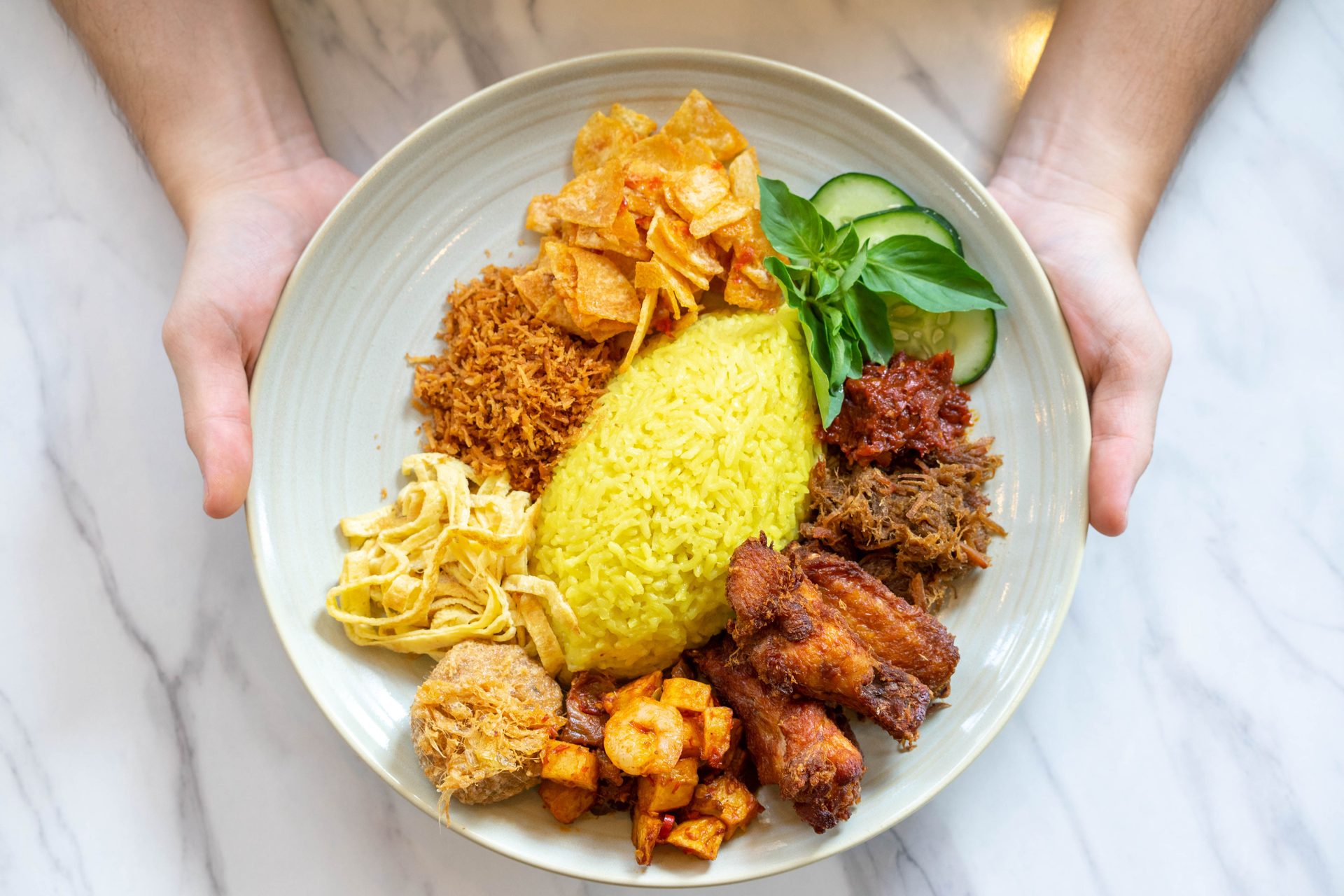
Yellow rice rarely needs much help carrying a meal, but it still needs the right company on the plate. That savory flavor profile comes from turmeric, saffron, or annatto, and once you know what to serve with yellow rice, you can turn a simple side into the centerpiece of dinner. The question isn’t whether yellow rice pairs well with other dishes — it’s which two or three you reach for on a weeknight versus a weekend spread.
The flavor is mild enough that you can serve it with countless recipes, which is exactly why two very different sides work so well alongside it: a simple plate of steamed vegetables and a pot of slow-simmered Dominican beans. One keeps things light and fresh, the other brings richness and depth, and together they cover almost every craving you might have on a given night.
| Side Dish | Prep Time | Flavor Profile | Dietary Notes |
|---|---|---|---|
| Steamed Vegetables | 15–20 minutes | Light, fresh, slightly sweet | Vegan, gluten-free, low-calorie |
| Dominican Beans | 45–90 minutes (less with canned beans) | Rich, savory, earthy | Naturally vegetarian base, high in fiber |
1. Steamed Vegetables
Steamed vegetables show up on almost every list of dishes to serve with yellow rice, and there’s a simple reason for it: they don’t compete with the rice’s spice, they balance it. Broccoli, carrots, green beans, zucchini, and snap peas all hold their color and crunch under a quick steam, which gives your plate contrast next to the soft, fragrant grains.
Here’s a straightforward way to get it right every time:
- Cut vegetables into similar-sized pieces so they cook evenly.
- Bring about an inch of water to a simmer in a pot fitted with a steamer basket.
- Add the vegetables, cover, and steam for 4-7 minutes depending on density (green beans and broccoli on the shorter end, carrots and winter squash longer).
- Season with a little salt, lemon juice, or olive oil right before serving so the flavor doesn’t wash away in the steam.
If you want to build out a bigger spread, steamed vegetables also work well next to seafood. A shrimp boil spread and a bowl of yellow rice make a satisfying combination for a backyard dinner, especially in warmer months when you want something that doesn’t feel heavy.
Pro Tip: Steam vegetables separately from the rice and add them at the end rather than cooking everything together. This keeps the vegetables from turning mushy and lets the rice hold its own texture.
Vegetables also matter if you’re watching what goes on the plate for health reasons. Choosing a side means thinking about how the flavors in the other dish will interact with it, and a lighter vegetable side keeps a rich main from feeling like too much. For more guidance on building balanced plates, this heart-healthy eating guide breaks down which foods to lean on and which to limit.
Important Note: General food pairing suggestions aren’t a substitute for personalized dietary advice. If you’re managing a specific health condition, check with a doctor or registered dietitian before making major changes to your eating pattern.
2. Dominican Beans
Dominican beans, known as habichuelas guisadas, bring the richness that steamed vegetables don’t. These stewed red Dominican beans served over white rice are the ultimate comfort food in most Latin homes, and that reputation holds up the first time you make them. The dish is built on a base of sautéed garlic, onion, and bell pepper, then simmered with tomato, squash, and warm seasonings until the broth turns thick and creamy.
In the Dominican Republic, beans appear almost every day at lunch, usually as part of a plate that also includes white rice and meat as part of a larger traditional meal called La Bandera. You don’t need the full spread to enjoy the beans, though — a bowl of yellow rice topped with habichuelas guisadas is a complete, satisfying meal on its own.
Key ingredients that give the beans their character:
- Dried or canned red kidney beans, pinto beans, or cranberry beans
- Garlic, onion, and bell pepper (the sofrito base)
- Auyama (West Indian pumpkin) or butternut squash
- Tomato sauce or tomato paste
- Sazón, oregano, and a bay leaf for seasoning
Traditionally, habichuelas guisadas are eaten alongside rice, green salad, avocado, and fried sweet plantain, so if you want to round out the meal beyond yellow rice, those are the places to look next. For a quicker version on a weeknight, canned beans cut the cooking time dramatically without sacrificing much flavor.
Key Insight: Starting with canned beans instead of dried turns this into a 30-minute dish instead of an all-afternoon project. It’s a smart example of convenience food done right — you keep the traditional flavor while cutting the hands-on time.
If you’re planning a Latin-inspired dinner around yellow rice and Dominican beans, consider rounding things out with meat empanadas as a starter. The crisp pastry and savory filling make a nice contrast to the soft rice and creamy beans that follow.
These two sides don’t have to compete with each other, either. A smaller portion of steamed vegetables next to a full serving of Dominican beans and yellow rice gives you color, texture, and a little nutritional balance without turning dinner into a production.
If you’re assembling a buffet-style spread for a holiday gathering or backyard cookout, a platter of deviled eggs often earns a spot next to the rice. When people ask what pairs well with deviled eggs, the answer is usually something mild and satisfying — yellow rice checks that box, and steamed vegetables or Dominican beans fill out the rest of the table without competing for attention. Think of the eggs as the opener on a deviled eggs party menu, with the rice-and-bean combination as the heartier course that follows. For more deviled eggs serving suggestions, pair the eggs with something crunchy and acidic, like pickles or olives, before guests move on to the rice.
Whether you keep it simple with steamed vegetables or go all in on a pot of Dominican beans, yellow rice is flexible enough to handle either direction — and good enough to anchor a full table of sides. If you’re planning dessert for the same gathering, something like angel food cake offers a light finish that won’t compete with the richer flavors on the savory side of the menu.