Can You Freeze Bell Peppers? Everything You Need to Know

November 12, 2026
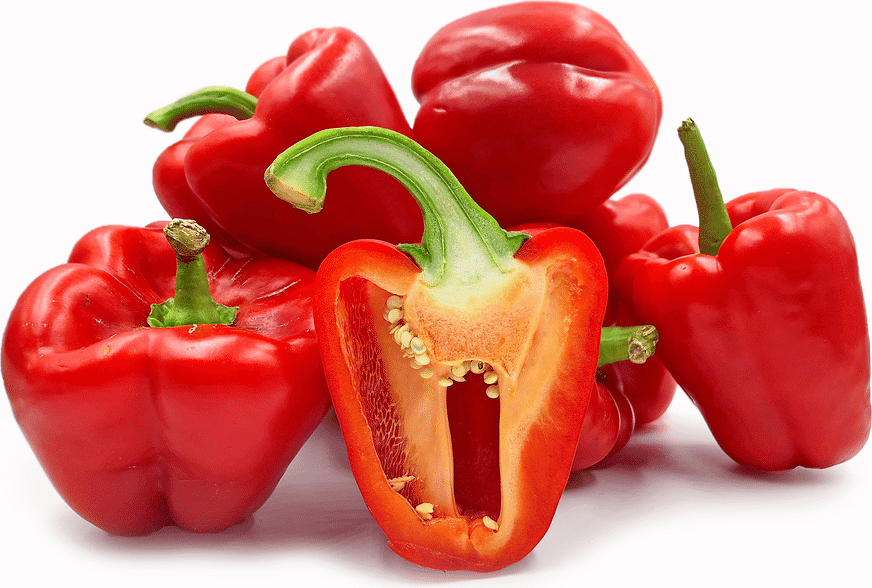
Bell peppers are one of the easiest vegetables to over-buy. Whether you grabbed a big bag on sale at the grocery store, harvested more than you can eat from your garden, or just didn’t get through them before they started to wrinkle, you’ve probably wondered whether the freezer is a viable option.
The short answer is yes — bell peppers freeze well and require almost no prep work compared to other vegetables. With the right technique, you can keep them on hand for months and pull out exactly what you need for any weeknight meal. This guide walks you through everything: how to freeze them, how long they keep, how to thaw them, and what to do when they come out of the freezer.
Can You Freeze Bell Peppers?
Yes, peppers freeze very well and can be frozen without blanching first. Unlike many vegetables that require blanching to preserve quality, bell peppers can be frozen raw with very little preparation. That alone makes them one of the more forgiving vegetables to freeze at home.
One of the best advantages of freezing peppers is that freezing helps retain the flavor and nutritional value of fresh or raw peppers and frees you from the time constraints of using them up before they go bad. If you find a great deal on bell peppers at your local grocery store or farmers market, freezing is a smart way to stock up.
Selecting the right bell peppers is important: look for firm, vibrant, and blemish-free options to ensure quality before freezing. Avoid peppers with soft spots or blemishes, as these won’t withstand freezing and may compromise the taste and shelf life of your stash.
Pro Tip: Even peppers that are just starting to wrinkle are still fine to freeze — as long as they don’t have soft spots or mold. Use those ones first.
Does Freezing Change the Texture or Taste of Bell Peppers?
Yes, and it’s worth knowing what to expect before you freeze a big batch. Frozen peppers soften slightly after thawing because freezing breaks down their cell structure. While they lose some crispness, they still retain their flavor and color.
Peppers lose their crispy crunch after being frozen, so they work best in cooked recipes. Despite the texture change, they still pack a peppery punch. This means frozen bell peppers are not ideal for raw applications like salads, crudités platters, or fresh salsa where you want that satisfying snap.
Long-term freezing can lead to some flavor changes. Eventually, that funky freezer flavor will find its way to your bell peppers, even when using proper freezer bags. This is why using them within a reasonable window matters as much as how you package them.
The good news is that for the vast majority of cooked dishes — stir-fries, fajitas, soups, omelets — the texture difference is barely noticeable once the peppers hit a hot pan. You can also learn more about how individual nutrients hold up over time in our guide to powerful nutrients and foods that fight cancer, which covers how food preparation and storage affect nutritional value.
How to Freeze Bell Peppers the Right Way
The process takes about 20 minutes of active prep, plus a hands-off hour in the freezer. Follow these steps for the best results.
- Wash and dry thoroughly. Rinse your bell peppers well and pat them completely dry with a towel. Moisture is the enemy of good freezer storage — wet peppers will clump and form icy crystals later.
- Remove stems and seeds. For best results, slice off the stems, cut the peppers in half, and remove the seeds and membranes. This saves you from dealing with them when you’re cooking later.
- Cut to your intended use. You can slice the peppers into thin strips or dice them into bite-sized pieces, depending on your personal preference. Sliced peppers work great on pizza or in fajitas, while diced pieces mix easily into taco meat, chili, or eggs. If you plan to make stuffed peppers, freeze them whole by trimming off the tops and removing the seeds, then placing the whole peppers on a baking sheet to flash freeze for an hour or until solid before transferring to freezer bags.
- Tray-freeze before bagging. Laying the pepper pieces in a single layer on a baking sheet to pre-freeze for an hour prevents them from sticking together in storage. This step is what keeps you from pulling out one solid frozen clump every time you need a handful.
- Transfer to freezer bags and seal. Store them in high-quality freezer bags, remove as much air as possible, and label them with the date. Label your bags with the date and pepper variety so you can rotate your freezer stock and always know what’s on hand.
Pro Tip: Some recipes say you need to flash freeze your peppers on a sheet pan before transferring them to freezer bags. If you don’t overfill your bags and lay them flat, the tray-freeze step becomes unnecessary — laying the bags flat in the freezer means they won’t freeze in a large clump and will easily break apart when you need to use them.
According to the National Center for Home Food Preservation at the University of Georgia, raw (unheated) bell peppers are suitable for freezing and work well in both uncooked and cooked foods due to their crisper texture when properly prepared. You can also review their full guidance on freezing vegetables for additional tips on packaging and labeling.
For more ideas on getting the most out of nutritious vegetables like bell peppers, see our overview of whole plant-based foods and how they support a balanced diet.
How Long Can You Freeze Bell Peppers?
There’s some variation in guidance here depending on the source, but the general consensus points to a window of six to twelve months — with quality declining toward the longer end of that range.
| Storage Window | Quality Expectation | Notes |
|---|---|---|
| 1–3 months | Best flavor and texture | Ideal for most home cooks |
| 3–6 months | Good quality | Still excellent for cooked dishes |
| 6–8 months | Acceptable quality | Use promptly; flavor may begin to fade |
| 8–12 months | Declining quality | Safe but may have off-flavors |
For best quality and highest nutrient retention, frozen peppers should be eaten within six to eight months. Bell peppers can last in the freezer for up to six months, but using them within three months is recommended. They will taste fresher and have a better texture if used sooner rather than later.
Keep the temperature of the freezer at 0 degrees Fahrenheit or below. It is generally recommended that frozen vegetables be eaten within about 8 months for best quality. Frozen peppers should maintain good quality when stored at less than 0 degrees for 10 to 12 months. Since home freezers are often inconsistent, try to use them up within a few months.
Bell peppers are packed with vitamin C and antioxidants — nutrients worth preserving. For more on how bell peppers and other vegetables support your health, check out our article on superfoods for a healthy heart.
How to Thaw Frozen Bell Peppers
How you thaw your peppers depends on what you’re making. For most cooked dishes, you actually don’t need to thaw them at all.
Add frozen peppers straight to a hot pan, sauce, soup, or stew. Thawing first pulls water out of the pepper and makes the texture softer before cooking even starts. Cooking from frozen is the preferred method for stir-fries and sautés because the heat evaporates moisture quickly instead of letting the peppers sit in it.
If you do need to thaw them — for a casserole or stuffed pepper recipe that calls for softer peppers — here are your options:
- Refrigerator thaw: Place them in the refrigerator to defrost. This is the safest method and takes a few hours or overnight.
- Cold water thaw: If you’re short on time, place the peppers (bag and all) in a bowl of cool water. Once they’re soft to the touch, they’re ready to use.
- Cook from frozen: Add frozen peppers directly to hot dishes like soups, stir-fries, and casseroles. Do not thaw them first, or use them in dishes that call for raw peppers, or else they will get mushy.
Pro Tip: Never thaw bell peppers at room temperature on the counter. According to food safety guidelines, bacteria multiply rapidly in the 40°F–140°F danger zone, and leaving vegetables out to thaw at room temperature puts them squarely in that range.
Can You Refreeze Bell Peppers After Thawing?
This is one area where most food storage experts agree: refreezing is not a great idea. Refreezing is not recommended. Quality and texture degrade significantly with repeated freezing and thawing.
Freezer burn affects the quality and texture of the food, not its safety. It occurs when air reaches the food’s surface, causing dehydration and oxidation. While it might make the food less palatable, it’s still safe to consume. That said, a pepper that has been frozen, thawed, and refrozen will likely turn to mush when you cook it.
The practical solution is to freeze bell peppers in small, single-serving portions so you only take out what you need. Whenever you use some of the peppers, be sure to quickly reseal the bags and return them to the freezer promptly. This habit protects the remaining peppers from repeated temperature swings.
For additional context on how food safety intersects with nutrition, our guide on cancer-causing foods to avoid covers how food handling and storage practices affect overall food safety.
How to Use Frozen Bell Peppers (Best Uses After Freezing)
Frozen bell peppers can be used interchangeably with fresh bell peppers in any recipe that requires cooking. Some of the best ways to use frozen bell peppers are in soups, stews, fajitas, stir-fries, and omelets.
Here are the best applications for your frozen stash:
- Stir-fries: Frozen bell peppers are perfect for adding color and flavor to a stir-fry. Simply toss them into the pan with other vegetables, proteins, and your sauce, and cook until heated through.
- Soups and stews: Frozen bell peppers are a great addition to soups and stews. They release their juices and infuse the dish with their sweet and tangy flavors, working especially well in hearty vegetable soups or a comforting chili.
- Casseroles and baked dishes: Frozen bell peppers can easily be incorporated into cheesy casseroles or baked pasta dishes, adding a burst of flavor and extra texture.
- Fajitas and tacos: The strips work perfectly here — toss them straight from frozen into a hot skillet with onions and your choice of protein.
- Omelets and scrambled eggs: Dice them small and add straight to the pan — no thawing needed.
- Pizza toppings: Scatter frozen slices directly onto pizza before baking. They’ll cook through in the oven.
- Stuffed peppers: You do not need to thaw frozen whole peppers if you are using them to make stuffed peppers. Fill them straight from frozen and bake as directed.
Pro Tip: Use the frozen peppers to make stir-fries and quick fajitas, or dice them into smaller pieces while still frozen and add to soups and chilis. Cutting them while frozen is actually easier than trying to cut them after thawing.
Bell peppers are rich in vitamin C and beta-carotene, both of which support healthy eyesight. If you’re interested in building meals around vision-supporting ingredients, take a look at our guide to foods that promote healthy eyesight. You can also explore foods for healthy skin for more on how antioxidant-rich vegetables contribute to skin health.
Signs That Frozen Bell Peppers Have Gone Bad
Frozen bell peppers rarely become unsafe to eat if they’ve been stored continuously at 0°F — but they can definitely decline in quality to the point where they’re not worth using. Here’s what to look for.
Freezer burn: Freezer-burned peppers are still safe to eat but will likely taste bland and feel limp once cooked. You might also notice a dull color or a change in aroma, which are signs of quality loss. Freezer burn affects the quality and texture of the food, not its safety. It occurs when air reaches the food’s surface, causing dehydration and oxidation.
Off smell: If you’ve defrosted something and it smells off, it’s probably not worth cooking. Bell peppers should smell fresh and slightly sweet when thawed. A sour, fermented, or otherwise unpleasant odor is a sign to discard them.
Sliminess after thawing: Some softening is normal and expected after freezing. However, if the peppers feel slimy or have developed an unusual coating after thawing, that’s a sign of spoilage — toss them.
Mold: The easiest way to spot a rotting bell pepper is if it has white, brown, or green mold. Mold may be on the interior or exterior of the pepper. If you see mold on thawed peppers, discard the entire batch.
Discoloration: If the interior or exterior of the bell pepper has black or brown spots, it is too old to eat and should be discarded.
Very dull, washed-out color: If your vegetables, which were once vibrant and crisp-looking, now appear dull and slimy, they won’t taste great, although they’ll be safe for consumption. Significant color fading is usually a sign that the peppers have been in the freezer too long.
| Sign | What It Means | Safe to Eat? |
|---|---|---|
| Freezer burn (dry, grayish patches) | Air exposure, quality loss | Yes, but flavor will suffer |
| Off or sour smell | Spoilage | No — discard |
| Sliminess after thawing | Spoilage | No — discard |
| Visible mold | Active spoilage | No — discard entire batch |
| Black or brown interior spots | Decay | No — discard |
| Dull, washed-out color | Extended storage, quality loss | Generally yes, but use judgment |
For more on building a healthy, well-stocked kitchen with liver-supporting vegetables and other nutritious ingredients, see our article on foods that can help enhance your liver function.
Frequently Asked Questions
Do you need to blanch bell peppers before freezing?
Unlike other vegetables, you don’t need to blanch the peppers first. They freeze wonderfully when they’re raw. Blanching will reduce the flavor and color, so it’s best to skip the blanching method altogether.
Can you freeze all colors of bell peppers?
You can use any color bell peppers and decide to mix the colors or keep them separate. Red, yellow, orange, and green peppers all freeze using the same method. Keep in mind that each color has a slightly different flavor profile — red peppers are sweet and rich in antioxidants, yellow peppers have a slightly milder flavor, and green peppers have a more bitter taste often used in savory recipes.
Can you freeze bell peppers whole?
If you want to freeze bell peppers for stuffed peppers, you should freeze them whole. To do this, trim off the tops of each pepper and remove the seeds. For all other uses, slicing or dicing before freezing is more practical since it saves freezer space and makes portion control easier.
How do you keep frozen bell peppers from clumping together?
Freeze peppers in a single layer on a clean cookie sheet with sides, about an hour or longer until frozen. This method is referred to as “tray freezing.” Transfer to a freezer bag when frozen, excluding as much air as possible. This prevents clumping and lets you grab exactly the amount you need.
Can you use frozen bell peppers in raw dishes?
Bell peppers freeze well for cooking later; however, if you want a very crisp pepper for salads, you’re better off using fresh peppers. The cell structure breaks down during freezing, so thawed peppers will be soft — fine for cooked dishes, but not ideal for raw preparations.
How do you prevent freezer burn on bell peppers?
Remove as much air as possible when freezing — cold freezer air can lead to dry, freezer-burned peppers, so be sure to remove as much air as possible when storing your peppers, and use heavy-duty freezer bags. Try to place your peppers in the back of the freezer where it’s coldest. This will ensure that the peppers stay frozen and that they’ll be good when you go to thaw them out.
Bell peppers are a versatile, nutrient-rich vegetable worth keeping in your freezer year-round. Whether you’re preserving a bumper crop from the garden, stocking up during a sale, or just trying to cut down on food waste, the process is straightforward and the payoff — having ready-to-cook peppers on demand — is well worth the 20 minutes of prep. For more food storage tips and nutritional guides, explore our articles on fibroid healing foods and the pros and cons of eating seafood.