
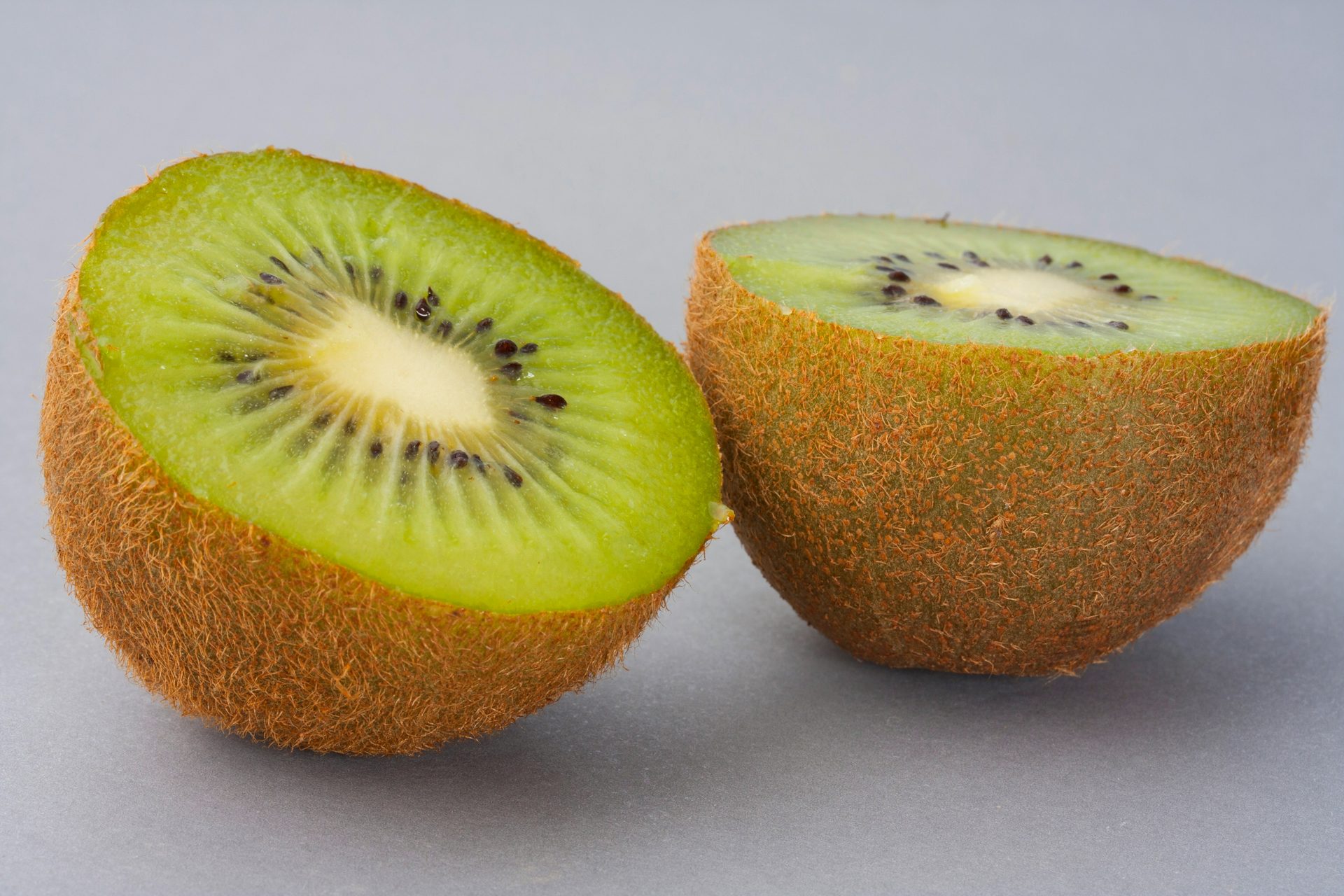
Kiwi is one of those fruits that seems to disappear from the counter faster than you expect — or, just as often, sits there a little too long before you get to it. If you’ve ever stocked up during a sale or found yourself with more than you can eat before they turn, you’ve probably wondered whether the freezer is a practical option.
The short answer is yes, you can absolutely freeze kiwi. Kiwi’s high water content and delicate skin make it a challenging fruit to preserve, but freezing it is entirely possible with a little care to maintain the fruit’s texture and nutritional value. This guide walks you through everything — from what freezing actually does to the fruit, to the best way to prep it, thaw it, and put it to use.
Can You Freeze Kiwi?
Yes, you can freeze kiwi, though it’s important to know that the texture may change after thawing. Freezing kiwi is a great option if you have surplus fruit or if you want to preserve it for later use in smoothies, baking, or other recipes.
When you freeze kiwi, its nutrients remain largely intact. The freezing process simply halts the natural decay of the fruit, preserving its nutritional content for an extended period. That means you’re not sacrificing much from a health standpoint — just some of the fresh texture.
Kiwi, known scientifically as Actinidia deliciosa, is native to China but is now grown around the world and widely available in US grocery stores year-round. A 100-gram serving of frozen kiwi contains approximately 61 calories, 14.7 grams of carbohydrates, and 2.1 grams of dietary fiber, and it is particularly high in Vitamin C, providing over 150% of the recommended daily intake per serving, along with smaller amounts of potassium, Vitamin K, and folate. If you’re interested in how kiwi fits into a health-focused diet, see this overview of superfoods for a healthy heart and this guide to powerful nutrients and foods that fight cancer.
Pro Tip: Always freeze ripe kiwi, not underripe fruit. Select ripe but firm kiwis for freezing to ensure the best texture and flavor.
Does Freezing Change the Texture or Taste of Kiwi?
Yes — and this is the one trade-off you need to know before you freeze a whole bag. Similarly to other fruit, the texture of kiwi changes once you thaw it. Basically, kiwifruit becomes mushy, and that difference is noticeable to anyone who pays attention.
Here’s why it happens: When kiwis are frozen, ice crystals form inside the fruit cells. If these ice crystals are too large, they can damage the cell walls, causing the fruit to lose its texture and flavor when thawed. Proper storage helps to minimize the formation of large ice crystals and preserve the quality of the kiwi.
Freezing may alter the texture, resulting in a softer product when thawed, but the flavor remains intact. That’s the key distinction: the sweet-tart taste you love about kiwi doesn’t disappear — it’s the firm, sliceable quality that does. All in all, freezing kiwi for either cooked or blended dishes is fine, but eating it as-is or in a fruit salad is iffy.
You also have a choice about the skin. By using the skin, you actually triple the fiber of the kiwi and preserve most of the vitamin C. You can peel the skin of the kiwi before freezing if you don’t like the taste. It’s a bit harder to peel off when the fruit has been thawed because it changes texture, so if you’re not a fan of the taste of the skin, it’s best to peel it off before freezing.
How to Freeze Kiwi the Right Way
The method matters here. While freezing whole peeled kiwis is an option, it has quite a lot of downsides. Whole kiwis take a lot of space, and defrosting takes time too. Plus the fruit tends to become super mushy. Sliced or diced kiwi gives you far better results.
Follow these steps for the best outcome:
- Check ripeness first. Kiwi is ripe when you can press the outside with your thumb and it gives to light pressure. If you apply pressure and the fruit doesn’t give at all, it is not ready to eat or preserve. If yours aren’t ripe yet, place them in a vented plastic bag with an apple or banana and leave them at room temperature for a day or two.
- Peel and slice. Always peel the kiwis first, then cut them into uniform slices or chunks. Think about how you’ll use them later — smoothie-ready diced pieces versus larger slices for garnishes.
- Flash freeze on a baking sheet. Spread the kiwi pieces in a single layer on a baking sheet lined with parchment paper and freeze for 1–2 hours, or until solid. This “flash freeze” step prevents them from clumping together into one big block.
- Transfer to airtight bags. Transfer the frozen pieces to a freezer-safe bag or container, squeeze out as much air as possible, and seal.
- Label with the date. Label the bags with the date to keep track of how long they’ve been in.
Pro Tip: Cut your kiwifruit in half or peel it before freezing — otherwise your whole kiwifruit could split open. Never put an unpeeled, whole kiwi directly in the freezer.
You can also use an optional sugar coat for longer storage. For a syrup pack, use 3 cups sugar to 4 cups water. For a dry sugar pack, use 1 cup sugar to 1 quart kiwifruit slices and toss to coat before packing. This is a technique recommended by the Oregon State University Extension Service , though it does add significant sugar to the fruit. Skip it if you’re going for a cleaner ingredient.
One important note from OSU Extension: kiwi contains the enzyme papain that breaks down protein, so frozen and fresh kiwifruit must be heated to boiling before it is used in gelatin dishes.
How Long Can You Freeze Kiwi?
Properly frozen kiwis will maintain great flavor for 10 to 12 months. That said, quality does decline over time even within that window.
Here’s what to expect at different stages:
| Time in Freezer | Quality | Best Use |
|---|---|---|
| 0–3 months | Best quality; taste and texture are still great | Smoothies, desserts, garnishes |
| 3–6 months | Still good; slight texture changes may appear | Smoothies, sauces, baking |
| 6–12 months | Safe to eat; more noticeable texture and flavor loss | Cooked applications, purees |
Store frozen kiwi in an airtight container or its original packaging in the freezer at 0°F (−18°C) or below. For optimal taste and texture, use within 6–8 months. Aim to use your frozen kiwi within that window for the best eating experience, even if it’s technically safe beyond it.
Remove as much air as possible from freezer bags to prevent freezer burn and maintain quality. A vacuum sealer is ideal, but pressing the air out of a zip-top bag before sealing works well too. For more on building a health-supportive pantry, check out this resource on whole plant-based foods.
How to Thaw Frozen Kiwi
How you thaw kiwi affects the final texture, so it’s worth doing it right. The best way to thaw frozen kiwi is to place it in the refrigerator overnight. This slow thawing process helps to preserve the texture and flavor of the kiwi.
If you’re short on time, place the frozen fruit under warm running water for 45 seconds before placing it in a bowl. Using this method, the frozen kiwi fruit will be thawed within 5 minutes or so.
To preserve the texture and flavor, thaw the frozen kiwi slices in the refrigerator. Avoid microwaving or using hot water — you don’t want to end up with mushy fruit.
For smoothies and blended recipes, you don’t need to thaw at all. The best uses for frozen kiwis often do not require them to thaw. You can use your kiwi slices in smoothies, drinks, and tarts. Tossing them straight from the freezer into the blender gives you a thicker, colder result — which is often exactly what you want.
Pro Tip: If you plan to use thawed kiwi in a fruit salad, thaw and strain the kiwi before adding it to the salad bowl to remove excess liquid and prevent everything from getting watery.
Can You Refreeze Kiwi After Thawing?
This is one area where you should be cautious. It’s generally not recommended to refreeze thawed kiwi, as it can affect the fruit’s texture, appearance, and nutritional value. When kiwi is thawed, the cells break down, and the fruit becomes more prone to bacterial growth and spoilage.
Refreezing thawed kiwi can cause the formation of ice crystals, which can damage the fruit’s texture and appearance, making it unappetizing and potentially unsafe.
The best way to avoid this situation is to freeze in portions from the start. To avoid having to refreeze thawed kiwi, freeze it in portions that you can use in a single recipe or meal, so you can thaw only what you need. Small freezer bags with one or two servings each make this easy. If you’ve thawed kiwi and won’t be using it immediately, it’s best to consume it within a day or two, or use it in a recipe where the texture and appearance won’t be affected, such as in smoothies or baked goods.
How to Use Frozen Kiwi (Best Uses After Freezing)
Once you accept that thawed kiwi won’t have the same firm texture as fresh, you’ll find it’s actually a versatile ingredient. Freezing changes the texture of the fruit, making it ideal for smoothies or baked goods rather than fresh consumption. Here are the best ways to put it to work:
- Smoothies: This is the most popular use. You can add frozen kiwi to any smoothie, use it in fruit salads, top yogurt with it, use it in cocktails, and it makes a great sorbet. Drop it straight from the freezer into the blender for a thick, cold result.
- Sorbet and frozen desserts: Make frozen kiwi sorbet by adding 1 teaspoon of lemon juice before blending the mixture in a blender for one minute. Add vanilla extract, honey, and a few ice cubes and blend the mixture to get a smooth sorbet texture.
- Oatmeal and breakfast bowls: Add some thawed kiwi fruit to your bowl of oatmeal or muesli before placing it in the microwave for two minutes.
- Salads (with prep): You can add one cup of diced kiwi fruit to 3 cups of green leafy vegetables and toss well while adding olive oil, lemon juice, salt, and pepper for taste — just strain the thawed kiwi well first.
- Meat tenderizer: Frozen kiwi can be used to tenderize meat. The natural enzyme papain breaks down protein, making it a useful marinade ingredient.
- Jams and preserves: Kiwi is high in acid and low in pectin. When making jams and jellies, it is best to use recipes with added pectin.
Kiwi is also a notable fibroid-healing food and supports healthy skin thanks to its high vitamin C and antioxidant content — benefits that frozen kiwi largely preserves.
Signs That Frozen Kiwi Has Gone Bad
Even in the freezer, kiwi can go bad — especially if it’s been stored too long, wasn’t sealed properly, or has suffered freezer burn. Here’s what to look for before you use it:
- Visible mold: Apparent signs of spoilage include visible patches of mold on the skin that appear like flecks of white. Kiwis are relatively small, so it’s best to throw away the entire fruit instead of cutting out the mold.
- Off odor: Spoiled kiwis give off a sour or alcoholic smell, which is a clear indication of fermentation and spoilage. Ripe kiwis, on the other hand, have a sweet, slightly tart aroma.
- Excessive mushiness after thawing: If the kiwi feels excessively mushy or soft after thawing, it’s time to discard it. While some softness is normal for thawed kiwi, excessive mushiness signals spoilage.
- Slimy texture: If you notice off odors, slimy texture, or mold growth, it’s best to discard the frozen kiwi immediately.
- Shriveled appearance or freezer burn: Other visual signs of spoilage include a shriveled and dry outer skin. Heavy freezer burn — visible as dry, grayish patches — won’t make kiwi unsafe but will significantly damage its flavor and texture.
Important Note: Check the fruit every month for signs of mold or spoilage when storing kiwi for longer periods. Keeping bags labeled with the freeze date makes this much easier.
Frequently Asked Questions
Can you freeze whole kiwi with the skin on?
You should cut your kiwifruit in half or peel it before freezing, otherwise the whole kiwifruit could split open. Freezing with the skin on a sliced piece is fine if you don’t mind the texture, but peeling first is easier and gives cleaner results.
Does freezing destroy kiwi’s vitamin C?
Frozen kiwi retains most of its nutritional value, including vitamin C, fiber, and antioxidants. You lose very little nutrition in the freezing process, making it a practical way to keep kiwi’s health benefits on hand. For more on nutrient-dense foods, see this guide to foods that promote healthy eyesight and foods that support liver function.
How long does fresh kiwi last before I need to freeze it?
Ripe green kiwifruit lasts up to 5 days and SunGold kiwifruit lasts up to 7 days in the fridge. Unripe kiwis can last for a month or even longer in the fridge. If you’re approaching that window and won’t use them in time, freeze them.
Can I freeze kiwi puree?
Kiwi can be frozen whole, sliced, or pureed, depending on the intended use. For puree, pour it into an ice cube tray, freeze until solid, then transfer the cubes to a freezer bag. Each cube is a ready-to-use smoothie portion.
Is frozen kiwi good for smoothies?
Absolutely. Frozen kiwi’s frozen form helps maintain much of its nutrient profile while allowing for longer shelf life and easy use in smoothies, desserts, or as a refreshing snack. It also eliminates the need for ice, giving your smoothie a thicker consistency.
Can I store kiwi near apples or bananas in the freezer?
Do not store kiwis with ethylene-producing fruits like apples and bananas, as this can cause them to ripen too quickly and spoil faster. This applies in the fridge as well as on the counter — in the freezer, keep them in a sealed bag to prevent any flavor transfer.