
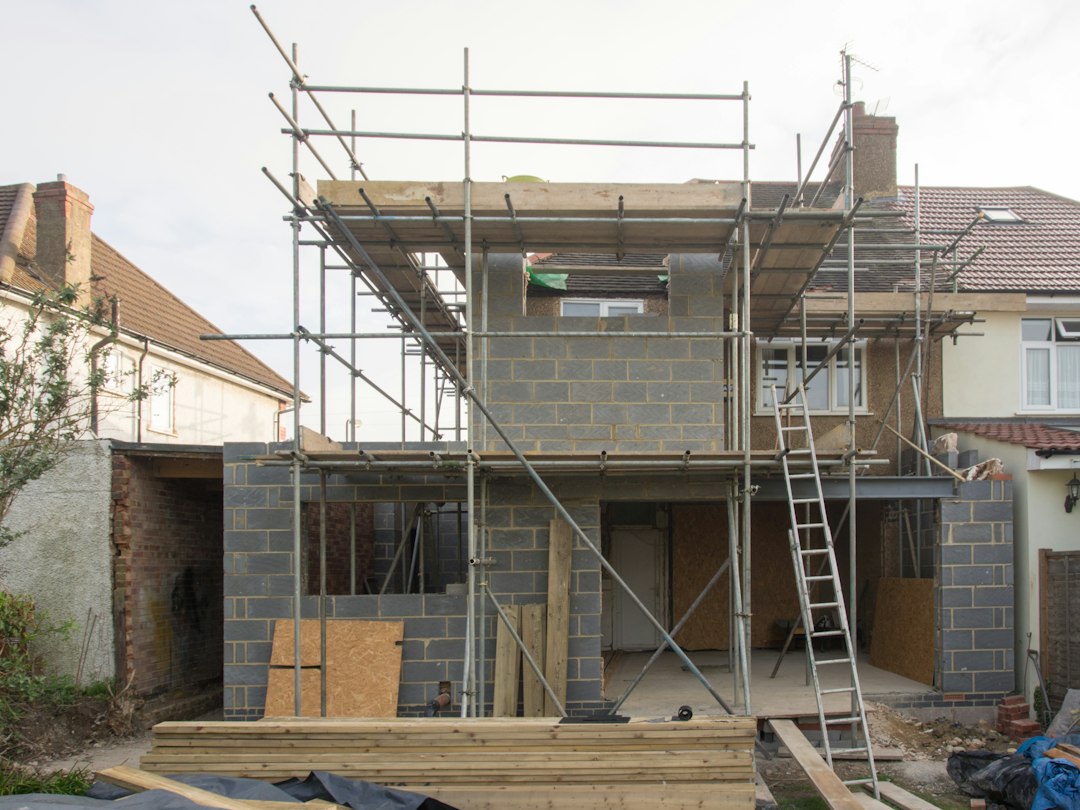
Building a house in Colorado puts you in one of the most geographically diverse — and financially demanding — construction markets in the country. Whether you’re eyeing a suburban lot on the Front Range or a mountain retreat near Breckenridge, your budget will look very different depending on where you plant your foundation.
This guide breaks down every major cost category you need to plan for, from raw land and permits to framing, finishes, and the honest comparison of building versus buying in today’s Colorado market.
Average Cost to Build a House in Colorado
The average cost to build a house in Colorado ranges from $300,000 to $750,000 for a basic builder-grade home, or $450,000 to $1,500,000 for a custom home, not including land or site preparation. Those numbers cover a wide spectrum, and where your project lands depends heavily on location, size, and the level of customization you choose.
Colorado’s market is distinct from other states due to its high demand for housing, particularly in urban areas like Denver and Boulder. That demand pressure filters directly into contractor availability, material costs, and permitting timelines — all of which affect your final number.
Key Insight: These total project figures exclude land. Once you add the lot purchase, site prep, permits, and utility hookups, your all-in budget can increase substantially — especially in metro areas.
For context, the nationwide average cost to build a house is $180 to $280 per square foot for a basic builder-grade home and $280 to $450+ per square foot for a home with upgraded finishes, not including land or site prep. Colorado consistently runs above those national benchmarks.
Here is a quick reference for average total build costs by home tier in Colorado:
| Home Type | Estimated Total Cost (Excl. Land) | Typical Cost Per Sq Ft |
|---|---|---|
| Basic / Builder-Grade | $300,000 – $750,000 | $200 – $300 |
| Mid-Range Custom | $450,000 – $1,000,000 | $300 – $500 |
| Luxury / High-End Custom | $1,000,000+ | $600 – $1,000+ |
| Mountain Resort Area (Aspen, Vail) | $2,000,000+ | $1,000+ |
Cost to Build a House Per Square Foot in Colorado
Building a house in Colorado costs $200 to $500 per square foot, depending on the location, house size and style, and the materials, finishes, and fixtures you choose. That range reflects the enormous variation across the state’s regions and build types.
Building a house in Colorado costs an average of $220 per square foot in 2025, with total project costs ranging from $160 to $280 per square foot depending on location, quality level, and specifications. For a standard 2,000-square-foot home, that puts construction costs alone at roughly $440,000 before land.
Custom and luxury builds push well beyond that baseline. As of early 2025, Colorado builders are consistently seeing $400 to $700 per square foot for construction alone, and $200 to $300 per square foot for value-conscious projects. At the extreme end, the average cost per square foot in Vail or Aspen can exceed $1,000, especially for luxury properties with high-end materials, vaulted ceilings, and large glass facades.
Pro Tip: Ranch-style homes often cost more per square foot than two-story homes because they require more foundation and exterior wall area for the same total square footage. If you’re budget-conscious, a two-story layout can stretch your dollars further.
Mountain towns carry a particularly steep premium. The average construction costs for mountain towns in Colorado can be twice or even three times that of metro areas, because materials and labor often need to be brought in from urban centers, fewer local tradespeople are available, and shorter building seasons extend project timelines and increase costs.
Cost Breakdown: What You’re Actually Paying For in Colorado
Your construction budget isn’t one lump sum — it’s a stack of individual line items. Understanding what each category costs helps you identify where you have flexibility and where you don’t.
Foundation
Pouring a concrete slab foundation costs $6 to $14 per square foot, or $12,000 to $28,000 total on average. Concrete slab-on-grade foundations are the most common type in Colorado due to their ability to withstand movement caused by the swell-shrink cycle of the region’s Bentonite clay soil. If you want a basement, expect to pay significantly more: an unfinished basement foundation costs $35 to $50+ per square foot.
Framing
Framing a house costs $11 to $30 per square foot, or $20,000 to $70,000 total for a typical house including roof trusses. Framing takes 30 to 60+ days depending on the home’s size and layout. Lumber remains one of the most volatile cost components due to supply chain fluctuations.
Roofing
Roof installation costs $3 to $6+ per square foot on average, or around $6,000 to $18,000 total depending on the material. Asphalt shingles are a popular roofing choice in Colorado and fall within this price range.
Electrical, Plumbing, and HVAC
The average cost to wire a house is $4 to $9 per square foot, or $8,000 to $22,500 total. New plumbing costs $8,000 to $12,000, depending on the home’s layout and the pipe material used. For heating, furnaces are the most common heating method in Colorado, and a new furnace and ductwork costs $3,500 to $7,500+, depending on the size and brand.
Exterior Finishes
New house siding costs $4 to $15 per square foot on average, or $8,000 to $37,000 total, depending on the material and quality. Vinyl siding is a popular, affordable option, while other common choices in Colorado include fiber cement, composite, or wood siding.
Interior Finishes
Interior fixtures and finishes make up a significant portion of the total construction cost, and prices can vary widely depending on the quality. Finishes include cabinets, countertops, flooring, painting or wallpaper, lighting, and more. Specifically, cabinets cost $150 to $500 per linear foot, countertops cost $50 to $150 per square foot installed, and flooring costs $4 to $15 per square foot on average.
Labor
Labor costs for building a home in Colorado generally range from 40 to 50 percent of the overall cost of construction. Skilled tradespeople like carpenters, electricians, and plumbers are another substantial component of building costs, and demand for labor in the construction industry has increased, particularly in urban areas, driving up wages.
Permits and Fees
Building permits typically range from $2,000 to $6,000, depending on the project’s scope and location. In Colorado Springs specifically, building permits run around $3,500 to $4,500, with tap fees totaling $20,000 to $25,000. In more remote areas like Woodmoor or Monument, higher fees apply, with utility tap fees reaching $45,000 to $55,000 and permits costing around $8,000.
Important Note: Permit and tap fee costs vary significantly by county and municipality. Always contact your local building department early in the planning process — these fees can add tens of thousands of dollars to your budget that are easy to overlook.
Solar Panels
Solar panels are popular in Colorado, and the state offers a variety of rebates and tax incentives for residential installations. Solar panels cost $2.82 to $4.60 per watt, or $11,800 to $19,300 total for a 6-kW system after subtracting the federal tax credit.
Cost of Land in Colorado
Land is one of the most variable — and often underestimated — costs in a Colorado build. The average cost of land in Colorado is $10,000 to $15,000 per acre, but costs vary significantly by location. Asking prices for construction-ready home lots in highly desirable locations can exceed $200,000 per acre.
If you’re building near a major metro, expect to pay considerably more. In metro suburbs, land typically costs between $250,000 and $750,000 or more per acre, depending on proximity to city centers and available infrastructure. Premium lots with scenic views or elevated privacy can command $500,000 to over $1.5 million per acre in foothill or mountain-adjacent communities.
Rural land is dramatically more affordable, though it comes with tradeoffs. Rural areas offer prices ranging from $5,000 to $50,000 per acre, though these often come with additional expenses for bringing in utilities, building access roads, and preparing the site for construction. If you’re considering a suburban lot in a developing area, medium lots of 0.25 to 1 acre in developing areas offer moderate pricing and good value.
Here is a summary of what to expect for land pricing across different Colorado settings:
| Location Type | Estimated Land Cost Per Acre |
|---|---|
| Urban (Denver core, infill lots) | $100,000 – $1M+ |
| Metro Suburbs (Front Range) | $250,000 – $750,000 |
| Suburban / Developing Areas | $15,000 – $75,000 |
| Rural Colorado | $3,000 – $50,000 |
| Mountain Resort Areas (Aspen, Vail, Summit County) | $115,000 – $1M+ |
Beyond the purchase price, a land survey costs $400 to $1,800 for a new home site. The surveyor will identify property boundaries and mark the proposed foundation borders and locations of utility lines. Site preparation — clearing, grading, and drainage — adds another layer of cost, particularly on sloped or rocky terrain. If you’re planning to build in Colorado and want to understand how apartment rental costs compare while you wait for construction to complete, you can review apartment costs in Colorado to help plan your interim housing budget.
Common Mistake: Buyers often focus only on the per-acre price and overlook utility access costs. Bringing electricity to a lot without existing service can add $20,000 to $150,000 to your project — a number that can completely shift the economics of an otherwise affordable parcel.
Factors That Affect Building Costs in Colorado
No two Colorado builds cost the same, and several state-specific factors push prices higher than national averages.
Location Within the State
Where you build is the single biggest variable. The statewide average construction cost in Colorado lands near $230 per square foot, but local variations are significant: Aspen runs $750 to $800+ per square foot, and Summit County starts at $300+ per square foot for construction alone. Denver sits in the middle of the cost spectrum but carries high land and permitting costs that push total project budgets upward.
Home Size and Design Complexity
The size of your home and the quality of finishes, fixtures, and materials have the biggest impact on the total construction cost. The kitchen design and the number of bathrooms also influence the cost. Complex rooflines, open-concept layouts with large spans, and custom architectural details all require additional engineering and skilled labor.
Material Costs and Supply Chain Pressures
The cost of materials is influenced by factors like supply chains, project scale, and custom requirements. Lumber, concrete, roofing, and insulation are core materials, and recent fluctuations in material costs due to supply chain issues have raised prices. Lumber prices in Colorado have seen significant spikes, impacting the overall cost of construction. According to the RLB Q3 2025 Cost Report, prices for HVAC systems, structural steel, and aluminum remain elevated, reflecting broader national inflation trends.
Labor Shortages
Skilled labor in Colorado is relatively expensive compared to other markets. Because labor is in short supply, demand continues to drive labor costs in every category. This is especially acute in mountain communities where fewer local tradespeople drive up labor prices.
Energy Codes and Sustainability Requirements
Colorado has adopted more robust energy codes, including solar-ready and all-electric requirements in many jurisdictions. With Denver’s sustainability push, more projects are investing in efficient HVAC systems, advanced insulation, and low-energy lighting — all of which affect upfront costs but lower long-term operating expenses.
Wildfire Safety Measures
Preparing land in hilly or forested areas can be expensive, and implementing wildfire safety measures is also essential, adding to overall expenses. Fire-resistant roofing, ember-resistant vents, and defensible-space landscaping are increasingly required in wildland-urban interface zones across the state.
Terrain and Site Conditions
Plots on a slope will cost more because of the cost of grading, the need to dig a deeper foundation, or the potential need for retaining walls to keep the foundation in place. Rocky or clay-heavy soils also require additional foundation engineering, which adds both time and cost. A soil test — typically $1,000 to $2,000 — is worth doing before you purchase any lot.
If you’re weighing your options in Colorado Springs specifically, reviewing Colorado Springs apartment costs can give you a useful benchmark for what renting costs while your new home is under construction.
Building vs. Buying a House in Colorado
The build-versus-buy question doesn’t have a universal answer in Colorado, but the financial math currently favors buying for most people.
It is usually cheaper to buy a house than build one in Colorado, but it depends greatly on the location and whether you build a basic builder-grade home or a custom home. According to the most current real estate market data, the median sale price for single-family homes in Colorado is $671,400.
Compare that to the cost of building. The average price to build a house in Colorado is $300,000, and this amount can go beyond $400,000 once you include land costs, excavations, permits, and other expenses. For a custom home, total all-in costs regularly exceed the median purchase price — often by a wide margin.
The time difference is equally significant. While new homes take 9 to 12 months to complete, homes for sale in Colorado close in just 1 to 2 months, with more listings and lower prices.
| Factor | Building | Buying |
|---|---|---|
| Upfront Cost | Higher (construction + land + fees) | Lower in most markets |
| Timeline to Move In | 9 – 14+ months | 1 – 2 months |
| Customization | Full control over design and finishes | Limited to existing layout |
| Immediate Repairs | None (new construction warranty) | Possible with older homes |
| Energy Efficiency | Built to current codes; lower utility bills | Varies by age of home |
| Financing Complexity | Construction loans required; more steps | Standard mortgage process |
That said, building offers long-term advantages that buying can’t match. Building new offers long-term value through modern energy efficiency, saving 30 to 50 percent on utilities, no immediate repairs, warranties, and complete customization. If you already own land, people who own land already can almost always build a home cheaper than buying a prebuilt home.
Purchasing an existing home offers immediate availability, eliminating construction delays and allowing for a quicker transition. Buying in established neighborhoods can also provide immediate equity, especially in areas with appreciating property values.
For those exploring the broader Colorado housing market, you may also find it helpful to look at apartment rental costs in Colorado as a reference point for what the rental market looks like while you plan your build or purchase.
How to Save Money When Building a House in Colorado
Building in Colorado is expensive, but there are concrete strategies that can meaningfully reduce your total project cost without sacrificing quality.
Choose a Simpler Floor Plan
Complex rooflines, curved walls, and multi-level designs all require additional engineering and skilled labor. A straightforward rectangular or L-shaped floor plan uses materials more efficiently and reduces framing complexity. Custom features and unique designs add 15 to 30 percent to your build cost, so simplifying the design is one of the fastest ways to control spending.
Use Mid-Range Finishes Strategically
Interior finishes are where budgets most often spiral. Using mid-range finishes is advisable because luxury upgrades can double costs. Consider reserving premium materials for high-visibility areas like the kitchen and primary bath, while using standard-grade finishes in secondary spaces. You can always upgrade later.
Act as Your Own General Contractor
Colorado allows owner-builders, but you’ll need to obtain all permits, manage subcontractors, ensure code compliance, and handle inspections yourself. This can save 15 to 20 percent in general contractor fees but requires significant time, construction knowledge, and project management skills. This path works best for people with construction experience or the capacity to dedicate significant time to the project.
Build in the Off-Season
Colorado’s construction season is driven by weather, and demand for contractors peaks in spring and summer. Scheduling your groundbreaking for late fall or winter — where terrain and climate allow — can sometimes yield better contractor availability and more competitive bids.
Get Multiple Bids
Shopping around for builders is important because permit and utility fees vary by locale. The same applies to subcontractors. Getting at least three bids for major trades — framing, electrical, plumbing, and HVAC — gives you real market data and negotiating leverage.
Invest in Energy Efficiency Upfront
Engineered solutions like steel beams, SIP panels, or high-performance envelopes cost more upfront but improve long-term durability and energy efficiency. Colorado’s solar incentives can offset a meaningful portion of panel installation costs, and a well-insulated, efficient home lowers your operating costs for decades.
Pro Tip: Colorado allows you to finance your build with a construction-to-permanent loan, which covers land purchase and construction costs and then converts to a standard mortgage once the home is complete. This simplifies the financing process and can reduce your closing costs compared to taking out two separate loans.
Choose Your Lot Carefully
A cheaper lot isn’t always the bargain it appears to be. Sloped terrain, rocky soil, or a lack of utility access can add tens of thousands of dollars to your site preparation costs. It is worth spending $1,000 to $2,000 on a subsurface soil test to identify potential issues like clay or expansive soils before purchasing a lot. That small investment can save you from a very expensive surprise.
Plan Early and Model Costs Before You Commit
Early cost modeling and pre-design planning can help offset expenses and prevent approval delays. Working with your architect and builder during the design phase — before permits are pulled — lets you make cost-saving decisions when they’re still easy to implement. Changes made during construction are far more expensive than changes made on paper.
If you’re building a smaller structure on your property, such as a greenhouse or workshop, it’s worth understanding those costs separately. You can review greenhouse construction costs for a comparable breakdown of smaller-scale builds in Colorado’s climate. For those comparing housing costs across different states and cities while planning a relocation, resources covering Idaho apartment costs, Phoenix apartment costs, and Las Vegas apartment costs can help you benchmark Colorado against neighboring markets.