Can You Freeze a Bag of Shredded Lettuce? What Actually Happens

May 5, 2026
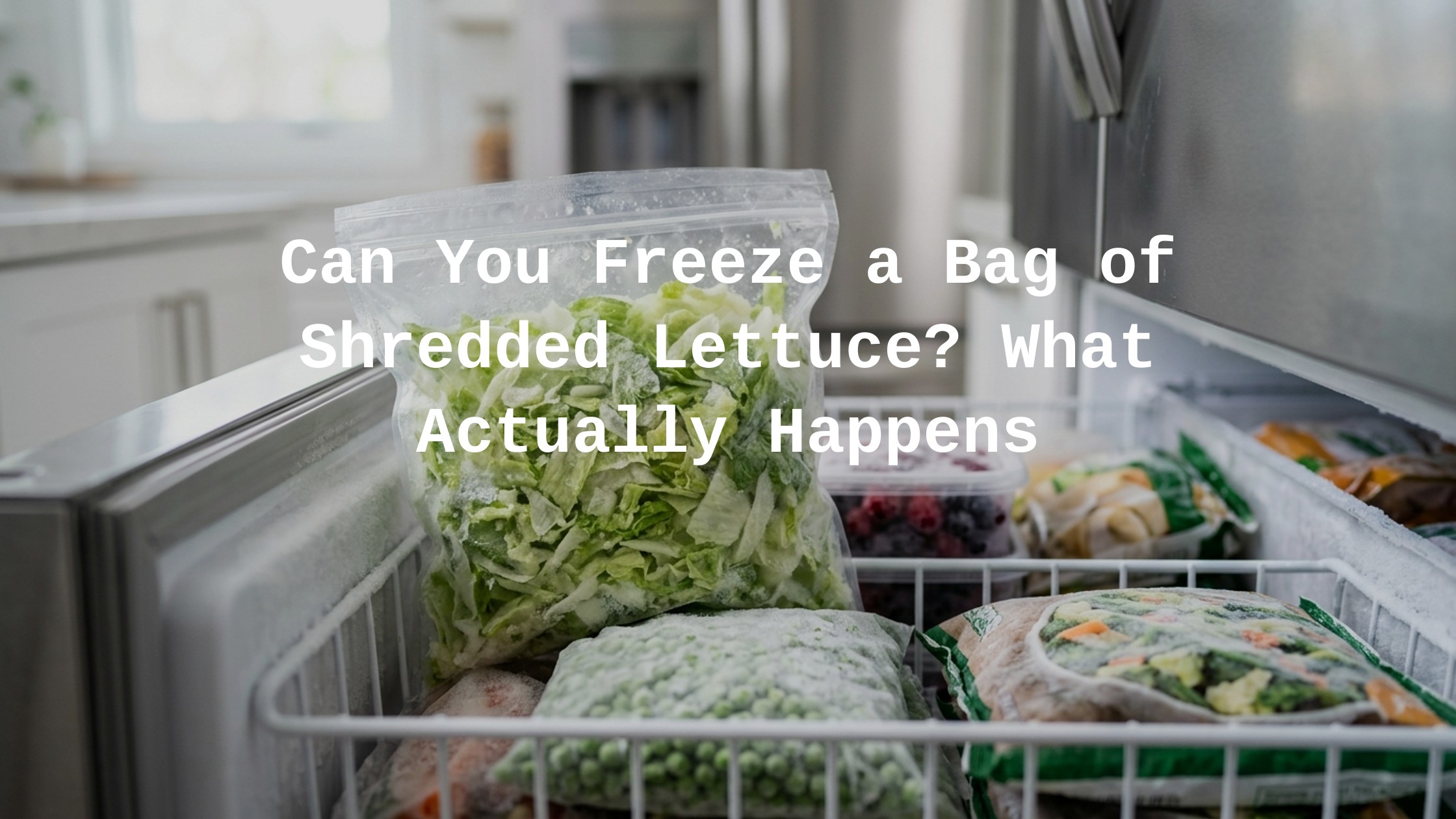
That half-used bag of shredded lettuce sitting in your fridge can feel like a race against the clock. One day it’s crisp and fresh, and seemingly overnight it’s wilted, slimy, and headed for the trash. If you’ve ever stared at a bag of shredded lettuce you can’t finish in time, you’ve probably wondered whether the freezer is a solution.
The answer is more nuanced than a simple yes or no — and knowing the difference between what freezing can do and what it can’t do will save you from a lot of disappointment. This guide walks you through everything you need to know about freezing shredded lettuce, from realistic expectations to the right technique, storage times, and smart ways to actually use it afterward.
Yes, You Can Freeze Shredded Lettuce — Here’s What to Know First
Before you toss that bag straight into the freezer, it helps to understand what you’re working with. There are two factors that impact how well a particular lettuce freezes: lettuce type and where the lettuce comes from. Both matter more than most people realize.
Bagged lettuce is generally softer and more delicate. Delicate lettuces like arugula, spring mix, or red leaf are not good candidates for freezing. Bagged lettuce is also typically a mix of different greens, so even if some will stand up to freezing, others may not.
On the other hand, a lettuce named iceberg is not well equipped to handle the arctic temperatures of your freezer. Instead, you should look for a thicker-leafed lettuce such as romaine or Cos types and Boston or Bibb types, aka Butterheads.
Key Insight: Romaine shredded lettuce freezes far better than iceberg-based shredded lettuce. If your bag contains primarily iceberg, manage your expectations — it will be best reserved for blended or cooked applications only.
The other important thing to know upfront: being able to freeze food and being pleased with the quality after defrosting are two different things. Some foods simply don’t freeze well — examples are mayonnaise, cream sauce, and lettuce. That said, freezing shredded lettuce is absolutely a valid food-saving strategy as long as you know how to use it afterward.
Can You Freeze Shredded Lettuce? The Short Answer
Yes, you can freeze shredded lettuce. You can also freeze pre-packaged bagged lettuce from the grocery store. You will want to remove the lettuce from the original packaging and store it in a freezer-safe bag. Be sure to remove any excess air from the bag.
However, the key caveat is what you plan to do with it afterward. If you’re hoping to unfreeze your lettuce and make the salad of your dreams, you will need to think again. Frozen lettuce is not meant to be used as a conduit for croutons and ranch dressing — instead, envision a world beyond the salad bowl. Frozen lettuce makes a great addition to soups, stocks, quiches, and casseroles.
The bottom line: frozen lettuce is safe if it stayed frozen, but expect loss of crispness and use it in cooked dishes rather than raw salads. That’s a perfectly reasonable trade-off when the alternative is throwing the whole bag away.
Does Freezing Change the Texture or Taste of Shredded Lettuce?
Yes — and it’s worth being honest about this so you’re not caught off guard. The science behind it is straightforward. Freezing causes ice crystals to form within the lettuce’s cell walls. Because lettuce is so delicate and so high in water content, these crystals cause the cells to rupture, leading to unsightly and off-tasting crystallization.
When you thaw it, those crystals rupture cell membranes and break tissue structure. On thawing, water leaks out, creating a soggy, limp mass — leaves lose crispness and color may become darker or translucent.
The good news is that flavor holds up better than texture. Freezing shredded lettuce doesn’t change the taste at all. However, freezing can change the texture of your lettuce. Similarly, if your lettuce was in good condition before freezing, it will be fine to use in dishes after freezing. Even though the texture will be different, the taste will remain the same.
Important Note: Nutritional loss from freezing is minimal for most vitamins, but flavor stays mostly harmless, though it can be watered-down or slightly metallic from cell damage. Nutritional loss is minimal for most vitamins, but some water-soluble nutrients can leach into the thaw liquid. To minimize this, use the thaw liquid in soups or smoothies rather than discarding it.
Iceberg-based shredded lettuce tends to suffer the most. Iceberg’s thin leaves don’t hold up well in the freezer — expect some serious texture and structure changes. Romaine-based shredded lettuce fares considerably better. Romaine’s thicker leaves and lower water content make it a better choice for freezing.
How to Freeze Shredded Lettuce the Right Way
Proper technique makes a real difference in the quality you get back from the freezer. Follow these steps for the best results.
Step 1: Start with Fresh Lettuce Only
Freezing lettuce once it has reached its best-before date is a big no-no. There’s still a good chance that it will go bad in the freezer, so unfortunately, you’ll have to throw it out. Only freeze lettuce that is still in good, fresh condition — the freezer preserves quality, it doesn’t restore it.
Step 2: Rinse and Dry Thoroughly
Even if your bagged shredded lettuce is labeled pre-washed, give it a final rinse. Then dry it as thoroughly as possible. Pat the leaves dry gently with a clean kitchen towel or paper towels to ensure they are completely moisture-free, as excess water can lead to freezer burn.
Excess water on the lettuce can lead to ice crystal formation during the freezing process, which can damage the texture of your salad leaves. To prevent this, use a salad spinner or pat the leaves dry with a clean cloth or paper towel.
Step 3: Optional — Blanch for Better Results
If you want to maximize texture retention and color preservation, consider blanching first. If you don’t have a lot of time to freeze the lettuce, you can shred it and freeze it in airtight containers or freezer bags. However, if you’re looking to preserve the most nutrients and taste of the shredded lettuce, it’s recommended to blanch it before freezing.
The blanching process is simple: bring a pot of water to a boil, fill a large bowl with ice water, place the shredded lettuce in the boiling water for 1–2 minutes, quickly transfer the lettuce to the ice water to stop the cooking process, then drain and pat dry with paper towels.
Step 4: Transfer to a Freezer-Safe Bag
Freezer bags work better than regular storage bags because they combat freezer burn. Place your leaves into freezer bags and be sure to remove as much of the excess air as possible. If you own a vacuum sealer, this is a great time to use it — lettuce will last longer if you use a vacuum sealer to preserve the freshness of your food.
Don’t overfill the bag. Make sure not to overfill your freezer bag as this will cause the leaves to crush one another, which will further affect their quality.
Step 5: Label and Freeze Flat
Label the bag with the date and place it in the freezer. Store the sealed bag or container flat on a freezer shelf where it won’t be crushed by heavier items, ensuring the lettuce remains separated and easy to portion out as needed.
Pro Tip: Consider the puree method as an alternative. You can also freeze lettuce by pureeing it and freezing it in ice cube trays for liquid recipes like smoothies and soups. This method actually yields better results for blended applications and avoids the texture issue altogether. Learn more about types of food preservatives and how different preservation methods compare.
How Long Can You Freeze Shredded Lettuce?
Storage time depends on the variety of lettuce, how well it was prepared, and the quality of your freezer packaging. According to the Food and Drug Administration (FDA) and the United States Department of Agriculture (USDA), you can freeze shredded lettuce for up to 6 months, assuming you are storing it in an airtight container, freezer bag, or plastic wrap.
That said, quality degrades over time even in the freezer. While you can technically freeze lettuce for up to six months, its quality may start to decline the longer it stays in the freezer. For optimal taste and texture, it’s recommended to use frozen lettuce within a few months of freezing.
| Storage Method | Estimated Freezer Life | Best Quality Window |
|---|---|---|
| Standard freezer bag (air removed) | Up to 6 months | First 1–2 months |
| Vacuum-sealed bag | Up to 6+ months | First 3 months |
| Pureed in ice cube trays | Up to 9 months | First 3–4 months |
| Original store bag (not recommended) | 1–2 months | First few weeks |
Keep in mind that shredded lettuce will last less than whole lettuce. Also, there are higher risks of growing bacteria in shredded lettuce. This makes proper packaging and prompt use especially important. You can also explore how to ship frozen food if you ever need to transport frozen produce safely.
How to Thaw Frozen Shredded Lettuce
How you thaw your shredded lettuce matters almost as much as how you froze it. There are two main approaches depending on what you plan to do with it.
Thaw in the Refrigerator (Recommended)
Remove the bag of lettuce from the freezer and place it in the refrigerator to thaw overnight. This is the gentlest method and helps preserve as much quality as possible. Place the freezer bag on a dish towel or plate while thawing to prevent water from staining your countertop.
Thaw at Room Temperature
All you need to do is take your frozen lettuce out of your freezer and allow it to defrost at room temperature. Usually, this only takes about 60 minutes. However, you’ll want to defrost the lettuce in a bowl or container as leaving it directly on the worktop will cause a mess since there’ll be a lot of excess water from thawed lettuce.
Thaw Under Cold Running Water
If you are limited on time, you can thaw it under running water. Run cold water over the bag or container of thawed shredded lettuce until all ice has melted away — this should only take about 5 minutes.
Common Mistake: Don’t thaw shredded lettuce in the microwave — because the lettuce is shredded, it can start cooking very quickly. Stick to refrigerator, room temperature, or cold-water thawing methods only.
Using Directly from Frozen
For cooked applications like soups, stews, and stir-fries, you don’t need to thaw at all. Use lettuce directly from the freezer in cooked dishes. Avoid defrosting to maintain some texture. Just drop the frozen shredded lettuce straight into your hot dish and let it cook down naturally.
Can You Refreeze Shredded Lettuce After Thawing?
This is an important food safety question — and the answer is no. The FDA and USDA state that you should not refreeze shredded lettuce after it’s thawed. This is because it could cause bacteria to grow in the product, which may make you sick.
The science behind this is straightforward. Freezing to 0°F inactivates any microbes — bacteria, yeasts, and molds — present in food. Once thawed, however, these microbes can again become active, multiplying under the right conditions to levels that can lead to foodborne illness.
Even if you don’t use all the lettuce after you have defrosted it, you’ll be able to keep it in the fridge for about seven days. Just make sure that you don’t try to freeze it again as the results will not be good.
Important Note: To avoid waste after thawing, freeze shredded lettuce in small, single-use portions. That way, you only thaw exactly what you need for each recipe without leftovers you can’t refreeze.
How to Use Frozen Shredded Lettuce (Best Uses After Freezing)
Once your shredded lettuce has been frozen and thawed, forget the salad bowl — there are plenty of delicious ways to put it to work. The key is choosing applications where soft texture is either irrelevant or an asset.
Soups and Stews
Thawed lettuce tends to lose its crispness and become limp and moist. However, there are still plenty of ways to creatively incorporate it into dishes. Consider using thawed lettuce in soups, stews, or smoothies where its texture won’t be as noticeable but its nutrients can still contribute to the dish’s overall flavor and health benefits. You can add it directly from frozen — no thawing required.
Lettuce adds a mild, slightly sweet flavor to broths. Frozen lettuce (romaine) tastes remarkably similar to spinach and can be used interchangeably in recipes. This makes it an excellent budget-friendly substitute when you’re out of spinach for soups, stews, or casseroles. For more ideas on whole plant-based foods you can incorporate into meals, check out our guide.
Smoothies
Frozen shredded lettuce blends seamlessly into smoothies. Adding it frozen to a berry smoothie will provide you with an icy beverage that contains hidden nutrients that you would hardly detect coming from greens. Pair it with banana, mango, berries, and your favorite plant-based milk for a nutrient-packed drink. Lettuce is a surprising source of nutrients that support overall health — learn more about foods that boost brain health and how greens fit in.
Stir-Fries
Throw it in a pan with a myriad of other vegetables for a great stir fry. The soft texture of thawed lettuce works well in stir-fries, especially romaine-based varieties. Add it toward the end of cooking so it wilts without turning mushy. This is also a great way to incorporate more heart-healthy foods into your weekly meals.
Casseroles and Quiches
As the texture may be a little affected, using frozen greens in soups, stews, smoothies, and quiche where the texture is not so important is a smart approach. Frozen shredded lettuce works beautifully as a spinach substitute in egg-based dishes, adding nutrition without altering the overall flavor profile.
Lettuce Ice Cubes for Cooking
If you pureed your lettuce before freezing, lettuce soup actually freezes very well. Lettuce soup is probably the best use of frozen lettuce other than lettuce ice cubes for a smoothie. Pop a cube or two directly into your blender or soup pot — no thawing needed. Adding greens to your diet this way also supports healthy eyesight and skin health, since lettuce contains beneficial vitamins and antioxidants.
Pro Tip: Keep in mind that a fair amount of water will be released on cooking from frozen. Always take this into account when calculating cooking time and determining the desired consistency of your dish. You may want to reduce other liquids in your recipe slightly to compensate.
Signs That Frozen Shredded Lettuce Has Gone Bad
Even in the freezer, shredded lettuce can go bad — especially if it was stored too long, improperly packaged, or exposed to temperature fluctuations. Here’s what to look for before using it.
Before Freezing: Red Flags to Watch For
Only freeze lettuce that passes a freshness check. Fresh lettuce should be vibrant in color and crispy with a neutral smell. Wilting leaves, brown spots, and an unpleasant smell are all signs that lettuce has gone bad. Remove spoiled leaves from the batch to prevent the rest of the lettuce from going off too quickly.
Signs of Freezer Burn
Freezer burn does not make food unsafe — it merely causes dry spots. It appears as grayish-brown leathery spots and is caused by air coming in contact with the surface of the food. For lettuce, freezer burn typically means the affected portions will taste bland or papery. If your lettuce becomes freezer burnt, it’s best to discard it, as the flavor and texture will be negatively affected.
Signs After Thawing
Once thawed, inspect your shredded lettuce carefully before using it. Discard it if you notice any of the following:
- Off or sour smell: If your shredded lettuce has started to turn brown or has an off smell, it has gone bad and should be thrown out.
- Unusual sliminess: Whether it’s the slick surface on a cucumber or the gooey film on cooked chicken, slime is always a bad sign. It usually means bacteria have taken hold and the food is no longer safe. The same applies to thawed lettuce.
- Heavily discolored or dark leaves: Some darkening is normal after freezing, but leaves that turn black, gray, or develop a translucent, mushy appearance throughout should be discarded.
- Previously thawed and refrozen: If it froze and then partially thawed for a while at refrigerator temperatures, or was sitting at warm temperature before freezing, there’s a greater food-safety risk — discard if it smelled off, was slimy before freezing, or if you’re unsure about temperature history.
Common Mistake: Don’t assume frozen lettuce is safe just because it was in the freezer. Freezing lettuce once it has reached its best-before date is a big no-no. Always freeze it while it’s still fresh — the freezer extends life, it doesn’t reverse spoilage.
Frequently Asked Questions
Can you freeze a bag of shredded lettuce without washing it first?
It’s best to rinse it even if it’s labeled pre-washed. While there’s no black-or-white answer on this one, it’s recommended to wash it just to be on the safe side. Even if lettuce is pre-washed, it doesn’t mean there aren’t any extra germs lying around. Always dry it thoroughly after rinsing before freezing.
Can you freeze shredded iceberg lettuce?
Iceberg is very high in water content, which makes it a poor choice for freezing. You can freeze iceberg lettuce, but only if you plan to use it in liquid form later on. For iceberg-based shredded lettuce, the puree-and-freeze method is your best option.
How long does shredded lettuce last in the fridge before you need to freeze it?
Lettuce can last between 3 to 7 days in the refrigerator and up to 6 months in the freezer if stored correctly. If you know you won’t finish your bag within that window, freeze it sooner rather than later while it’s still at peak freshness.
Can you use frozen shredded lettuce in tacos or sandwiches?
Unfortunately, the two most popular uses of lettuce — salad and sandwiches — are not an option once lettuce is frozen, since it will become too waterlogged and soggy. For tacos and sandwiches, you’ll want to use fresh lettuce. Frozen shredded lettuce is best reserved for cooked or blended dishes only.
Is it better to freeze shredded lettuce or puree it?
Both methods work, but they serve different purposes. Shredded and frozen lettuce is best for stir-fries, soups, and casseroles where some leaf structure is desirable. The best way to freeze lettuce is to puree it and freeze it in an ice cube tray for use in smoothies. If your main goal is smoothies or blended soups, the puree method is the clear winner. Discover more about different types of food and how various preservation methods work best for each.
Does frozen lettuce lose its nutritional value?
Freezing lettuce may change its texture, but it preserves most of the nutritional value. The vitamins and minerals largely survive the freezing process, making frozen shredded lettuce a worthwhile addition to soups, smoothies, and cooked dishes. For a deeper look at how foods support your health, explore our guides on powerful nutrients and foods that fight cancer and foods that can help enhance your liver function.