Berlin Apartment Costs: What You’ll Actually Pay to Rent or Buy

April 4, 2026
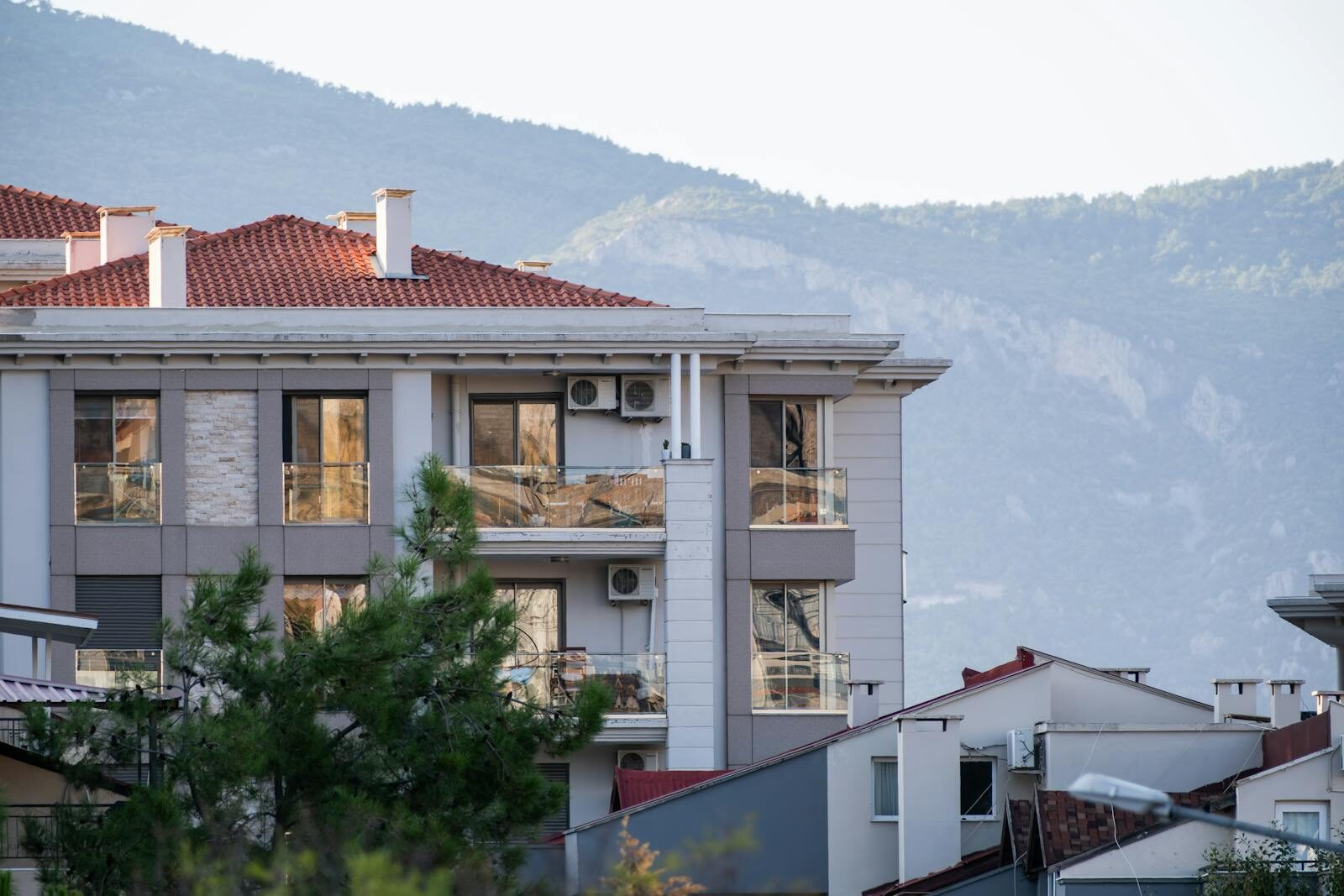
Berlin has long carried a reputation as one of Western Europe’s most affordable capital cities — but that label is getting harder to defend. Berlin’s rental market has experienced significant upward pressure over recent years, with asking rents increasing 12% in 2024 alone to reach €15.79 per square meter monthly. Whether you’re planning a move, scouting an investment, or simply trying to figure out if the numbers work for your budget, understanding exactly how much an apartment costs in Berlin takes more than a quick Google search.
This guide breaks down everything you need to know — from average rents by apartment size and purchase prices by neighborhood to the honest comparison of renting versus buying, what drives prices up, and how Berlin stacks up against other major European cities. You’ll also find practical tips for navigating one of the most competitive rental markets in Germany.
Average Rent in Berlin by Apartment Size
The average rental price for an apartment in Berlin in 2024 is €15.97/m², which is nearly 60% more expensive than the national average of €9.89/m². But that headline figure hides a lot of variation — especially when you factor in apartment size, which has a direct and sometimes counterintuitive effect on what you pay per square meter.
The rent price analysis by apartment size reveals an interesting picture. Smaller apartments are consistently more expensive than larger ones in Berlin. For singles and small households, this means a particular burden.
Here’s a breakdown of what you can expect to pay based on apartment size:
| Apartment Size | Avg. Rent per m² | Typical Monthly Total |
|---|---|---|
| Studio / Under 40 m² | ~€19.22/m² | €700 – €1,000 |
| 1-Bedroom / 40–55 m² | ~€15.27/m² | €1,200 – €1,700 |
| 2-Bedroom / 60–80 m² | ~€15.27/m² | €1,500 – €2,500 |
| 3-Bedroom+ / 100 m²+ | ~€17.46/m² | €2,500+ |
Studios under 40 square meters command the highest rent per square meter at approximately €19.22 monthly, driven by intense demand from students and young professionals. The limited supply of small units in central locations creates a premium pricing environment for these compact spaces.
Family homes with three or more bedrooms exceeding 100 square meters actually see higher per-square-meter costs at €17.46 monthly, as these properties often feature premium locations, private outdoor spaces, and higher-end finishes that justify the premium pricing structure.
Pro Tip: Berlin rents are listed either as Kaltmiete (cold rent, excluding utilities) or Warmmiete (warm rent, including utilities). For a typical 70 square meter apartment, utilities add €150–€350 monthly to the base rent, depending on building efficiency and individual consumption patterns. Always confirm which type is advertised before budgeting.
If you’re a single renter, renting a one-bedroom apartment in the city centre averages just under €1,200 per month, while outside the city centre, it’s around €850. For families, a three-bedroom apartment in the city centre costs around €2,500 per month, while outside the centre, expect to pay about €1,850.
Average Apartment Purchase Price in Berlin
Buying in Berlin is a different financial calculation altogether. As of early 2025, the average price per square meter in Berlin for existing properties is around €5,450 — a slight increase compared to the previous year. This means a typical 70 m² apartment costs roughly €370,000–€380,000, depending on location and condition.
New construction averages €8,200 EUR/m², with around 1,400 transactions by year-end. That’s a significant premium over existing stock, and it’s one reason many buyers gravitate toward older Altbau (pre-war) buildings.
| Property Type | Price per m² | Example: 80 m² Apartment |
|---|---|---|
| Existing apartment (avg.) | ~€5,130 – €5,450/m² | ~€410,000 – €436,000 |
| New construction | ~€8,200/m² | ~€656,000 |
| Luxury / central new build | €10,000 – €14,000+/m² | €800,000+ |
| Budget / outer districts | €4,000 – €4,800/m² | ~€320,000 – €384,000 |
Additional purchase costs typically add 11% to 13% to Berlin apartment prices. These include the property transfer tax, notary fees, and agent commissions. In Berlin, you can expect to pay 6% property transfer tax — one of the higher rates in Germany. Budget for these costs upfront so they don’t catch you off guard at closing.
Important Note: Demand is concentrated on properties under €400,000, which means well-priced apartments in this range tend to move quickly. If you find something in that bracket in a decent neighborhood, don’t wait too long to act.
Cost of Renting vs. Buying in Berlin
The rent-versus-buy debate in Berlin is genuinely complex. On the surface, rising rents make buying look attractive — but the upfront costs, mortgage requirements, and Berlin’s strong tenant protections all factor into the equation.
In the capital city of Berlin, owner-occupied housing costs around 47% less than renting. That’s a striking figure — and it’s driven largely by the rapid rise in asking rents. It is remarkable that this advantage for owner-occupied housing has hardly changed despite the end of the low-interest period. In Berlin, the advantage has even increased in the past two years. This is mainly due to the significant increase in rental prices.
From a yield perspective, the average rental yields in Berlin 2025 stand around 3–5%, and can reach 6% in well-selected neighborhoods, offering better prospects than many other European capitals.
However, buying comes with important caveats specific to Berlin:
- Tenant protections are strong. If you buy a rented apartment in Berlin, there is one point to consider: Berlin strongly protects its tenants. Especially people who have been living in a property for a long time cannot easily be evicted by the new owner. In Berlin, tenants have ten years of protection.
- Rent controls apply to new leases. No active rent freeze exists, but rental price controls (Mietpreisbremse) limit how much landlords can raise rents on new leases, and stricter rules on short-term rentals remain in place.
- Short-term rental restrictions. In Berlin, renting out your entire apartment requires a permit and is limited to 90 days per year unless it’s your primary residence.
If you’re planning to live in your property long-term, buying likely makes financial sense. If you’re buying as a pure investment with plans to rent it out immediately, factor in yield compression from rent controls and the 10-year tenant protection rule before committing. You can explore the different types of apartments available to help clarify what property category suits your goals best.
Key Insight: Berlin has one of the lowest homeownership rates in Europe. Germany has one of the lowest homeownership rates in Europe — just 50% of residents own their own property, compared to the European Union average of 70%. This keeps rental demand persistently high, which is good news for long-term landlords.
Cheapest and Most Expensive Neighborhoods in Berlin
Central Berlin districts command 40% to 70% higher prices than peripheral neighborhoods. Knowing where those price cliffs are can save you a significant amount — both when renting and buying.
Most Expensive Neighborhoods
Mitte, Charlottenburg, and Friedrichshain-Kreuzberg are among the most desirable places to live in Berlin. High demand, luxurious new developments, and proximity to cultural and economic hotspots drive rental prices above €20/m².
For buyers, Mitte leads Berlin’s pricing with existing apartments at €8,010 per square meter and new builds reaching €14,560 per square meter. Charlottenburg follows closely with existing properties at €6,260 per square meter and new construction at €11,390 per square meter.
In Prenzlauer Berg — one of the most sought-after family neighborhoods — property prices start at approximately €6,000/m² for a ready-to-move apartment. A one-bedroom apartment in good condition in an Altbau in Prenzlauer Berg currently costs around €350,000.
Most Affordable Neighborhoods
If budget is your priority, the outer and eastern districts offer considerably more value. Peripheral districts like Neukölln and Wedding offer more affordable options at €4,720 per square meter for existing apartments. New builds in these areas cost €8,740 per square meter in Neukölln and €7,440 per square meter in Wedding.
For renters, the cheapest housing in 2024 is available in Hellersdorf, where the average price per square meter is €11.64. Districts like Spandau, Marzahn, and Lichtenberg also offer rents well below the city average.
| Neighborhood | Price Tier | Approx. Buy Price (existing) | Notes |
|---|---|---|---|
| Mitte | Premium | €8,000+/m² | City center, tourist-heavy |
| Charlottenburg | Premium | ~€6,260/m² | Affluent, traditional |
| Prenzlauer Berg | High | ~€6,000/m² | Family-friendly, gentrified |
| Friedrichshain | Mid-High | €5,500 – €6,500/m² | Young professionals, vibrant |
| Neukölln | Mid | ~€4,720/m² | Gentrifying, good yields |
| Wedding | Budget-Mid | ~€4,720/m² | Up-and-coming |
| Hellersdorf / Spandau | Budget | €3,000 – €4,000/m² | Outer districts, lower rents |
For a broader look at how apartment living varies across different urban settings, see this guide on urban living essentials every big city apartment must have.
What Affects Apartment Prices in Berlin
Berlin’s price dynamics are driven by a combination of structural, demographic, and regulatory forces. Understanding them helps you anticipate where prices are headed — and where the hidden value lies.
Supply vs. Demand Imbalance
Berlin is growing rapidly — thousands of people move to the city each year. Students, young professionals, and international workers all flock to Berlin, creating intense competition for housing. Housing construction cannot keep up with demand. High construction costs, long approval processes, and land shortages make it difficult to build enough new apartments. As a result, vacancy rates remain low, and landlords can charge premium prices.
Gentrification
Neighborhoods that were previously considered affordable are experiencing increasing gentrification. This is a structural transformation process where originally inexpensive districts become attractive to more affluent tenants through renovations and modernizations. Existing housing is often modernized rather than newly created, causing older affordable apartments to disappear. Many landlords use modernizations as justification for rent increases.
Foreign Investment
Several forces impact the average apartment price in Berlin 2025. Supply constraints mean new building permits lag behind demand despite initiatives like the Fast-Track Construction Act. Foreign investment plays a role too — investors see Berlin as a bargain compared to London or Paris, where average apartment prices can be double.
Interest Rates and Financing Costs
The combination of increased financing costs, high construction costs, and subdued income development burdens demand. As of mid-2025, typical mortgage interest rates in Germany range from 3.5% to 4.5% per annum for fixed-rate mortgages, significantly higher than the historic lows of 2020–2021.
Common Mistake: Many first-time buyers in Berlin underestimate the total cost of ownership. Beyond the purchase price, you’ll face property transfer tax (6% in Berlin), notary fees, agent commissions, and potential renovation costs. When buying, expect to pay an additional 7.5% to 12% on top of the purchase price.
Rent Controls (Mietpreisbremse)
Berlin has strict rent control laws (Mietpreisbremse), making it one of the most renter-friendly cities in Europe. While these regulations might limit rental income for investors, they ensure that tenants are not subject to soaring rents, and therefore, Berlin remains an attractive city for long-term rentals. If you’re already in an apartment with a long-standing lease, your rent is relatively protected — a major advantage in a rising market. You can also look at ways to cut your everyday costs to offset Berlin’s rising housing expenses.
How Berlin Compares to Other Major Cities
Berlin’s reputation as affordable is still valid — but only relative to other major European and German cities. Once you zoom out, the picture becomes more nuanced.
Berlin vs. Other German Cities
Munich leads with average prices of €8,000–€12,000 per square meter in June 2025, driven by limited supply, strict building regulations, and strong economic fundamentals. Prime locations like Schwabing or Maxvorstadt can exceed €15,000/m². Frankfurt follows at €6,000–€9,000/m², with financial district properties commanding premiums. Hamburg and Stuttgart cluster around €6,000–€8,500/m², reflecting their strong regional economies and limited housing supply.
Berlin’s average of €5,130–€5,450/m² for existing apartments makes it meaningfully cheaper than Munich and Frankfurt for buyers. Compared to Munich, a cost comparison clearly shows Berlin as significantly more affordable — both for buying and renting.
Berlin vs. European Capitals
Berlin’s living expenses are just above the European average, yet this vibrant spot is the cheapest capital city in Western Europe. Berlin is more affordable to live in than cities like Amsterdam, Paris, Madrid, or London, which have higher living expenses.
For renters, the contrast with London is stark. When you compare this to other major cities like London, where a family of four would spend around €9,844 monthly and a single person about €3,924, Berlin is significantly less expensive.
| City | Avg. Buy Price (existing, per m²) | 1-Bed Rent (city center, monthly) |
|---|---|---|
| Berlin | ~€5,130 – €5,450 | ~€1,167 |
| Munich | €8,000 – €12,000 | ~€1,800 – €2,200 |
| Frankfurt | €6,000 – €9,000 | ~€1,500 – €1,800 |
| London | €10,000+ | ~€2,500+ |
| Paris | €10,000+ | ~€1,800 – €2,500 |
Berlin remains significantly more affordable than Paris, moderately cheaper than Vienna, and roughly comparable to Amsterdam in terms of apartment prices per square meter. For anyone coming from London, New York, or Paris, Berlin still feels like a relative bargain — even at current prices. If you’re curious how Berlin compares to other cities globally, check out this breakdown of apartment costs in Kathmandu for an interesting contrast.
Can Foreigners Buy an Apartment in Berlin
The short answer is yes — and the process is more straightforward than many people expect. There are no restrictions on foreign nationals buying property in Germany. Financing is possible for foreigners, especially for EU nationals who can expect similar treatment to German citizens.
Yes, foreigners can buy property in Berlin. There are no specific restrictions on non-German citizens owning property in Germany, but certain visa or residency requirements may apply for long-term stays.
Financing as a Foreigner
Your mortgage options depend heavily on your residency status:
- EU citizens / German residents: EU citizens often receive similar mortgage terms to German nationals, sometimes financing up to 100% of the property value with proper income documentation.
- Non-EU citizens: Non-EU citizens typically face stricter requirements, including larger down payments of 20–40%, proof of stable income (preferably in euros), and a strong credit history.
- Non-residents: International buyers that are not German residents can obtain finance for up to 50% of the property value.
Key Things to Know Before Buying
There is no citizenship by real estate investment program in Germany; thus, residence or citizenship is something you have to take care of by other means (e.g., employment).
Berlin has some of the strongest tenant protections in Europe. If you purchase a rented apartment, you cannot simply terminate the lease. If a rented building is converted into individual condominiums, the new owner may not terminate the tenant’s lease for personal use for at least 10 years after the property is registered in their name. This regulation protects tenants from displacement.
On average, buying an apartment in Berlin takes between 2 to 6 months. This includes property search, negotiations, securing financing, and completing legal processes. Delays can occur depending on bureaucracy or the complexity of the deal.
Pro Tip: If you’re a non-resident buyer, working with a bilingual real estate agent who specializes in expat purchases can significantly reduce friction. German property law is complex, and the notary process — which is mandatory for all property transactions — requires clear understanding of the contract terms before signing.
Tips for Finding an Apartment in Berlin
Finding an apartment in Berlin isn’t just about luck — it’s about persistence. The competition can be fierce, particularly in central areas like Mitte or Prenzlauer Berg. Here’s how to give yourself the best shot in a tight market.
Start on the Right Platforms
Popular platforms like ImmobilienScout24, WG-Gesucht, and Immonet are great for finding apartments, whether you’re looking for a flatshare or a private rental. Set up alerts for your target neighborhoods and price range — listings in desirable areas move fast.
Have Your Documents Ready
Landlords typically require a rental application (Mieterselbstauskunft), proof of income (salary slips or bank statements), your credit report (Schufa), and ID or visa documents. If you’re new to Germany and don’t yet have a Schufa, offering extra references from previous landlords or employers may help.
Act Quickly
Apartments in desirable areas are often rented out within hours of being listed. Regularly refreshing your searches and setting up email alerts can help you stay ahead.
Consider Temporary Housing First
While waiting for a long-term lease, look into temporary options like serviced apartments or subletting. Websites like Homelike specialize in furnished, flexible rentals. This also gives you time to explore neighborhoods before committing to a longer lease. If you’re moving with pets, check out this guide on the best pets for apartment living to plan ahead.
Look Beyond the Center
Targeting outer districts presents compelling opportunity, as areas like Neukölln, Wedding, and Pankow offer higher yields while benefiting from ongoing gentrification trends. These neighborhoods provide 4–5% gross yields compared to 2–3% in central areas. For renters, the same logic applies — you’ll find more space for less money, often with solid public transport connections.
Understand the Warm vs. Cold Rent Distinction
Berlin rental agreements distinguish between cold rent (Kaltmiete) and warm rent (Warmmiete), with additional mandatory costs that renters must budget for monthly. Mandatory additional costs include the TV and radio tax (Rundfunkbeitrag) at €18.36 monthly per household, regardless of actual usage. Internet connections typically cost €35 monthly for standard broadband service, while electricity and gas can add €45–€70 monthly if not included in the warm rent calculation.
Know Your Rights as a Tenant
Berlin’s Mietpreisbremse (rent brake) means landlords on new leases cannot charge more than 10% above the local comparative rent. Renters can go through a Mieterverein (renters’ association) to have the rent reduced to conform with local rent controls if they believe they’re being overcharged. Knowing this gives you leverage — and peace of mind — when signing a lease. For more on managing your budget once you’re settled, this guide on cutting grocery costs can help stretch your euros further.
Key Insight: If you just moved to Germany, you usually pay more for rent. Landlords prefer stable tenants, so cheap apartments usually go to long-term residents. If you just moved to Germany, you might need to pay more. Immigrants often get expensive furnished apartments because they can’t find anything else. Once you’re established, it’s worth searching for a longer-term, unfurnished apartment to reduce your monthly costs significantly.