Dog Allergies in Spring in California: Timing, Triggers, and What to Do

April 8, 2026
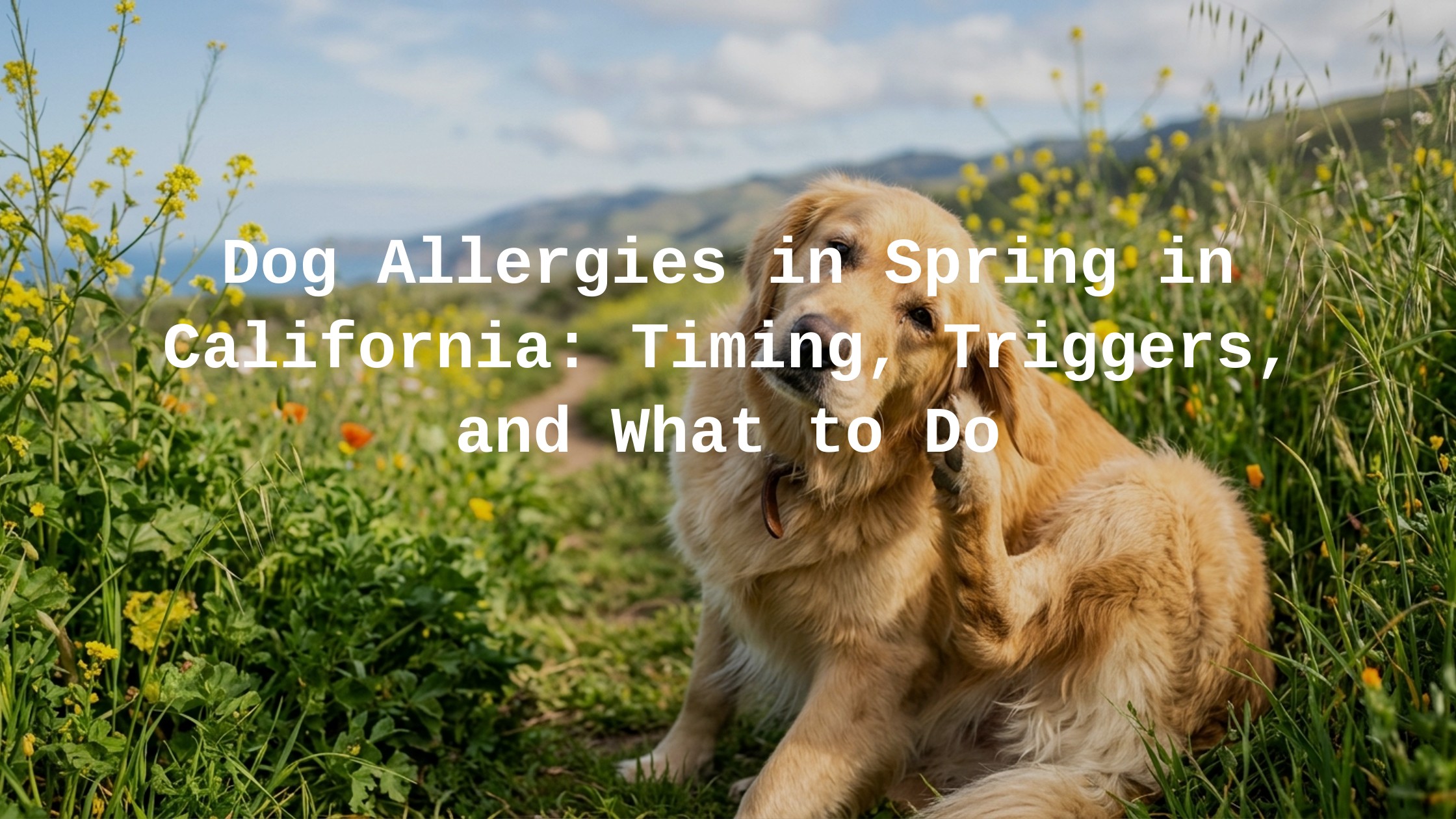
Spring in California arrives earlier than most dog owners expect — and for sensitive dogs, that means allergy season starts well before it feels like spring. While wildflowers bloom across hillsides and oak trees dust the air with pollen, if your dog is spending the season scratching, licking their paws, or rubbing their face along the carpet, that seasonal beauty may be the problem.
Dog allergies in spring are one of the most common concerns California veterinarians see each year, and the state’s mild climate and diverse plant life make the allergy window longer and more intense than in many other parts of the country. Understanding what’s behind your dog’s symptoms — and what you can realistically do about it — makes a meaningful difference in how comfortable they are throughout the season.
This guide walks you through when allergy season begins in California, what’s causing the reaction, how to recognize the signs, which breeds are most vulnerable, and what vets recommend for diagnosis and treatment.
When Does Spring Allergy Season Start for Dogs in California
California’s spring allergy season for dogs typically begins earlier than most dog owners expect. Because the state enjoys a mild Mediterranean climate in many regions, pollen-producing plants start releasing allergens as early as late January or February in Southern California and the Bay Area.
California’s geography creates something of a perfect storm for allergic animals. Tree pollen, particularly from oaks, ashes, and junipers, tends to peak between February and April across much of the state. Grass pollen then picks up where tree pollen leaves off, extending the exposure window well into summer.
Peak allergy seasons typically occur during spring (March through May), though this varies based on geographic location and local climate patterns. Some dogs experience symptoms during summer months due to grass pollens and mold spores.
Key Insight: California’s allergy season can run from late January through June or beyond — significantly longer than the spring window in most other U.S. states. If your dog seems itchy for months at a time, the season itself may be the reason.
Year-round warmth also means that mold spores and dust mites — two common non-pollen allergens — stay active in California environments throughout the year, compounding your dog’s spring exposure. Tracking local pollen counts can help you anticipate your dog’s worst days and adjust outdoor time accordingly.
Geographic variations significantly impact allergy patterns. Dogs in different regions face unique allergen challenges — desert areas may have different weed pollens than coastal regions, while humid climates foster more mold growth. Climate change has extended and intensified allergy seasons, with earlier spring warming leading to longer pollen production periods and higher allergen concentrations in many areas.
What Causes Dog Allergies in Spring in California
Spring allergies in dogs are almost always environmental in origin, meaning your dog’s immune system is overreacting to substances in the surrounding environment rather than something they ate. This type of allergy is called atopic dermatitis, and it’s driven by inhaled or skin-contact allergens rather than food sensitivities.
In California, the most significant spring allergen sources include:
- Tree pollen — Oak, olive, ash, cedar, and eucalyptus trees are prolific pollen producers across California and begin releasing allergens as early as February.
- Grass pollen — Bermuda grass, Kentucky bluegrass, and ryegrass are widespread across California lawns, parks, and open spaces. Grass pollen peaks from April through June and is one of the most potent canine allergens.
- Weed pollen — Plantain, dock, and nettle weeds begin releasing pollen in spring and overlap with tree and grass seasons, extending your dog’s total exposure window.
- Mold spores — Mold thrives in moist environments and is particularly common in coastal and foggy areas. Spring rains can spike mold counts significantly.
- Dust mites — Present year-round but often stirred up during spring cleaning, dust mites are a hidden contributor to many dogs’ allergy flares.
Important Note: Dogs don’t primarily absorb allergens through their nose the way humans do. They absorb them through their skin, which is why itching and skin irritation — not sneezing — are the hallmark signs of canine environmental allergies.
Flea allergy dermatitis, while not a spring allergen per se, often intensifies in spring as flea populations surge with warmer temperatures — and it frequently compounds existing environmental allergy symptoms. In California, flea allergy dermatitis is extremely common and can look identical to environmental allergies, so year-round flea prevention is essential before assuming pollen is the sole culprit.
Contact allergens are another underappreciated cause. Certain grasses and plants can trigger localized skin reactions when your dog walks through them, particularly on the paws and belly where fur coverage is thinner.
Signs Your Dog Has Spring Allergies in California
Recognizing allergy symptoms early gives you a much better chance of managing your dog’s discomfort before it escalates into a secondary skin infection. The challenge is that many allergy signs look like other conditions, so knowing the full picture helps you have a productive conversation with your vet.
The most common signs to watch for include:
- The hallmark of seasonal allergies in pets is itching. Dogs may scratch at their ears, chew their paws, or rub their faces against furniture and carpet. You might notice redness between the toes, around the eyes, or on the belly.
- Some dogs develop recurring ear infections that seem to clear up and then return every few weeks.
- Red, inflamed, or infected skin develops from constant scratching and allergen exposure. Initial redness can progress to hot spots — painful, moist, infected areas that expand rapidly without treatment.
- Compulsive paw licking is especially common in dogs with seasonal allergies.
- Excessive sneezing is a common side effect of seasonal dog allergies, though it is less prominent than skin symptoms.
- Scooting and licking around the rectum is a very common issue with allergic dogs. The anal glands can become inflamed due to allergies.
Pro Tip: Pay attention to the pattern. If your dog’s symptoms appear or worsen every spring and improve in winter, that seasonal rhythm is one of the strongest indicators of environmental allergies rather than a food sensitivity or other condition.
Secondary infections are a serious concern with allergic dogs. When your dog scratches or licks persistently, they break down the skin barrier, allowing bacteria and yeast to move in. You may notice a musty odor, greasy skin, or darkened skin in chronically affected areas — all signs that a secondary infection has developed and needs veterinary treatment alongside the allergy management.
It’s also worth noting that California’s spider species and other insects can cause localized reactions that mimic allergy symptoms. If you notice a sudden swelling or welt rather than diffuse itching, a bug bite or sting may be the cause rather than seasonal pollen.
Which Dog Breeds Are Most Prone to Spring Allergies
While any dog can develop allergies, certain breeds and genetic lines are more prone to the condition due to inherited skin sensitivities. If you own one of the breeds below, you’ll want to be especially watchful as California’s pollen season ramps up.
| Breed | Allergy Tendency | Common Triggers |
|---|---|---|
| Golden Retriever | Very High | Pollen, dust mites, mold, grass |
| Labrador Retriever | Very High | Pollen, dust mites, mold, inhalants |
| French Bulldog | High | Pollen, dust, mold, skin fold yeast |
| English Bulldog | High | Contact allergens, environmental triggers |
| German Shepherd | High | Airborne allergens, atopic dermatitis |
| Chinese Shar-Pei | High | Atopy worsened by skin folds |
| West Highland White Terrier | Moderate–High | Environmental and contact allergens |
| Boxer | Moderate | Food and environmental allergens |
Golden Retrievers top the list for atopic dermatitis susceptibility. Their dense double coat traps allergens, and they’re genetically predisposed to environmental allergies. Common triggers include pollen, dust mites, and mold spores.
Atopy symptoms in Golden Retrievers can start in adolescence (1–3 years) and usually intensify with age. Although Labrador Retrievers are intelligent and friendly, they are also quite prone to allergies. Environmental allergies like pollen, dust mites, and mold are common afflictions of this breed. Symptoms like itchy skin, ear infections, or gastrointestinal disturbance can also develop.
French Bulldogs battle both food sensitivities and atopic dermatitis. Their signature facial folds create warm, moist environments where yeast and bacteria thrive, leading to allergic skin infections. Allergies are also common in the American Pit Bull Terrier and related stocky breeds. Their short coat makes them susceptible to environmental allergens like grass, dust, pollen, pesticides, and mites.
Common Mistake: Owners of “doodle” crossbreeds often assume their dog won’t have allergy issues. Certain mixed-breed dogs, such as “doodle” crossbreeds, are also among the most commonly affected by seasonal allergies — the poodle genetics reduce shedding but don’t eliminate the risk of environmental sensitivity.
How Vets Diagnose Seasonal Allergies in Dogs in California
Accurately diagnosing spring allergies in dogs is an essential step toward helping your pet find relief. The process typically starts with a thorough examination and a detailed discussion about the symptoms you’ve noticed.
Because diagnosing allergies in companion animals can be quite difficult, veterinarians will often start by ruling out all other possible causes of an itch, such as parasites or food allergies. Your vet will look at your dog’s skin, ears, and coat, and ask detailed questions about when symptoms started and whether they worsen after time outdoors.
Once other causes are ruled out, the diagnostic process may include:
- Physical exam and history review — Your veterinarian will ask how long the itching has been going on, where the dog is chewing, licking, and/or scratching, and how itchy they are on a scale from 0 to 10.
- Flea and parasite check — Your vet will look for signs of fleas, sarcoptic mange, rashes, and skin infections. If a flea preventive is not being used, one will probably be recommended.
- Blood allergy testing — A blood test, such as Heska’s Allercept or Nextmune’s Pet Allergy Xplorer, is performed by your vet to determine what environmental allergens your dog is most allergic to based on where they live.
- Intradermal skin testing — Intradermal skin testing is performed by a veterinary dermatologist and involves injecting small amounts of allergens into the skin and monitoring for reactions, which help identify the specific triggers to include in an immunotherapy formulation.
- Referral to a specialist — Referral to a board-certified veterinary dermatologist is often recommended for dogs with moderate to severe allergies or those who haven’t responded to standard treatments. California has a strong network of veterinary dermatology specialists in major metropolitan areas including Los Angeles, San Diego, Sacramento, and the Bay Area.
Pro Tip: Bring a symptom diary to your vet appointment. Note when symptoms started, which body areas are affected, whether they correlate with outdoor time, and any treatments you’ve already tried. This information dramatically speeds up the diagnostic process and helps your vet distinguish seasonal allergies from other causes.
There’s not a specific test to make a definitive diagnosis of environmental allergies, so a presumptive diagnosis is typically made based on the history, symptoms, physical exam findings, and response to treatment. That’s why your observations at home are genuinely valuable clinical information.
How to Treat Spring Allergies in Dogs in California
Though seasonal allergies in dogs cannot be cured, they can be managed to help make your dog more comfortable. Treatment is usually a combination of approaches, and what works best depends on the severity of your dog’s symptoms and how they respond to individual therapies.
Prescription Anti-Itch Medications
Apoquel (oclacitinib) targets the itch signal directly and works quickly for many dogs. Cytopoint is an injectable option that blocks a key protein involved in the itch cycle and can provide relief for four to eight weeks per injection. Both require a veterinary prescription and monitoring, but they have changed the quality of life for countless allergic dogs.
Cytopoint contains a caninized monoclonal anti-IL-31 antibody and is an effective treatment against allergic dermatitis triggered by environmental allergens like pollen, mold, and dust. One of its unique advantages is that it can be given to a dog of any age and is a long-lasting seasonal allergy treatment, administered every 4–8 weeks via injection.
Antihistamines
Antihistamines are often used, but they’re not as effective for dog seasonal allergies compared to other treatments. They may offer mild relief for dogs with minor symptoms, but they’re rarely sufficient on their own for moderate-to-severe cases. Always consult your vet before giving your dog any over-the-counter antihistamine, as some formulations contain decongestants that are toxic to dogs .
Corticosteroids
Steroids like prednisone or prednisolone might be prescribed short-term for severe allergy cases. Steroid use increases hunger, thirst, and urination. Long-term steroid use may weaken the immune system, cause Cushing’s disease, and contribute to diabetes. Because of the dangerous long-term effects of steroids, systemic steroids should only be used for short-term control of symptoms.
Immunotherapy (Allergy Shots)
Immunotherapy, or allergy shots, is the only treatment that addresses the root cause rather than managing symptoms. After allergy testing identifies the specific triggers, a custom serum is formulated and administered over months to gradually desensitize the immune system. Improvement can take six months to one year, so dogs taking allergy shots often receive other treatments in the meantime.
Omega-3 Fatty Acids
Omega-3 fatty acids are often used in combination with other treatments for dogs with itchy skin due to seasonal allergies. These fatty acids are important components of cells and are thought to improve the skin barrier. Fish oil supplements are a common and accessible option — ask your vet for a specific dosing recommendation based on your dog’s weight.
Medicated Shampoos and Topicals
Frequent bathing with a hypoallergenic shampoo can be soothing to itchy, inflamed skin. Some shampoos are available over the counter, while others may require a prescription. Bathing also removes allergens from the skin and coat. Bathing affected pets one to two times per week with a shampoo specified by the pet’s veterinarian helps decrease allergen accumulation on the coat.
Important Note: Once the allergy seasons are determined for a dog based on prior history, anti-itch medication is typically started prior to the start of the allergy season and continued one month past when the allergy season ends. If the itch can be controlled, your dog will remain comfortable and be at less risk for secondary skin infections.
How to Reduce Your Dog’s Exposure to Spring Allergens in California
Medication manages symptoms, but reducing your dog’s allergen load in the first place is equally important. The two approaches work best together, and there’s a lot you can do at home to make a real difference.
After-Walk Wipe-Downs
Since pollen and dust cling to your dog’s fur and paws, wiping them down with a damp cloth or pet wipes after walks can help reduce allergy flare-ups. Pay particular attention to the paws, belly, and face — the areas most directly exposed to ground-level allergens on California’s grass-covered trails and parks. You can find vet-recommended allergen-reducing wipes at most pet supply stores.
Adjust Walk Timing and Routes
Adjust your daily walk to avoid areas with too many pollen-producing plants. You should also avoid taking your dog for a walk when pollen levels are high. Pollen counts are typically highest in the morning and on warm, windy days. Opt for early evening walks when counts tend to be lower, and stick to paved paths when California’s oak trees and grasses are at peak bloom.
Keep Your Home Clean
Clean your home regularly — and thoroughly — to eliminate dust and pollen that irritate your dog’s allergies. Regular, thorough cleaning includes frequent dusting, vacuuming all carpeted areas, cleaning and replacing air filters, and laundering linens, including your dog’s bedding.
Keep windows closed on high pollen days, and wash pet bedding frequently in hot water. This is especially relevant in California’s Central Valley and inland regions, where spring winds can carry pollen for miles.
Use an Air Purifier
Air purifiers help improve air quality in your home by capturing and eliminating some common contaminants that may contribute to your pet’s allergies. Place your air purifier in the room your dog spends most of their time. Look for models with HEPA filters rated to capture particles as small as pollen and mold spores.
Manage Flea Prevention Year-Round
Because California’s climate allows fleas to remain active throughout the year, flea allergy dermatitis frequently compounds existing environmental allergy symptoms in spring. Keeping your dog on a consistent, vet-approved flea prevention program removes one major variable from the allergy equation and makes it easier to assess how well other treatments are working. Learn more about managing seasonal allergies in dogs from VCA Animal Hospitals.
Watch What Your Dog Contacts Outdoors
If spending time outside, remove any overgrown shrubs or weeds around your home that can hold pollen or mold. Additionally, if you’re planning on planting flowers this spring, be sure to research what you’re planting and if it’s toxic or harmful to dogs, such as lilies, daffodils, tulips, chrysanthemums, hydrangeas, narcissus, ivy, and others.
Pro Tip: Wind can carry allergens far and wide, affecting dogs even if they don’t spend much time outdoors. Allergens can cling to their fur and paws, making their way inside and continuing to cause discomfort long after your dog has come indoors. A quick wipe-down at the door is one of the most effective daily habits you can build.
When to See a Vet About Your Dog’s Spring Allergies in California
Home management and over-the-counter options have their limits. Knowing when to bring in professional support can prevent minor seasonal discomfort from turning into a serious skin condition.
Schedule a veterinary visit if you notice any of the following:
- Your pet is losing sleep from scratching, developing raw or bleeding skin, shaking their head frequently, or producing discharge from the ears.
- Chronic ear infections in dogs are one of the most commonly missed signs of underlying allergies, and treating the ears alone without addressing the allergy means the infections will keep coming back. Pets that have been scratching for more than two or three weeks without improvement also deserve professional attention.
- There is hair loss, odor, or redness to the skin, as this may indicate a skin infection that is secondary to the allergic skin inflammation.
- Your dog’s symptoms are not responding to any home management strategies after 1–2 weeks.
- Your dog’s behavior has changed — they seem restless, less playful, or are having trouble sleeping due to itching.
The longer allergies go unmanaged, the more likely secondary infections become, and those infections require their own course of treatment. Getting ahead of the problem is always easier — and less expensive — than managing a fully developed skin or ear infection on top of the underlying allergy.
If your dog has been treated for seasonal allergies in the past, it’s best to start treatment soon at the onset of the signs of itchiness. It’s easier to get the itchiness under control if therapy is started early, plus allergies can lead to bacterial and yeast infections in the skin and even hot spots.
Key Insight: Based on a pet’s history, an owner may already know that the dog has allergies every spring and should create a proactive strategy with their veterinarian to limit the severity of the clinical signs. If your dog has struggled with spring allergies before, don’t wait for symptoms to escalate — reach out to your vet before peak pollen season begins.
In navigating the springtime allergy season with your dog, pinpointing the specific allergens causing discomfort is important. Identifying these triggers can be challenging, as dogs may react to multiple allergens simultaneously. A vet or veterinary dermatologist can help you build a targeted management plan rather than guessing at solutions season after season.
California’s long allergy season means that untreated or undertreated allergies can affect your dog’s quality of life for months at a time, year after year. Getting ahead of the problem with a clear diagnosis and treatment plan is one of the most practical things you can do for your dog’s long-term health and comfort. For additional guidance on navigating canine allergies in spring , veterinary resources are widely available to help you and your dog get through the season more comfortably.