Dog Allergies in Spring in Alaska: Timing, Triggers, and What Every Owner Should Know

April 2, 2026
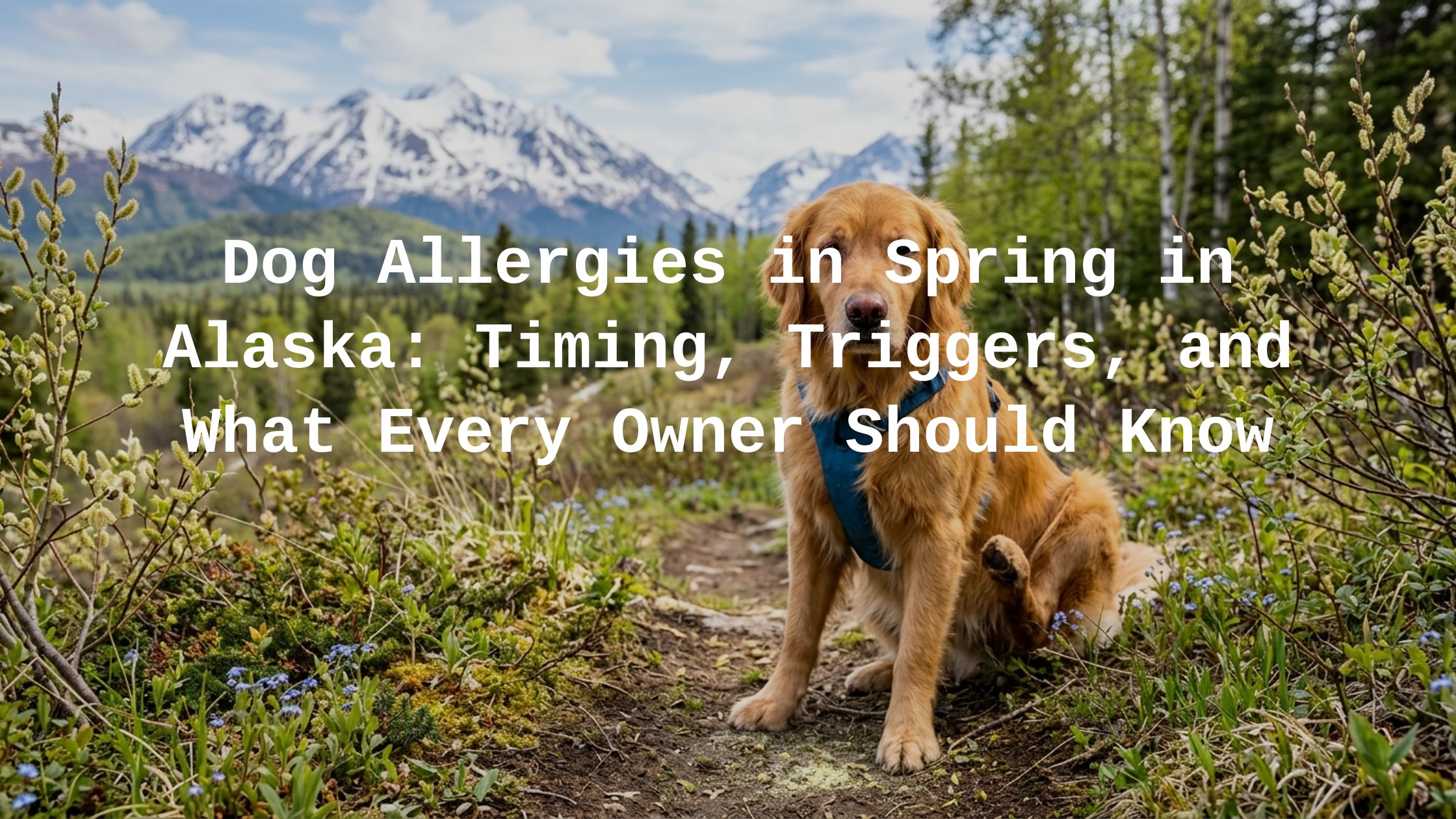
Spring in Alaska arrives later than most of the country — but when it does, it brings a surge of birch, alder, and cottonwood pollen that can leave sensitive dogs scratching, licking, and visibly uncomfortable. If your dog seems fine all winter and then suddenly starts chewing their paws or shaking their head once the snow melts, spring allergies may be the reason.
Understanding how Alaska’s unique climate shapes allergy season — and what you can do about it — helps you get ahead of the problem before your dog’s symptoms escalate. This guide walks you through everything from timing and triggers to treatment options and when a vet visit can’t wait.
When Does Spring Allergy Season Start for Dogs in Alaska
Alaska’s allergy season is compressed but intense. The state has a short growing season, and plants take advantage of every hour of sunlight — which means tree pollen explodes in the spring. For your dog, this rapid shift can trigger reactions with little warning.
In Anchorage, tree pollen levels typically peak with the onset of warmer weather, starting with birch and willow in the second or third week of May. In interior regions like Fairbanks, the timeline can shift slightly earlier or later depending on local temperatures and snowmelt. Either way, late April through May is the window to watch.
Interestingly, peak birch pollen levels occur in alternate years, with a high year usually followed by a lower year. While not as concentrated as birch, alder pollen has a longer season and can be found for up to two months. This means your dog’s symptoms may be noticeably worse in some years than others — which can make it harder to track patterns if you’re not paying close attention.
Key Insight: Alaska’s allergy season starts later than most U.S. states but can be just as intense. If your dog was symptom-free last spring, that doesn’t guarantee the same this year — especially during a high birch pollen year.
From June through August, grass pollen also appears, affecting sensitive individuals despite typically not reaching the “high” levels defined by the National Allergy Bureau. So while the peak is spring, some dogs experience a rolling wave of allergens that extends well into summer.
What Causes Dog Allergies in Spring in Alaska
Seasonal allergies in dogs, also known as atopic dermatitis, occur when a dog’s immune system mistakes harmless substances in the environment for threats. These reactions typically occur during certain times of the year, but timing varies depending on where you live, the allergens present, and the triggers to which your dog is sensitive.
In Alaska, the primary spring culprit is birch pollen. Birch pollen is the most common cause of spring allergies in Alaska, according to allergist Dr. Anthony Bonitatibus. Birch is noted for its high allergenic potential, with concentrations in Alaska among the highest in the country.
Birch is a particularly potent allergen. Other common allergenic trees include alder and cottonwood. Following trees, grasses pollinate in the summer. Your dog doesn’t need to be near a birch tree to be affected — “the pollen can travel for miles,” according to Dr. Bonitatibus, “so you don’t even have to have a birch tree in your yard for it to bother you.”
Wind can carry allergens far and wide, affecting dogs even if they don’t spend much time outdoors. On top of that, allergens can cling to their fur and paws, making their way inside and continuing to cause discomfort long after your dog has come indoors.
Beyond pollen, other spring allergens affect Alaska dogs as well:
- Mold spores — Mold can be a year-round nuisance, especially in damp and poorly ventilated areas. Snowmelt creates ideal conditions for outdoor mold growth in spring.
- Dust mites — Dust mites are a year-long problem. However, spring cleaning can cause the microscopic dust mites’ feces to be disturbed, therefore triggering allergies.
- Fleas — Fleas are more prevalent in the spring, and their bites can lead to flea allergy dermatitis (also known as FAD), causing itching and discomfort for your dog.
Important Note: Dogs absorb allergens differently than people do. When pets encounter allergens — either by breathing them, touching them, or even licking them off their fur — their bodies react, leading to allergy symptoms. This is why paw-licking and skin irritation are so common in allergic dogs.
Signs Your Dog Has Spring Allergies in Alaska
While your allergies may cause sneezing, coughing, and watery eyes, dogs and cats typically experience itchiness instead. This difference is important — if you’re waiting for your dog to sneeze constantly before suspecting allergies, you may miss the real signs.
Itchy skin and recurrent ear infections are the most common signs of seasonal allergies in dogs, but your pet may also experience red, swollen eyes, a clear, runny nose, and fits of sneezing. The itchiness your pet may experience can range from intense to mild and is most likely to occur in the armpit, groin, muzzle, or paw regions.
Here are the key signs to watch for each spring:
- Excessive scratching, licking, or chewing — Constant itching is the most common indicator of dog spring allergies. Signs of itching include excessive licking, scratching, biting, and scooting.
- Red or inflamed paws and ears — Constant scratching and licking can lead to swollen, irritated paws or ears.
- Watery eyes or runny nose — Dogs with allergies often develop watery eyes or a runny nose.
- Ear infections — If your dog is scratching their ears or continuously shaking their head back and forth, they could have an ear infection. Additional signs include inflammation and redness in the ears.
- Respiratory symptoms — Wheezing, difficulty breathing, or other respiratory problems could indicate the presence of allergies.
- Hair loss or skin infections — The most common symptom of allergies in dogs is itchy skin, which can result in hair loss and secondary infections from excessive scratching.
Pro Tip: Keep a simple symptom log each spring. Note when symptoms start, which body areas are most affected, and whether they worsen on windy or warm days. This information is invaluable when you visit your vet and can help pinpoint seasonal patterns faster.
Skin irritation and discomfort lead to excessive scratching, biting, or licking, resulting in open wounds or infections that can further degrade your dog’s well-being. These reactions can cause systemic discomfort, such as gastrointestinal upsets in some cases, and behavioral changes due to constant irritation. Don’t dismiss behavioral shifts — a dog that becomes withdrawn or less playful in spring may simply be uncomfortable.
Which Dog Breeds Are Most Prone to Spring Allergies
The exact reason why pollen allergies develop in some dogs and not in others is not fully understood, but there’s likely a genetic component that makes some dogs more vulnerable than others. That said, certain breeds consistently show up in allergy cases seen by veterinarians.
Certain dog breeds, including Golden Retrievers, Labrador Retrievers, German Shepherds, and Bulldogs, show higher rates of allergic conditions. Breeds with skin folds or certain coat types may also be more susceptible to developing allergic reactions. These breeds are commonly owned in Alaska, which makes awareness especially important for local pet owners.
Other breeds with known allergy predispositions include:
- West Highland White Terriers
- Boxers
- Dalmatians
- Cocker Spaniels
- Irish Setters
- Shih Tzus
- Pugs and other flat-faced (brachycephalic) breeds
Seasonal allergies are relatively common, affecting up to 30% of the canine population. And while any dog can develop allergies, certain breeds and genetic lines are more prone to the condition due to inherited skin sensitivities.
Typically, dogs start showing signs of seasonal allergies between one and three years of age, but it can be as early as six months or as late as six years. Additionally, if dogs move from one climate to another, they may develop seasonal allergies later in life due to new allergens in the environment. This is worth keeping in mind if you’ve recently relocated to Alaska with your dog.
Common Mistake: Assuming mixed-breed dogs are immune to allergies. Allergic tendencies can appear in any dog, and mixed breeds may carry the same genetic predispositions as their purebred counterparts. Don’t rule out allergies based on breed alone.
How Vets Diagnose Seasonal Allergies in Dogs in Alaska
Your dog’s vet can diagnose seasonal allergies by discussing your pet’s history with you, performing a physical examination, running several diagnostic tests, and monitoring your dog’s treatment response to therapies. It’s a process that takes time, but it’s the most reliable path to accurate answers.
Seasonal allergies are suspected when typical symptoms wax and wane with a seasonal pattern. Diagnostic testing is needed to rule out other conditions with similar symptoms before concluding the symptoms are caused by allergies. There is no specific test to diagnose allergies. Instead, diagnosis involves ruling things out.
The diagnostic process typically includes:
- Medical history review — Your vet will ask when symptoms started, how long they last, and whether they improve or worsen at certain times of year.
- Physical examination — The vet will check your dog’s skin, ears, paws, and coat for signs of inflammation, infection, or hair loss.
- Ruling out other causes — Your vet can assess if the itch is from environmental allergies or another problem such as flea allergies, food allergies, skin infections, or mites.
- Skin testing — You can take your dog to a dermatologist for skin testing. Skin testing is usually performed by a board-certified veterinary dermatologist, who measures your pet’s reaction to microdoses of different allergens to determine exactly which they’re allergic to.
- Blood testing — Blood testing is another route to consider, although skin testing is considered the more accurate approach.
Allergy testing identifies specific allergens that affect your dog but is only useful once you know your dog has allergies. The offending allergen does not necessarily need to be identified for successful treatment. In other words, your vet can begin managing symptoms even before pinpointing every specific trigger.
How to Treat Spring Allergies in Dogs in Alaska
Seasonal allergies in dogs can be managed by determining which seasons trigger a dog’s symptoms and initiating treatment prior to the start of each allergy season. Treatments include anti-itch medications, meds to treat skin and ear infections, regular ear cleanings, routine baths, topical treatments, and allergy shots.
Here’s a breakdown of the most common treatment options your Alaska vet may discuss with you:
| Treatment | How It Works | Best For |
|---|---|---|
| Apoquel® (Oclacitinib) | Blocks itch at the source quickly and safely | Moderate to severe itching, fast relief |
| Cytopoint® (Injectable) | Takes effect within 1–3 days, lasts 1–2 months | Dogs needing longer-term itch control |
| Antihistamines | Reduces immune response to allergens | Mild allergies; less effective than other options |
| Steroids (short-term) | Reduces inflammation rapidly | Severe flare-ups; not for long-term use |
| Atopica™ (Cyclosporine) | Immunosuppressant for long-term control | Chronic, recurring seasonal allergies |
| Immunotherapy (Allergy Shots) | Desensitizes immune system over time | Long-term management of identified allergens |
| Omega-3 Supplements | Supports skin barrier and reduces inflammation | All allergy-prone dogs, year-round use |
Steroids like prednisone or prednisolone might be prescribed short-term for severe allergy cases. Steroid use increases hunger, thirst, and urination. Long-term steroid use may weaken the immune system, cause Cushing’s disease, and contribute to diabetes. Because of the dangerous long-term effects of steroids, systemic steroids should only be used for short-term control of symptoms.
In some cases, it may be possible to desensitize your pet to the offending allergens through a series of “allergy shots” or allergen-specific immunotherapy (ASIT). To receive allergy shots, your pet would need to undergo testing with a dermatologist to determine what your pet is allergic to. Improvement can take six months to one year, so pets taking allergy shots often receive other treatments in the meantime.
It takes four to six weeks for an omega-3 fatty acid supplement to become effective, so it is best for a dog with seasonal allergies to be on this supplement year-round. Talk to your vet about the right dosage for your dog’s size and condition.
Pro Tip: If your dog has had spring allergy symptoms in previous years, ask your Alaska vet about starting treatment a week or two before birch pollen typically peaks in your area. Getting ahead of the immune response can make symptoms significantly more manageable.
How to Reduce Your Dog’s Exposure to Spring Allergens in Alaska
Medication works best when it’s paired with practical steps to lower your dog’s allergen load. Allergy symptoms are usually worse when more of the allergen is present, so regular cleaning around the home may provide some dogs with a little relief. Here’s how to build good habits during Alaska’s pollen season.
After outdoor time:
- Since pollen and dust cling to your dog’s fur and paws, wiping them down with a damp cloth or pet wipes after walks can help reduce allergy flare-ups.
- In between baths, use pet-safe wipes to clean your dog’s paws, ears, and fur after walks. Adjust your daily walk to avoid areas with too many pollen-producing plants. You should also avoid taking your dog for a walk when pollen levels are high.
- Pollen levels are typically at their highest in the morning and on dry, warm days. Check your local weather forecast for daily pollen readings.
Bathing and grooming:
- Regular bathing with appropriate products can significantly reduce allergen load on your dog’s skin and coat. During active allergy flare-ups, bathing 2–3 times per week helps remove pollen, mold spores, and other environmental allergens.
- A soothing oatmeal or medicated shampoo can wash away allergens and relieve itchy skin. Always use products formulated for dogs — human shampoos have different pH levels that can irritate canine skin.
Indoor environment:
- Use HEPA air purifiers and regularly change HVAC filters to help reduce airborne allergens inside your home. Keeping windows closed during high-pollen seasons can also help minimize exposure.
- Wash your dog’s bedding weekly in hot, soapy water. Dry on a hot dryer cycle to kill dust mites. Frequently vacuum soft surfaces, such as carpeting and couches.
- Use a vacuum cleaner with a HEPA filter. If possible, use air-conditioning rather than opening windows during pollen season.
Key Insight: Alaska’s dry, windy spring conditions can intensify pollen exposure significantly. On high-wind days, even a short walk can coat your dog in birch pollen. On those days, a quick wipe-down at the door makes a real difference.
Diet and supplements:
A well-balanced diet can strengthen skin barriers and reduce inflammation caused by allergies. Consider omega-3 fatty acids — found in fish oil — which help reduce itching and inflammation. Antioxidants also support immune health and minimize allergic reactions.
When to See a Vet About Your Dog’s Spring Allergies in Alaska
Some allergy symptoms can be managed at home, but others need professional attention. Knowing the difference helps you act at the right time — not too late, and not in a panic over something minor.
Schedule a vet visit if you notice:
- Symptoms that persist for more than two weeks despite at-home management
- Chronic allergies that lead to persistent ear infections, skin diseases, or respiratory problems
- Open sores, scabs, or skin that looks infected from excessive scratching
- Dogs can scratch themselves raw. If you notice them scratching, rubbing on carpet or furniture, chewing, or licking themselves more than normal, it’s worth taking them to see a veterinarian. This behavior can lead to painful infections — signs of which include unusual odor and discharge — that will require treatment.
- Symptoms that worsen year over year
Seek urgent veterinary care if your dog shows:
- Difficulty breathing or severe swelling — these are signs of a serious allergic reaction.
- Sudden facial swelling or hives
- Collapse or extreme lethargy following outdoor exposure
Early intervention is key to preventing complications and keeping your dog healthy and happy during the allergy season. Some pets only have allergies during certain times of the year, while others may have reactions year-round. In some cases, seasonal allergies can get worse over time, leading to more serious symptoms. Getting a diagnosis early gives you more treatment options and better long-term outcomes.
Important Note: “Seeking veterinary guidance is the safest and most efficient way to prevent allergy symptoms,” explains Dr. Jo Myers, a veterinarian at Vetster. If you’re unsure whether your dog’s symptoms are allergy-related or something else, a vet visit removes the guesswork.
Alaska’s spring allergy season may be shorter than in warmer states, but the intensity of birch and alder pollen can make it just as challenging for sensitive dogs. By knowing when to expect symptoms, what to look for, and how to respond — both at home and with your vet’s help — you can give your dog a much more comfortable spring season year after year.