Mocktails While Pregnant: What’s Actually Safe to Sip (and What to Skip)

April 2, 2026
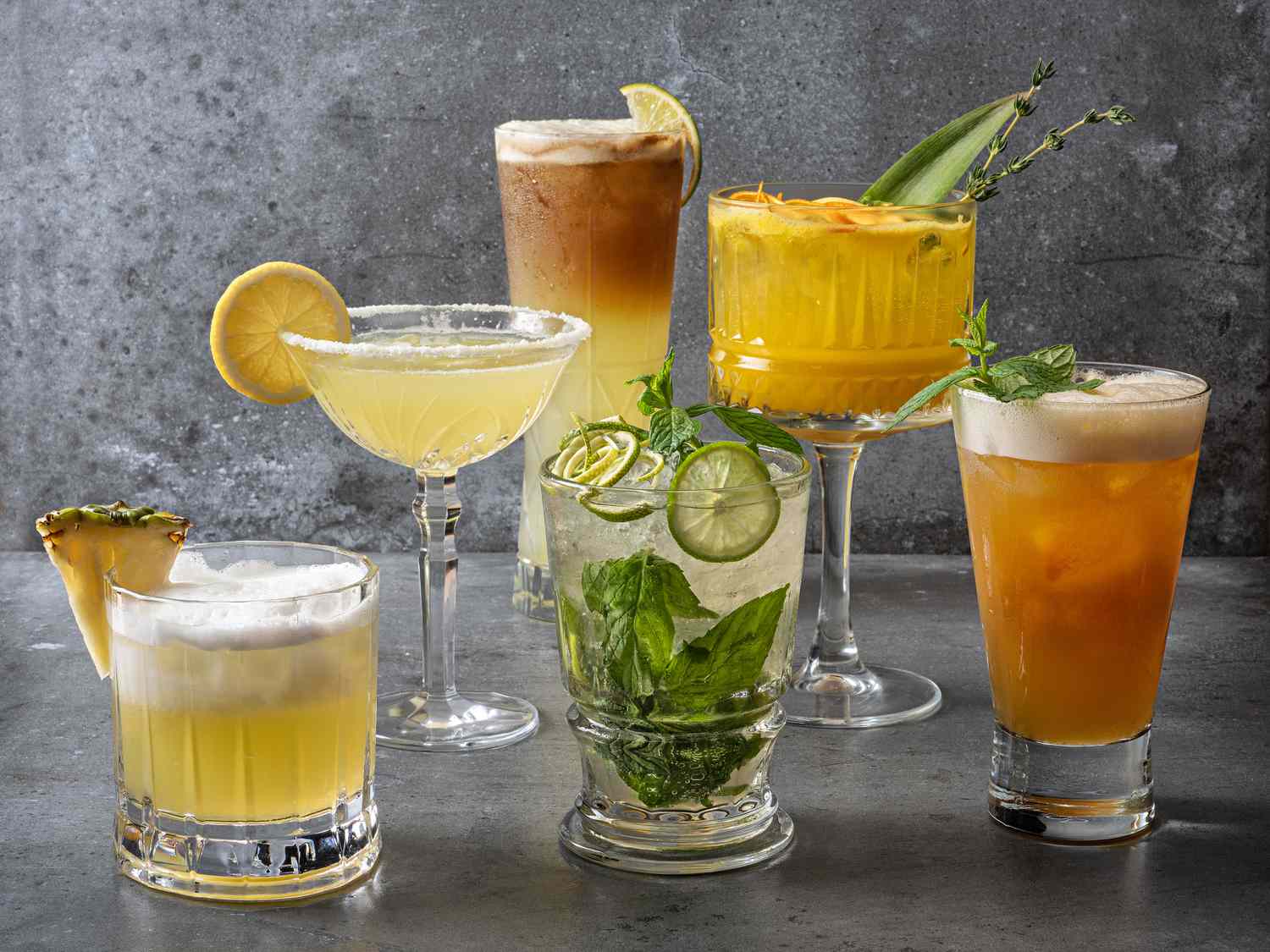
You’re pregnant, someone hands you a fancy glass with fruit, fizz, and a cute garnish — and suddenly you’re wondering: wait, is this actually okay for me to drink? It’s a fair question, and you deserve a straight answer instead of a vague “ask your doctor” non-response.
The short version: yes, most mocktails are perfectly safe during pregnancy. But the word “mocktail” covers a wide range of drinks, and a few ingredients hiding in some of them are worth knowing about. This guide walks you through exactly what’s safe, what’s not, and how to enjoy a delicious non-alcoholic drink with total confidence — at home, at a bar, or at a baby shower.
Important Note: This article is for educational purposes only and is not intended as medical advice. Always consult your healthcare provider with specific questions about your pregnancy diet.
The Short Answer
Yes, you can absolutely drink mocktails while pregnant, and they can be a wonderful way to feel included and enjoy a special beverage. However, the key to sipping safely is being diligent about the ingredients, as some common components found in some mocktails are not recommended during pregnancy.
Mocktails during pregnancy are a safe way to avoid alcohol and enjoy a tasty drink with friends. The key distinction is understanding what’s actually in your glass. A mocktail made with fresh fruit juice, sparkling water, and ginger is a great choice. A packaged “non-alcoholic” cocktail from a brand you’ve never heard of? That warrants a closer look at the label first.
Pro Tip: When ordering at a bar or restaurant, simply tell the bartender you’re pregnant and need a completely alcohol-free drink with no bitters, herbal syrups, or non-alcoholic spirits. Most bartenders are happy to create something special with fresh ingredients just for you.
Why It’s Safe
The reason mocktails get the green light during pregnancy comes down to one simple fact: mocktails provide the fun and flavor of traditional cocktails without the alcohol content, making them safe for pregnant women. Alcohol is the primary concern with drinks during pregnancy, and a true mocktail eliminates it entirely.
Beyond being safe, well-crafted mocktails can actually support your pregnancy. Pregnancy-safe mocktails can provide nourishing ingredients to support a healthy pregnancy — natural lemonade or orange juice is packed with antioxidants and immune-boosting vitamin C, adding cranberry juice may prevent urinary tract infections, and ginger may help ease nausea that is common with pregnancy and morning sickness.
If you find plain water unappealing, especially during bouts of morning sickness, remember that mocktails, milk, and broth all count toward your daily fluid intake. That’s a real win when staying hydrated is one of your most important jobs right now. You can learn more about smart daily hydration habits to support your overall health during pregnancy.
- Hydration support: Many mocktail ingredients like coconut water and citrus juices are naturally hydrating
- Nutrient boost: Fruit-based mocktails are packed with vitamins and minerals
- Nausea relief: Certain ingredients like ginger and mint can help with morning sickness
- Social inclusion: You can join celebrations without feeling left out or having to explain yourself
- Mental well-being: A beautiful, thoughtfully made drink is a small act of self-care during a demanding season
What the Research Actually Says
Here’s where it gets a little nuanced — and worth understanding clearly. The safety question isn’t really about mocktails in general. It’s about what specific products are labeled as “mocktails” or “non-alcoholic.”
The Food and Drug Administration (FDA) does not consider the terms “non-alcoholic” and “alcohol-free” to be synonymous. That means there’s a lot of confusion in the beverage aisle as pregnant folks attempt to shop for cocktail alternatives. Here’s what those labels actually mean:
- “Alcohol-free”: These items will be labeled “alcohol-free,” which by law may only be used when the product contains no detectable alcohol.
- “Non-alcoholic”: In the United States, a drink must have less than 0.5% alcohol to be classified as “non-alcoholic.” The CDC states you should restrict any consumption of alcoholic beverages throughout pregnancy, and right now, that includes “non-alcoholic” drinks that contain anything more than 0% alcohol.
The research also reveals a labeling accuracy problem. A report in the Canadian Journal of Clinical Pharmacology found that nearly 30% of the 45 “no or low alcohol” drinks they examined contained more alcohol than labeled — and six had more than 1% ABV. There’s a chance you’re drinking more alcohol than you think.
The American College of Obstetrics and Gynecology (ACOG), the Centers for Disease Control and Prevention (CDC), and the American Academy of Pediatrics (AAP) all agree that zero alcohol should be consumed during pregnancy, which includes “alcohol-free” beer, wine, and mocktails that contain 0.5% alcohol or less.
The bottom line from research: homemade mocktails using fresh, whole ingredients are your safest and most reliable option. When you make your own, you know exactly what’s in the glass. For more on foods and beverages to avoid during pregnancy, that resource covers the full picture.
Key Insight: “Alcohol-free” and “non-alcoholic” are not the same thing on a label. When buying packaged mocktails, always look for “alcohol-free” or “0.0% ABV” — not just “non-alcoholic.”
How to Do It Safely
Making mocktails a safe and enjoyable part of your pregnancy is genuinely easy once you know the ground rules. The goal is simple: fresh ingredients, verified labels, and a little awareness of what to watch for.
Choose the Right Ingredients
The secret to a truly satisfying non-alcoholic drink is using fresh components. Muddle fruit and herbs like mint, use freshly squeezed juice, and add beneficial ingredients like ginger to create a complex, delicious beverage. Fresh-made mocktails also give you complete control — no mystery ingredients, no label-reading required.
Safe, pregnancy-friendly mocktail base ingredients include:
- Freshly squeezed citrus juices (lemon, lime, orange, grapefruit)
- Pasteurized fruit juices and sparkling juice
- Coconut water (a natural source of electrolytes)
- Sparkling water or seltzer
- Fresh ginger, mint, and basil
- Frozen or fresh fruit (muddled or blended)
- Honey or agave as natural sweeteners
Read Labels on Packaged Mocktails
Even without alcohol, some non-alcoholic drinks might contain ingredients best avoided during pregnancy. Watch for added sugar — excessive sugar intake isn’t ideal for you or your baby, so opt for natural sweeteners or low-sugar alternatives. Steer clear of artificial flavors, colors, and sweeteners whenever possible. Certain herbs can have unintended effects during pregnancy, so always check with your doctor before trying a new herbal drink.
Some packaged non-alcoholic beverages contain specific ingredients that aren’t considered safe during pregnancy — for example, some drinks contain ashwagandha, which pregnant and breastfeeding individuals are advised to avoid. Non-alcoholic beverage brands like Kin Euphorics and Recess also state that pregnant and breastfeeding folks should not consume their beverages.
Watch Your Caffeine
You’ll want to be mindful of how much caffeine is in your drink. The American College of Obstetricians and Gynecologists recommends sticking with less than 200 mg of caffeine daily. This matters because some mocktail ingredients — like certain teas or energy-style mixers — can contain caffeine. Always factor your drink into your total daily caffeine count.
Ordering at a Bar or Restaurant
Going out doesn’t have to be stressful. When you see “botanical blend” or “herbal infusion” on a menu, don’t hesitate to ask for a specific ingredient list. If the staff can’t provide one, it’s safest to choose a different drink. Most bartenders are accommodating when you’re clear and direct about what you need.
Mocktails are a great way to enjoy yourself and discreetly abstain from alcohol. Any cocktail has a nonalcoholic version, and most bars and restaurants will make one for you if you ask them to. You can explore more about food and drink choices that support your well-being at any stage.
Trimester Considerations
The safety guidelines for mocktails are consistent across all three trimesters — zero alcohol, pasteurized ingredients, and mindful caffeine limits apply throughout your entire pregnancy. That said, your preferences may shift:
- First trimester: Ginger-forward mocktails may be especially helpful if morning sickness is hitting hard. Keep drinks simple and easy on the stomach.
- Second trimester: Most women feel better now. This is a great time to experiment with nutrient-rich mocktails featuring coconut water, berries, and fresh citrus.
- Third trimester: Hydration becomes even more critical. The general recommendation for pregnant women is to drink about 8 to 12 cups (64 to 96 ounces) of water and other fluids each day. Some experts even suggest aiming for closer to 13 cups daily. Mocktails count toward that goal.
When to Avoid It Completely
While most homemade mocktails are safe, there are specific situations and ingredients where the answer is a firm no.
Avoid Kombucha-Based Mocktails
Kombucha is a popular health drink, but it’s generally not recommended during pregnancy for two main reasons: the fermentation process naturally produces a small amount of alcohol, often exceeding the 0.5% ABV threshold, especially in home-brewed versions. Most commercial kombucha is also unpasteurized to preserve its probiotic cultures, creating a risk of contamination with harmful bacteria like Listeria or Salmonella, which are particularly dangerous during pregnancy. For these reasons, it’s best to steer clear of kombucha and other unpasteurized, fermented drinks until after your baby arrives.
Avoid Mocktails Containing These Ingredients
- Raw or unpasteurized juice: Skip raw or unpasteurized juice to limit exposure to potentially harmful bacteria.
- Raw egg white: Some cocktail-style drinks use raw egg white for foam — skip any mocktail version that does the same.
- Herbal adaptogens: Skip drinks with adaptogens like ashwagandha during pregnancy or Asian ginseng, which may be unsafe.
- Bitters: Most cocktail bitters contain alcohol and should be avoided entirely, even in small amounts.
- High-sugar packaged mixers: Most commercial mocktails are juice and soda-based, meaning they’re loaded with sugar and not a great choice for a growing mom and baby.
- Drinks labeled “non-alcoholic” but not “alcohol-free”: These may still contain up to 0.5% ABV.
Common Mistake: Assuming all “non-alcoholic” drinks are pregnancy-safe. Some packaged non-alcoholic cocktails contain herbs, adaptogens, or trace alcohol that aren’t recommended during pregnancy. Always read the full ingredient list, not just the front label.
If you’re interested in understanding more about why certain foods and drinks are flagged during pregnancy, that breakdown will help you make more confident choices across the board.
Quick Reference Chart
| Mocktail Ingredient / Type | Pregnancy Status | Notes |
|---|---|---|
| Fresh-squeezed citrus juice | ✅ Safe | Rich in vitamin C; great for immunity |
| Pasteurized fruit juice | ✅ Safe | Check for added sugar; go low-sugar when possible |
| Sparkling water / seltzer | ✅ Safe | Great hydrating base for any mocktail |
| Coconut water | ✅ Safe | Natural electrolytes; supports hydration |
| Ginger (fresh or ginger ale) | ✅ Safe | May help ease pregnancy nausea |
| Fresh herbs (mint, basil) | ✅ Safe | In culinary amounts; avoid medicinal herbal doses |
| Cranberry juice (pasteurized) | ✅ Safe | May help prevent UTIs, which are common in pregnancy |
| Tonic water | ⚠️ With Caution | Contains quinine; while the amount in modern tonic water is small, there is some debate about its safety in large quantities during pregnancy. An occasional gin-free tonic is likely fine, but it shouldn’t be your everyday beverage. |
| Caffeine-containing teas / mixers | ⚠️ With Caution | Count toward your 200mg daily caffeine limit |
| High-sugar packaged mocktail mixers | ⚠️ With Caution | Occasional use okay; avoid making a daily habit |
| “Non-alcoholic” packaged cocktails (0.5% ABV or less) | ⚠️ With Caution | Still contains trace alcohol per CDC/ACOG guidance; read labels carefully |
| Kombucha (all types) | ❌ Avoid | Contains trace alcohol and often unpasteurized; bacterial contamination risk |
| Raw / unpasteurized juice | ❌ Avoid | Risk of harmful bacteria (Listeria, Salmonella) |
| Drinks with bitters | ❌ Avoid | Most cocktail bitters contain alcohol |
| Adaptogens (ashwagandha, ginseng) | ❌ Avoid | Not considered safe during pregnancy |
| Raw egg white foam drinks | ❌ Avoid | Food safety risk during pregnancy |
Frequently Asked Questions
Are store-bought non-alcoholic mocktails safe during pregnancy?
Not all non-alcoholic drinks are pregnancy-safe. Look specifically for products labeled “alcohol-free” (0.0% ABV) rather than just “non-alcoholic,” and always check the full ingredient list for herbs, adaptogens, or other flagged ingredients. When in doubt, homemade is always the safer choice.
Can I drink mocktails in the first trimester?
Yes — the same safety rules apply throughout all three trimesters. In the first trimester, ginger-based mocktails can be especially helpful for nausea. Just keep ingredients fresh, pasteurized, and caffeine-conscious.
Is sparkling grape juice safe during pregnancy?
Sparkling grape juice is perfect as a stand-alone drink or substitute in Bellinis, Kir Royales, and Mimosas. It’s widely considered a safe and festive option. Check that it’s pasteurized, as you would with any juice.
What about mocktails at a restaurant — how do I know they’re truly alcohol-free?
Ask your server or bartender directly, and be specific: say you’re pregnant and need no alcohol, no bitters, and no herbal syrups. When you see “botanical blend” or “herbal infusion” on a menu, don’t hesitate to ask for a specific ingredient list. If the staff can’t provide one, it’s safest to choose a different drink.
Can mocktails help with pregnancy nausea?
They can! Mocktails are great for morning sickness. Sipping on soda water with a slice of lemon or ginger ale with some lime wedges is a great way to help ease an upset stomach. Ginger, in particular, is one of the most well-supported natural options for pregnancy nausea. You can also explore plant-based foods that support overall wellness during pregnancy.
Is kombucha okay if I just have a small amount?
Most experts recommend skipping it entirely. Because there is no known safe amount of alcohol in pregnancy, and because some kombucha is unpasteurized, many experts advise avoiding kombucha during pregnancy. If you accidentally had a sip before knowing this, don’t panic — one accidental sip is not cause for alarm, but it’s wise to avoid it going forward. Explore our guide on other drink options that are worth considering.
What’s the best homemade pregnancy mocktail?
Some of the most popular and nutritious options include a watermelon-lime-coconut water mocktail (hydrating and rich in vitamins A and C), a ginger-lemon sparkling water (great for nausea), and a cranberry-citrus spritzer (supports urinary tract health). All use pasteurized, whole ingredients and are easy to make at home. For more ideas on nutrient-rich foods and drinks that support your health, that’s a great place to start.
Can I have a mocktail every day during pregnancy?
If you’re making your own with fresh, pasteurized, low-sugar ingredients, there’s no reason a daily mocktail is a concern. Just keep an eye on sugar content if you’re using a lot of fruit juice, and factor any caffeine-containing ingredients into your daily limit. At the end of the day, mocktails are the perfect way to stay hydrated and satisfy your pregnancy cravings while you’re at it.
Pregnancy asks a lot of you. Enjoying a beautiful, refreshing drink — one you made yourself or ordered with confidence — shouldn’t be one more thing to stress about. Stick to fresh ingredients, read labels on packaged options, skip the kombucha and bitters, and raise your glass with total peace of mind. You’ve got this. For a broader look at what to avoid eating and drinking during pregnancy, that full guide is a helpful companion to bookmark.