Herbal Tea While Pregnant: Which Ones Are Safe and Which to Skip

April 8, 2026
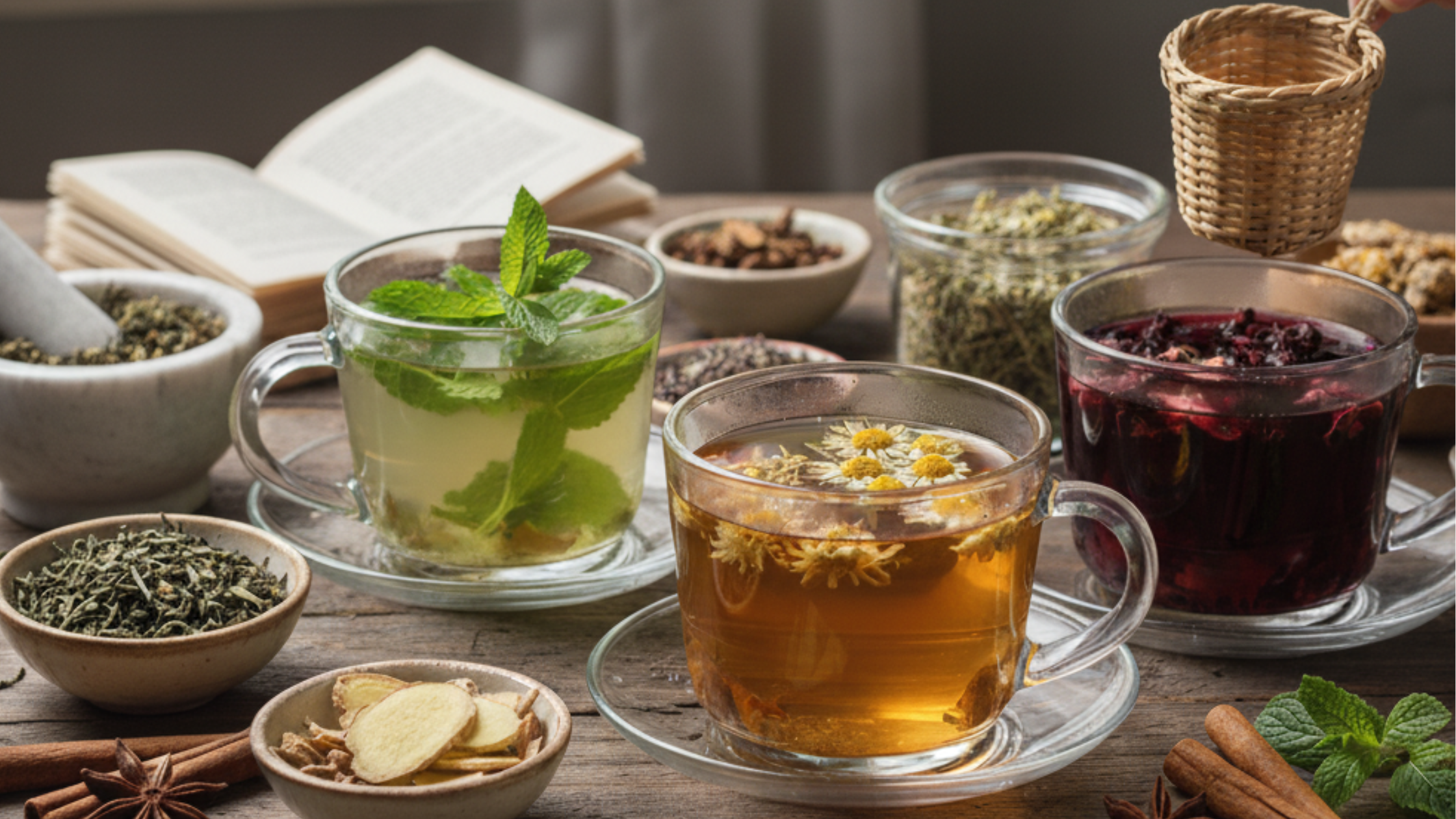
You’re pregnant, you’ve given up coffee, and all you want is a warm, comforting cup of something. Herbal tea seems like the obvious answer — it’s natural, it’s caffeine-free, and it sounds harmless. But here’s the thing: not all herbal teas are safe during pregnancy, and a few can actually cause real harm.
The good news is that plenty of herbal teas are perfectly fine to enjoy. The key is knowing which ones to reach for and which ones to leave on the shelf. This guide gives you a clear, no-guesswork breakdown — by herb, by trimester, and by risk level — so you can make confident choices for yourself and your baby.
Important Note: This article is for educational purposes only and is not intended as medical advice. Always consult with your doctor or midwife before adding any herbal tea to your pregnancy routine, especially if you are taking prescription medications.
The Short Answer
Yes, you can drink herbal tea while pregnant — but with important conditions. Most herbal and fruit teas are safe to drink in pregnancy, as long as you don’t drink them in copious amounts, especially in your first trimester. One or two cups a day should be fine, just don’t drink them continually.
The catch is that “herbal” doesn’t automatically mean “safe.” As one certified nurse midwife explains, “Most people associate ‘herbal’ with ‘natural’ or ‘safe,’ but plants can contain chemicals that are potentially harmful.” Some herbal teas are genuinely helpful for pregnancy discomforts. Others carry real risks. The difference comes down to which herbs are in your cup and how much you’re drinking.
The bottom line: stick to well-known, pregnancy-friendly teas in moderate amounts, always check the ingredient label, and run anything new by your healthcare provider.
Why It’s a Concern
The concern isn’t that herbal tea is inherently dangerous — it’s that the concern with consuming herbal teas during pregnancy is the lack of data available on most herbs and their effects on a developing fetus. Your body processes things differently when you’re pregnant, and so does your baby’s.
There are three main reasons why some herbal teas pose a risk during pregnancy:
- Uterine stimulation: Some teas contain herbs that can stimulate the uterus, potentially causing contractions. This effect is particularly concerning during pregnancy, as uterine contractions can lead to preterm labor or miscarriage.
- Hormonal interference: Some herbs “contain compounds that can trigger uterine contractions or affect fetal development in ways we don’t fully understand,” according to one ob-gyn.
- Lack of regulation: Herbal supplements, which include teas, are not regulated by the Food and Drug Administration (FDA) in the United States. This means that there’s no quality control, and contamination is possible.
The amounts of natural ingredients in herbal teas can vary. Herbal teas may also contain ingredients that are not listed on the label. These ingredients may pass on to your baby, or they may interfere with other medicines you are taking. This is especially worth remembering if you’re taking any prescription medications during your pregnancy.
Key Insight: The first trimester carries the highest risk. The effects and safety of herbs will depend on the trimester they are used in. The first trimester is the most important period as it is also for pharmaceuticals. The rapid cellular development in organogenesis can be changed by any compound.
It also matters how the tea is prepared. Tinctures that are alcohol extracts of dried herbs should be avoided in pregnancy because of the high concentration of compounds and alcohol content. Stick to standard commercial tea bags rather than high-concentration loose-leaf medicinal blends. You can also learn more about foods and beverages to avoid during pregnancy for a broader picture of what to watch out for.
What the Research Actually Says
Here’s the honest truth about the research: it’s limited. Herbs are frequently used as teas or infusions during pregnancy. However, there are no clinical trials and no evidence-based proof regarding their safety. They have been considered to be safe and so used for many years. That doesn’t mean they’re all unsafe — it means the evidence base is thin, and caution is warranted.
What research does exist points to a few consistent findings:
- Ginger tea has the strongest evidence. Ginger tea is one of the most widely recommended teas for pregnancy. It’s known for easing nausea and morning sickness, especially during the first trimester, and is considered effective and safe in moderate amounts. The recommended safe dose is up to 1,000 mg per day for nausea relief.
- Peppermint tea is widely used and well-tolerated. Peppermint tea is one of the most used herbal medicines in pregnancy. It can be helpful in easing nausea and flatulence. Studies have shown peppermint tea does not harm you or your baby.
- Chamomile is more complicated than its calming reputation suggests. With regular use, a higher incidence of preterm labor or miscarriage has been reported. Constricted ductus arteriosus was detected in a pregnant woman who reported drinking chamomile tea on a regular basis, and her condition improved after stopping.
- Red raspberry leaf has a long traditional history. Medical studies have shown that red raspberry leaf can be consumed safely during pregnancy and can decrease the length of labor and the number of interventions used. However, there is ongoing debate about its use in the first trimester.
More research is needed in women’s health generally, and particularly in areas such as the effects of herbal teas and remedies during pregnancy. However, many types of tea have been consumed safely for centuries. The absence of evidence isn’t evidence of absence — but it does mean you should lean toward well-studied options and keep your provider in the loop. For a broader look at how what you eat and drink affects your health, check out the food and drink resource hub.
Common Mistake: Assuming a tea labeled “pregnancy tea” is automatically safe. Some widely available products marketed as “pregnancy” teas include fennel and chamomile, both of which could pose risks. Always read the full ingredient list, not just the front of the box.
How to Do It Safely
If you want to enjoy herbal tea during pregnancy, you absolutely can — you just need a few ground rules. Here’s how to do it right.
Safe Amounts
Many herbal teas are generally safe for pregnancy and can offer comforting or functional benefits. That said, even safe teas should be consumed in moderation — 1–2 cups per day — and discussed with your provider if you have any concerns. Don’t treat herbal tea like water; more isn’t better when you’re pregnant.
Best Teas to Choose
These are the herbal teas with the strongest safety records during pregnancy:
- Ginger tea — Best for morning sickness, especially in the first trimester. Safe in moderate amounts throughout pregnancy.
- Peppermint tea — Helps with nausea, bloating, and indigestion. Peppermint tea is effective for soothing an upset stomach, reducing nausea, and relieving indigestion. It can also help alleviate headaches and tension. This is safe in moderate amounts, but like all herbal teas, it’s best not to overconsume.
- Rooibos tea — Naturally caffeine-free, rooibos tea is rich in antioxidants and gentle on the stomach. It’s often used as a safe alternative to green or black tea.
- Lemon balm tea — This citrusy tea could help relieve anxiety and insomnia. Limit to 1–2 cups per day.
- Red raspberry leaf — Best reserved for the third trimester only (see trimester guide below).
Prep Methods That Matter
- Use boiling water. Always use boiling water (100°C) to brew herbal teas. This heat kills potential bacteria. Let it steep for 3–5 minutes to extract the flavor and beneficial compounds.
- Stick to commercial tea bags. Most commercial brands of herbal teas are thought to be safe for anyone to consume in reasonable amounts. Avoid high-potency loose-leaf medicinal blends unless specifically approved by your doctor.
- Read every ingredient. Multi-herb blends can hide unsafe ingredients. Many “Pregnancy Teas” or “Sleep Blends” contain a mix of multiple herbs. Always scan the back of the box to ensure every single ingredient listed is safe.
- Don’t brew from unknown garden plants. You should not brew a homemade tea from a plant growing in the yard unless you know exactly what it is and if it is safe to consume during pregnancy.
Trimester Differences
Your trimester matters a lot when it comes to herbal tea safety. Here’s a quick guide:
- First trimester (weeks 1–12): Be most cautious here. Stick to ginger for nausea and peppermint for digestion. Avoid raspberry leaf, peppermint in excess, and anything with unclear safety data. There’s some controversy regarding whether raspberry leaf and peppermint teas are safe during the first trimester of pregnancy. It may be best to avoid drinking these two teas in the first 12 weeks of pregnancy.
- Second trimester (weeks 13–26): You have a bit more flexibility. Nettle leaf can be introduced carefully. Nettle leaf is nutrient-rich — offering iron, calcium, and magnesium — but it should only be consumed in the second or third trimester and in teas specifically marked as pregnancy-safe.
- Third trimester (weeks 27–40): Often recommended in the third trimester, raspberry leaf tea is believed to tone the uterus and potentially shorten labor. However, it should be avoided in the first trimester due to its uterine-stimulating effects. If you plan to try raspberry leaf, start slowly around week 32 and discuss it with your midwife first.
Pro Tip: Try DIYing a safe fruit infusion by steeping fruit (such as pineapple or apple) and zest from organic lemons or oranges in boiling water for several minutes, then straining. It’s a delicious, pregnancy-safe alternative with no herb-related risks.
Staying well-hydrated is one of the most important things you can do during pregnancy. Read more about why drinking enough water matters and how herbal teas can contribute to your daily fluid intake.
When to Avoid It Completely
Some herbal teas have no place in your pregnancy routine — full stop. These aren’t “drink sparingly” herbs; they carry documented risks of miscarriage, premature labor, or fetal harm.
Herbs to Avoid Entirely During Pregnancy
Herbs may contain substances that can cause miscarriage, premature birth, uterine contractions, or injury to the fetus. The following are the most important ones to eliminate completely:
- Pennyroyal — Known to induce uterine contractions. Strictly avoid.
- Black cohosh and blue cohosh — Black cohosh has estrogenic and uterotonic effects. While it is sometimes used for menopause, it may cause uterine contractions in pregnancy.
- Dong quai — Stimulates uterine contractions and should be avoided throughout pregnancy.
- Mugwort — Has uterotonic properties and is associated with miscarriage risk.
- Sage tea — Contains thujone, which can be toxic in high doses and is linked to miscarriage. Note: sage as a cooking spice in normal food amounts is fine.
- Parsley tea — Parsley contains a compound called apiol, which has been traditionally used to stimulate menstruation. Apiol can also stimulate uterine contractions, which might increase the risk of miscarriage or preterm labor.
- Hibiscus tea — Due to potential risks associated with its high content of certain compounds, hibiscus tea is not recommended during pregnancy. Potential side effects include interference with iron absorption, lowering blood pressure, and stimulating the uterus.
- St. John’s Wort — Can interact with medications and affects hormone levels. Avoid unless prescribed by a doctor.
- Licorice root — Can affect blood pressure and hormones. Avoid throughout pregnancy.
- Valerian root — There is not sufficient research on the safety of valerian during pregnancy, and some studies have indicated that it may reduce the level of zinc in your developing baby’s brain.
- Senna — This herbal laxative could lead to dehydration.
- Detox and weight-loss teas — These often include unsafe herbal blends and laxatives. Avoid entirely.
Important Note: If you accidentally had one cup of a tea on the “avoid” list before you knew it was unsafe, try not to panic. Most of the risks outlined are associated with regular and/or excessive use, so one stray cup shouldn’t put you or the baby in any danger. That said, do let your healthcare provider know.
Understanding which foods and drinks carry risks during pregnancy is empowering, not scary. For more on what to watch out for, explore this guide on foods and beverages to avoid during pregnancy — and consider reading about whole plant-based foods that support a healthy pregnancy diet. You might also find this look at zobo drink useful, as hibiscus-based beverages are among those to avoid during pregnancy.
Quick Reference Chart
Use this chart to quickly check whether a tea is safe, unsafe, or needs caution during pregnancy. Always verify with your healthcare provider for your specific situation.
| Herbal Tea | Safety Status | Trimester Notes | Key Reason |
|---|---|---|---|
| Ginger | ✅ Safe (in moderation) | All trimesters | Relieves nausea; well-studied |
| Peppermint | ✅ Safe (in moderation) | 2nd & 3rd trimester preferred | Eases digestion; avoid excess in 1st trimester |
| Rooibos | ✅ Safe | All trimesters | Caffeine-free; antioxidant-rich |
| Lemon Balm | ✅ Safe (1–2 cups/day) | All trimesters | Calming; anxiety and sleep support |
| Red Raspberry Leaf | ⚠️ Use with Caution | 3rd trimester only (after 32 wks) | Uterine toning; avoid in 1st & 2nd trimester |
| Nettle Leaf | ⚠️ Use with Caution | 2nd & 3rd trimester only | Nutrient-rich; can stimulate uterus if improperly prepared |
| Chamomile | ⚠️ Use with Caution | Occasional use only | Linked to ductal constriction and preterm labor with regular use |
| Pennyroyal | 🚫 Avoid | All trimesters | Induces uterine contractions |
| Black / Blue Cohosh | 🚫 Avoid | All trimesters | Uterotonic and estrogenic effects |
| Dong Quai | 🚫 Avoid | All trimesters | Stimulates uterine contractions |
| Sage Tea | 🚫 Avoid | All trimesters | Contains thujone; linked to miscarriage |
| Parsley Tea | 🚫 Avoid | All trimesters | Apiol stimulates uterus; miscarriage risk |
| Hibiscus Tea | 🚫 Avoid | All trimesters | May stimulate uterus; affects iron absorption |
| Licorice Root | 🚫 Avoid | All trimesters | Affects blood pressure and hormones |
| St. John’s Wort | 🚫 Avoid | All trimesters | Drug interactions; hormonal effects |
| Valerian Root | 🚫 Avoid | All trimesters | Insufficient safety data; potential zinc concerns |
| Detox / Weight-Loss Teas | 🚫 Avoid | All trimesters | Often contain laxatives and unsafe herbal blends |
Looking for more guidance on what to eat and drink for your overall health? These resources on superfoods for heart health, brain-boosting foods, and fibroid-healing foods can help you build a nourishing approach to nutrition.
Frequently Asked Questions
Can I drink chamomile tea while pregnant?
Occasionally and in small amounts, chamomile tea is unlikely to cause harm. However, a cup of chamomile tea before bed may relax you, but there is a suggestion it could stimulate your uterus or lead to circulation problems for your baby. Regular daily use is not recommended during pregnancy. If you’re looking for a calming evening tea, lemon balm or rooibos are safer alternatives.
Is ginger tea safe in the first trimester?
Yes — ginger is one of the safest and most recommended herbal teas for early pregnancy. Ginger tea is one of the most widely recommended teas for pregnancy. It’s known for easing nausea and morning sickness, especially during the first trimester, and is considered effective and safe in moderate amounts. Keep it to 1–2 cups per day and stay within 1,000 mg of ginger daily.
What about green tea — is that different from herbal tea?
Yes, green tea is not an herbal tea — it contains caffeine. As long as you keep your caffeine intake below 200 mg per day, you can drink green tea while pregnant (remember that 200 mg is about two eight-ounce cups of coffee or three cups of caffeinated tea). Just factor it into your total daily caffeine count alongside any other caffeinated beverages.
Can I drink raspberry leaf tea to help prepare for labor?
Only in the third trimester, and only after speaking with your midwife or doctor. Red raspberry leaf tea has long been used as a “uterine tonic” in the hopes of promoting a faster and less painful labor. That’s why it’s best to wait until late in your pregnancy to try it. “Consuming raspberry leaf tea before the end of pregnancy can cause premature contractions.” Don’t start it before 32 weeks, and avoid it entirely if you have risk factors for preterm labor.
Are “pregnancy teas” from the store automatically safe?
Not necessarily. Always read ingredient lists and choose carefully, avoiding any with herbs on the “avoid” list. Note that some widely available products marketed as “pregnancy” teas include fennel and chamomile, both of which could pose risks. Flip the box over and read every ingredient before you brew.
What if I accidentally drank an unsafe tea before I knew?
Try not to panic. There likely isn’t any reason to panic if you find out that you’ve accidentally had some tea that isn’t recommended for pregnancy. Most of the risks are associated with regular and/or excessive use, so one stray cup shouldn’t put you or the baby in any danger. Do mention it to your healthcare provider at your next appointment, especially if the tea contained any high-risk herbs like pennyroyal or black cohosh.
Can herbal tea help with pregnancy symptoms?
Herbal teas can be a safe and effective way to improve some common pregnancy discomforts and a good sugar- and caffeine-free option for hydration. Ginger for morning sickness, peppermint for bloating, and lemon balm for stress and sleep are all well-regarded options. Just keep to the safe list and stick to 1–2 cups a day. For more on how nutrition supports your wellbeing, explore our guide to foods that support liver function and foods for healthy skin — both increasingly relevant during pregnancy.
Pregnancy is already full of things to navigate. The good news is that your cup of tea doesn’t have to be one of them — as long as you know what’s in it. Stick to the safe list, keep portions moderate, and don’t hesitate to ask your healthcare provider when you’re unsure. You’ve got this.