Can You Eat Caesar Salad While Pregnant? Here’s What You Need to Know

April 7, 2026
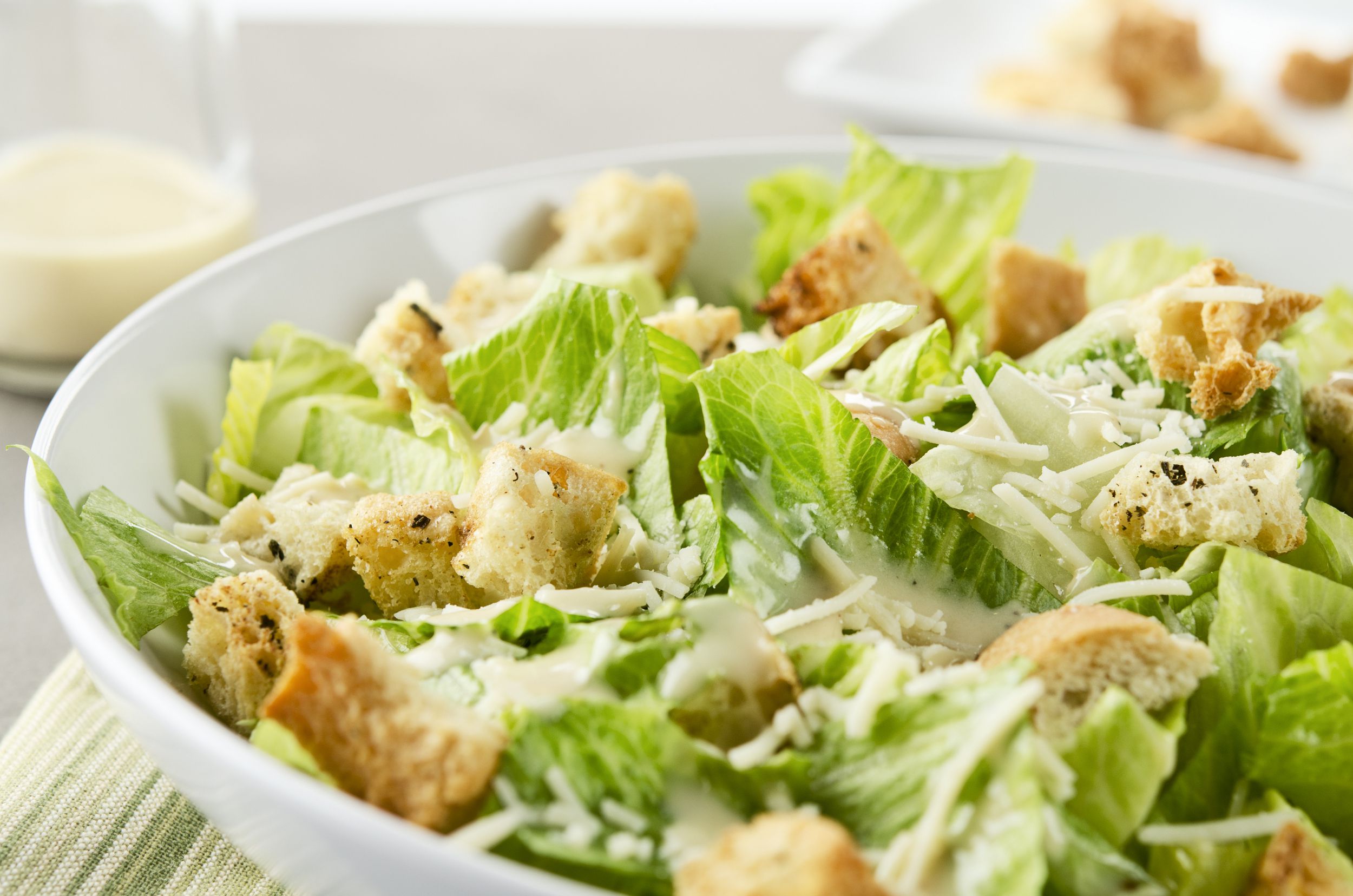
Caesar salad is one of those cravings that hits hard during pregnancy — and then immediately makes you second-guess yourself. Is it the dressing? The cheese? The anchovies? If you’ve found yourself Googling this at 10 p.m. while staring at a restaurant menu, you’re in good company.
The good news is that you don’t have to give up Caesar salad for nine months. You just need to know which version is safe and which one to skip. This guide breaks it all down clearly so you can make a confident, informed choice — no guesswork required.
The Short Answer
Yes, you can eat Caesar salad while pregnant — but it depends entirely on how it’s made. Caesar salad is safe during pregnancy if it’s made with pasteurized eggs, fresh lettuce, and pasteurized cheese. The concern isn’t the salad itself — it’s the traditional dressing recipe, which calls for raw eggs.
A common myth is that Caesar salad is entirely unsafe during pregnancy. The truth is, it’s safe if you avoid raw eggs in the dressing and use pasteurized products. Once you understand what to look for, ordering or making a pregnancy-safe Caesar is actually pretty simple.
Pro Tip: When dining out, don’t hesitate to ask your server whether the Caesar dressing is house-made or bottled. Most chain restaurants use bottled, pasteurized dressings — which are the safer choice.
Why It’s a Concern
The issue with traditional Caesar salad during pregnancy comes down to a few specific ingredients — primarily raw eggs in the dressing, but also potentially unpasteurized cheese and improperly handled anchovies.
It is a well-known fact that pregnant women should avoid consuming raw or half-cooked eggs due to the potential risk of Salmonella contamination. The presence of Salmonella, the bacteria usually found in bird feces, may lead to food poisoning and can be fatal during pregnancy. That’s a serious risk, and it’s why doctors consistently flag homemade Caesar dressing as a concern.
Parmesan in Caesar salads might be unpasteurized, posing a Listeria infection risk to pregnant women. Pregnant women are 10 times more likely to get a Listeria infection than the general population, which is why even small risks deserve attention.
Anchovies also warrant a brief mention. When incorporating anchovies into a Caesar salad, the preparation method is critical. Traditional Caesar dressings often use raw anchovies, which may carry a risk of bacterial contamination, such as Listeria or Salmonella.
Caesar salads can also be high in sodium, which might contribute to elevated blood pressure and water retention — something worth keeping in mind if you’re eating it frequently. You can read more about foods and beverages to avoid during pregnancy for a broader picture of what to watch for.
Important Note: The risk isn’t from Caesar salad as a concept — it’s specifically from raw or unpasteurized ingredients. Understanding this distinction makes all the difference.
What the Research Actually Says
Health authorities are consistent on this topic. Don’t eat foods that may be made with raw or partly cooked eggs. Examples include homemade eggnog, raw batter and dough, tiramisu, freshly made or homemade hollandaise sauce, homemade Caesar salad dressing, and homemade ice cream. This guidance comes directly from the Mayo Clinic.
Immune system changes in pregnant women place the women themselves, their unborn children, and their newborns at increased risk of foodborne illness. These illnesses can be worse during pregnancy and may lead to miscarriage or premature delivery. Some foodborne illnesses, such as Listeria and Toxoplasma gondii, can infect the fetus even if the mother does not feel sick.
At the same time, research doesn’t say you need to avoid Caesar salad entirely. Commercially made salad dressings are made with pasteurized eggs and are therefore safe to eat. Commercially available Caesar dressings are safe as they contain cooked or pasteurized eggs that are safe for pregnant women.
The nutritional side of the equation is also worth noting. Key benefits of eating Caesar salad while pregnant include folate, which may support healthy fetal development; fiber, which potentially aids digestive health for expectant mothers; and calcium, which may contribute to bone health for both mother and baby. Leafy green vegetables, including lettuce, contain considerable amounts of folate, which is an essential vitamin necessary during pregnancy for the development of the fetus’s brain.
Explore more about whole plant-based foods that can round out your pregnancy diet, and check out these superfoods for a healthy heart that pair well with a greens-forward eating approach.
How to Do It Safely
The good news: making Caesar salad pregnancy-safe is genuinely easy once you know the rules. Here’s exactly how to do it across different situations.
Choosing a Safe Dressing
Many commercially available Caesar dressings are made without raw eggs, using alternative ingredients to achieve a similar creamy texture and rich flavor. Look for labels that specifically mention pasteurization or use non-egg emulsifiers.
Replace raw eggs with mayonnaise made from pasteurized eggs or use store-bought Caesar dressing labeled as pasteurized. For cheese, opt for pasteurized Parmesan instead of raw Pecorino Romano.
Making It at Home
If you want to make your own dressing, opting for pasteurized eggs is a game-changer. These eggs have been heat-treated to kill harmful bacteria while retaining their nutritional value. When using pasteurized eggs, you can enjoy Caesar dressing with peace of mind.
A simple pregnancy-safe homemade Caesar dressing can be made by combining garlic, lemon juice, Dijon mustard, Worcestershire sauce, pasteurized egg yolk or mayonnaise, olive oil, and grated pasteurized Parmesan cheese. Blend until smooth and refrigerate promptly.
Handling Anchovies
To mitigate anchovy risks, opt for commercially prepared dressings that use pasteurized or cooked anchovies, as these processes eliminate harmful bacteria. Alternatively, homemade dressings can be made using canned or jarred anchovies, which are heat-treated and safe for consumption.
Anchovies are safe to eat during pregnancy as they are low in mercury. If you’d like to learn more about seafood safety during pregnancy, this guide on the pros and cons of eating seafood is a helpful read.
Washing Your Lettuce
Always wash romaine lettuce thoroughly to avoid Listeria risk — a critical step for all leafy greens during pregnancy. Keeping your salad ingredients properly chilled is equally important; learn more about how cold a salad bar or refrigerator needs to be to keep food safe.
Trimester-by-Trimester Breakdown
| Trimester | Is Caesar Salad Safe? | Key Precautions |
|---|---|---|
| First Trimester | ✅ Yes, with modifications | Use pasteurized dressing, avoid homemade with raw eggs, wash all produce |
| Second Trimester | ✅ Yes, with modifications | Stick to pasteurized ingredients, choose reputable sources when dining out |
| Third Trimester | ✅ Yes, with modifications | Ensure all components are fresh and washed; stick to pasteurized products |
You can eat Caesar salad during the first trimester if made with pasteurized eggs and without raw fish. Always check for fresh ingredients and avoid homemade dressings with raw eggs to prevent any health risks. Opt for store-bought dressings labeled “pasteurized.” It’s also safe to eat Caesar salad in the second trimester as long as it’s made with pasteurized eggs and fresh ingredients. Eating Caesar salad is safe during the third trimester if you ensure the dressing contains pasteurized eggs and all components are fresh and washed. Stick to pasteurized products to prevent foodborne illnesses, which could affect you and your baby.
How Often Is Too Often?
While safe, moderation is key. Limit Caesar salad to 2–3 servings per week due to sodium content in Parmesan and anchovies. Pair it with lean protein like grilled chicken to balance the meal. For pairing ideas, check out this list of what to serve with Caesar salad.
Pro Tip: Adding grilled chicken, hard-boiled eggs, or avocado to your Caesar salad boosts its protein and folate content — both especially valuable during pregnancy.
When to Avoid It Completely
There are specific situations where Caesar salad should be skipped entirely, regardless of how much you’re craving it.
- Homemade dressing with raw eggs: Don’t eat foods that may be made with raw or partly cooked eggs — this includes freshly made or homemade Caesar salad dressing.
- Restaurant dressings you can’t verify: If you are eating out, ensure that the restaurant either uses pasteurized eggs or that the salad does not have any eggs in it. You should also avoid homemade preparations of this salad unless you are sure that there are no eggs in it or pasteurized eggs have been used.
- Unpasteurized cheese: Avoid unheated queso fresco-type cheeses when made with unpasteurized (raw) milk. The same principle applies to any Caesar made with raw-milk Parmesan.
- Salads left at unsafe temperatures: If the Caesar salad has been sitting out at a party or buffet, skip it. Bacteria multiply rapidly at room temperature. This is especially relevant at salad bars — proper refrigeration temperatures matter.
- Pre-made deli-style salads: Do not buy or eat premade ham salad, chicken salad, or seafood salad which may contain Listeria. The same caution extends to pre-made Caesar salads with added proteins from deli counters.
Common Mistake: Assuming all restaurant Caesar salads are safe. Upscale or farm-to-table restaurants are actually more likely to use house-made dressings with raw eggs — always ask.
Quick Reference Chart
| Caesar Salad Component | Status | What to Do |
|---|---|---|
| Store-bought Caesar dressing (pasteurized) | ✅ Safe | Check label confirms pasteurized eggs; refrigerate promptly |
| Homemade dressing with raw eggs | ❌ Avoid | Skip entirely or replace with pasteurized egg or mayo-based version |
| Pasteurized Parmesan cheese | ✅ Safe | Most commercial Parmesan is pasteurized — verify label |
| Unpasteurized / raw-milk cheese | ❌ Avoid | Do not consume; risk of Listeria |
| Canned/jarred anchovies | ✅ Safe | Heat-treated; safe in moderation due to sodium content |
| Raw anchovies | ⚠️ Caution | Possible Listeria risk; opt for canned instead |
| Romaine lettuce (washed) | ✅ Safe | Wash thoroughly before eating |
| Romaine lettuce (unwashed) | ⚠️ Caution | Rinse under cold running water; scrub if needed |
| Grilled chicken topping | ✅ Safe | Must be fully cooked to internal temp of 165°F |
| Croutons | ✅ Safe | Generally safe; check for any unusual raw-egg coatings |
| Salad left at room temperature | ❌ Avoid | Discard if left out more than 2 hours |
| Pre-made deli Caesar with protein | ⚠️ Caution | High Listeria risk; avoid unless heated to steaming |
For a broader look at pregnancy-safe eating, the complete guide to foods and beverages to avoid during pregnancy covers many more categories. You may also find these articles useful: foods that boost brain health (great for supporting your baby’s development) and powerful nutrients found in everyday foods.
Frequently Asked Questions
Can I eat Caesar salad from a restaurant while pregnant?
Yes — store-bought Caesar dressings are typically made with pasteurized eggs, making them safer for pregnant women. Always check the label to confirm pasteurization. At a restaurant, ask whether the dressing is house-made or bottled. Most chain and casual dining restaurants use bottled, pasteurized dressings.
Is Caesar salad safe in the first trimester?
Yes, Caesar salad can be safe during the first trimester of pregnancy, provided the dressing is made with pasteurized eggs and the lettuce is well washed. The first trimester is when many women experience strong food cravings, so knowing this is reassuring.
Can I eat Caesar salad with chicken while pregnant?
Yes, as long as the chicken is fully cooked and the dressing and cheese are made with pasteurized ingredients, it’s safe to enjoy Caesar salad with grilled chicken. It is safe to eat during pregnancy when cooked thoroughly to an internal temperature of 165°F to reduce the risk of foodborne illness.
What about Caesar salad with anchovies during pregnancy?
Anchovies are commonly used in Caesar salad dressing, and they are safe to consume during pregnancy in moderate amounts as long as they are fully cooked. Stick to canned or jarred anchovies and be mindful of sodium intake.
Can I eat Caesar salad with bacon while pregnant?
Bacon can be added to Caesar salad and is safe to eat during pregnancy when cooked thoroughly to an internal temperature of 165°F. However, pregnant women are advised to limit their intake of processed meats, including bacon, due to their high sodium and nitrate content, which may be harmful in large amounts.
Is Parmesan cheese in Caesar salad safe during pregnancy?
Pregnant women do not need to avoid Parmesan cheese in Caesar salad as long as it’s made with pasteurized milk. Parmesan is a hard cheese, typically considered safe, but checking if it’s made with pasteurized ingredients is a good precaution.
Can I eat Caesar salad from a bag (like a salad kit)?
Before consuming store-bought salad, check the ingredients and nutritional information. Look for options without raw eggs, unpasteurized cheese, or excessive saturated fat. Additionally, ensure the salad is appropriately stored, refrigerated, and consumed within the recommended time frame to minimize food safety risks.
Can Caesar salad cause a miscarriage?
There is no scientific evidence to suggest that eating Caesar salad can cause a miscarriage. However, if the salad contains raw eggs in the dressing or unwashed vegetables, there is a risk of foodborne illnesses which can potentially harm the pregnancy. The key is making safe ingredient choices.
For more guidance on building a healthy, well-rounded pregnancy diet, explore these resources: fibroid healing foods, foods for healthy skin (great for managing pregnancy skin changes), and foods that support liver function — all of which can complement your prenatal nutrition plan.
This article is for informational purposes only and is not intended as medical advice. Always consult with your OB-GYN or a qualified healthcare provider before making dietary decisions during pregnancy.