Can You Eat Brie While Pregnant? What You Actually Need to Know

April 6, 2026
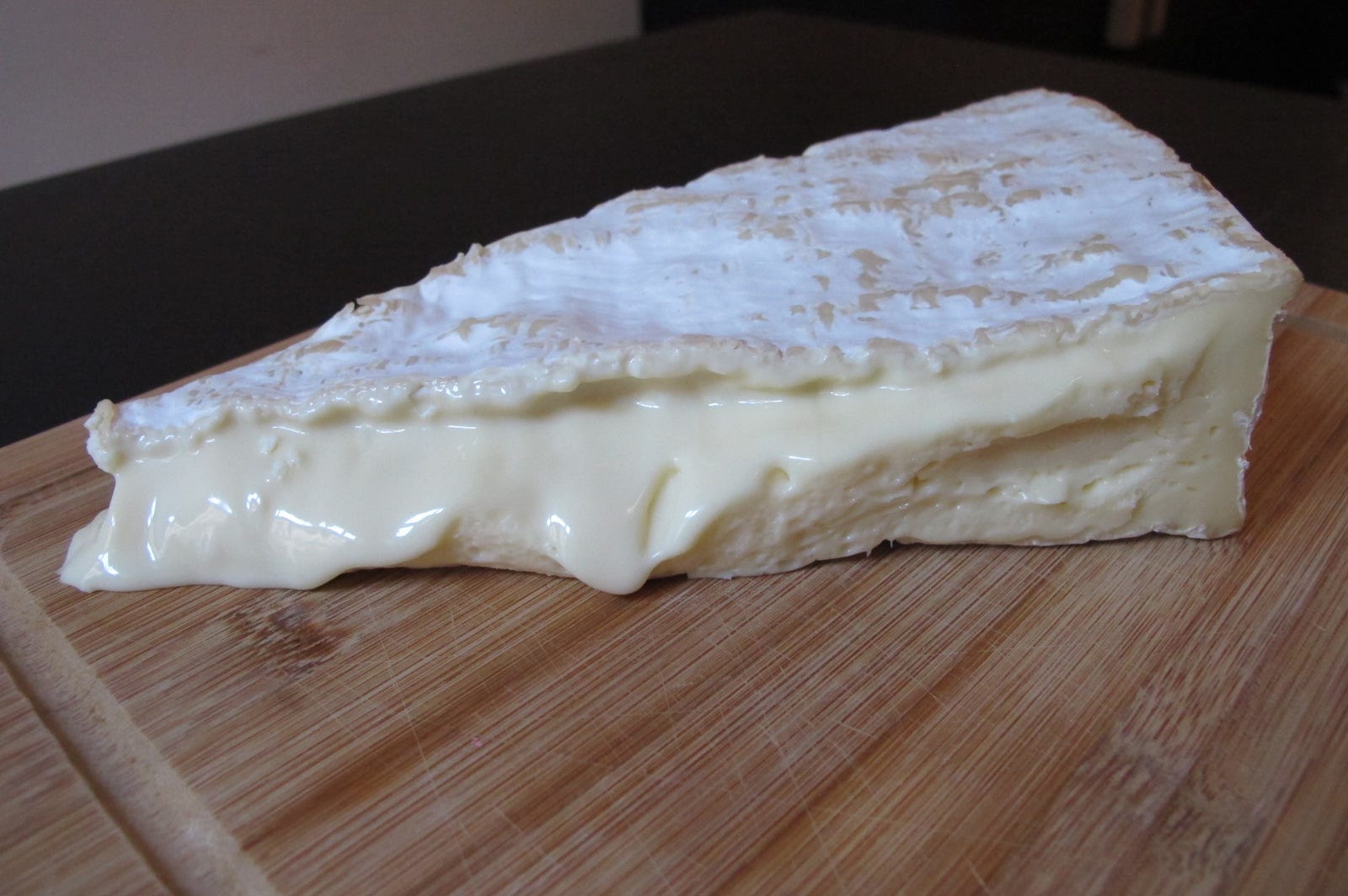
You’re standing in front of a gorgeous cheese board, eyes locked on that creamy wheel of brie, and the question hits you: can I actually eat this? It’s one of the most common food questions during pregnancy — and the answer is more nuanced than a flat yes or no.
The short version is that brie can be safe during pregnancy, but only under specific conditions. Understanding exactly why, and what those conditions are, will help you make a confident, informed choice every time you encounter it — at a party, in a recipe, or in your own kitchen.
Important Note: This article is for educational purposes only and is not intended as medical advice. Always consult with your OB-GYN or midwife before making dietary decisions during pregnancy.
The Short Answer
Yes — but with important conditions. Brie can be safe during pregnancy if it’s pasteurized and thoroughly heated. Eating it cold, straight from the fridge, or from an unknown source is where the real risk comes in.
The key factors that determine whether brie is safe for you right now come down to three things: how the milk was processed, how the cheese was stored, and whether it has been cooked. Get all three right, and you can enjoy brie as part of a healthy pregnancy diet. Miss any one of them, and you’re taking a risk that most experts agree isn’t worth it.
If you want to dig deeper into the full landscape of foods and beverages to avoid during pregnancy, that resource covers the broader picture — but let’s zero in on brie specifically right here.
Why It’s a Concern
Brie is a soft, mold-ripened cheese, meaning it contains more moisture than firm cheeses. That distinction matters more than most people realize. That high moisture content makes it more likely to support the growth of Listeria monocytogenes, especially when served cold or stored improperly.
Listeria is the bacteria at the center of nearly every pregnancy cheese warning you’ve ever heard. The worry with soft cheeses is that they are the ideal breeding ground for listeria, the bacteria that causes listeriosis. It can get into the cheese through unpasteurized milk or during the packaging process.
Here’s what makes this especially relevant during pregnancy: because pregnancy suppresses your immune system, pregnant women are more likely to get listeriosis after eating something containing listeria. And the consequences are far more serious than a stomach bug. Soft cheeses made from unpasteurized milk can carry listeria, a bacteria that can cause miscarriage, stillbirth, or preterm labor.
Key Insight: Pregnant women are 10 times more likely to get a Listeria infection than the general population — which is exactly why the guidelines around soft cheeses exist in the first place.
There’s also a detail that surprises many people: usually the recommendation to avoid getting these foodborne illnesses is to only consume pasteurized milk and milk products. But according to the NHS, this doesn’t apply to brie — soft cheeses with a white coating on the outside have more moisture, which can make it easier for bacteria to grow. Pasteurization alone isn’t a guaranteed green light with brie the way it might be with cheddar or Swiss.
What the Research Actually Says
The guidance on brie during pregnancy is consistent across major health organizations — though the nuance in how they frame it is worth paying attention to.
Mayo Clinic advises avoiding soft cheeses, such as brie, feta and blue cheese, unless the label says they’re pasteurized or made with pasteurized milk. Nemours KidsHealth takes a similar stance, recommending that pregnant women stay away from soft, unpasteurized cheeses (often advertised as “fresh”) such as some feta, goat, Brie, Camembert, and blue-veined cheeses.
The American College of Obstetricians and Gynecologists (ACOG) is notably more direct: raw (unpasteurized) milk and foods made with raw milk, including soft cheeses like feta, brie, or queso blanco, should be avoided — while soft cheeses made with pasteurized milk are safe to eat.
Expert opinion, however, adds an important layer. Dr. Jill Rabin, OB-GYN at Northwell Health, points out that you can purchase pasteurized brie, but the pasteurization process may or may not kill all of the bacteria. “It may be a little safer than unpasteurized, but there’s still a risk,” she says.
On the other side of the debate, registered dietitian Jessica Monroe, PhD, RD, pushes back on blanket soft-cheese bans: “Most soft cheese in the US is made with pasteurized milk, which reduces the risk of acquiring a listeria infection. The warning should be, ‘Don’t eat cheese made with unpasteurized milk,’ not avoid soft cheeses altogether.”
The takeaway? The research supports a conditional yes — pasteurized and cooked brie carries much lower risk. But “lower risk” and “zero risk” are not the same thing, and that gap is where personal comfort and medical guidance come in. Cooking and pasteurization are the only ways to kill Listeria.
Pro Tip: FoodSafety.gov urges pregnant people to be especially mindful of soft cheese from farmer’s markets, roadside stands and other local sources — always confirm pasteurization before buying from these vendors.
It’s also worth noting that on average, 1,600 listeriosis cases occur annually in the United States. With only about 200 cases of pregnant women contracting listeriosis among around 4 million cases of pregnancies per year, the odds of you contracting listeria are rather slim. That context matters — but it doesn’t eliminate the need for caution, especially given how severe the consequences can be.
How to Do It Safely
If you love brie and want to keep it in your life during pregnancy, you absolutely can — with the right approach. Here’s what safe brie consumption actually looks like.
Step 1: Check the Label First
Before anything else, look at the packaging. Pasteurization kills off the bacteria found in raw milk, so any cheese made with pasteurized milk is considered safe to eat, as long as it is stored in sanitary conditions. Look for the words “made with pasteurized milk” explicitly on the label. Don’t assume — verify.
The term “organic” refers to how the milk was produced but does not guarantee that the cheese is free from harmful bacteria. Always check that the brie is pasteurized, whether organic or not.
Step 2: Cook It Until Steaming Hot
This is the most important step. Even with pasteurized brie, it is recommended to only eat brie when cooked thoroughly at 165°F/74°C or more (or until steaming hot) — this is the case even if the cheese has been pasteurized. Mold-ripened soft cheeses such as brie have the potential to harbor harmful bacteria even after the pasteurization process.
Heating the brie to 165 degrees Fahrenheit or more kills off listeria and can ensure that it is safe to eat in pregnancy. You would need a food thermometer to check that the internal temperature of the cheese reached 165 degrees — and it’s worth doing if you want genuine peace of mind.
Step 3: Choose Your Preparation Wisely
Cooking kills harmful bacteria, making dishes like baked brie in puff pastry or brie melted into pasta or sandwiches a safe option. Here are some pregnancy-friendly ways to enjoy brie:
- Baked brie: Try a brie with cranberries and maple syrup on top, baked at 350°F until steaming throughout
- Melted into pasta or risotto: The cooking process brings the cheese well above the safe temperature threshold
- Brie on pizza: Oven-cooked brie on a hot pizza reaches the required internal temperature easily
- Brie-stuffed mushrooms: Baked at 350°F for 20–25 minutes until the cheese is fully melted and steaming
- Grilled brie sandwiches: Fully melted and cooked through is the goal — not just warm on the outside
Common Mistake: Assuming brie is safe just because it looks melted or warm on the outside. The interior and the rind must both reach 165°F internally. Use a food thermometer rather than guessing by appearance.
Trimester Considerations
The risk of listeria exists throughout all three trimesters, but infection can occur at any time during pregnancy, and it is most common during the third trimester when your immune system is somewhat suppressed. This doesn’t mean the first trimester is risk-free — during the first trimester of pregnancy, a listeria infection may result in a miscarriage. Apply the same precautions at every stage.
Storage Rules
Store your brie in airtight packaging or plastic wrap in the refrigerator, as it’s particularly prone to spoilage or bacterial contamination if left outside the fridge. Also, soft cheeses labeled as “pasteurized” are usually OK, especially if they’re individually packaged and not cut at the deli counter from a larger piece — pre-cut deli brie has more surface exposure and higher contamination risk.
When to Avoid It Completely
There are situations where brie is simply off the table — no exceptions. Knowing these clearly will save you from second-guessing in the moment.
- It’s unpasteurized. Soft, unpasteurized cheeses like Brie and Camembert may contain Listeria, bacteria that cause mild flu-like symptoms in most adults but can be very dangerous for unborn babies. No amount of careful handling changes this.
- You can’t confirm the pasteurization status. At restaurants, parties, or markets, if you can’t verify the label, skip it. If you’re dining out, don’t hesitate to ask your server about the ingredients — a reputable restaurant will be happy to provide that information.
- It’s served cold or at room temperature. Even when brie is made with pasteurized milk, it can still pose a risk if it’s not cooked. That’s why unless brie has been heated until steaming hot, some experts recommend avoiding it — even if it’s been pasteurized.
- It’s from a deli counter. Soft cheeses from delis have been linked to listeria, as per the CDC. Pre-sliced, open-air cheese carries elevated contamination risk.
- You’re immunocompromised or have a high-risk pregnancy. If your OB-GYN has flagged any complications, the safest path is avoiding brie entirely and switching to hard cheeses. Always defer to your care provider’s specific guidance.
- It’s from a local, unverified source. Recent listeria outbreaks have been linked to brie and Camembert, even when pasteurized milk was used — artisan or small-batch products carry higher uncertainty.
Important Note: Symptoms of listeriosis may show up 2–30 days after exposure. Symptoms in pregnant women include mild flu-like symptoms, headaches, muscle aches, fever, nausea, and vomiting. If you’ve eaten questionable brie and develop these symptoms, contact your healthcare provider immediately.
Quick Reference Chart
| Type of Brie | Status | Notes |
|---|---|---|
| Unpasteurized brie (any form) | ❌ Unsafe | High listeria risk; avoid entirely during pregnancy |
| Pasteurized brie, served cold | ⚠️ Use Caution | Still carries moisture-related listeria risk; most experts advise against |
| Pasteurized brie, fully cooked to 165°F | ✅ Generally Safe | Cooking kills listeria; use a thermometer to verify internal temp |
| Brie from deli counter (pasteurization unclear) | ❌ Avoid | Open-air exposure increases contamination risk |
| Brie from farmer’s market or local source | ⚠️ Use Caution | Confirm pasteurization; when in doubt, skip it |
| Restaurant brie (pasteurization unknown) | ⚠️ Use Caution | Ask about ingredients; only eat if confirmed pasteurized and cooked |
| Baked brie (pasteurized, heated to steaming) | ✅ Safe | Safest way to enjoy brie during pregnancy |
| Hard cheeses (cheddar, Swiss, Parmesan) | ✅ Safe | Best low-risk alternatives; also great for heart health |
For a broader look at how your food choices affect your overall wellness during and after pregnancy, it’s worth exploring whole plant-based foods and foods that boost brain health — both can support you and your baby’s development throughout each trimester.
Frequently Asked Questions
Can I eat baked brie while pregnant?
Yes — with conditions. Proper cooking should kill any bacteria in cheese, so eating cooked or baked pasteurized brie cheese should be safe while pregnant. The key is making sure the brie is pasteurized and that it reaches an internal temperature of 165°F throughout, including the rind. If you can’t verify the temperature, it’s safest to skip it.
What happens if I accidentally ate brie while pregnant?
Don’t panic. On average, 1,600 listeriosis cases occur annually in the United States, with only about 200 cases among pregnant women out of around 4 million pregnancies per year — making the odds of contracting listeria relatively slim. That said, monitor yourself for symptoms like fever, muscle aches, nausea, or vomiting in the days and weeks following, and contact your OB-GYN if anything develops. A blood test can confirm an infection from listeriosis.
Is the rind of brie safe to eat during pregnancy?
The rind of brie cheese is edible and perfectly safe to consume during pregnancy, although you should always double-check the label to ensure the cheese is made from pasteurized milk. However, if the brie is uncooked, the rind carries the same listeria risk as the rest of the cheese — so the same rules apply: pasteurized and cooked is the only safe combination.
Is organic brie safer than regular brie during pregnancy?
No. The term “organic” refers to how the milk was produced but does not guarantee that the cheese is free from harmful bacteria. Always check that the brie is pasteurized, whether organic or not. Organic labeling says nothing about listeria risk.
What cheeses are safe to eat during pregnancy?
The CDC recommends that pregnant women eat hard cheeses instead of soft cheeses. Hard cheeses such as cheddar and semi-soft cheeses such as mozzarella are safe to consume. Pasteurized processed cheese slices and spreads such as cream cheese and cottage cheese can also be safely consumed. These options give you all the calcium, protein, and vitamin B12 benefits of brie with significantly less risk. You can also explore nutrient-rich foods that support hormonal and reproductive health throughout pregnancy.
Can I eat brie in the first trimester?
The same rules apply in every trimester. During the first trimester of pregnancy, a listeria infection may result in a miscarriage — making it just as important to apply caution early on. Pasteurized and fully cooked brie is the only conditionally safe option at any stage of pregnancy.
Are there safe ways to satisfy a brie craving?
Absolutely. If prepared safely, brie can offer nutritional benefits including calcium for fetal skeletal development, protein for maternal tissue repair and baby’s growth, and vitamin B12 for red blood cell production and neurological development. If you want a truly worry-free alternative, feta, cream cheese, cottage cheese, and mozzarella are usually made with pasteurized milk and are safe choices. Melted mozzarella on a flatbread or a warm cream cheese dip can scratch that creamy cheese itch without any of the uncertainty. For more on building a nutrient-dense pregnancy plate, check out these powerful nutrients and foods worth incorporating into your diet and learn about foods for healthy skin — both especially relevant as your body changes during pregnancy.
The bottom line: brie doesn’t have to disappear from your life entirely during pregnancy. Know your source, confirm pasteurization, cook it thoroughly, and when you’re unsure — choose one of the many safe, satisfying alternatives available to you. Your cravings are valid, and with the right information, you can honor them safely.