Can You Eat Lunch Meat While Pregnant? Here’s What You Actually Need to Know

April 6, 2026
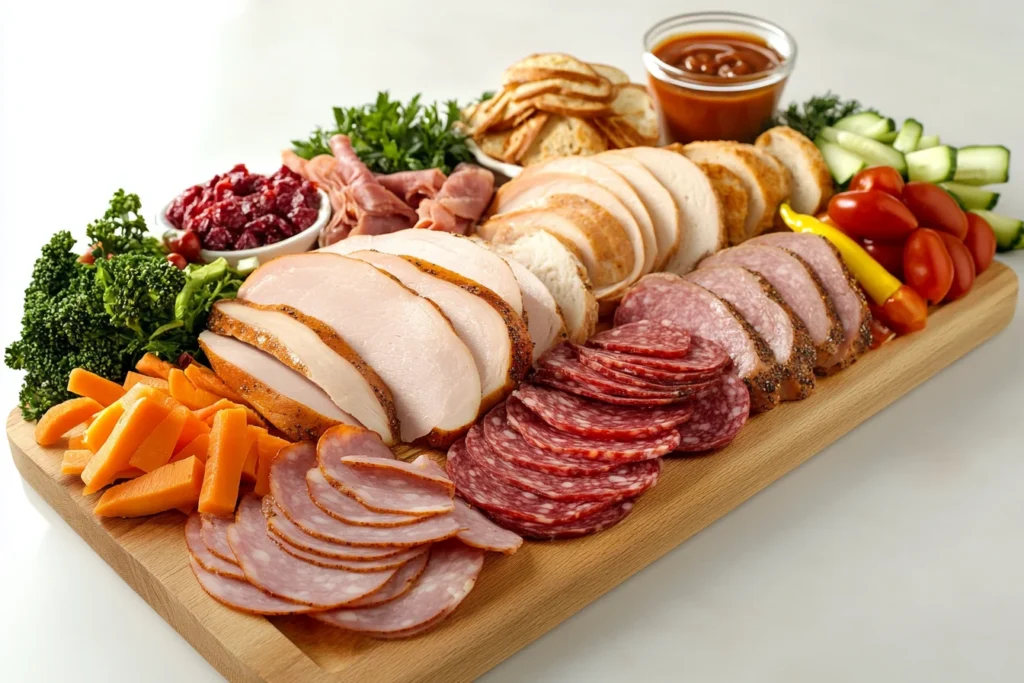
That turkey sandwich is calling your name — and now you’re second-guessing every bite. If you’re pregnant and wondering whether lunch meat is off the table entirely, you’re not alone. It’s one of the most common food questions during pregnancy, and the answer is more nuanced than a simple yes or no.
The short version: lunch meat isn’t automatically forbidden, but it does carry a real risk that’s worth understanding clearly. This guide breaks down exactly what the concern is, what the research shows, how to eat it more safely if you choose to, and what to reach for instead when the craving hits hard.
The Short Answer
The safest course of action to protect your baby is to avoid deli meats until after pregnancy. If you plan to eat deli meats anyway, cooking them until they are steaming is highly recommended. That’s the official guidance — but it’s not a hard “never under any circumstances.” It’s a risk-reduction recommendation, and knowing why it exists helps you make a confident, informed choice.
Lunch meat refers to all cooked meats sliced at the deli counter or packaged sliced meats. They’re convenient for a quick meal or protein-packed snack. The problem isn’t the meat itself — it’s how it’s stored, handled, and whether it’s been heated before you eat it.
Key Insight: Lunch meat isn’t forbidden — it’s a food that carries a manageable risk. Heating it properly changes the equation significantly.
Why It’s a Concern
Doctors caution pregnant people against eating lunch meat because there’s a slight risk of Listeria infection. Listeria is a rare but harmful bacteria that can cause a serious food-borne illness. What makes it especially tricky during pregnancy is that your immune system is working differently than usual.
The hormonal changes to a woman’s body during pregnancy can provide resilience, but behind that boost in strength lies a compromised immune system. This naturally occurring change allows the immune system to accept carrying the fetus, while also causing a weakened state for fighting foodborne bacteria. Pathogens also pose a risk to unborn babies with underdeveloped immune systems.
According to the American College of Obstetricians and Gynecologists, pregnant women are 10 times more likely to get listeriosis than the general population. That’s a significant increase in vulnerability — not because lunch meat is inherently dangerous, but because your body is less equipped to fight off bacteria that might hitch a ride on it.
There’s also more than one thing to watch out for. Deli meats might also harbor toxoplasma gondii, salmonella, campylobacter, and preservative compounds such as nitrates and nitrites. On top of that, a mere serving of many deli meats may reach or exceed 500 mg of sodium — a quantity worthy of attention, especially for those susceptible to preeclampsia.
Pregnant women, whose immune systems are to some degree compromised, are many folds more likely and susceptible to getting listeria than non-pregnant people, and the complications for the mother and developing baby can be very serious and devastating, including miscarriage, poor fetal growth, preterm labor and birth, stillbirth and infected mothers and babies.
You can learn more about meat safety during pregnancy and get a broader picture of foods and beverages to avoid when expecting.
What the Research Actually Says
Here’s where things get more reassuring. The risk is real — but the absolute numbers are much smaller than the alarm bells might suggest.
Despite the increased relative risk for pregnant women contracting Listeria, the absolute risk is extremely low. A risk assessment by the FDA and USDA estimated the risk of developing listeriosis to be approximately 1.2 × 10⁻⁵ per serving of deli meat in the perinatal population. To put that in plain terms: the model estimates 1 case of listeriosis in 83,000 servings of deli meat consumed by pregnant women — a minimal risk.
Despite the increased relative risk for pregnant women contracting Listeria, the absolute risk is extremely low and avoiding deli meats altogether does appear to be rather punitive. Researchers published in a peer-reviewed journal noted this tension between caution and practicality.
The probability of experiencing a problem from deli meats is very unlikely. Approximately 2,500 individuals will become infected with Listeria annually, making it extremely rare. However, the problem for pregnant women is they are more susceptible to get it, and their developing babies are more vulnerable to serious complications and even death.
Important Note: The low absolute risk doesn’t mean zero risk. For a condition with potentially devastating consequences, even a small probability deserves serious attention.
Researchers strongly believe that each woman should be informed of the nature and magnitude of the risks associated with the consumption of deli meats. The decision to consume or avoid these foods should be made by her, based on this information, allowing her to make an informed decision. If she chooses not to avoid them, she should be advised on how she can minimize her exposure.
The research also highlights that infection can occur at any time during pregnancy, but it is most common during the third trimester when your immune system is somewhat suppressed. This means the third trimester calls for the most caution. For a fuller look at how food preservatives work in processed meats, that context can be helpful when reading labels.
How to Do It Safely
If you decide you want to enjoy lunch meat during pregnancy, there’s a clear, evidence-backed way to do it with significantly reduced risk. The key is heat — and making sure it reaches the right temperature throughout.
The Golden Rule: Heat It Until Steaming
Heating the meat to an internal temperature of 165 degrees Fahrenheit “can effectively kill listeria bacteria.” This means steaming the meat until it’s hot. As one OB-GYN notes: “Listeria cannot survive when meat is properly heated on the stove or in a microwave.”
Use methods like an oven or stovetop to ensure even heating, as microwaves can leave cold spots where bacteria may survive. If you do use a microwave, cover, stir, and rotate the food to cook it evenly, and allow for standing time before using a food thermometer.
Storage and Handling Rules
- Refrigerate all deli meats, hot dogs, and cured meats or sausages. Use unopened packages within two weeks and opened packages within three to five days.
- Always avoid eating deli meats that have been left at room temperature for too long. Deli meats should be stored in the refrigerator at a temperature of 40°F or colder.
- Always wash your hands and use clean cutting boards and knives before handling food. Wash all surfaces and utensils that have come in contact with cooked or uncooked foods.
Moderation Matters Too
Moderation is key; medical experts frequently advise limiting intake to roughly 150 grams per week, thereby minimizing exposure to sodium and preservatives. This applies even when the meat has been properly heated.
Smart Sourcing
During pregnancy, be cautious about where you get your deli meats, opting for those from reputable providers with high standards of food safety. If you really want that cold turkey sandwich, be sure to choose a place that uses correct refrigeration temperatures, is safe with handling food, and knows how to properly store and prepare cold cuts.
The best disease control prevention is to cook all lunch meat, cold cuts, hot dogs, and other processed meats while pregnant. Avoid eating deli meats at restaurants or delis — because you simply can’t verify their handling practices.
Pro Tip: Skip the deli counter sandwich at restaurants. Heat your own at home on the stovetop so you can confirm it reaches steaming temperature all the way through — not just on the outside.
What About Trimester Differences?
Sandwiches can generally be safely consumed during the first trimester of pregnancy, but it’s important to heat any deli meats until steaming hot (165°F) to kill potential bacteria like Listeria. The heating rule applies at every stage — but as noted earlier, your immune system tends to be most suppressed in the third trimester, so extra vigilance then is well worth it.
Good nutrition throughout pregnancy also means leaning on nutrient-dense foods that support your body’s resilience and overall health.
When to Avoid It Completely
There are specific situations where skipping lunch meat entirely is the wisest call — no exceptions.
Active Recalls: State and government agencies monitor potential outbreaks of Listeria and will issue a recall for widespread contamination. If you’re pregnant and think you ate recalled food, contact your doctor as soon as possible. The CDC’s 2024 Boar’s Head outbreak is a good reminder that recalls happen — the bacteria is easily killed when reheated to 165 degrees, but a recent outbreak spurred the CDC to issue a warning and Boar’s Head to recall over 7 million pounds of deli meat.
High-Risk Meat Types: Deli meats that are high-risk for listeria infection include salami, pepperoni, dry sausages, and other fermented or dry-cured meats. These are harder to heat evenly and carry higher baseline risk.
Refrigerated Pâtés and Spreads: Do not eat refrigerated pâtés or meat spreads. These are a different category of risk entirely.
Restaurant Deli Sandwiches: Eating out at certain restaurants that provide deli meat sandwiches is not recommended for pregnant women since they do not reheat their deli meats.
If You Already Feel Unwell: Symptoms may appear as late as 2 months after you have eaten something with Listeria. Even if you do not feel very sick, you can pass the infection to your fetus. If you experience fever, muscle aches, or flu-like symptoms after eating deli meat, contact your provider promptly. Doctors can treat listeriosis with antibiotics to protect you and your baby.
Common Mistake: Assuming pre-packaged lunch meat is automatically safer than deli-counter meat. Both carry risk if not heated to 165°F before eating.
Quick Reference Chart
| Food Item | Safety Status | Notes |
|---|---|---|
| Deli turkey, ham, chicken (heated to 165°F / steaming) | ✅ With Caution | Must reach steaming hot throughout; eat immediately after heating |
| Deli turkey, ham, chicken (cold / straight from package) | ❌ Avoid | Listeria risk; cold does not kill the bacteria |
| Roasted turkey breast (home-cooked, freshly sliced) | ✅ Safe | Cooked from whole bird; no deli counter cross-contamination risk |
| Salami, pepperoni, dry-cured meats | ❌ Avoid | High-risk fermented/cured meats; difficult to heat evenly |
| Hot dogs (heated until steaming) | ⚠️ With Caution | Heat thoroughly; never eat cold or partially heated |
| Refrigerated pâté or meat spreads | ❌ Avoid | High Listeria risk; skip entirely during pregnancy |
| Canned or shelf-stable meat spreads | ✅ Generally Safe | Heat-treated and sealed; lower risk profile |
| Restaurant deli sandwiches (unheated) | ❌ Avoid | No way to verify meat was heated to safe temperature |
| Pre-packaged lunch meat (heated to 165°F) | ⚠️ With Caution | Check expiration date; use within 3–5 days of opening |
| Lunchables with deli meat (unheated) | ❌ Avoid | Meat components should be heated; cheese/cracker varieties safer |
Frequently Asked Questions
I accidentally ate cold deli meat while pregnant — what should I do?
If you accidentally consumed deli meat while pregnant, the risk of complications is relatively low. It’s worth monitoring for any symptoms like fever or unusual exhaustion in the following weeks. The CDC notes that while deli meats can potentially harbor Listeria bacteria, most exposures don’t result in illness. For peace of mind, let your doctor know at your next appointment, but try not to worry excessively about a single instance of eating deli meat.
Is pepperoni safe during pregnancy?
Eating pepperoni during pregnancy is generally considered safe if it’s thoroughly heated to kill potentially harmful bacteria like Listeria. According to the American College of Obstetricians and Gynecologists (ACOG), pregnant women should heat deli and processed meats until steaming hot (165°F) to ensure food safety. That said, pepperoni is one of the higher-risk fermented/cured options, so skipping it is a perfectly reasonable call.
Can I eat a turkey sandwich if I’m really craving one?
Yes — with one condition. If you’re dealing with a serious craving for a deli turkey sandwich, heating up the meat will lower the risk of listeria. It’s safest to take a pass or to cook the meat before putting it on your sandwich. Heat the turkey in a pan until steaming, let it cool slightly, then build your sandwich. You get the craving satisfied without the cold-meat risk.
Is freshly sliced turkey from a whole roasted bird the same as deli turkey?
Not at all. Having turkey meat from a cooked bird — like Thanksgiving leftovers — is a different story. “Cooked turkey breast is fine,” according to food safety experts. The risk with deli meat comes from post-processing contamination and cold storage, not from turkey as an ingredient.
What about the cheese on my sandwich?
One concern is that places may use the same slicers for meats and cheeses without cleaning them — meaning deli meat could contaminate your cheese. Sticking to hard and pasteurized cheeses during pregnancy is the recommended approach. “Cheeses that use unpasteurized milk can carry the listeria bacteria and should be avoided.”
Does freezing lunch meat make it safe?
Home freezing at -18°C/0°F will not defeat toxoplasma or listeria. Listeria can survive refrigeration or freezing but won’t survive at temperatures over 165 degrees. Only proper cooking to steaming temperature eliminates the risk.
What if I have symptoms after eating deli meat?
If you know that you have eaten a food that has been involved in a Listeria outbreak, or if you think you ate something that puts you at risk of listeriosis, talk with your ob-gyn. They can work with you to monitor your symptoms and help decide whether you need to be tested for listeriosis. Don’t wait — early treatment with antibiotics is effective.
For more guidance on building a pregnancy-safe diet, explore whole plant-based foods that offer great protein alternatives, heart-healthy superfoods worth adding to your rotation, and foods that support brain health — all of which can help round out a nourishing pregnancy diet. If you’re curious about other protein sources, the pros and cons of eating seafood during pregnancy is also worth a read, as is an overview of fibroid-healing foods for those managing that alongside pregnancy.